
Have you ever wondered if you can potty train a cat? Imagine never having to scoop litter again or worry about messy paws tracking dirt through your home.
It sounds almost too good to be true, right? But what if it’s possible to teach your feline friend to use the toilet just like you do? If you’re tired of the litter box hassle and want a cleaner, fresher home, keep reading.
This guide will walk you through everything you need to know about potty training your cat—and how to make it work for you and your furry companion.
Credit: redzonehtx.net
Benefits Of Potty Training Cats
Potty training a cat can bring many benefits to both pets and owners. It changes daily routines and improves life quality. Understanding these benefits helps decide if this training fits your home.
Cleaner Home Environment
Potty training reduces litter mess around the house. No more scattered litter on floors or carpets. It stops odors from litter boxes in living spaces. A cleaner home feels fresh and more inviting.
Cost Savings On Litter
Using the toilet means less need for cat litter. You buy litter less often, saving money over time. It also means fewer litter bags to throw away. This small change lowers monthly pet care costs.
Convenience For Owners
Toilet-trained cats need less daily maintenance. No more scooping or cleaning litter boxes every day. It saves time and effort for busy owners. The process makes pet care simpler and easier.
Choosing The Right Cat For Training
Choosing the right cat for potty training is important. Not all cats will respond well to this kind of training. Some cats are more curious and willing to learn. Others may be shy or stubborn. Picking a cat with the right traits can make the process easier and faster. It also helps keep the experience positive for both you and your cat.
Age And Temperament
Young cats and kittens often learn new habits quickly. Their brains are more flexible. Older cats can learn too, but it may take longer. Calm and curious cats usually adapt well to potty training. Cats with a nervous or aggressive temperament might resist training. Patience and gentle guidance are key for these cats. Watch how your cat reacts to new things before starting training.
Health Considerations
Healthy cats have a better chance of success. Illness can cause accidents or confusion. Make sure your cat has no urinary or digestive problems. Regular vet visits can help spot health issues early. A cat in pain or discomfort will not want to change habits. Cleanliness is also important to avoid infections. Healthy cats stay motivated and comfortable during training.
Essential Supplies Needed
Potty training a cat needs the right supplies to make the process smooth. Using proper tools helps your cat learn faster and feel comfortable. Prepare these items before starting to avoid delays and frustration.
Specialized Training Seats
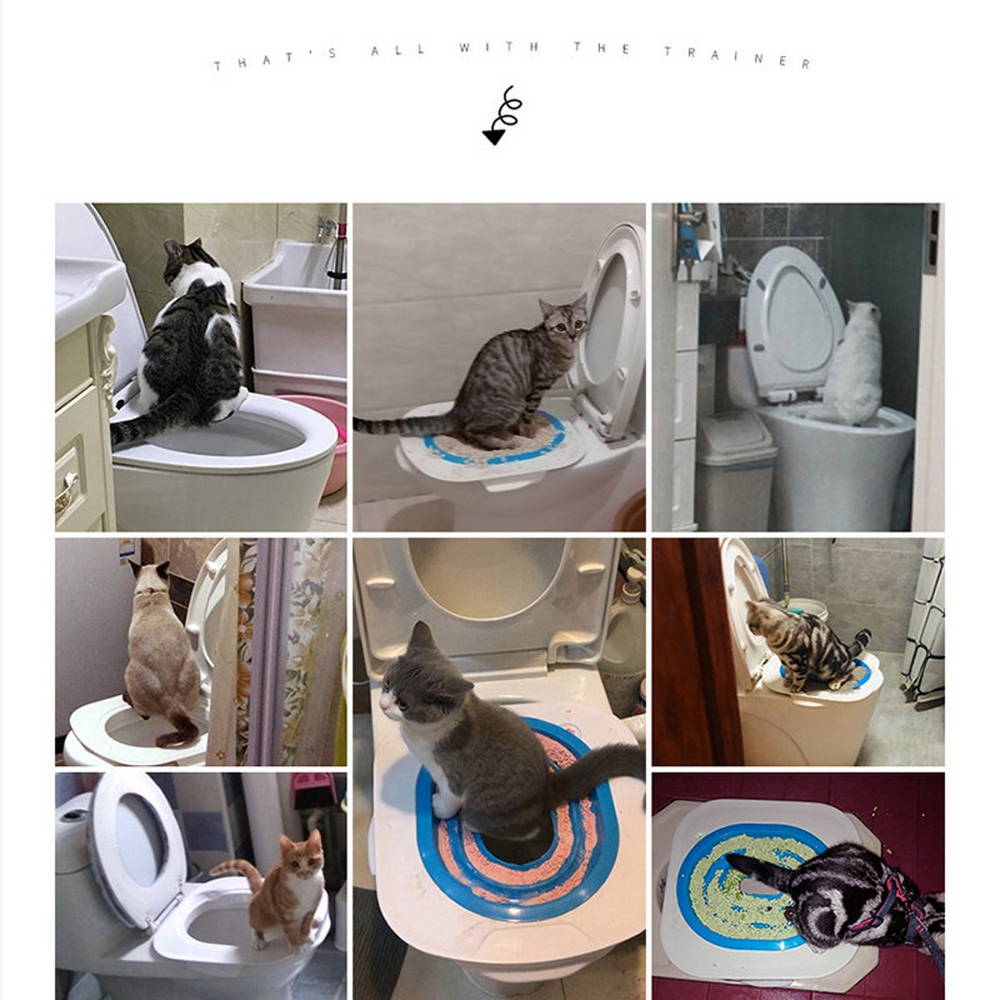
Specialized training seats fit on your toilet to guide your cat. They are usually made of plastic and have a hole in the center. This design helps cats get used to using the toilet like humans. Choose a seat that is sturdy and easy to clean. Some models come with adjustable sizes to fit your toilet perfectly.
Litter Options
Choose litter that your cat likes and feels safe using. Clumping litter works well for training because it is easy to clean. Some cats prefer unscented litter to avoid strong smells. Transition slowly from the litter box to the training seat by reducing litter amount. Avoid using scented or dusty litter to keep your cat happy.
Cleaning Materials
Cleaning materials keep the toilet and training area fresh and hygienic. Use mild cleaners that do not have strong chemicals or smells. Cats dislike strong odors and might avoid the toilet. Have paper towels or cloths ready to wipe spills quickly. Regular cleaning helps prevent bad smells and keeps your cat healthy.
Step-by-step Training Process
Potty training a cat is possible with patience and clear steps. The process takes time and gentle guidance. Follow these steps to help your cat use the toilet like a pro.
Introducing The Training Seat
Start by placing a special training seat on your toilet. This seat fits over the bowl and holds litter. Let your cat explore it at their own pace. Praise your cat for using the seat. This stage helps your cat get used to the new spot.
Gradual Litter Reduction
Slowly reduce the amount of litter in the training seat. Each week, remove a little more litter. Your cat will learn to balance on the seat without litter. This step helps your cat adjust to using the toilet water. Take your time; rushing can cause setbacks.
Encouraging Proper Use
Watch your cat closely during training. Reward good behavior with gentle praise or treats. If your cat seems scared, pause and try again later. Keep the bathroom quiet and calm. Clean the toilet often to avoid smells. Your cat needs a clean space to feel safe.
Common Challenges And Fixes
Potty training a cat can bring many rewards but also some hurdles. Cats are creatures of habit. Changing their routine can cause stress and confusion. Understanding common challenges helps manage them better. Each issue has simple fixes. Patience and care make the process smoother.
Resistance And Anxiety
Cats often resist new potty habits. They may feel scared or unsure. Strange sights and smells at the toilet can cause anxiety. To ease this, introduce changes slowly. Let your cat explore the new setup at its own pace. Use gentle praise and treats to build confidence. Avoid forcing your cat near the toilet. Calm, quiet surroundings help reduce stress.
Accidents And Setbacks
Accidents happen during training. Your cat may urinate outside the toilet. This is normal and not a sign of failure. Clean accidents thoroughly to remove smells. Use an enzyme cleaner to stop repeat behavior. Watch for signs of illness if accidents increase. Stay patient and keep training consistent. Each setback is a step toward success.
Maintaining Consistency
Consistency is key for potty training cats. Use the toilet at regular times. Keep the training setup clean and stable. Avoid sudden changes to the environment. Family members should follow the same routine. Reward good potty habits every time. Consistent actions help your cat learn faster. This steady approach builds trust and good behavior.
Tips For Speeding Up Training
Speeding up potty training for your cat needs focus and care. Cats learn best with clear signals and steady practice. Patience is key to help your cat adjust quickly. Use smart techniques to make training smooth and fast.
Positive Reinforcement
Reward your cat with treats or praise after good behavior. This helps your cat know what you want. Use soft voices and gentle petting as rewards too. Avoid punishment; it can scare your cat and slow training.
Routine And Patience
Keep a regular schedule for bathroom breaks. Cats feel safe with routine and predict when to go. Give your cat time to learn without rushing. Stay calm and patient during accidents or mistakes.
Monitoring Progress
Watch your cat’s habits and note any changes. Track when your cat uses the potty successfully. Adjust your approach based on what works best. Celebrate small wins to keep motivation high for both of you.
When To Seek Professional Help
Potty training a cat can be tricky. Sometimes, problems arise that you cannot fix alone. Knowing when to seek professional help saves time and stress. Experts can find hidden issues that block progress. They offer advice tailored to your cat’s needs.
Behavioral Issues
Cats may refuse potty training due to stress or fear. Changes in home, loud noises, or new pets cause anxiety. Some cats mark territory by urinating outside the box. A professional behaviorist can identify these problems. They suggest ways to calm your cat and improve habits. Ignoring behavior issues can make training fail.
Health Problems Impacting Training
Medical problems often cause potty training setbacks. Urinary tract infections, bladder stones, or arthritis make litter box use painful. Your cat may avoid the box to escape pain. A vet exam is important before training starts. Treating health issues can fix potty problems quickly. Don’t ignore signs like frequent urination or blood in urine.
Credit: www.hartz.com

Credit: www.audioglobal.com.br
Frequently Asked Questions
Can You Potty Train A Cat Successfully?
Yes, cats can be potty trained with patience and consistency. Training involves gradual litter box removal and positive reinforcement. Success depends on the cat’s temperament and your dedication. Many owners find it rewarding and hygienic once the cat adapts to toilet use.
How Long Does Cat Potty Training Take?
Potty training a cat typically takes 4 to 8 weeks. The timeline varies based on the cat’s age and personality. Consistent practice and gentle guidance speed up the process. Regular rewards and avoiding punishment help maintain progress.
What Are The Best Methods For Potty Training Cats?
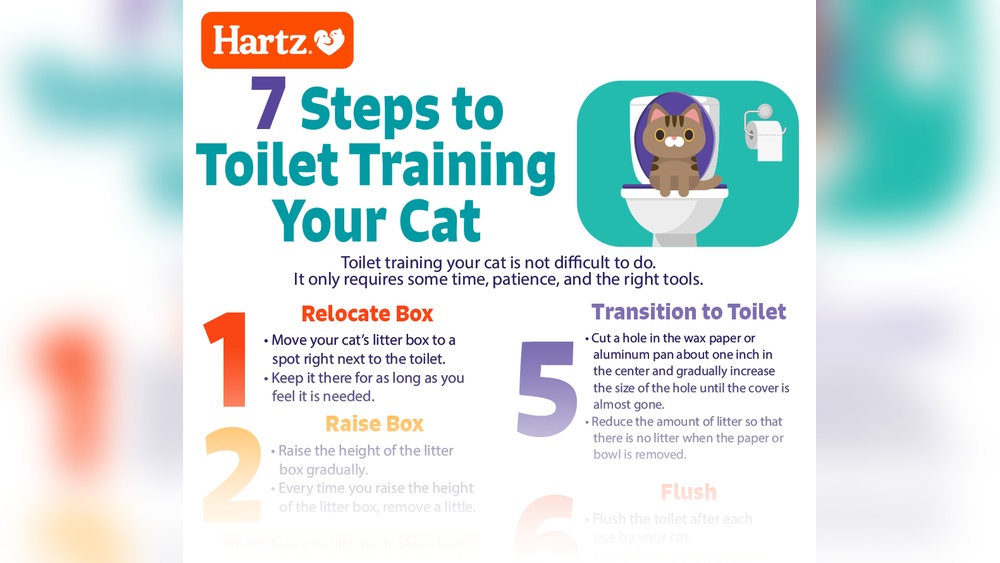
The best methods include gradual litter box transition and using a specialized cat toilet seat. Start by placing the litter box near the toilet, then slowly move it onto the seat. Reward your cat for success and be patient throughout the training.
Is Potty Training Better Than Using A Litter Box?
Potty training can be cleaner and more convenient but requires effort and time. Litter boxes are simpler but need regular cleaning. Potty training reduces litter waste and odors. The choice depends on your lifestyle and your cat’s adaptability.
Conclusion
Potty training a cat takes time and patience. Not all cats will learn easily. Some enjoy using the litter box more than a toilet. Be consistent and gentle with your training approach. Watch your cat’s behavior closely for signs of stress.
Remember, each cat is different and learns at its own pace. Success is possible but requires effort from both you and your cat. Keep your expectations realistic and focus on small progress steps. Your cat’s comfort and happiness matter most in this process.