
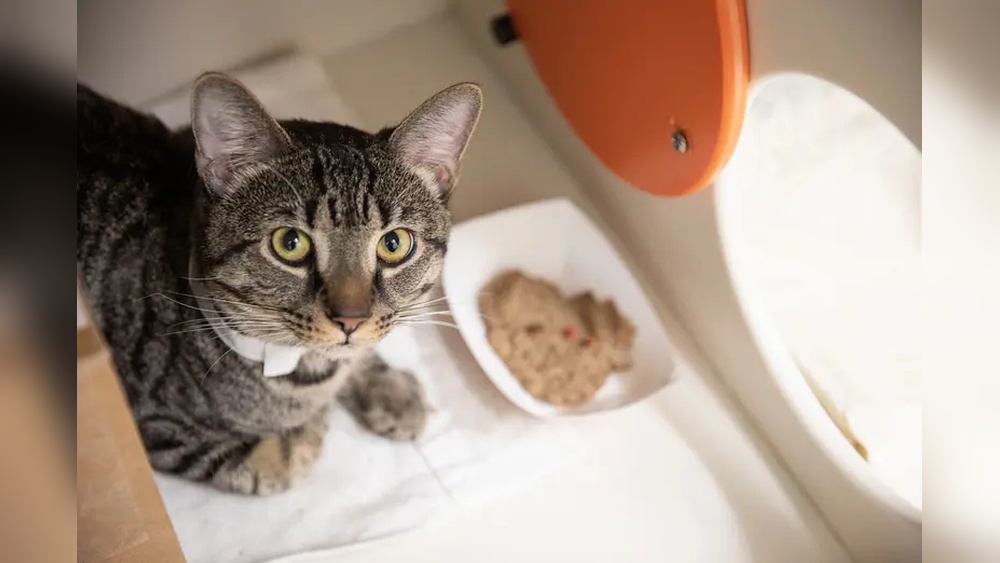
Have you ever wondered how cats in shelters learn to use the litter box? If you’ve ever thought it might be a challenge, you’re not alone.
But here’s the surprising truth: most shelter cats quickly pick up potty habits that make them ready for your home. Understanding how this training works can help you feel more confident about adopting a cat and giving them the fresh start they deserve.
Keep reading, and you’ll discover the simple steps shelters use to get cats potty trained—and how you can support your new feline friend from day one.
Shelter Environment Setup
Setting up the shelter environment is key to potty training cats. A clean, calm space helps cats learn quickly. Shelters must prepare an area that feels safe and inviting. The right setup guides cats to use the litter box consistently.
Small details in the environment can make a big difference. From choosing the litter box to its placement, every step matters. Good choices create positive habits and reduce accidents.
Choosing The Right Litter Box
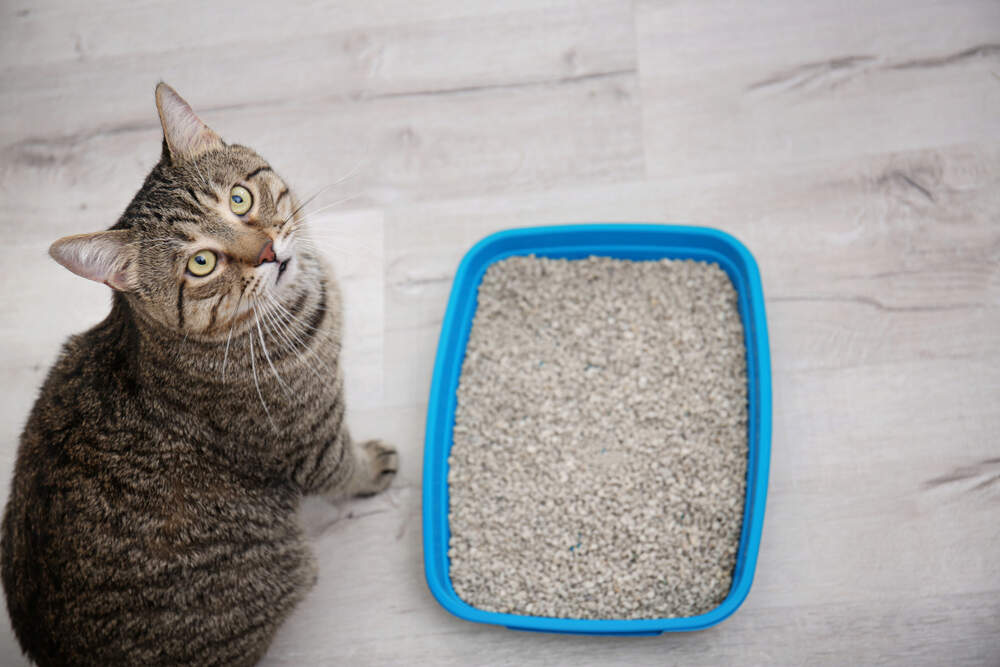
Selecting the correct litter box size is important. It must be large enough for the cat to turn around easily. Open boxes are often preferred as cats like to see their surroundings. Some cats prefer covered boxes, but these can trap smells.
Low entry sides help kittens and older cats enter easily. Easy cleaning is a must for shelter staff. A sturdy box that won’t tip over is best for active cats.
Selecting Suitable Litter Material
Pick litter that feels soft on the cat’s paws. Unscented, clumping litter is often the best choice. Clumping litter makes cleaning faster and keeps the box fresh. Avoid scented litters that can irritate sensitive noses.
Some shelters use natural materials like paper pellets or wood chips. Test different types to see what the cats prefer. Clean litter daily to encourage regular use.
Optimal Litter Box Placement
Place litter boxes in quiet, low-traffic areas. Cats avoid noisy or busy spots for toileting. Keep boxes away from food and water bowls to avoid confusion.
Provide multiple boxes if the shelter houses many cats. Space them out to reduce stress and competition. Good placement helps cats find and use the box without trouble.
Credit: www.comfortzone.com
Initial Introduction To Litter Box
Introducing cats to a litter box in a shelter is the first step in potty training. Cats may feel unsure about using a new spot. The shelter team helps them find comfort and confidence. This process takes patience and care. Cats learn to use the litter box through clear guidance and gentle encouragement.
Guided Placement Techniques
Place the litter box in a quiet, easy-to-find area. Avoid noisy or busy spots. Show the cat the box right after meals and naps. Gently place the cat inside the box to help them understand its use. Repeat this often during the first days. Keep the box clean to invite use. Fresh litter helps cats feel safe and willing to try.
Encouraging Exploration
Let cats explore the litter box at their own pace. Watch their behavior closely. Praise or softly talk to cats when they approach the box. Avoid forcing them inside. Use toys or treats nearby to create positive feelings. Exploration helps cats reduce fear. The goal is for cats to see the box as a good place to go.
Common Challenges In Shelter Training
Training cats to use the litter box in shelters is not simple. Many challenges can slow down the process. Cats face new environments, health problems, and stress. These factors affect their ability to learn and adjust. Understanding these challenges helps shelter workers improve training methods.
Handling Stress And Anxiety
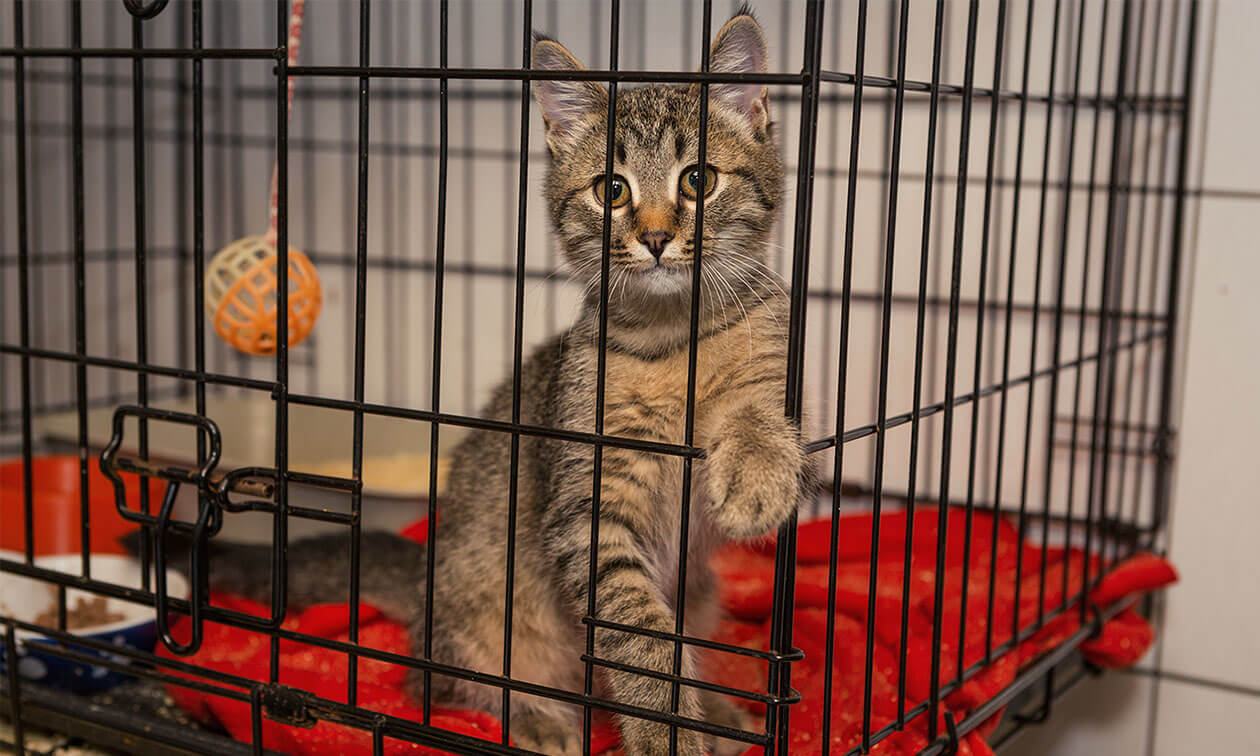
Cats in shelters often feel scared and confused. Loud noises and many people increase their stress. Stress makes cats avoid the litter box. Some cats hide or freeze instead of using the box. Shelter workers must create calm spaces. Gentle handling and quiet areas help cats relax. Relaxed cats learn faster and use the litter box more.
Dealing With Medical Issues
Many cats in shelters have health problems. Urinary infections or pain can stop them from using the litter box. Some cats have diarrhea or constipation. These issues make training harder. Shelters must check cats for medical problems. Treating health issues improves cats’ comfort. Healthy cats are more likely to use the litter box properly.
Credit: www.zoetispetcare.com
Behavioral Training Strategies
Behavioral training strategies help cats learn how to use the litter box in shelters. These methods focus on teaching cats new habits through clear guidance and gentle encouragement. Shelter staff use specific techniques to support cats during their potty training process. Training creates a calm and clean environment for both cats and shelter workers.
Training cats in shelters requires patience and consistency. Cats respond best to simple, steady routines and rewards. Understanding how cats learn helps shelters improve their training success.
Positive Reinforcement Methods
Positive reinforcement means rewarding cats for good behavior. Shelter workers give treats or gentle praise when cats use the litter box correctly. This encourages cats to repeat the action. Rewards help cats feel safe and confident during training. Avoiding punishment keeps cats calm and willing to learn. Reward-based training speeds up the potty training process.
Consistent Routine Establishment
Cats learn best with a steady daily routine. Shelter staff keep feeding, cleaning, and training times regular. Consistency helps cats understand when and where to go potty. Regular litter box cleaning is part of the routine. A clean box invites cats to use it. Predictable schedules reduce stress and promote good habits in cats.
Monitoring And Adjusting Training
Monitoring and adjusting training is a key part of teaching shelter cats to use the litter box. Each cat learns at its own pace. Careful observation helps staff understand what works and what does not. Trainers watch for signs of success and moments of struggle.
Adjustments keep the training effective. Small changes can make a big difference. This process ensures each cat gets the support it needs. It also helps avoid frustration for both cats and staff.
Tracking Progress And Setbacks
Staff track each cat’s litter box habits daily. Notes include how often the cat uses the box and any accidents. Tracking helps spot patterns in behavior. Success means fewer accidents and more regular use.
Setbacks may show in sudden accidents or refusal to use the box. Identifying these early allows for quick changes. Regular updates make training clear and organized.
Modifying Techniques For Success
Trainers change methods based on each cat’s needs. Different cats respond to different types of litter or box placement. Some cats prefer quiet, private spots. Others need frequent cleaning of their litter box.
Adjustments can include changing litter texture or adding more boxes. Staff may use gentle encouragement or extra patience. These changes help the cat feel comfortable and confident.
Role Of Shelter Staff And Volunteers
The role of shelter staff and volunteers is vital in potty training cats. They create a calm and consistent environment for the cats. This helps cats learn where to go naturally. Staff and volunteers observe each cat’s behavior closely. They adjust training methods based on what each cat needs. Their care and attention speed up the training process.
Effective Communication And Patience
Clear communication between staff and volunteers is key. They share notes on each cat’s progress daily. This helps avoid confusion and ensures consistency. Patience is essential. Some cats take longer to learn. Staff stay calm and gentle during accidents. They use positive reinforcement to encourage good habits. This approach builds trust and confidence in cats.
Collaborative Training Efforts
Training is a team effort in shelters. Staff and volunteers work together closely. They create a routine for feeding and litter box use. Everyone follows the same training plan. This consistency helps cats understand expectations. Volunteers often spend extra time socializing cats. This reduces stress and supports learning. The team’s combined efforts make potty training effective.
Preparing Cats For Adoption
Preparing cats for adoption starts with building good habits. Shelters focus on potty training to help cats fit into new homes easily. This training reduces stress for both cats and adopters. Cleanliness and routine play a big role in making cats ready for adoption.
Ensuring Litter Habits Are Established
Shelters provide clean litter boxes in quiet areas. Cats learn to use these boxes by instinct and shelter staff help guide them. Staff watch cats closely and clean boxes often to encourage use. Consistent litter habits show adopters the cat is ready for home life.
Educating Adopters On Maintenance
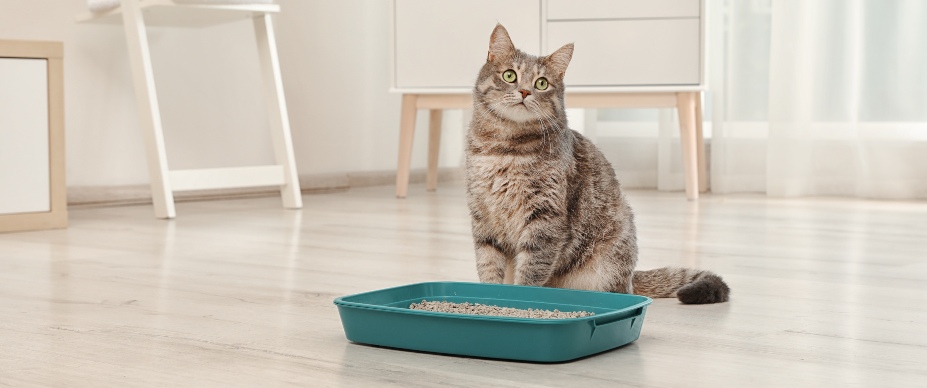
Shelters give adopters clear instructions on litter box care. They explain cleaning routines and how to handle accidents. Education includes advice on litter types and box placement. This knowledge helps adopters keep the cat comfortable and maintain good habits.
Credit: www.fourpaws.com
Frequently Asked Questions
How Do Shelters Train Cats To Use Litter Boxes?
Shelters provide clean litter boxes in quiet areas for cats. They use positive reinforcement and consistent placement to encourage use. Staff monitor cats and gently guide them to the box when needed, helping cats develop good habits quickly and effectively.
What Types Of Litter Do Shelters Commonly Use?
Shelters typically use unscented, clumping clay or natural litter. These types are easy to clean and comfortable for cats. Unscented litter avoids overwhelming cats’ sensitive noses, promoting better acceptance and consistent litter box use in the shelter environment.
How Long Does Potty Training Usually Take In Shelters?
Potty training duration varies but usually takes a few days to two weeks. Consistency, positive reinforcement, and the cat’s age and background affect timing. Shelters focus on patience and routine to help cats learn litter box habits efficiently.
Why Do Some Shelter Cats Struggle With Potty Training?
Stress, past trauma, or medical issues can cause potty training challenges. New environments may confuse cats, leading to accidents. Shelters often assess health and behavior to address these issues, providing extra support for successful training.
Conclusion
Cats in shelters learn potty habits through patience and care. Staff provide clean litter boxes and gentle guidance daily. Cats quickly understand where to go by routine and example. This training helps them feel safe and healthy. It also makes their new homes happier places.
Watching a cat succeed in potty training is rewarding. Every effort counts in giving shelter cats a fresh start. Small steps lead to big changes in their behavior. Shelters play a key role in teaching these important skills.