
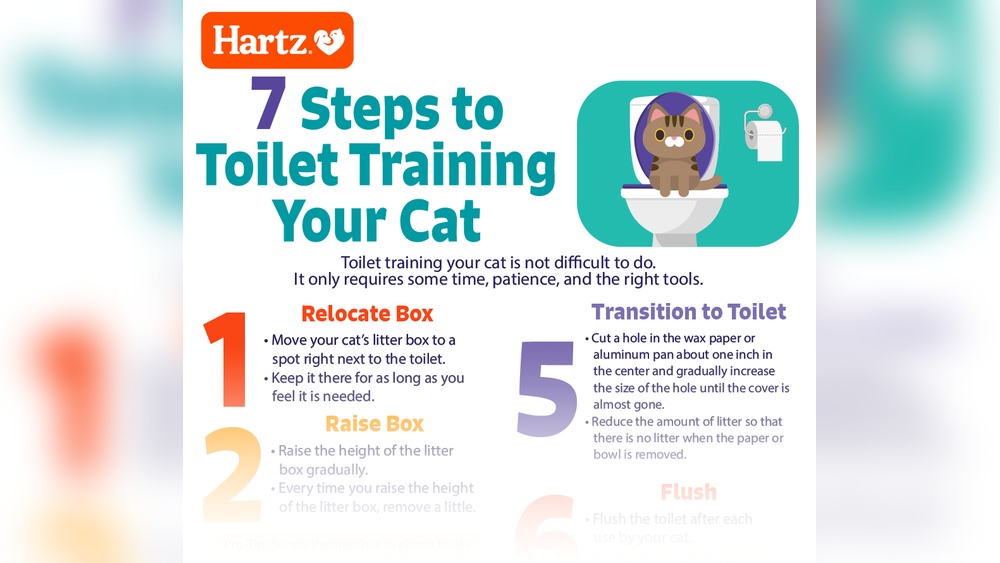
Is your cat struggling to use the litter box? You’re not alone, and it can be frustrating when your furry friend isn’t potty trained.
But don’t worry—there are simple steps you can take to fix this problem. Understanding why your cat avoids the litter box is the first key to success. You’ll discover easy and effective tips that can help your cat become clean and happy.
Keep reading, because a well-trained cat means less mess and more peace of mind for you.

Credit: www.youtube.com
Signs Of Poor Litter Habits
Noticing poor litter habits in your cat can be frustrating. It often signals a problem that needs attention. Recognizing these signs early helps prevent bigger issues. Cats usually keep clean, so changes in their bathroom behavior stand out.
Understanding the signs of poor litter habits helps you take the right steps. It improves your cat’s comfort and your home’s cleanliness. Watch for specific behaviors that show your cat is struggling with litter training.
Common Potty Problems
Cats may avoid the litter box completely. Sometimes they urinate or defecate outside the box. You might find messes near the box or in unusual spots. Some cats dig excessively or do not cover their waste. Others scratch around the box more than usual. These are clear signs of litter box issues.
Behavioral Indicators
Changes in your cat’s behavior can show litter problems. Your cat might act restless or nervous near the box. Some cats meow loudly before or after using it. Avoidance of the box may cause your cat to hide or seem stressed. Pay attention to any sudden changes in bathroom habits. These behaviors often point to discomfort or fear linked to the litter box.
Choosing The Right Litter Box
Choosing the right litter box is a key step in helping your cat learn good bathroom habits. The right box can make your cat feel comfortable and secure. This comfort encourages your cat to use the box regularly. Size and style matter a lot. So does the type of litter you choose. Both affect your cat’s willingness to use the box.
Box Size And Style
The litter box should be big enough for your cat to turn around easily. Small boxes feel cramped and can scare shy cats. A larger box gives your cat room to dig and cover waste.
Style also makes a difference. Open boxes provide easy access and good airflow. Covered boxes offer privacy but can trap odors. Some cats like one style more than the other. Watch your cat’s behavior to choose the best style.
Litter Type Preferences
Not all cats like the same litter. Some prefer fine, soft litter that feels gentle on their paws. Others like coarser litter that clumps well and controls odor.
Unscented litter is usually better because strong smells can scare cats away. Try a few types to see what your cat prefers. Clean the box daily to keep your cat happy and healthy.
Proper Litter Box Placement
Proper litter box placement helps your cat learn to use it correctly. Cats need a spot that feels safe and easy to reach. Placing the litter box in the right place makes a big difference. Cats avoid noisy or busy areas. Choose a location that fits these needs.
Quiet And Accessible Spots
Choose a quiet place for the litter box. Loud noises can scare cats away. Avoid spots near washing machines or loud appliances. The box should be easy to reach for your cat. Do not put it in a dark corner or a hard-to-find place. A calm, low-traffic area works best. Cats like privacy but also want to feel safe.
Avoiding Common Mistakes
Do not place the litter box near the cat’s food or water. Cats do not like to go near their eating area. Avoid small, cramped spaces that make it hard to enter or exit. Do not put the box in an area with strong smells or chemicals. Clean the box often to keep the area fresh. A dirty box can make cats avoid it.
Training Techniques For Cats
Training a cat to use the litter box takes patience and care. Cats learn best through gentle guidance. Clear steps help your cat understand what you want. Consistency is key to building good habits. Use training methods that make your cat feel safe and happy.
Positive Reinforcement
Reward your cat for using the litter box correctly. Use treats or soft praise to encourage good behavior. Avoid punishment, as it can cause fear or stress. Positive rewards help your cat link the litter box with good feelings. This method builds trust and makes learning faster.
Establishing A Routine
Create a regular schedule for feeding and litter box cleaning. Cats like routines and feel more secure with predictability. Place your cat in the litter box after meals and naps. Clean the box daily to keep it inviting. A steady routine helps your cat develop reliable bathroom habits.
Addressing Medical Issues
Sometimes, a cat not using the litter box has a health problem. Medical issues can cause changes in potty habits. It is important to check your cat’s health before trying other training methods.
Ignoring medical problems may make the issue worse. Early care helps your cat feel better faster. Watch for signs that your cat needs a vet visit.
When To See A Vet
Take your cat to the vet if it suddenly stops using the litter box. Also, visit the vet if you see blood in the urine or stool. Strange smells or pain during urination need a vet’s attention. If your cat drinks more water or pees often, get a check-up. Any change in behavior related to potty habits is a red flag.
Common Health Problems Affecting Potty Habits
Urinary tract infections (UTIs) are a common cause of potty issues. They can make peeing painful and urgent. Kidney problems also affect how often your cat pees. Diabetes can cause your cat to drink and pee more. Bladder stones may block normal urination. Arthritis or pain can make getting to the litter box hard. Identifying these problems helps in giving the right treatment.
Cleaning And Odor Control
Cleaning and odor control are key to managing a cat that is not potty trained. A clean space helps your cat feel comfortable and reduces the chance of repeated accidents. Strong odors can attract your cat back to the same spot. Removing these smells stops this cycle.
Effective Cleaning Methods
Start by removing any solid waste with paper towels. Use cold water to rinse the area. Hot water can set stains and odors deeper into fabrics.
Apply a pet-safe cleaner to break down urine and feces. Let it sit for a few minutes. Blot the area with a clean cloth to absorb moisture. Avoid rubbing, as this spreads stains.
For carpets, use a brush to gently work the cleaner into the fibers. Rinse with water and blot dry. Repeat if the odor remains.
Products To Use And Avoid
Use enzymatic cleaners designed for pet messes. These break down odor-causing molecules effectively. Avoid bleach and ammonia-based cleaners. These can irritate your cat’s nose and worsen odors.
Choose unscented products to avoid confusing your cat’s sense of smell. Avoid fabric softeners and harsh detergents on bedding or litter mats. These can leave residues that deter your cat from using these areas.
Dealing With Persistent Problems
Dealing with a cat that is not potty trained can be frustrating. Persistent problems may need a calm and steady approach. Understanding the cause helps in finding the right solution. Patience and consistency are key during this time. Some cats might have deeper issues that need special attention.
Behavioral Solutions
Start by observing your cat’s habits closely. Make sure the litter box is clean and in a quiet place. Cats dislike dirty boxes and may avoid them. Try different types of litter to see what your cat prefers. Reward your cat with praise or treats after using the box. Avoid punishment, as it can make the problem worse. Create a routine for feeding and bathroom breaks. Stress or changes in the home can affect your cat’s behavior. Provide a calm environment and reduce loud noises or sudden movements.
When To Seek Professional Help
Persistent potty problems might need expert advice. A vet can check if your cat has health issues causing the problem. Urinary tract infections or other illnesses may stop proper litter box use. A cat behaviorist can help with difficult habits and stress-related problems. Professionals offer tailored advice and training tips. Don’t wait too long to ask for help. Early action can prevent worsening problems and keep your cat happy.
:strip_icc()/cat-pooping-outside-box-554017-b408bc2885e042a5a1937e7e0b183b5a.jpg)
Credit: www.thesprucepets.com
Credit: www.cuteness.com
Frequently Asked Questions
How To Train A Cat To Use The Litter Box?
Start by placing the litter box in a quiet area. Show your cat where it is. Use clean, unscented litter. Praise your cat after each successful use. Be patient and consistent to reinforce the habit.
What Causes A Cat To Avoid The Litter Box?
Cats may avoid the litter box due to stress, illness, or a dirty box. Changes in environment or litter type can also cause avoidance. Identifying and addressing the cause helps improve litter box use.
How To Clean Accidents From Untrained Cats?
Use an enzymatic cleaner to remove odors fully. Avoid ammonia-based cleaners as they can attract cats back. Clean accidents promptly to prevent repeat marking and encourage proper litter box use.
When Should I Consult A Vet About Potty Training?
Consult a vet if your cat suddenly stops using the litter box. Persistent accidents may indicate medical issues like urinary tract infections. Early diagnosis ensures proper treatment and helps with training.
Conclusion
Teaching a cat to use the litter box takes time and patience. Stay calm and keep trying different methods. Clean the litter box regularly to encourage good habits. Use positive rewards when your cat uses the box correctly. Watch for any health problems that might cause accidents.
Remember, every cat learns at its own pace. With care and consistency, your cat will learn soon. Keep the environment quiet and safe for better results. Small steps make a big difference in potty training success.