
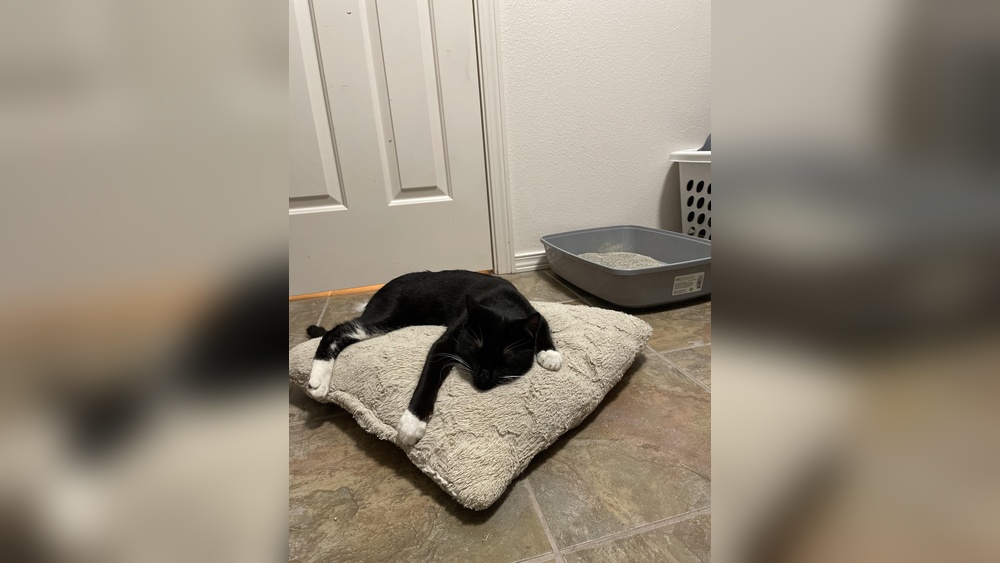
Bringing a stray cat into your home can be a rewarding experience, but teaching them where to go potty can feel like a challenge. You might wonder, “How do I potty train a stray cat that has never lived indoors?” Don’t worry—this guide will walk you through simple, effective steps to help your new furry friend feel comfortable and clean.
By understanding your cat’s natural habits and using easy techniques, you can create a stress-free routine that works for both of you. Keep reading to discover how to turn your stray cat into a well-trained companion.
Credit: redzonehtx.net
Preparing For Training
Preparing for potty training a stray cat sets the stage for success. Careful setup helps the cat feel safe and ready to learn. This phase focuses on choosing the right tools and environment.
Choosing The Right Litter Box
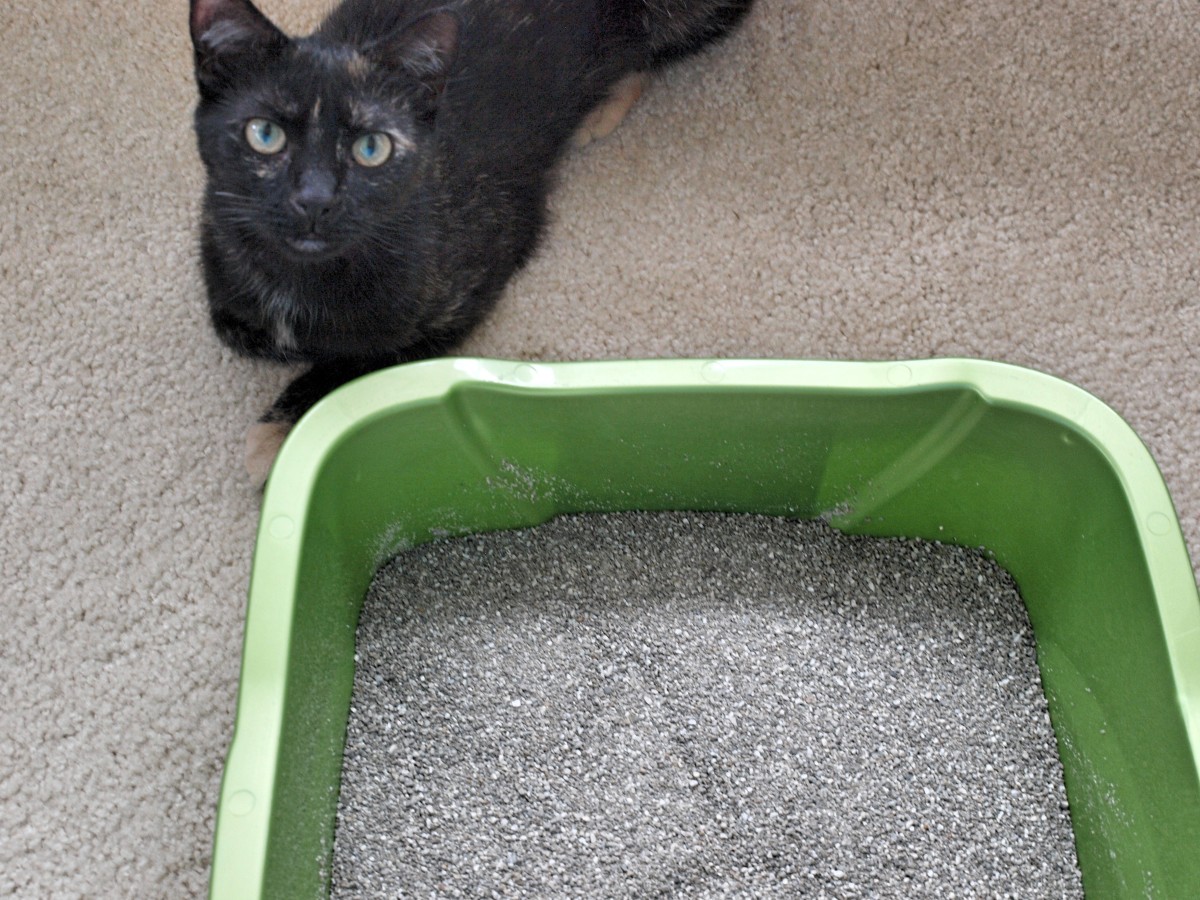
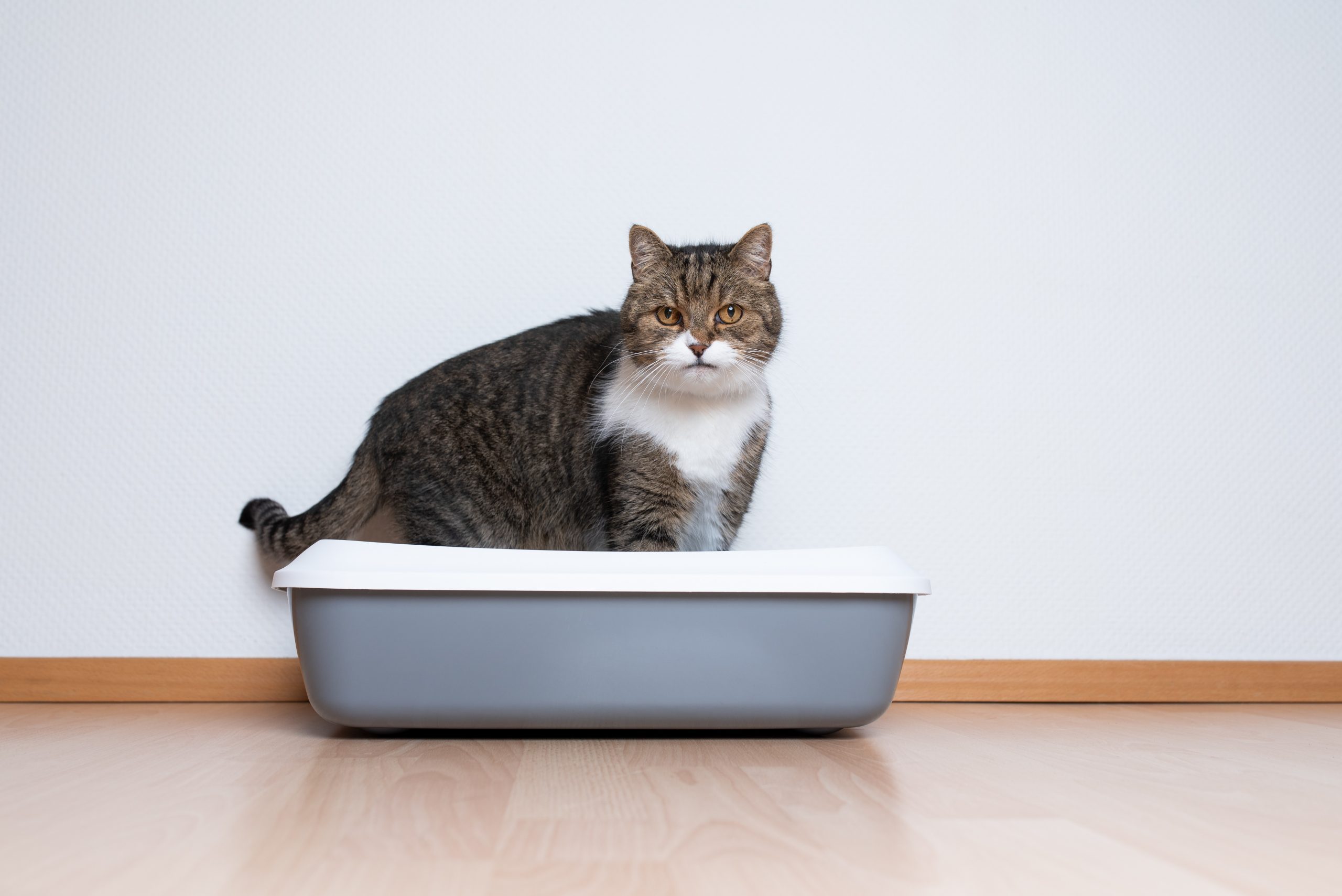
Pick a litter box that fits the cat’s size. Bigger boxes give more space to move. Avoid boxes with high sides for nervous cats. Open designs work best for shy or new cats. Keep the box easy to enter and exit.
Selecting Cat-friendly Litter
Choose litter that feels soft on paws. Unscented and clumping litter helps with cleanliness. Avoid strong smells that may scare the cat. Cats prefer natural materials like clay or paper. Change the litter often to keep it fresh.
Setting Up A Quiet Spot
Place the litter box in a calm, private area. Avoid noisy or busy rooms. Quiet spots reduce stress for the stray cat. Make sure the area is easy to reach. Keep food and water away from the litter box.
Credit: pifodbold.dk
Introducing The Cat To The Litter Box
Introducing a stray cat to a litter box is a key step in potty training. It helps the cat learn where to go and feel safe. Patience and care are important during this process. The cat needs time to explore and understand this new habit.
Encouraging Exploration
Place the litter box in a quiet, easy-to-find spot. Let the cat sniff and explore it freely. Avoid forcing the cat inside the box. Gently guide the cat by placing it near the box after meals or naps. Cats learn best through gentle exposure and curiosity.
Using Positive Reinforcement
Reward the cat with soft praise or small treats after using the litter box. Positive feedback helps the cat connect good feelings with the box. Avoid punishment if accidents happen. Instead, clean the area well and encourage the cat to try again. Repeating positive actions builds trust and good habits.
Establishing A Routine
Creating a routine is key when potty training a stray cat. Cats feel safe with regular patterns. This helps them learn faster and reduces stress. A clear daily schedule guides their behavior. Two important parts are feeding times and litter box visits. These build good habits and trust.
Regular Feeding Times
Feed your stray cat at the same times daily. Consistent meal times help regulate their bathroom needs. Cats usually go to the bathroom after eating. Regular feeding creates a natural potty schedule. Keep food portions steady to avoid overeating. This routine makes the cat more predictable. It also strengthens your bond with the cat.
Scheduled Litter Box Visits
Take the cat to the litter box at set times. After meals and naps are good moments. This encourages the cat to use the box. Stay patient and calm during visits. Reward the cat gently for good behavior. A clean and quiet litter box attracts the cat. Avoid sudden changes in the box location. Routine visits build confidence and habit.
Handling Accidents
Potty training a stray cat can take time and patience. Accidents are a part of the learning process. Handling these accidents calmly helps your cat feel safe and learn faster. Proper cleaning and gentle reactions make a big difference.
Cleaning Techniques
Clean accidents quickly to stop smells. Use an enzyme cleaner to remove urine and odor. Avoid regular household cleaners that only mask the smell. Rinse the area with water after cleaning. Dry the spot completely to prevent your cat from returning there.
Avoiding Negative Reactions
Do not yell or punish your cat for accidents. Cats do not connect punishment with the accident. Instead, speak softly and calmly. Offer praise when your cat uses the litter box correctly. Positive reinforcement helps build good habits faster.
Building Trust With A Stray Cat
Building trust with a stray cat is the first step in potty training. Stray cats often feel scared and unsure. They need time to feel safe around you. Trust helps them relax and learn new habits. Patience and kindness are key. Small actions can make a big difference in how a cat sees you. Creating a bond opens the door to successful training.
Gentle Interaction Tips
Start by speaking softly to the cat. Avoid sudden movements that may frighten it. Let the cat come to you on its own terms. Offer treats or food to create positive feelings. Use slow blinking to show you are not a threat. Pet the cat gently if it allows. Respect its space and signals at all times.
Creating A Safe Environment
Provide a quiet area where the cat feels protected. Place a cozy bed or blanket in a corner. Keep the litter box in a calm spot, away from noise. Remove anything that can scare the cat. Make sure food, water, and litter are easy to reach. A safe space helps the cat relax and trust you more.
Credit: www.rd.com
Monitoring Progress
Monitoring progress is key when potty training a stray cat. It helps you see what works and what needs change. Watch your cat closely during training. Notice small steps and celebrate them. This keeps training focused and effective.
Recognizing Signs Of Improvement
Look for your cat using the litter box more often. Notice less accidents outside the box. Your cat may start digging in the litter. It shows they understand where to go. Also, see if your cat waits near the box. These are good signs of progress.
Adjusting Training Methods
Change your approach if progress slows or stops. Try different litter types or box locations. Make sure the box is clean and easy to find. Use gentle encouragement and patience. Each cat learns differently. Adjust your methods to fit your cat’s needs.
Frequently Asked Questions
How Long Does It Take To Potty Train A Stray Cat?
Potty training a stray cat usually takes 2 to 4 weeks. Consistency and patience are key during this period. Each cat learns at its own pace, so stay calm and encouraging throughout the process.
What Supplies Are Needed For Potty Training A Stray Cat?
You will need a clean litter box, cat litter, and a quiet spot for the box. Use unscented, clumping litter to encourage use. Keep the box accessible and clean to promote good habits.
How To Introduce A Stray Cat To A Litter Box?
Place the cat gently in the litter box after meals and naps. Show the cat the litter texture and encourage digging. Positive reinforcement with praise or treats helps the cat understand the desired behavior.
Can I Potty Train A Stray Cat Without A Litter Box?
It is challenging to potty train a cat without a litter box. Cats naturally use a soft substrate. A litter box provides a designated place and helps prevent accidents inside your home.
Conclusion
Potty training a stray cat takes time and patience. Start with a clean, quiet litter box in a safe spot. Praise the cat gently when it uses the box. Expect some accidents and stay calm. Watch the cat’s habits and adjust as needed.
With care, the cat will learn to use the litter box. This helps both you and the cat live happily indoors. Keep trying, and soon the stray will feel at home.