

Are you passionate about cats and wondering how to turn that love into a rewarding career? Becoming a cat breeder might be the path for you.
But where do you start? What skills and knowledge do you need? You’ll discover clear, practical steps to help you become a responsible and successful cat breeder. By the end, you’ll know exactly what it takes to care for cats, understand breeding ethics, and build a reputation that others trust.
Ready to learn more? Let’s dive in.
Choosing Your Cat Breed
Choosing the right cat breed is a key step in becoming a cat breeder. Each breed has unique features and needs. Picking the right one helps you care well and enjoy your work.
Think about your space, time, and budget before deciding. The breed should fit your lifestyle and goals. Knowing popular breeds and their traits makes the choice easier.
Popular Cat Breeds To Consider
Siamese cats are known for their striking blue eyes and social nature. They enjoy attention and are very vocal. Persian cats have long, beautiful fur and calm personalities. They need regular grooming to stay healthy. Maine Coons are large and friendly cats. They have thick fur and adapt well to families. Bengal cats look wild with their spotted coats. They are active and playful, needing lots of exercise. Scottish Folds have unique folded ears and gentle temperaments. They are great for quiet homes.
Matching Breed Traits With Your Lifestyle
Active breeds need space to run and play. Quiet breeds fit well in small apartments. Some cats require daily grooming. Others need less care in that area. Consider your time and energy for these tasks. Social breeds want company and interaction. Independent cats handle alone time better. Think about your family and work hours. Choose a breed that suits your daily routine. This makes breeding more enjoyable and successful.

Credit: www.catbreedingforbeginners.com
Learning Cat Breeding Basics
Learning cat breeding basics is the first step to becoming a responsible breeder. Understanding key concepts helps you care for cats properly. It also improves the quality of kittens you raise. This knowledge builds a strong foundation for your breeding journey.
Start with genetics and heredity. These topics explain how traits pass from parents to kittens. Then focus on health and nutrition needs. Good care ensures cats stay healthy and grow well. Both areas are important for successful breeding.
Genetics And Heredity
Genetics is the study of how traits pass from parents to offspring. Knowing which traits are dominant or recessive is key. It helps predict kitten colors, patterns, and health risks. Avoid breeding cats with harmful genetic conditions. This keeps the breed strong and healthy. Study basic genetics before choosing breeding pairs.
Health And Nutrition Needs
Healthy cats produce healthy kittens. Provide balanced nutrition for breeding cats. Their diet must include protein, vitamins, and minerals. Regular vet visits check for diseases and parasites. Keep vaccinations up to date. Monitor weight and behavior closely. Proper care lowers risks during pregnancy and birth.
Setting Up Your Breeding Space
Setting up a breeding space is a key step to becoming a responsible cat breeder. This space must be clean, safe, and comfortable for your cats. It helps keep cats healthy and happy during breeding and raising kittens.
Creating A Safe Environment
Safety is the top priority in your breeding space. Use a quiet room away from loud noises and busy areas. Make sure windows and doors are secure to prevent escapes. Remove any toxic plants or sharp objects. Keep the space clean to avoid infections. Proper ventilation helps keep fresh air flowing. Soft bedding gives cats a cozy place to rest. A calm space reduces stress for the mother cat and kittens.
Essential Supplies And Equipment
Stock your breeding area with necessary supplies. Food and water bowls should be sturdy and easy to clean. Litter boxes need to be in quiet spots, away from feeding areas. Have heating pads or lamps to keep kittens warm. Keep grooming tools like brushes and nail clippers handy. A scale helps track kitten growth. Prepare safe toys to encourage play and exercise. Keep cleaning products safe and out of reach of cats.
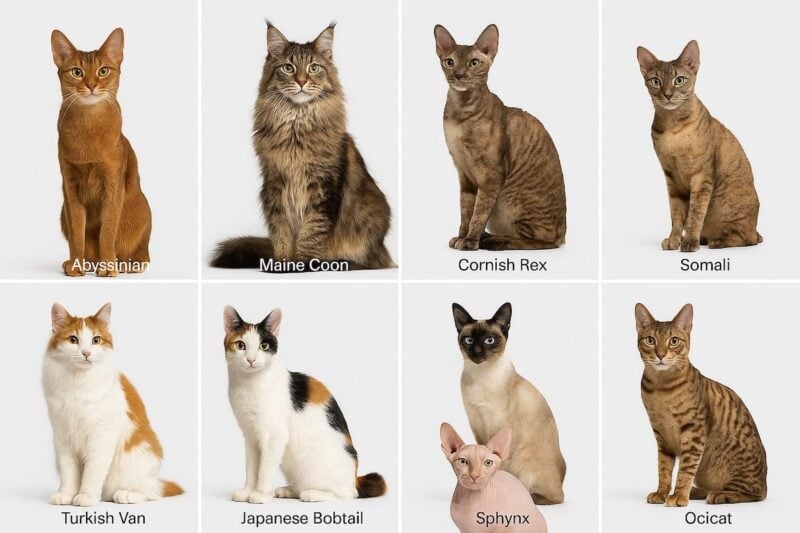
Credit: www.mainecooncentral.com
Finding And Selecting Breeding Cats
Finding and selecting the right cats for breeding is a critical step in becoming a successful cat breeder. Choosing healthy and well-tempered cats helps maintain strong breed standards and produces healthy kittens. This process requires careful attention to the cats’ background, health, and genetics.
Start by researching breeders who have good reputations and experience. The goal is to find cats that meet breed standards and come from strong bloodlines. This ensures your breeding program produces quality cats with good traits.
Evaluating Potential Breeders
Check the breeder’s history and reputation. Ask for references from previous buyers or breeders they worked with. Visit the breeder’s facility if possible to see how they care for their cats. Observe the cats’ behavior and living conditions. Responsible breeders focus on the health and well-being of their cats.
Ask about the cats’ pedigrees and any past breeding results. Good breeders keep detailed records and are open to sharing this information. Avoid breeders who cannot provide clear answers or proper documentation.
Health Screening And Certifications
Health is the top priority for breeding cats. Request health certificates from a licensed vet. These certificates should confirm the cats are free from common hereditary diseases.
Tests for genetic conditions vary by breed. Common screenings include tests for heart disease, kidney problems, and infections. Both parents should be tested to reduce the risk of passing illnesses to kittens.
Vaccinations and parasite control are also important. Ensure the cats are up to date on shots and treatments. Healthy cats give birth to healthier kittens and have fewer complications.
Managing The Breeding Process
Managing the breeding process is a key part of becoming a successful cat breeder. It requires careful planning, attention, and care. Every step affects the health and well-being of the cats and their kittens. Understanding the right methods and timing helps ensure healthy litters. This section explains the important aspects of managing breeding effectively.
Mating Techniques And Timing
Choosing the right mating time is crucial. Female cats, or queens, go into heat several times a year. Each heat cycle lasts about 7 days. The best time to mate is during the peak of heat. Signs include loud vocalizing, restlessness, and rubbing.
Natural mating is common, where a male cat, or tom, and queen meet. Supervised introductions reduce stress for both cats. Artificial insemination is another method used by some breeders. It requires veterinary assistance and precise timing.
Breeders must track heat cycles carefully. Using a calendar helps predict the next heat. Proper timing increases the chance of successful mating and pregnancy.
Pregnancy Care And Monitoring
After mating, monitoring the queen’s health is vital. Pregnancy lasts about 63-65 days. During this time, nutrition and comfort are very important. The queen needs a balanced diet with extra nutrients.
Regular check-ups with a vet ensure the queen is healthy. Watch for signs like changes in appetite, behavior, or weight. Avoid stressful situations and provide a quiet, safe space for the queen.
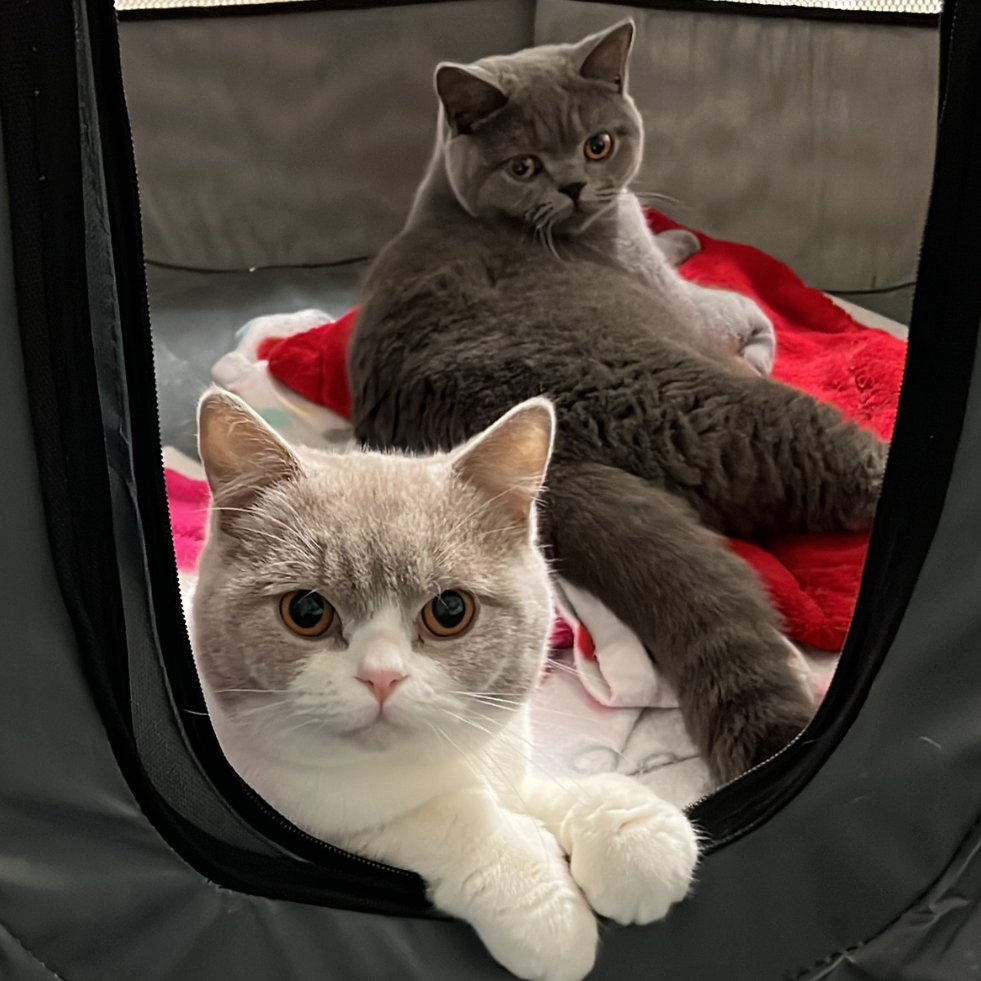
As the due date nears, prepare a clean, warm nesting area. This helps the queen feel secure for delivery. Close observation during the final weeks can prevent problems and support a smooth birth.
Credit: www.catbreedingforbeginners.com
Caring For Newborn Kittens
Caring for newborn kittens is a vital part of becoming a responsible cat breeder. These tiny creatures need special attention and care during their first weeks of life. Proper care ensures they grow healthy and strong. It also helps them develop good social skills. Understanding their needs is essential for every breeder.
Nutrition And Feeding
Newborn kittens rely on their mother’s milk for nutrition. It contains all the nutrients they need. Feeding should happen every two to three hours. If the mother cat cannot nurse, use a kitten milk replacement formula. Avoid giving cow’s milk; it can upset their stomach. Use a bottle designed for kittens to feed them gently. Keep the feeding area clean to prevent infections. Monitor their weight daily to ensure they are growing well.
Socialization And Development
Socialization starts early for kittens. Gentle handling helps them get used to humans. Spend time holding and petting them several times a day. This builds trust and reduces fear. Introduce them to soft sounds and different smells. Play with safe toys to encourage movement and coordination. Watch for signs of illness or distress and act quickly. Early care shapes confident and friendly cats.
Handling Legal And Ethical Responsibilities
Handling legal and ethical responsibilities is a key part of becoming a cat breeder. Following the right rules keeps you and your cats safe. It also builds trust with buyers and the community. Knowing laws and acting with care will help your breeding business grow properly.
Licenses And Permits
Most places require special licenses to breed cats legally. These permits prove you follow local laws. Check with your city or state office about needed paperwork. Some areas ask for animal care inspections before approval. Keep licenses updated to avoid fines or shutdowns. Proper documentation shows you run a responsible breeding operation.
Ethical Breeding Practices
Ethical breeding means putting cats’ health first. Avoid breeding cats with genetic problems or poor health. Provide clean, safe living spaces and good nutrition. Socialize kittens to help them grow friendly and confident. Limit the number of litters to protect the mother cat. Always find good homes for kittens. Respect for animals builds a strong reputation and loyal customers.
Marketing And Selling Kittens
Marketing and selling kittens is a key part of becoming a successful cat breeder. It helps you find good homes for your kittens and build trust in your work. Proper marketing also ensures your kittens get the care they deserve.
Good marketing means sharing clear information about your kittens’ breed, health, and personality. It also means being honest and open with potential buyers. This builds confidence and makes people want to buy from you.
Building A Reputation
Start by showing your love and care for cats. Share photos and stories of your kittens on social media and websites. Ask happy buyers to give reviews or testimonials. This creates a positive image of your breeding program.
Join local cat clubs or online communities. Participate in events and talks to meet other breeders and cat lovers. Your reputation grows when people see you care about cats and follow ethical practices.
Finding Responsible Buyers
Look for buyers who will give your kittens a safe, loving home. Ask questions about their experience with cats and their living situation. This helps you choose buyers who will take good care of the kittens.
Provide clear information about the kitten’s needs, diet, and vet care. Make sure buyers agree to keep the kitten indoors and provide proper care. Responsible buyers keep your kittens healthy and happy.
Continuing Education And Networking
Continuing education and networking play a key role in becoming a successful cat breeder. Learning new skills and meeting other breeders help you improve your breeding program. Staying updated about cat health, genetics, and care benefits your cats and your business.
Joining Breeder Associations
Breeder associations offer many resources for learning. Members get access to training, articles, and expert advice. Joining a reputable association shows your commitment to ethical breeding. Associations often set standards that guide responsible breeders. You can also find mentors who share valuable experience.
Attending Cat Shows And Events
Cat shows provide a chance to see different breeds up close. Events help you meet judges, breeders, and cat lovers. You learn about breed standards and what judges look for. These gatherings offer opportunities to exchange knowledge and ideas. Networking at shows can lead to partnerships and support.
Frequently Asked Questions
What Qualifications Do I Need To Become A Cat Breeder?
You need knowledge of cat genetics, health, and breed standards. Experience with cats and a passion for breeding is essential. Some regions require licenses or permits, so check local laws before starting.
How Much Does It Cost To Start Cat Breeding?
Initial costs include purchasing quality breeding cats, veterinary care, and supplies. Expect expenses for vaccinations, food, and registration fees. Budgeting properly ensures healthy cats and a successful breeding program.
How Do I Find Healthy Cats For Breeding?
Look for reputable breeders, cat shows, or breed clubs. Ensure cats have health clearances and meet breed standards. Avoid buying from unknown sources to prevent genetic or health issues.
What Are The Legal Requirements For Cat Breeding?
Requirements vary by location but often include licenses and permits. You may need to follow animal welfare laws and register litters. Always check local regulations to ensure compliance.
Conclusion
Becoming a cat breeder takes time and patience. You need to learn about cat care and health. Finding good cats to breed is important. Always follow the rules and respect animals. Keep learning and enjoy the process. Breeding cats can bring joy and responsibility.
Take small steps and stay focused. Your love for cats will guide you well.