

Have you ever wondered just how many different cat breeds exist? If you love cats or are thinking about adding a feline friend to your home, knowing the variety out there can help you find the perfect match.
From fluffy to sleek, playful to calm, each breed has its own unique charm. You’ll discover the surprising number of cat breeds and what makes each one special. Keep reading to unlock fascinating facts that will deepen your appreciation for these amazing animals.
Credit: catopedea.com
Cat Breed Basics
Understanding the basics of cat breeds helps us appreciate their variety and uniqueness. Cat breeds differ by traits like size, coat, and personality. Knowing these basics makes it easier to identify breeds and their special qualities.
What Defines A Cat Breed
A cat breed is a group of cats sharing specific traits. These traits include appearance, behavior, and genetics. Breeders select cats to keep these traits consistent over time. This creates a stable and recognizable breed. Each breed has a standard describing its key features.
Breed Recognition Organizations
Breed recognition organizations set official standards for cat breeds. They register and recognize breeds worldwide. Examples include The International Cat Association (TICA) and the Cat Fanciers’ Association (CFA). These groups decide which breeds meet the criteria. Their work helps maintain breed quality and consistency.
Popular Cat Breeds
Cat lovers enjoy many breeds, each with unique traits and looks. Popular breeds have distinct personalities and appearances. These cats fit well into many homes. Understanding popular breeds helps choose the right cat.
Top Domestic Breeds
Domestic cats come in various colors and patterns. The Domestic Shorthair is common and friendly. It adapts easily to different homes. Domestic Longhairs have fluffy coats and gentle temperaments. Both types are healthy and playful pets. These cats are not tied to strict breed rules. They offer variety and charm without special care.
Famous Pedigree Cats
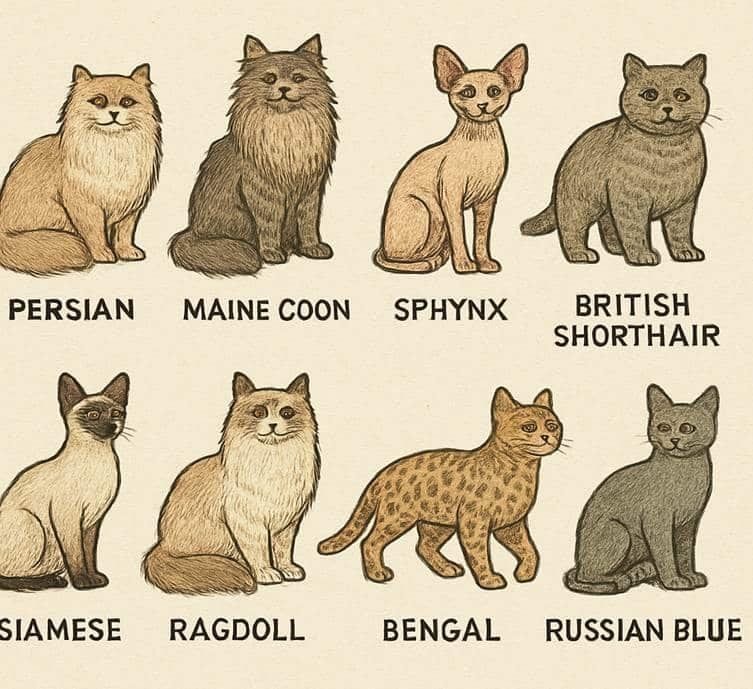
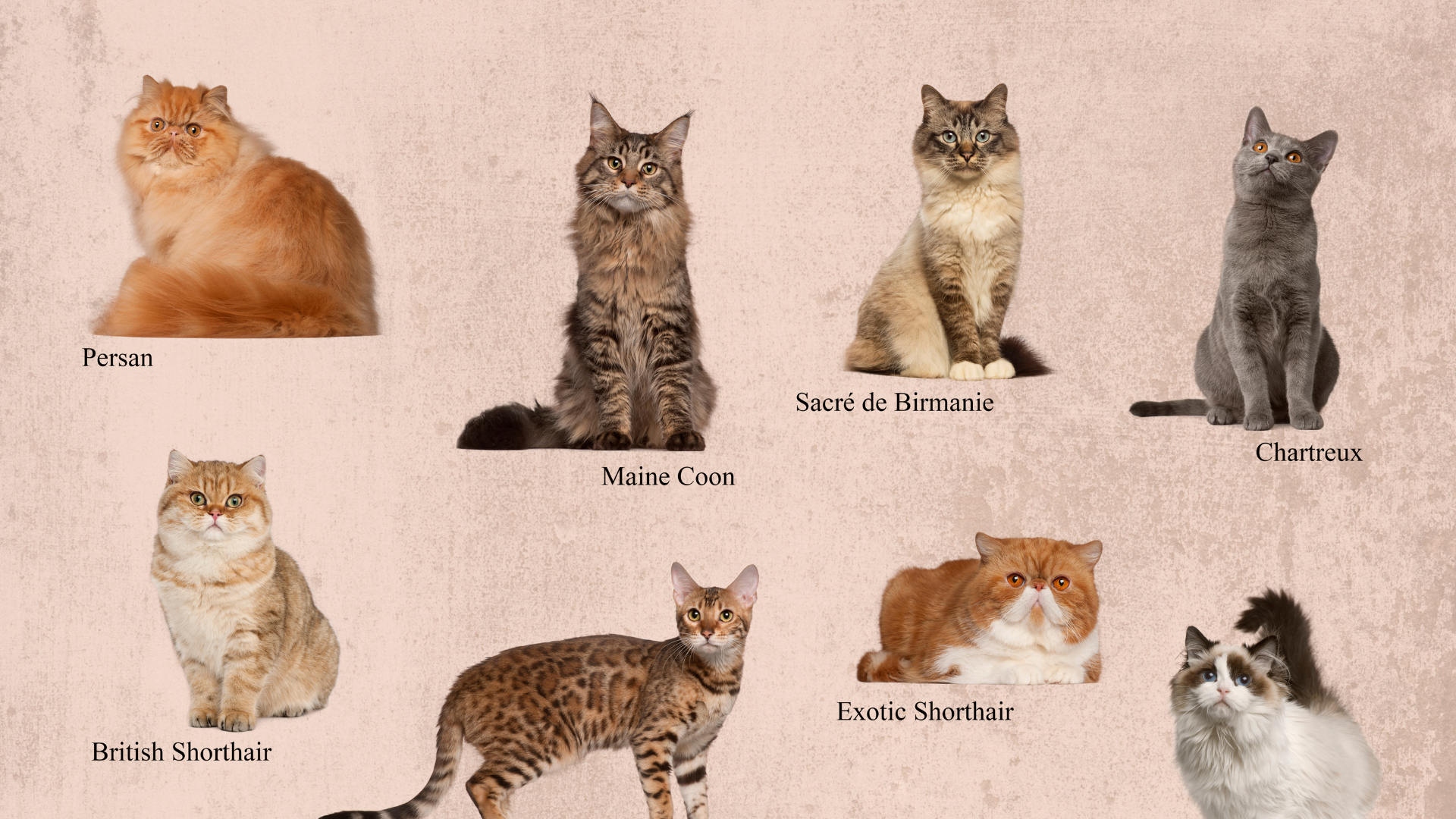
Pedigree cats have clear breed histories and traits. The Siamese is well known for its striking blue eyes and talkative nature. The Persian stands out with a long, soft coat and calm behavior. Maine Coons are large, gentle, and great with children. Each pedigree breed has special needs and care. These cats often show unique looks and strong personalities.
Rare And Exotic Breeds
Rare and exotic cat breeds capture attention with their unusual looks and stories. These cats stand apart from common breeds and often have small populations worldwide. They attract cat lovers who want a unique companion. Understanding these breeds reveals fascinating histories and features.
Less Common Cat Types
Some rare breeds come from isolated places or special breeding programs. Examples include the Kurilian Bobtail, native to Russia and Japan, known for its short tail. The Serengeti cat, bred to look like a wild feline, blends domestic and exotic traits. These cats are rarely found outside their regions or among pet owners.
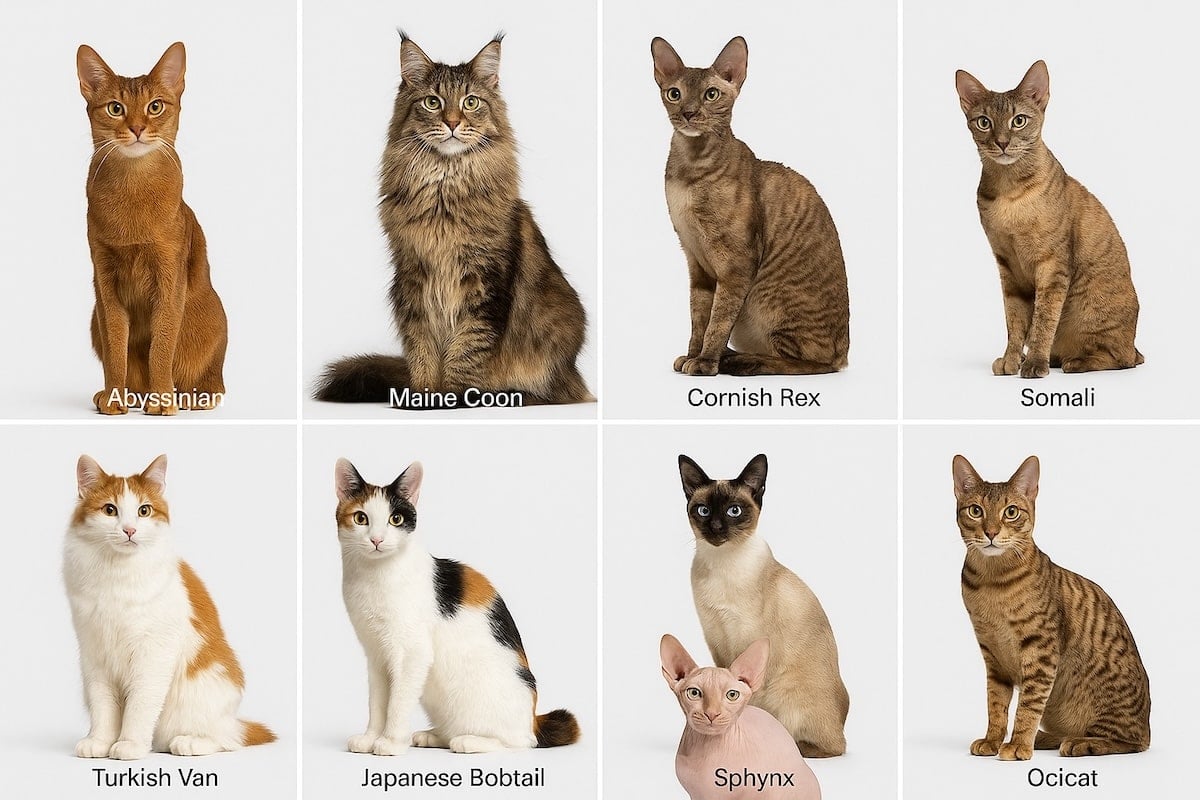
Other less common types include the Sokoke, from Kenya’s forests, and the Turkish Van, famous for its love of water. Each breed has fewer breeders and limited numbers, making them special. These cats often need specific care and attention due to their rarity.
Unique Traits And Origins
Rare breeds often have distinct looks or behaviors. The Peterbald, from Russia, has a slender, hairless body. The LaPerm has curly fur that feels soft to touch. These traits come from unique genetic lines or natural mutations.
The origins of these breeds are as interesting as their appearances. The Minskin, a mix of Munchkin and other breeds, has short legs and a fuzzy coat. The Chausie is a hybrid between a domestic cat and a wild jungle cat. These cats offer a link between domestic pets and wild nature.
Credit: www.goodnaturedbrand.com
Breed Classification Methods
Classifying cat breeds is a careful process. Experts use different methods to group cats. These methods help to understand how breeds differ from each other. Two main ways stand out: by physical traits and by genetics. Each method shows unique details about cat breeds.
Physical Characteristics
Physical traits are easy to see and compare. These include fur length, color, and patterns. Body shape and size also matter. Some cats have short legs, others long. Ear shape and eye color help too. These features help group cats into breeds. People often recognize breeds by how they look.
Genetic Differences
Genetics study the cat’s DNA. This method looks deeper than just appearance. It finds unique gene patterns in each breed. DNA tests show how breeds are related. They can spot breeds that look similar but differ genetically. Genetics give a clear picture of breed history. This helps breeders keep breed traits pure.
Counting Cat Breeds Worldwide
Counting cat breeds worldwide can be tricky. Different groups recognize different breeds. This makes the total number hard to pin down. Some cat breeds are popular everywhere. Others are known only in certain countries.
Knowing how many cat breeds exist helps cat lovers and breeders. It also shows the rich variety of cats around the world. Let’s explore how these numbers are counted.
International Breed Lists
Several big cat organizations keep breed lists. The International Cat Association (TICA) and the Cat Fanciers’ Association (CFA) are well-known examples. Each group approves breeds based on rules and standards.
TICA lists over 70 breeds. CFA recognizes about 44 breeds. These lists guide shows and breeding programs. They also help people identify their cats correctly.
Variations Across Registries
Not all registries agree on breed names or types. Some breeds appear on one list but not on others. Differences in breed recognition come from history and rules.
For example, a cat called “British Shorthair” in one registry might be split into several types in another. Some registries accept new breeds faster. Others take longer to approve them.
This causes the total count of cat breeds to vary. Knowing the registry’s rules helps understand these differences clearly.
Choosing A Cat Breed
Choosing a cat breed is an important step for pet lovers. Each breed has unique traits that affect daily life. Understanding these traits helps pick the best cat for your home and lifestyle. Consider personality and care needs before making a decision.
Temperament And Personality
Every cat breed has a different personality. Some cats are calm and quiet. Others are playful and active. Some breeds love being around people. Others prefer solitude. Knowing these traits helps match a cat to your lifestyle. For example, active families may enjoy energetic breeds. Quiet homes might suit gentle cats better.
Care And Maintenance Needs
Cat breeds vary in their care requirements. Some need regular grooming due to long fur. Others have short coats that need less attention. Certain breeds may have health issues to watch for. Feeding needs can also differ. Understanding these needs helps keep your cat healthy and happy. Choose a breed you can care for easily.
Credit: www.mainecooncentral.com
Frequently Asked Questions
How Many Cat Breeds Exist Worldwide?
There are approximately 70 to 75 recognized cat breeds globally. Different cat associations recognize varying numbers based on breed standards and classifications.
Which Organization Defines Cat Breeds Officially?
The Cat Fanciers’ Association (CFA) and The International Cat Association (TICA) are leading bodies defining cat breeds. They maintain breed standards and organize cat shows.
Are New Cat Breeds Still Being Developed?
Yes, breeders continually develop new cat breeds through selective breeding. This process combines traits to create unique, recognized breeds over time.
Do All Cat Breeds Have Distinct Characteristics?
Each cat breed has unique physical and behavioral traits. These differences include coat patterns, size, temperament, and activity levels.
Conclusion
There are many different cat breeds around the world. Each breed has its own look and personality. Some cats have short hair, while others have long fur. Some breeds are very calm, and others are playful. Knowing about these breeds helps us appreciate cats more.
Cats bring joy and comfort to many homes. Whether you like big or small cats, there is a breed for you. Exploring cat breeds can be fun and interesting. Cats truly are special animals with many varieties to discover.