
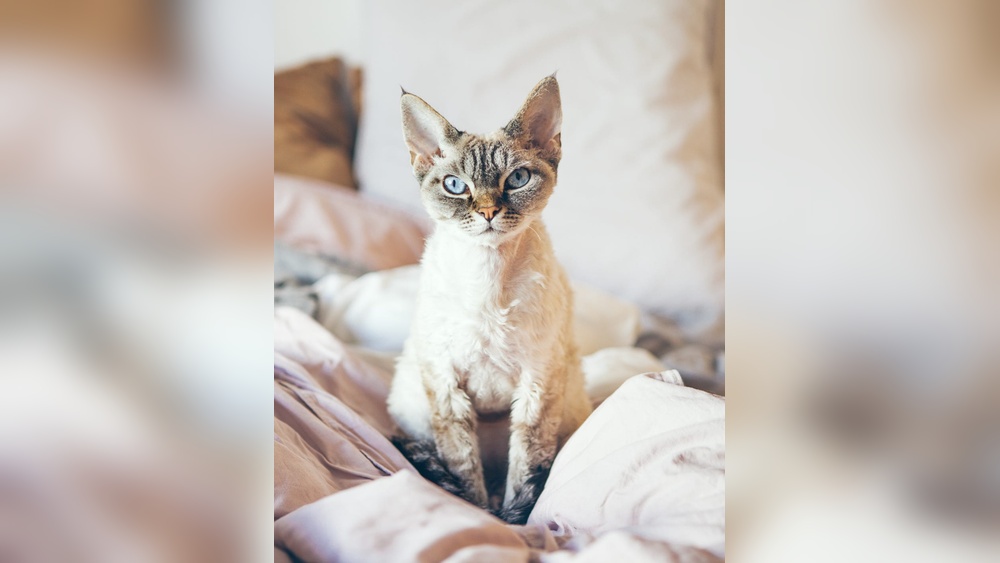
Are you dreaming of having a cat but worried about allergies? You’re not alone.
Many people love cats but struggle with sneezing, itchy eyes, or worse when they’re around furry friends. The good news is, some cat breeds are hypoallergenic, meaning they cause fewer allergy symptoms. Knowing which breeds are easier on your allergies can help you enjoy the companionship of a cat without the discomfort.
Keep reading to discover the top hypoallergenic cat breeds and find the perfect furry friend for your home.
Why Hypoallergenic Cats Matter
Many people love cats but suffer from allergies. These allergies can cause sneezing, itching, and watery eyes. Hypoallergenic cats offer a solution. They produce fewer allergens, making it easier for sensitive people to enjoy a pet.
Choosing a hypoallergenic cat can improve quality of life. It allows allergy sufferers to have a furry friend without constant discomfort. Understanding why these cats matter helps people make better pet choices.
Common Cat Allergens
Cat allergens come from skin flakes, saliva, and urine. The main allergen is a protein called Fel d 1. It sticks to cat fur and skin. When cats groom themselves, this protein spreads onto their fur.
Allergens can become airborne or land on furniture and clothes. This makes it hard for allergy sufferers to avoid them. Some cat breeds produce less Fel d 1, reducing allergic reactions.
Impact On Allergy Sufferers
Allergic reactions can range from mild to severe. Symptoms include sneezing, runny nose, and itchy eyes. Some people may also experience skin rashes or asthma attacks.
Hypoallergenic cats help reduce these symptoms. They allow allergy sufferers to live comfortably with a cat. This improves mental health and reduces stress for many pet owners.
Traits Of Hypoallergenic Cats
Hypoallergenic cats have special traits that make them easier to live with for allergy sufferers. These traits reduce the chances of allergic reactions. Understanding these traits helps people choose the right cat breed for their home.
Fur Types And Shedding
Hypoallergenic cats usually have fur that sheds less. Less shedding means fewer allergens spread around the house. Some breeds have short fur, while others have unique coats that trap allergens. Cats with less fur also produce less dander, the main cause of allergies.
Shedding varies by breed and season. Hypoallergenic cats often shed lightly year-round. This steady, small amount of shedding reduces allergen build-up. Regular grooming helps remove loose fur and dander, keeping allergens low.
Protein Levels In Saliva And Skin
Allergens come from proteins in cat saliva and skin. Hypoallergenic cats produce lower amounts of these proteins. One common allergen is Fel d 1, found in saliva and skin glands. Cats with less Fel d 1 are less likely to trigger allergies.
Some breeds naturally produce less Fel d 1. Less protein means fewer allergens on their fur and skin. This trait helps allergy sufferers enjoy cats without strong reactions. Regular cleaning can also reduce allergen build-up on cats and furniture.
Top Hypoallergenic Cat Breeds
Many people want cats but worry about allergies. Some cat breeds cause fewer allergic reactions. These breeds produce less of the proteins that trigger allergies. Here are some popular hypoallergenic cat breeds. Each has unique traits and a friendly nature.
Siberian
Siberian cats have thick, long fur but low allergen levels. Their coat traps allergens, so less spreads in the air. They are playful and love family time. Siberians adapt well to many homes.
Balinese
Balinese cats have silky, medium-length fur. They produce fewer allergenic proteins than most cats. These cats are smart and social. They enjoy being around people and other pets.
Devon Rex
Devon Rex cats have short, wavy coats that shed little. Their unique fur reduces allergen spread. They are lively and affectionate pets. Devon Rex cats bond closely with their owners.
Cornish Rex
Cornish Rex cats have soft, curly fur with minimal shedding. They produce fewer allergens compared to other cats. These cats are active and love to play. They enjoy attention and interaction.
Russian Blue
Russian Blue cats have short, dense coats that trap allergens. Their saliva contains fewer allergenic proteins. They are calm and gentle companions. Russian Blues often form strong bonds with families.
Sphynx
Sphynx cats have no fur, reducing allergen spread. Their skin requires regular cleaning to remove oils. They are friendly and enjoy human company. Sphynx cats often seek warmth and cuddles.
Oriental Shorthair
Oriental Shorthairs have short, fine coats that shed less. They produce fewer allergens than many breeds. These cats are curious and talkative pets. They thrive in active homes with interaction.

Credit: www.happypawsus.com
Choosing The Right Hypoallergenic Cat
Finding a hypoallergenic cat can ease allergy symptoms for many people. Not all hypoallergenic cats suit every home. Think about your daily life and needs before choosing a breed.
Some cats need more attention and care than others. Picking the right breed helps build a strong bond and keeps allergies low.
Lifestyle Considerations
Consider your living space size. Some cats need more room to roam. Others do well in small apartments. Activity level matters too. Active breeds need playtime daily. Calm breeds suit quiet homes better.
Time for grooming is important. Some hypoallergenic cats shed less but still need brushing. Think about your schedule and how much time you can spend on care.
Allergy Testing Before Adoption
Allergy testing can show how your body reacts to cats. Visit an allergist or pet store that allows testing. Spend time with the cat to check symptoms.
Testing helps avoid surprises after adoption. Even hypoallergenic breeds can cause allergies in some people. This step saves time and heartache.
Managing Allergies With Cats
Managing allergies with cats can be challenging but not impossible. Some cats cause fewer allergy problems than others. Taking simple steps helps reduce allergy symptoms. A clean home and careful grooming make a big difference. Creating spaces that limit allergens also helps keep symptoms low.
Cleaning And Grooming Tips
Regular cleaning removes cat hair and dander. Use a vacuum with a HEPA filter to trap tiny particles. Wash your cat’s bedding often in hot water. Brush your cat daily to reduce loose fur. Grooming outside the house lowers indoor allergens. Wipe your cat’s fur with a damp cloth sometimes.
Creating Allergy-friendly Spaces
Keep some rooms off-limits to your cat. Choose hard floors instead of carpets. Hard floors do not trap allergens as much. Use air purifiers with HEPA filters in common areas. Open windows to let fresh air in. Change air filters regularly in your home. Keep furniture and curtains clean and allergen-free.

Credit: www.thepioneerwoman.com

Credit: talis-us.com
Frequently Asked Questions
What Cat Breeds Are Truly Hypoallergenic?
Breeds like the Siberian, Balinese, and Sphynx produce fewer allergens. They are better suited for allergy sufferers. However, no cat breed is 100% hypoallergenic.
How Do Hypoallergenic Cats Reduce Allergy Symptoms?
These cats produce less of the Fel d 1 protein. This protein triggers most cat allergies. Lower allergen levels mean fewer symptoms for sensitive individuals.
Are Hypoallergenic Cats Low-shedding?
Most hypoallergenic breeds shed less hair and dander. Less shedding reduces airborne allergens. This helps allergy sufferers breathe easier around these cats.
Can Hypoallergenic Cats Trigger Severe Allergies?
While rare, some people can still react. Individual sensitivities vary widely. It’s best to spend time with a specific breed before adopting.
Conclusion
Hypoallergenic cat breeds help reduce allergy problems. They shed less and produce fewer allergens. Breeds like the Siberian, Balinese, and Sphynx are good choices. Remember, no cat is completely allergen-free. Spending time with a breed before adopting helps. This way, you know how your body reacts.
Enjoying a cat’s company is possible with the right breed. Choose wisely for a happy, healthy home.