

Have you ever wondered just how many cat breeds exist around the world? Whether you’re a cat lover, thinking about adding a feline friend to your home, or simply curious, knowing the variety of cat breeds can surprise you.
From fluffy to sleek, tiny to large, each breed has its own unique charm and personality. Keep reading, and you’ll discover the fascinating range of cat breeds—and find out which one might be the perfect match for you.
Global Cat Breed Count
The world of cats is rich and varied. Many people wonder how many cat breeds exist worldwide. The answer depends on who counts and what rules they follow. Different organizations recognize different numbers of breeds. This makes the total breed count a bit tricky to pin down.
Cat breeds grow as new types are discovered or developed. Some breeds come from natural origins. Others result from careful breeding by humans. This variety adds to the challenge of counting all breeds globally.
Official Breed Registries
Official cat breed registries keep track of recognized breeds. They set the standards for each breed’s look and traits. The International Cat Association (TICA) and the Cat Fanciers’ Association (CFA) are two major registries. Each lists a unique number of breeds. For example, CFA recognizes about 44 breeds. TICA lists over 70 breeds. These numbers can change as new breeds get accepted.
Variations In Breed Recognition
Breed recognition varies between countries and groups. Some breeds are accepted in one registry but not in another. Different rules and criteria cause these differences. Some regions have unique breeds not known globally. This affects how many breeds are counted worldwide. The breed count also changes with new discoveries and breeding trends. So, the total number of cat breeds is always moving.
Popular Cat Breeds Worldwide
Cats have captured hearts all over the world. People love their unique looks and friendly nature. There are many cat breeds, each with its own charm and style. Some breeds are common and easy to find. Others are rare and special. Understanding popular cat breeds helps people choose the right pet. It also shows how diverse the cat family is.
Top Domestic Breeds
Domestic cats come in many shapes and sizes. The most popular breeds include the Persian, known for its long fur and calm personality. The Maine Coon stands out with its large size and thick coat. Siamese cats are famous for their striking blue eyes and vocal nature. The British Shorthair has a round face and dense fur. These breeds are loved for their friendly and easygoing behavior. They adapt well to family life and indoor living.
Exotic And Rare Breeds
Exotic cat breeds are less common but highly admired. The Sphynx is known for its hairless body and playful spirit. Bengal cats have a wild look with spotted coats. The Scottish Fold has unique folded ears that make it very cute. Rare breeds often have special needs and traits. They attract cat lovers who want something different. These cats bring excitement and variety to the world of pets.
New Breeds Emerging
New cat breeds continue to appear as breeders explore unique traits and patterns. These fresh breeds add diversity to the feline world. They often combine qualities from existing breeds or show natural mutations.
Developing a new breed takes time and effort. Breeders must ensure the cats have stable traits and good health. This process involves many generations and careful selection.
Recent Breed Developments
Several new cat breeds have gained recognition recently. The Lykoi, also known as the Werewolf cat, stands out for its unusual coat. It has a sparse, patchy fur that looks wild and unique.
The Dwelf is another recent breed. It combines traits from the Munchkin, Sphynx, and American Curl. This breed has short legs, curled ears, and mostly hairless skin.
Breeds In Development Stage
Some breeds are still in the development phase. Breeders work to stabilize their looks and personalities. The Serengeti cat is one example. It aims to resemble a wild African cat but with a gentle nature.
The Bambino is another breed being developed. It combines the hairless trait with short legs. These breeds may become officially recognized in the future.
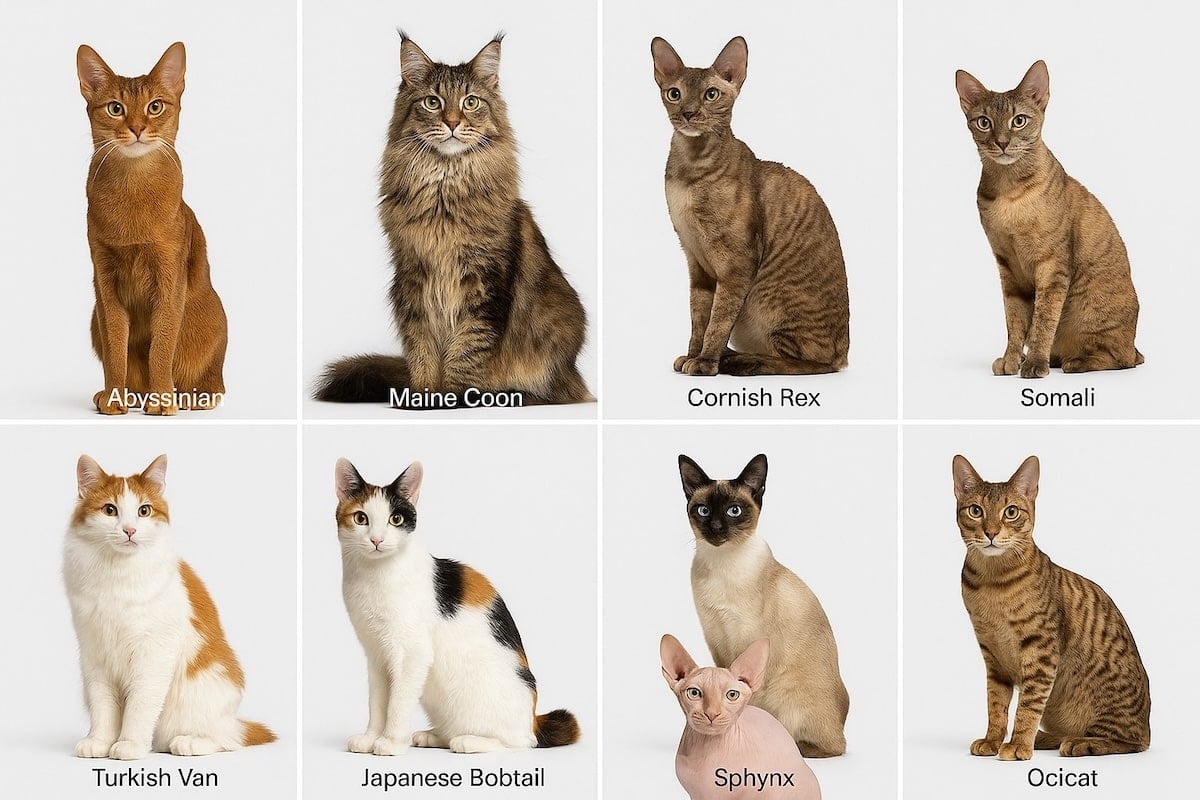
Credit: www.mainecooncentral.com
Breed Classification Criteria
Classifying cat breeds depends on several key factors. These factors help experts group cats into different breeds. They focus on what makes each breed unique. Understanding these criteria helps explain how many breeds exist.
Physical Traits
Physical traits are the most visible signs of a breed. These include size, coat color, and fur pattern. Eye shape and ear size also matter. Some breeds have long hair, others short. Body shape can be slender or stocky. These traits help identify a breed quickly.
Behavioral Traits
Behavior is another way to classify cat breeds. Some cats are very playful and active. Others are calm and quiet. Social behavior varies too; some enjoy people a lot. Hunting style and vocal sounds also differ. These traits show the cat’s personality and breed type.
Genetic Factors
Genetics play a key role in breed classification. Experts look at DNA to find breed origins. Genetic tests reveal inherited traits and health risks. This helps separate similar-looking cats into breeds. Genetics provide a clear picture beyond looks and behavior.
Regional Breed Variations
Cat breeds vary widely across different parts of the world. Each region has unique breeds shaped by climate, culture, and history. These regional variations add to the rich diversity of cats we see today. Understanding these breeds helps appreciate their special traits and origins.
Breeds Native To Asia
Asia is home to many ancient and rare cat breeds. The Siamese cat, famous for its sleek body and blue eyes, comes from Thailand. The Japanese Bobtail is known for its short, kinked tail and playful nature. Another example is the Korat from Thailand, admired for its silver-blue coat and heart-shaped face. These breeds often have deep cultural significance in their countries.
European Cat Breeds
Europe has a rich history of cat breeding. The British Shorthair, with its round face and dense coat, is a popular European breed. The Russian Blue stands out with its shimmering blue-gray fur and green eyes. The Maine Coon, though originally from America, has close ties with European breeds. European cats often have sturdy builds and calm temperaments.
Breeds From The Americas
The Americas offer a variety of unique cat breeds. The American Shorthair is known for its strong body and gentle personality. The Maine Coon, one of the largest domestic cats, is native to the northeastern United States. The Havana Brown, with its rich brown coat, is a rare breed from the U.S. These cats adapt well to different climates and homes.
How Breed Counts Change Over Time
The number of cat breeds changes over time. New breeds appear. Some breeds become less common. This happens because of many reasons. Breeding programs and cat associations play a big role. They decide which cats become official breeds. This affects how many breeds we recognize today.
Impact Of Breeding Programs
Breeding programs help create new cat breeds. Breeders select cats with certain traits. They mate these cats to enhance those traits. Over years, this creates unique breeds. Some breeding programs focus on health. Others focus on appearance or behavior. These programs can increase the total breed count. Some breeds may also disappear if not bred.
Role Of Cat Associations
Cat associations set the rules for breed recognition. They study new breeds carefully. Associations decide which breeds are official. Different associations may recognize different breeds. This causes breed numbers to vary worldwide. Associations update breed lists regularly. This reflects changes in breeding and research. Their role is important in breed counts over time.
Choosing A Breed To Suit Your Lifestyle
Choosing the right cat breed means thinking about your daily life. Cats have many different needs and personalities. Picking a breed that fits your lifestyle helps both you and the cat live happily. Consider how active you are, how much time you have for grooming, and the kind of temperament you prefer.
Activity Levels
Some cats love to play and run around all day. Others enjoy quiet time and naps. Active breeds need more toys and space to explore. Calm cats fit well in small apartments or quiet homes. Think about how much energy you have to match your cat’s activity.
Grooming Needs
Long-haired cats need daily brushing to avoid mats. Short-haired cats usually need less grooming. Some breeds shed a lot, which may bother allergy sufferers. Grooming also means checking ears, teeth, and nails. Choose a breed with grooming needs you can handle easily.
Temperament
Cats have different personalities. Some are very social and love attention. Others prefer being alone most of the time. Some breeds are more patient with children and other pets. Knowing your preferred temperament helps you find a cat that fits your home. This keeps your cat happy and relaxed.

Credit: www.purina.com

Credit: www.amazon.com
Frequently Asked Questions
How Many Recognized Cat Breeds Exist Worldwide?
There are approximately 70 to 75 recognized cat breeds globally. Different cat associations may list slightly varying numbers. The International Cat Association (TICA) and Cat Fanciers’ Association (CFA) are key authorities. They recognize around 70 breeds based on distinct traits and lineage.
Which Cat Breed Is The Most Popular Worldwide?
The Persian cat is one of the most popular breeds worldwide. Known for its long fur and calm demeanor, it appeals to many cat lovers. Other popular breeds include the Maine Coon and Siamese, each valued for unique personalities and appearances.
How Are New Cat Breeds Officially Recognized?
New cat breeds gain recognition through breed standards and breeding programs. Associations require consistent traits over generations. Breeders submit documentation and evidence for approval. Recognition ensures breed authenticity and helps maintain genetic health.
Do All Cat Breeds Have Unique Personalities?
Yes, each cat breed tends to have distinct personality traits. Some breeds are more playful, while others are calm or social. Understanding breed characteristics can help owners choose cats that fit their lifestyle.
Conclusion
Cat breeds vary widely in looks and personality. Over 70 recognized breeds exist worldwide today. Each breed has unique traits that appeal to different people. Choosing the right cat depends on your lifestyle and preferences. Exploring these breeds can help you find a perfect pet match.
Cats bring joy and comfort in many ways. Knowing the total number of breeds shows how diverse and special cats truly are. Enjoy discovering the many types and their charming qualities.