

Are you passionate about cats and dreaming of turning that love into a rewarding hobby or career? Becoming a breeder of cats might be the perfect path for you.
But it’s not just about having cute kittens—it takes knowledge, responsibility, and dedication. In this guide, you’ll discover the essential steps to start breeding cats the right way. From choosing the best breeds to caring for your cats and finding loving homes for their kittens, you’ll learn everything you need to know.
Ready to take the first step toward becoming a successful cat breeder? Keep reading—your journey starts here.
Choosing The Right Cat Breed
Choosing the right cat breed is the first step to becoming a successful cat breeder. The breed you select affects your breeding goals, the care you provide, and the cats’ health. Each breed has unique traits and needs. Understanding these helps you pick the best fit for your situation.
Focus on breeds that match your interests and resources. This choice shapes your breeding journey and the cats you raise.
Popular Breeds For Breeding
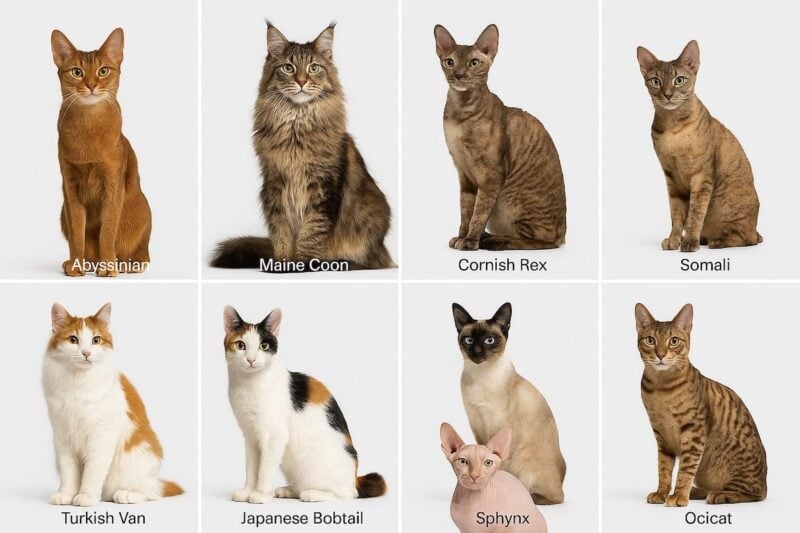
Some cat breeds are popular among breeders due to their friendly nature and good health. Siamese cats are known for their striking looks and vocal personality. Maine Coons are large, gentle, and great with families. Persian cats have long, beautiful fur and calm temperaments. British Shorthairs are sturdy and easy to care for. Choosing a popular breed can attract more buyers and make breeding easier.
Traits To Consider
Look at the cat’s temperament, health, and physical features. Temperament affects how cats interact with people and other pets. Good health means fewer vet visits and healthier kittens. Physical features like coat type and color patterns are important for breed standards. Also, consider the cat’s lifespan and genetic history. These traits help maintain breed quality and ensure happy cats.
Matching Breeds To Your Goals
Define your breeding goals clearly. Do you want show cats, pets, or rare breeds? Show cats need strict adherence to breed standards. Pet breeders focus on friendly and healthy cats. Rare breeds require special knowledge and care. Match the breed’s traits to what you aim to achieve. This focus keeps your breeding efforts clear and successful.
Setting Up A Breeding Space
Setting up a proper breeding space is essential for the health and well-being of your cats. This space needs to be safe, clean, and comfortable. It should support the natural behavior of cats and allow them to thrive. A well-prepared area helps reduce stress and prevent illness.
Creating A Safe Environment
Choose a quiet room away from loud noises and heavy traffic. Make sure the room has good ventilation but no drafts. Remove harmful items like sharp objects or toxic plants. Secure windows and doors to prevent escapes. Use soft bedding to protect kittens and adult cats.
Necessary Supplies And Equipment
Provide separate litter boxes for each cat. Use shallow ones for kittens and covered ones for adults. Have food and water bowls that are easy to clean. Include heating pads or lamps if the room is cold. Stock up on grooming tools, toys, and scratching posts.
Maintaining Cleanliness And Comfort
Clean litter boxes daily to avoid odors and infections. Wash bedding and towels regularly. Wipe floors and surfaces with pet-safe cleaners. Keep the room dry and at a steady temperature. Check cats often for signs of discomfort or illness.
Health And Genetics
Health and genetics play a big role in cat breeding. Healthy cats produce strong kittens. Understanding genetics helps avoid health problems in future litters.
Good breeders focus on the health of parent cats. They screen for diseases and keep vaccinations up to date. This care protects both cats and kittens.
Screening For Genetic Disorders
Genetic disorders affect many cat breeds. Testing parent cats helps find these issues early. Tests are simple and can save many health problems.
Breeders should work with vets to screen cats. Only breed cats free from serious genetic conditions. This step improves the health of the breed.
Vaccinations And Veterinary Care
Vaccinations protect cats from common diseases. Keep vaccinations current for all breeding cats. Regular vet visits catch health issues early.
Healthy cats make healthier kittens. Follow vet advice on nutrition and care. Good care reduces risks during pregnancy and birth.
Understanding Cat Genetics Basics
Genetics controls traits like fur color and health risks. Learn simple genetic rules to plan breeding. Choose pairs that reduce the chance of problems.
Study breed standards and family history. This knowledge helps select the best cats to breed. A strong genetic foundation builds better litters over time.
Selecting Breeding Cats
Selecting the right cats for breeding is a key step. It sets the foundation for healthy kittens. Careful choices help maintain breed quality. Focus on traits that promote good health and behavior. This section guides you on what to check before breeding.
Evaluating Temperament And Health
Choose cats with calm and friendly temperaments. Aggressive or shy cats may pass on these traits. Observe how they interact with people and other animals. Check for any signs of illness or genetic issues. Healthy cats have clear eyes and clean fur. Regular vet visits confirm their good health.
Age And Breeding Readiness
Breeding cats must be mature but not too old. Females usually start at one year old. Males can breed a bit later. Avoid breeding cats younger than this age. Older cats might face health risks during pregnancy. Ensure cats show physical signs of readiness. This reduces complications and supports healthy births.
Pedigree And Lineage Importance
A strong pedigree helps maintain breed standards. It shows the cat’s family history and traits. Avoid close relatives to prevent genetic problems. Look for cats with good lineage and traits. This improves the chances of healthy and beautiful kittens. Keep records of pedigrees for future reference.
Breeding Process
The breeding process is an important part of becoming a cat breeder. It involves careful planning and attention to detail. Knowing the right steps helps ensure healthy kittens and happy cats.
Each stage needs focus, from mating to birth. Understanding these stages helps you prepare well and care for your cats properly.
Mating Techniques And Timing
Choosing the right cats is the first step. Healthy cats with good traits make better parents. Timing is key. Female cats are ready to mate during their heat cycle. This cycle happens every few weeks in spring and summer.
Observe the female for signs like increased affection and vocalizing. Introduce the male gently and watch their behavior. Mating can take time and may need several attempts.
Monitoring Pregnancy
After mating, monitor the female for pregnancy signs. She may eat more and become quieter. A vet can confirm pregnancy through ultrasound or palpation.
Keep the mother cat comfortable and stress-free. Provide nutritious food and fresh water. Regular vet check-ups help track health and catch problems early.
Preparing For Birth
Set up a quiet, warm space for the mother cat. Use a box with soft bedding. Prepare clean towels and a heating pad if needed.
Learn about the signs of labor, like restlessness and nesting. Have your vet’s contact ready in case of problems. Stay calm and offer gentle care during birth.

Credit: www.amazon.com
Caring For Kittens
Caring for kittens is a vital part of becoming a cat breeder. It ensures the kittens grow healthy and strong. Proper care also helps build trust between you and the kittens. This care begins right after birth and continues through their early weeks.
Neonatal Care And Feeding
Newborn kittens need warmth and constant care. Their mother’s milk provides all needed nutrients. If the mother is not available, use kitten milk replacer. Feed the kittens every two to three hours. Keep their bedding clean and dry. Monitor their weight daily to check growth. Avoid sudden temperature changes around them.
Socialization And Development
Socializing kittens early helps them become friendly adults. Handle them gently for a few minutes each day. Let them hear different sounds and see new sights. Play with them using soft toys to encourage movement. This builds their confidence and reduces fear. Watch for signs of stress and comfort them quickly.
Weaning And Early Training
Start weaning kittens at about four weeks old. Offer soft, wet kitten food alongside milk. Gradually increase solid food while reducing milk feedings. Teach them to use a litter box early on. Begin basic training such as gentle handling and quiet behavior. Keep training sessions short and positive. This helps form good habits for life.
Marketing And Selling Kittens
Marketing and selling kittens is an important step for every cat breeder. It helps you find good homes for your kittens. It also builds trust with buyers. Success in this area means happy cats and happy owners.
Finding Responsible Buyers
Focus on buyers who love cats and understand their needs. Ask questions about their home and lifestyle. Make sure they can care for a kitten properly. Responsible buyers keep kittens safe and healthy. They also stay in touch for advice or support.
Pricing And Contracts
Set a fair price based on breed, health, and care costs. Avoid too low or too high prices. Use clear contracts to protect both parties. Include terms about health guarantees, spaying, and returning the kitten if needed. Contracts help prevent misunderstandings and keep kittens safe.
Building A Reputation
Good reviews and word of mouth bring more buyers. Treat every buyer with respect and honesty. Share photos and updates about your kittens online. Join cat breeder groups to connect with others. A strong reputation means trust and steady sales.
Legal And Ethical Considerations
Starting a cat breeding business requires understanding legal and ethical rules. These rules protect cats and breeders. Following them helps keep cats healthy and happy. It also builds trust with buyers and the community. Knowing these rules prevents problems with the law and saves money.
Licensing And Regulations
Most places need breeders to have a license. Licensing ensures breeders meet local rules. Rules may cover how many cats you can have. Some areas require inspections of your breeding space. You must follow health and safety standards. Check local laws before starting breeding. This avoids fines or closure of your business.
Ethical Breeding Practices
Ethical breeding means caring for cats properly. Avoid breeding cats with health problems. Use only healthy cats for breeding. Provide good food, clean water, and safe homes. Socialize kittens to help them grow confident. Never breed cats too young or too often. Ethical breeders work to improve the cat breed.
Record Keeping And Documentation
Keep clear records of all cats and kittens. Record birth dates, health checks, and vaccinations. Track breeding pairs and kitten sales. Documentation helps prove your breeding is legal. It also helps find lost cats or health issues. Good records show you are a responsible breeder.
Continuous Learning And Networking
Becoming a successful cat breeder requires ongoing learning and building connections. The world of cat breeding changes often. Staying informed helps you provide the best care and improve your breeding skills. Meeting other breeders and experts expands your knowledge and support network.
Joining Breeder Associations
Breeder associations offer many benefits. They provide access to resources and expert advice. Joining these groups connects you with experienced breeders. Associations often set ethical standards for breeding. Following these standards helps maintain your reputation. Members get newsletters and updates on breeding topics.
Attending Shows And Events
Cat shows and events are great for networking. You see different cat breeds and meet breeders face-to-face. These events teach about breed standards and health issues. Talking to other breeders gives practical tips. Observing shows helps you understand what judges look for. It builds your confidence and passion.
Staying Updated On Best Practices
Breeding methods and health care improve over time. Reading books, articles, and research keeps you current. Online forums and webinars offer easy access to new information. Learning about nutrition, genetics, and disease prevention is key. Applying updated knowledge ensures healthier cats. Continuous learning leads to better breeding results.

Credit: www.catbreedingforbeginners.com
Credit: www.mainecooncentral.com
Frequently Asked Questions
What Qualifications Do I Need To Become A Cat Breeder?
To become a cat breeder, you need knowledge of cat genetics, health, and care. Experience with breeding practices and a passion for cats are essential. Certifications or membership in cat breeding associations can enhance credibility.
How Do I Choose The Right Cats For Breeding?
Select healthy cats with strong pedigrees and desirable traits. Ensure both cats have no hereditary diseases. Consider temperament, breed standards, and compatibility to produce quality kittens.
What Legal Requirements Apply To Cat Breeding?
You must comply with local animal welfare laws and licensing regulations. Some areas require breeder permits or registration. Always follow ethical breeding standards and keep accurate records.
How Can I Ensure The Health Of Breeding Cats?
Provide regular veterinary check-ups, proper nutrition, and vaccinations. Monitor for genetic disorders and maintain a clean environment. Early health screening helps prevent passing diseases to kittens.
Conclusion
Becoming a cat breeder takes time, care, and patience. You must learn about cat health and genetics first. Finding good homes for kittens is very important. Always treat your cats with love and respect. Keep learning and improving your skills every day.
This work brings joy and responsibility together. Start small and grow your knowledge step by step. Breeding cats can be a rewarding experience when done right. Stay committed and enjoy the journey ahead.