
Have you ever wondered if your cat has a special time of year when she’s more likely to have kittens? Understanding if cats have a breeding season can help you take better care of your furry friend and avoid surprises.
Whether you’re a new cat owner or just curious, knowing the facts about your cat’s natural instincts can make a big difference. Keep reading, and you’ll discover the truth about your cat’s breeding habits and what it means for you.
Credit: www.purina.com
Cat Reproduction Basics
Cats have unique ways of reproducing. Understanding these basics helps you learn about their breeding habits. Cat reproduction involves several stages, from mating to pregnancy and birth. Female cats have special cycles that control when they can become pregnant.
Knowing how cats reproduce helps with care and management. It also explains why cats act differently during certain times of the year. Let’s explore how cats reproduce and the female cat fertility cycle.
How Cats Reproduce
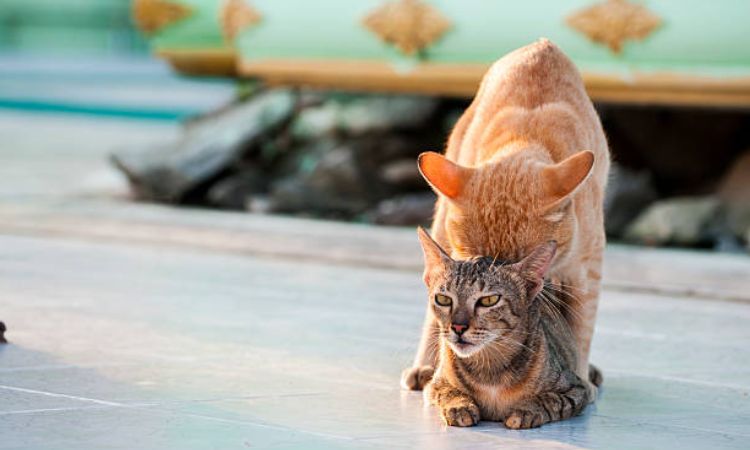
Cats reproduce through mating. Male cats, called toms, find females ready to mate. The mating process is short but intense. After mating, the female can become pregnant. Pregnancy lasts about 63 to 65 days. Female cats usually have several kittens in a litter. The number varies, but four to six is common.
Male cats do not help raise the kittens. The mother cat takes full care of her young. She feeds, cleans, and protects them until they grow stronger. Understanding this helps you know what to expect during cat breeding.
Female Cat Fertility Cycle
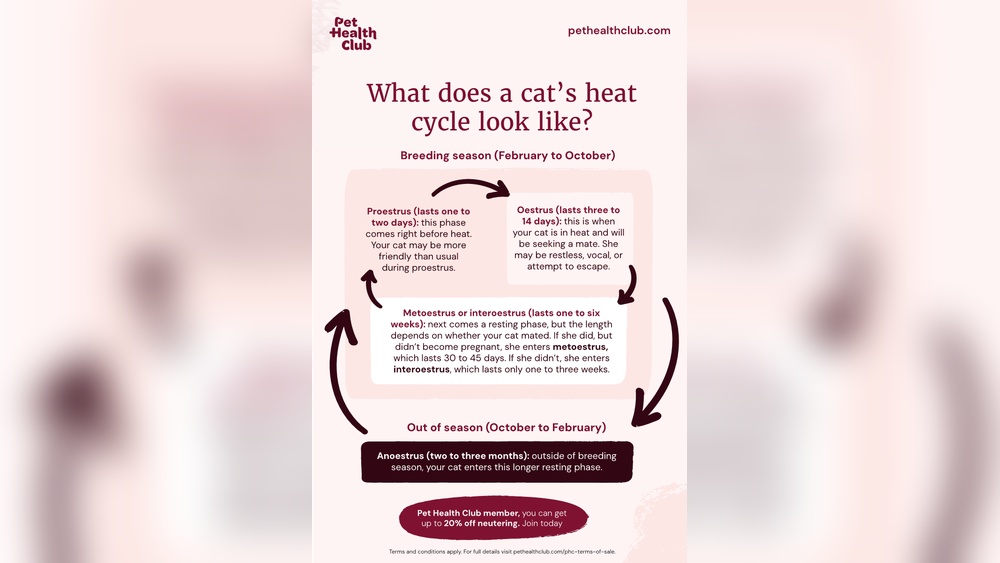
Female cats have a fertility cycle called estrus or heat. This cycle repeats every two to three weeks during breeding season. During heat, females show clear signs. They become more vocal and restless. They may rub against objects and raise their rear end.
The heat cycle lasts about five to ten days. If the female mates during this time, she can get pregnant. If not, the cycle stops for a short time and then starts again. This cycle is different from dogs, which have fewer heat cycles a year.
Credit: nexus-pets.com
Breeding Season Patterns
Cats do not breed all the time. Their breeding happens in certain patterns. These patterns depend on the cat’s environment and biology. Understanding these patterns helps in caring for cats better. It also helps in managing cat populations.
Seasonal Breeders Vs. Year-round
Some cats breed only during specific seasons. These cats are called seasonal breeders. They usually mate in spring or early summer. This timing helps kittens survive in warmer months. Other cats breed throughout the year. These are known as year-round breeders. Domestic cats often fall into this group. They can have several litters in one year. The difference depends on the cat’s breed and where it lives.
Factors Affecting Breeding Season
Light exposure is a major factor in cat breeding. Longer daylight hours trigger heat cycles in cats. Temperature also plays a role. Warmer climates can cause cats to breed all year. Food availability affects breeding as well. Cats with steady food sources may breed anytime. Stress and health status impact breeding chances too. A stressed or sick cat may not go into heat. These factors combine to shape each cat’s breeding pattern.
Signs Of Heat In Cats
Cats show clear signs when they are in heat. These signs help owners know their cat’s breeding status. Recognizing these signs early can prevent unwanted litters and help manage your cat’s behavior better.
Behavioral Changes
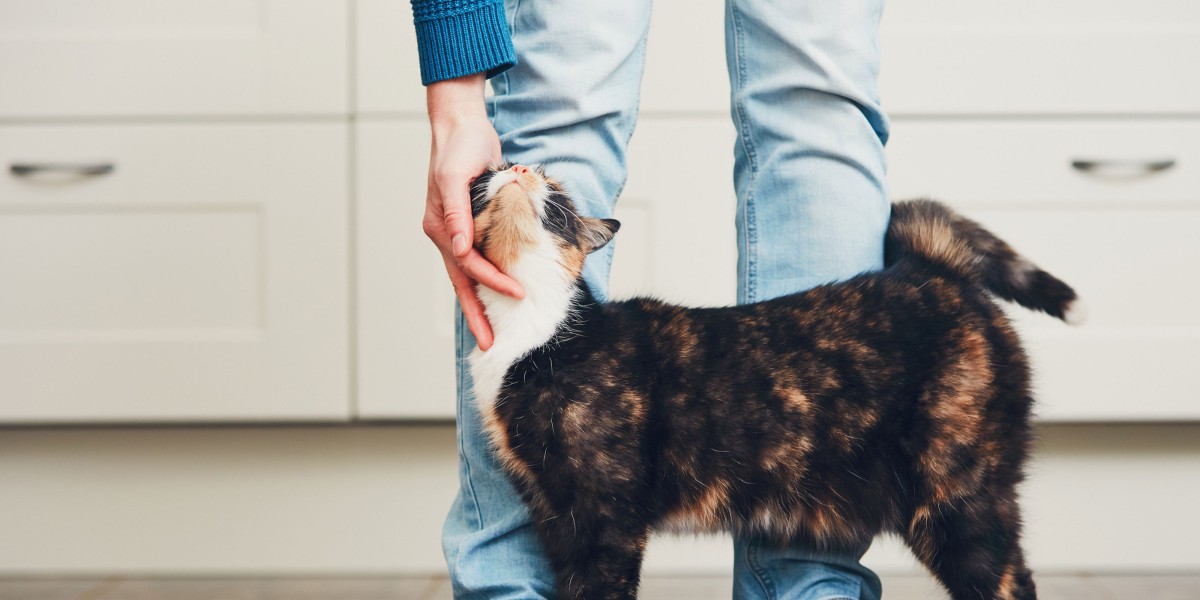
Cats in heat often become more vocal. They may meow loudly and frequently. Some cats become very affectionate, seeking more attention than usual. Others might show restlessness or seem anxious. You may notice your cat rubbing against furniture or people more than normal. These changes usually start suddenly and can last several days.
Physical Symptoms
Physical signs of heat include a swollen or reddened vulva. Some cats may lick this area more often. You might see a slight discharge, which is usually clear and not harmful. Tail position changes are common; cats often hold their tail to the side. These symptoms help confirm your cat is ready to mate. Monitoring these signs can guide your care and decisions.
Breeding Season Timing
Cats do have a specific time when they are most likely to mate. This period is called the breeding season. During these months, female cats are ready to have kittens. Male cats also become more active in seeking mates.
The timing of the breeding season depends on several factors. These include the environment and daylight hours. Understanding this timing helps pet owners and breeders manage cats better.
Typical Months For Breeding
The breeding season usually starts in early spring. It lasts through late fall. In many places, it runs from March to September. Female cats go into heat several times during this period. Each heat cycle lasts about a week.
Outside these months, cats are less likely to mate. Shorter daylight in winter reduces their breeding activity. Some cats may still breed indoors with artificial light. But naturally, their breeding slows down in cold months.
Geographical Influence
Where cats live affects their breeding season. In warmer climates, breeding can happen almost year-round. Cats in tropical areas may have more frequent heat cycles. In colder regions, breeding is limited to warmer months.
Urban cats often have different patterns. Indoor cats may breed at any time due to steady light and temperature. Outdoor cats follow natural seasons more closely. Knowing your cat’s environment helps predict breeding times.
Impact On Cat Owners
Cats do have a breeding season, which affects their owners in many ways. Understanding this season helps owners care better for their pets. It also helps avoid surprises and challenges that come with a cat’s heat cycle.
Owners must be ready to manage their cat’s behavior during this time. The cat may become restless, vocal, and more affectionate. These changes can be stressful for both cats and owners.
Managing Heat Cycles
During a heat cycle, female cats show clear signs of being in heat. They may yowl loudly and try to escape outside. Owners should keep cats indoors to prevent unwanted mating.
Providing a calm and safe space helps reduce stress. Toys and extra attention can distract cats from their restlessness. Regular playtime also helps channel their energy in a positive way.
Preventing Unplanned Litters
Unplanned litters can create many problems for owners. More kittens mean more care, cost, and responsibility. Spaying and neutering cats is the best way to avoid this.
Early surgery stops the heat cycle and prevents pregnancy. It also reduces the risk of certain health issues. Owners save money and avoid the challenges of raising kittens.
Spaying And Neutering Benefits
Spaying and neutering cats offer many important benefits for pets and owners. These procedures help control the cat population. They also improve the health and behavior of cats.
Understanding the advantages of spaying and neutering can help pet owners make good decisions. It supports a healthier life for cats and fewer unwanted litters.
Health Advantages
Spaying female cats stops heat cycles and reduces the risk of infections. It lowers chances of uterine and breast cancer. Neutering male cats prevents testicular cancer. It also reduces prostate problems. Both procedures can help cats live longer, healthier lives.
These surgeries can reduce aggressive behavior and the urge to roam. This lowers the chance of injuries or fights. Cats tend to be calmer after spaying or neutering.
Population Control
Spaying and neutering are key to controlling the cat population. Each year, millions of cats are born without homes. Many end up in shelters or on the streets. This causes suffering and overcrowding in shelters.
By spaying or neutering your cat, you help reduce the number of homeless cats. It prevents unwanted litters and reduces stray populations. Responsible pet care starts with these simple steps.
Breeding Season Myths
Many people believe cats have a strict breeding season. This idea comes from observing wild animals, but domestic cats behave differently. Understanding these myths helps pet owners care for their cats better. Let’s clear up some common myths about cat breeding seasons.
Common Misconceptions
Some think cats only breed in spring or summer. This belief comes from outdoor cats, which respond to daylight changes. Indoor cats can go into heat any time of year. People also assume all cats have regular cycles. In reality, cycles vary by cat and environment.
Another myth is that cats stop breeding in cold months. Cats inside warm homes stay fertile year-round. Many cats can have several litters a year. This leads to unexpected kittens if owners are not careful.
Fact Vs. Fiction
Fact: Domestic cats can breed all year long. Their cycles depend on light, health, and stress. Fiction: Cats only mate in certain seasons. This applies mainly to outdoor or feral cats.
Fact: Indoor cats show heat signs anytime. They are not limited by outdoor conditions. Fiction: Cats need a special breeding season. Cats’ natural biology allows flexible breeding times.
Understanding these facts helps control cat populations. It also guides better care and planning for pet owners.
Credit: www.kinship.com
Frequently Asked Questions
Do Cats Have A Specific Breeding Season?
Yes, most cats have a breeding season, typically in spring and summer. This period is when females go into heat more frequently.
How Long Does A Cat’s Breeding Season Last?
A cat’s breeding season can last several months, usually from early spring to late fall. The length varies by climate and environment.
What Triggers Cats To Enter Breeding Season?
Daylight length is the main trigger for cats entering breeding season. Longer daylight hours in spring stimulate hormonal changes in female cats.
Can Cats Breed Year-round In Warm Climates?
Yes, in warm climates with consistent daylight, cats can breed year-round. Lack of seasonal change allows continuous reproductive cycles.
Conclusion
Cats do have a breeding season, but it can vary. Many cats breed more in spring and summer. This happens because of longer daylight hours. Some cats can have kittens any time of year. Understanding this helps with caring for cats well.
It also helps prevent unwanted litters. Knowing when cats are likely to breed keeps them healthy. Pay attention to your cat’s behavior to spot signs. Breeding seasons affect both wild and pet cats. Keep your cat safe and happy by learning this.