
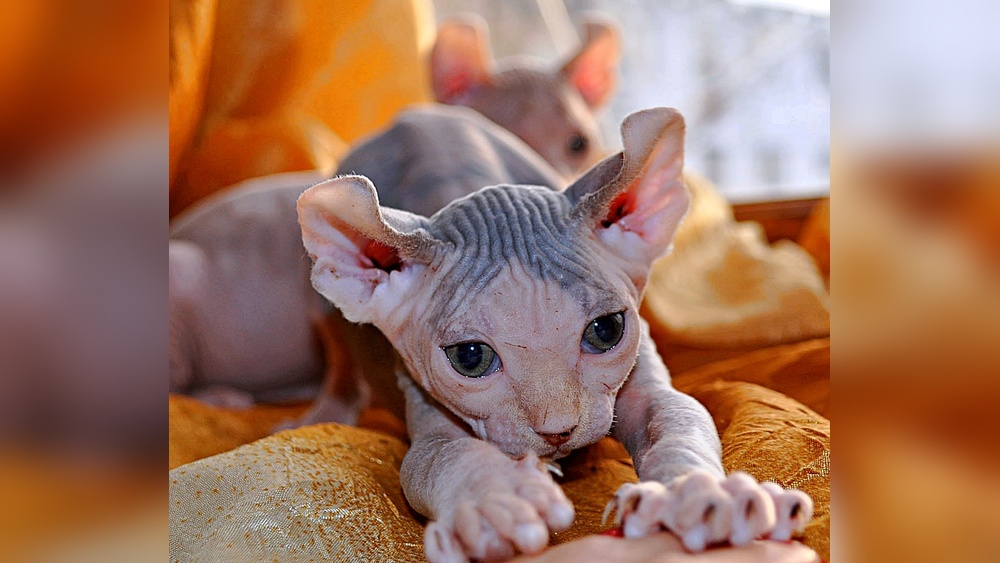
Have you ever wondered how many breeds of hairless cats exist? If you’re curious about these unique, cuddly companions that break all the rules of traditional feline looks, you’re in the right place.
Hairless cats aren’t just one breed—they come in several fascinating varieties, each with its own personality and charm. By the end of this article, you’ll know exactly how many hairless cat breeds there are and what makes each one special.
Ready to discover which hairless kitty might steal your heart? Keep reading!
Credit: paradepets.com
Hairless Cat Breeds
Hairless cats have a unique look that many find fascinating. Their smooth skin and large ears give them a special charm. These cats are not just one breed but several. Each breed has its own traits and personality.
Hairless cats are rare and need special care. Their skin is sensitive and needs protection from sun and cold. Knowing the different breeds helps you understand their needs better.
Sphynx
The Sphynx is the most famous hairless cat breed. It has wrinkled skin and big ears. Sphynx cats are friendly and love to be near people. They are playful and enjoy attention.
Peterbald
Peterbald cats come from Russia. They have a slim body and often a peach-fuzz coat. Some Peterbalds are fully hairless. They are active and curious cats.
Don Sphynx
The Don Sphynx is another Russian breed. It has soft, suede-like skin. This breed is gentle and calm. Don Sphynx cats bond closely with their owners.
Bambino
Bambino cats are a mix of Sphynx and Munchkin breeds. They have short legs and no fur. Bambinos are playful and love cuddles. They need warm places due to their lack of fur.
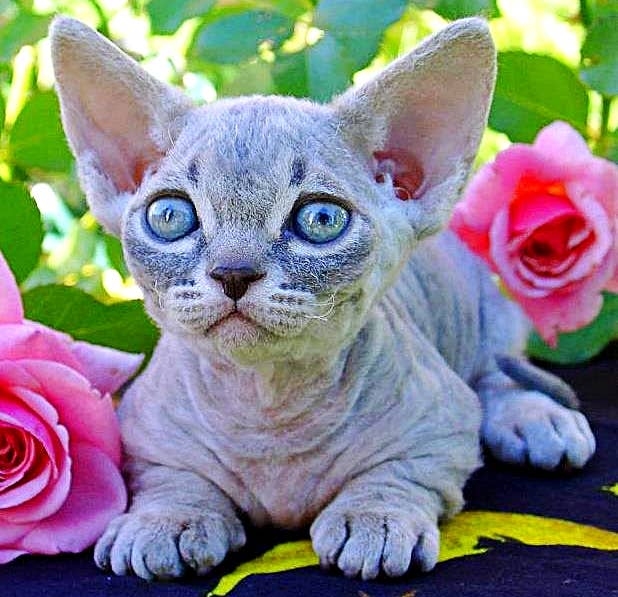
The Ukrainian Levkoy has folded ears and hairless skin. It looks very unique and has a friendly nature. These cats enjoy human company and are quite social.

Credit: www.chipchick.com
Sphynx Cat
The Sphynx cat is the most famous hairless breed. It stands out with its unique look and friendly nature. This cat has a smooth, soft skin that feels warm to touch. People love the Sphynx for its playful and loving attitude. It is a great choice for those who want a cat without fur but with lots of personality.
Origin And History
The Sphynx cat first appeared in Canada in the 1960s. A natural genetic mutation caused the hairless trait. Breeders worked to create a strong, healthy breed. They crossed the hairless cats with other breeds. This helped keep the Sphynx healthy and active. Over time, the breed grew popular worldwide.
Physical Traits
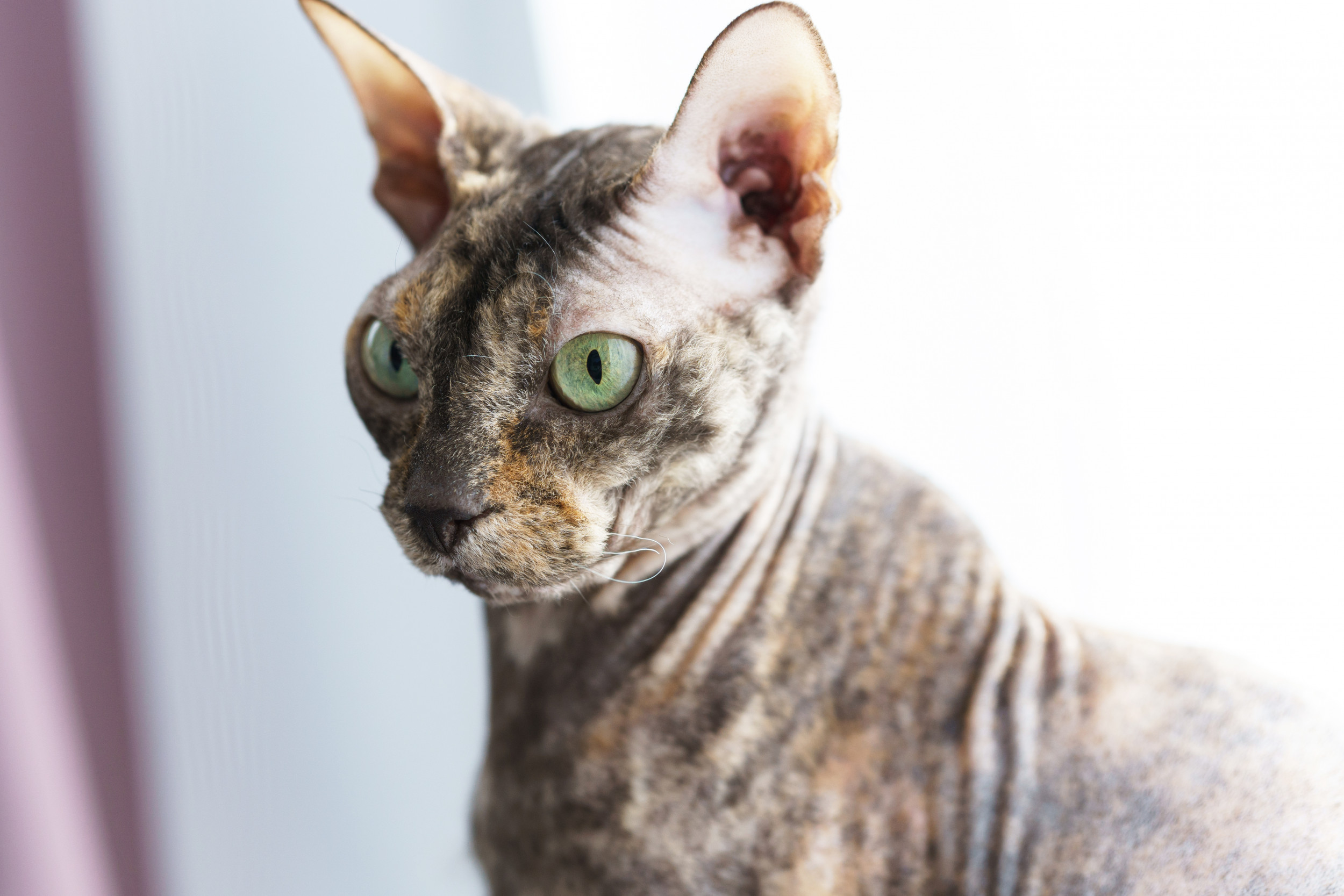
The Sphynx cat has no fur but is not completely bald. It has a fine layer of peach-fuzz like skin. Its body is muscular and medium-sized. Large ears and big eyes give it a curious look. Wrinkles appear on the skin, especially around the face. The skin color can be any cat color or pattern.
Personality And Temperament
Sphynx cats are very social and love attention. They enjoy being with people and other pets. These cats are playful and often act like dogs. They like to explore and follow their owners. Sphynx cats are gentle and rarely shy. They need warmth and comfort because of their skin.
Peterbald Cat
The Peterbald cat is a unique hairless breed from Russia. It stands out with its slender body and elegant look. This breed is a mix of Oriental and hairless cat traits. Many cat lovers appreciate its soft, warm skin and friendly nature.
Breed Development
The Peterbald breed began in the early 1990s. It started with a cross between a Don Sphynx and an Oriental Shorthair. Breeders aimed to create a cat with a hairless coat and slim body. The breed gained official recognition in Russia and Europe. Today, it is popular among hairless cat fans worldwide.
Appearance Variations
Peterbald cats can have different coat types. Some are completely hairless, while others have a thin fuzz. Their skin feels soft and warm to touch. The breed’s body is long and lean. Large ears and almond-shaped eyes give a striking look. Colors and patterns vary widely, adding to their charm.
Behavioral Traits
Peterbald cats are very social and affectionate. They enjoy being around people and other pets. This breed is playful and curious by nature. They often seek warmth and cuddle with owners. Peterbalds are known for their intelligence and quick learning. They adapt well to different homes and lifestyles.
Donskoy Cat
The Donskoy cat is a unique hairless breed from Russia. It stands out because of its smooth skin and friendly nature. This breed has a special charm that many cat lovers enjoy. It is not as common as other hairless cats but has a loyal following. Its appearance and personality make it a fascinating breed to learn about.
Genetic Background
The Donskoy cat’s hairlessness comes from a natural genetic mutation. This mutation is different from the one in the Sphynx cat. The gene responsible is dominant, so kittens often inherit the hairless trait. The breed started in the 1980s in Russia. Breeders worked to develop healthy cats with this unique look.
Coat Types
The Donskoy cat can have different skin textures. Some cats are completely hairless. Others have a fine, peach-fuzz coat. Some kittens may have short, curly fur that falls out as they grow. The skin can feel warm and soft to the touch. This variety makes each Donskoy cat special.
Social Characteristics
Donskoy cats are known for being friendly and playful. They enjoy spending time with people and other pets. These cats are intelligent and curious. They like to explore and interact with their owners. The breed is often described as affectionate and loyal. They do well in active homes where they get attention and care.
Ukrainian Levkoy
The Ukrainian Levkoy is a rare hairless cat breed known for its unique look. It has a smooth, soft skin and folded ears that make it stand out. This breed is a mix of beauty and personality. People who love unusual pets find the Levkoy very interesting.
Creation And Recognition
The Ukrainian Levkoy was created in Ukraine in the early 2000s. Breeders crossed the Scottish Fold with the Donskoy cat. This mix gave the Levkoy its special folded ears and hairless body. The breed is still new and not yet fully recognized worldwide. Some cat clubs accept it, but others are still deciding.
Distinctive Features
The Levkoy has many features that make it unique. Its skin is soft and lacks fur. The ears fold forward and downward. The head is wedge-shaped with high cheekbones. The eyes are large and almond-shaped. Its slender body looks strong and flexible. The skin may have wrinkles, adding charm to its look.
Temperament
Ukrainian Levkoys are friendly and calm cats. They enjoy being close to people. They are playful but not too active. These cats like quiet places and gentle pets. They get along well with other pets and children. The Levkoy loves attention and will follow you around.
Credit: www.newsweek.com
Bambino Cat
The Bambino cat is a unique breed known for its small size and hairless body. It combines traits from two different cats, creating a charming and unusual appearance. This breed is not just about looks; it has a playful and loving nature that makes it a great pet.
Breed Origins
The Bambino cat was first developed in the early 2000s. Breeders crossed the Sphynx, a well-known hairless cat, with the Munchkin, a breed famous for its short legs. The goal was to create a small, hairless cat with a distinct look. This breed is still rare and not widely recognized by all cat groups.
Physical Features
Bambino cats are small with short legs, giving them a cute, squat appearance. Their skin is soft and hairless, often showing wrinkles. They have large ears and wide eyes that add to their expressive faces. Despite no fur, their skin feels warm and smooth to touch.
Personality
Bambino cats are curious and playful. They enjoy interacting with their owners and love to explore their surroundings. These cats are also affectionate and often seek attention. They adjust well to indoor life and enjoy being part of the family activities.
Care Tips For Hairless Cats
Hairless cats need special care to stay healthy and happy. Their unique skin and lack of fur require attention. Taking good care of them helps prevent skin problems and keeps them comfortable. This section covers key tips for their skin, temperature, and diet.
Skin Care
Hairless cats have delicate skin that can dry out easily. Clean their skin gently with a damp cloth once a week. Use mild, cat-safe wipes to remove oils and dirt. Avoid soaps that can irritate their skin. Check for redness or bumps regularly. Apply a vet-approved moisturizer if skin feels dry. Protect them from sunburn by keeping them indoors or using pet-safe sunscreen.
Temperature Regulation
Without fur, hairless cats get cold fast. Provide warm blankets or heated beds for them to snuggle. Keep your home temperature steady, around 70 to 80 degrees Fahrenheit. Avoid drafts and cold floors. In winter, consider cat sweaters made for hairless breeds. Watch for signs of chills like shivering or hiding. In summer, ensure they stay cool and hydrated to avoid overheating.
Diet And Nutrition
Hairless cats burn more calories to stay warm. Feed them high-quality food rich in protein and fat. Balanced nutrition supports their energy needs and skin health. Divide meals into smaller portions throughout the day. Fresh water should always be available. Consult your vet to choose the best diet for your cat’s age and health. Proper feeding helps keep their skin soft and body strong.
Frequently Asked Questions
How Many Hairless Cat Breeds Exist Worldwide?
There are about four main recognized hairless cat breeds globally. These include the Sphynx, Peterbald, Donskoy, and Ukrainian Levkoy. Each breed has unique features but shares the hairless trait. These cats are popular for their distinctive appearance and affectionate nature.
What Makes Hairless Cats Unique Compared To Others?
Hairless cats lack a full fur coat due to genetic mutations. Their exposed skin feels warm and soft to the touch. They require special care like regular bathing to remove oils. Their lack of fur makes them hypoallergenic for many cat lovers.
Are All Hairless Cats From The Same Breed?
No, hairless cats come from several distinct breeds. Each breed originates from different regions and has unique characteristics. For example, the Sphynx is Canadian, while the Donskoy is Russian. Despite differences, all share the hairless trait due to unique genetics.
Why Are Hairless Cats Considered Hypoallergenic?
Hairless cats produce fewer allergens because they have little to no fur. Allergens mainly come from cat saliva and dander trapped in fur. Without a thick coat, allergens spread less in the environment. This makes hairless cats a better option for allergy sufferers.
Conclusion
Hairless cats come in several unique breeds. Each breed has its own look and personality. They need special care because they have no fur. These cats can make great pets for many homes. Knowing the different breeds helps you choose the right one.
Their charm and warmth often surprise new owners. Hairless cats are truly special and worth learning about.