
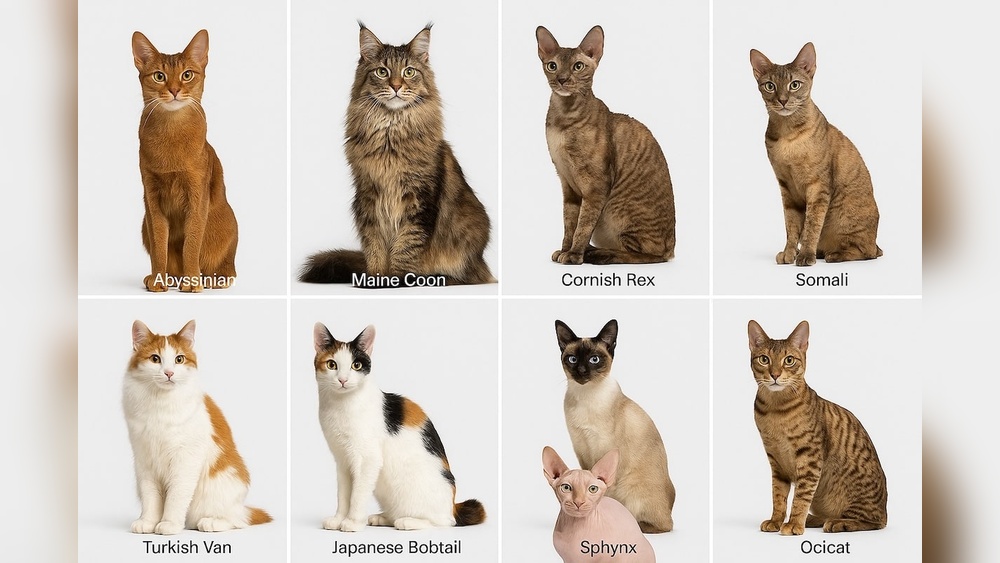
Have you ever wondered if your cat’s breed affects how it acts? Maybe your friend’s Siamese is talkative and playful, while your Persian seems calm and quiet.
Understanding these differences can help you connect better with your furry friend. You’ll discover how various cat breeds behave and what makes each one unique. By the end, you’ll know exactly what to expect from your cat’s personality—and how to make your bond even stronger.
Keep reading to unlock the secrets behind your cat’s behavior!
Breed Traits And Temperaments
Cats come in many breeds, each with unique traits and temperaments. These traits shape how cats act and respond to their surroundings. Understanding breed traits helps owners choose cats that fit their lifestyle. It also helps in caring for cats better.
Temperament varies from calm and quiet to playful and active. Some breeds are more social, while others prefer solitude. These differences come from genetics and breed history.
Personality Patterns Across Breeds
Many breeds show common personality traits. Siamese cats often seek attention and love to talk. Maine Coons are gentle giants, friendly and playful. Persian cats tend to be calm and enjoy quiet time. These patterns help predict how a cat might behave.
Some breeds need more exercise and mental activity. Others prefer resting and less stimulation. Knowing these patterns helps in training and bonding with cats.
Influence Of Genetics On Behavior
Genetics plays a big role in cat behavior. Traits passed through generations affect how cats act. Hunting skills, social behavior, and energy levels link to genes. Breeds developed for specific jobs, like hunting or guarding, show related behaviors.
Genetic makeup also affects health and mood. Some breeds are more prone to anxiety or shyness. Understanding genetics helps owners manage behavior and health better.

Credit: www.newsweek.com
Active Vs. Laid-back Cats
Cats have different energy levels depending on their breed. Some cats are full of energy and love to play all day. Others prefer to relax and take it slow. Understanding these differences helps in choosing the right cat for your home and lifestyle.
High-energy Breeds
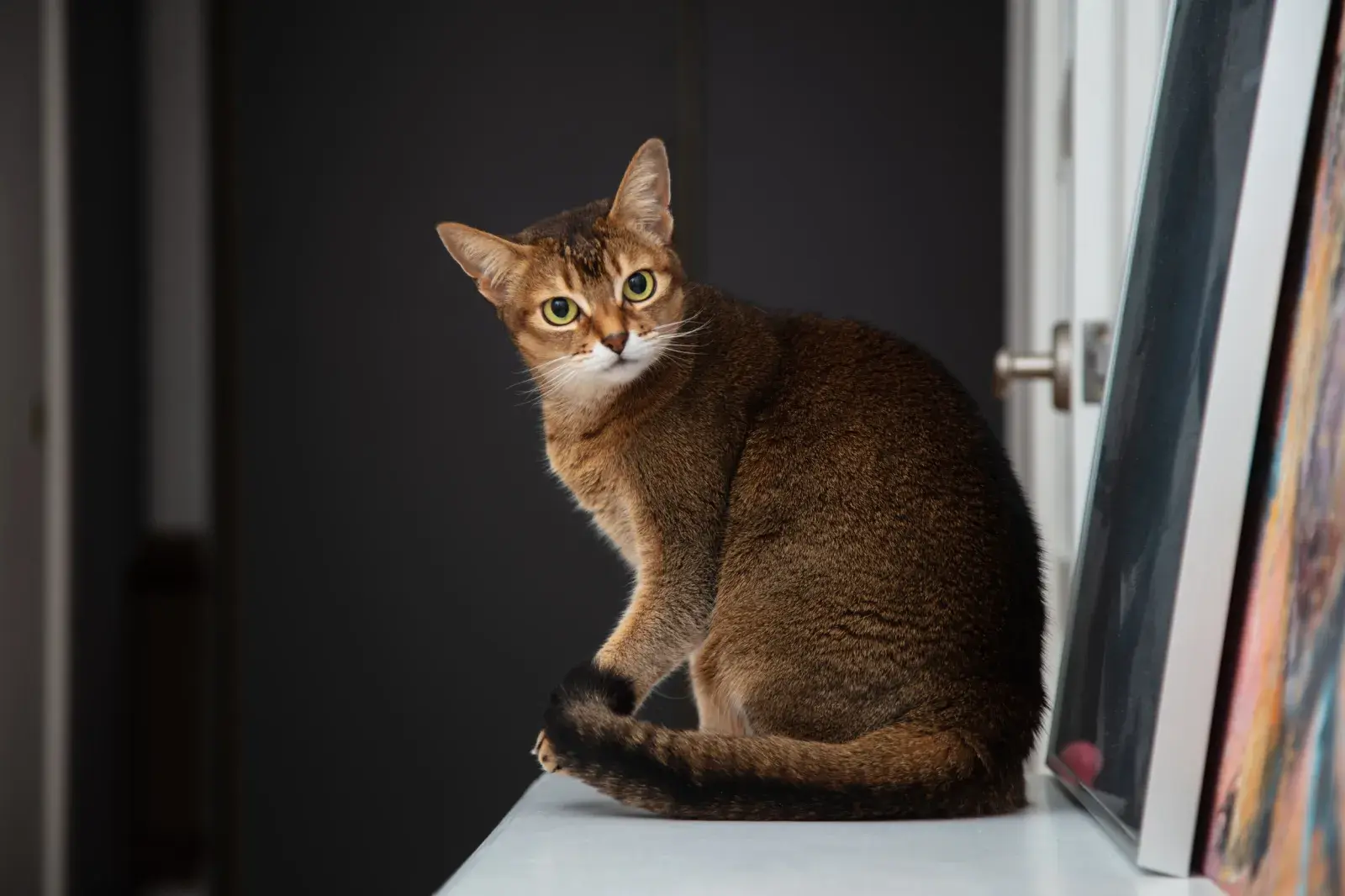
Some cat breeds are very active and curious. They need lots of playtime and mental stimulation. Bengals and Abyssinians are examples. These cats enjoy climbing, chasing, and exploring. They often get bored without enough toys or activity. Owners should be ready to engage with them often.
Calm And Reserved Breeds
Other breeds are calm and enjoy quiet time. Persian and British Shorthair cats are known for their relaxed nature. They like sitting by the window or resting on a soft bed. These cats are less demanding of attention. They fit well in homes that prefer a peaceful pet.
Social Interaction Styles
Cats show many styles of social interaction. Each breed has its own way of connecting with people. Understanding these styles helps owners build strong bonds with their pets. Some cats love company and attention. Others prefer quiet and space. Their behavior depends on their breed’s nature.
Affectionate And People-oriented Cats
Some cat breeds enjoy being close to people. They seek hugs, pets, and company. These cats often follow their owners around the house. They purr loudly when held or stroked. Breeds like Ragdolls and Siamese are known for this. They thrive on human touch and attention. These cats can be great companions for families.
They often greet guests warmly and enjoy playtime. Their friendly nature makes them easy to train. They respond well to voices and gestures. These cats usually do not like being left alone for long. They feel happiest when involved in family activities.
Independent And Aloof Breeds
Some breeds prefer less interaction and more space. They like to observe rather than join in. Cats like the Russian Blue or the Scottish Fold fall here. They enjoy quiet time and may hide from strangers. These cats form bonds but show affection differently.
They choose moments to approach and prefer gentle pets. These cats can be playful but on their own terms. They often enjoy toys and climbing spots. Their independent nature means they cope well alone. Owners should respect their need for privacy.
Vocalization And Communication
Cats use sounds and body language to share their feelings and needs. Their ways of talking can differ by breed. Some cats are loud and love to chat. Others speak softly or use quiet signals. Understanding these differences helps you connect better with your cat.
Chatty Breeds
Some cat breeds are known for being very talkative. Siamese cats are famous for their loud, clear voices. They often “talk” to their owners throughout the day. Burmese cats also enjoy vocalizing and expressing themselves with many sounds. These breeds use meows, chirps, and yowls to get attention or share feelings.
Chatty cats often seem like they hold long conversations. They want to be part of family life. Their vocal nature makes them easy to understand and respond to.
Quiet And Subtle Communicators
Other cat breeds prefer quiet ways to communicate. Scottish Folds and Russian Blues tend to be gentle with their voices. They use soft purrs or small meows. Sometimes, they rely more on body language, like tail flicks and ear movements.
Quiet cats may seem shy or calm. They still express love and needs but in subtle ways. Watching their actions helps you know what they want.
Trainability And Intelligence
Trainability and intelligence vary among cat breeds. Some cats pick up new skills quickly. Others take more time or prefer to learn in their own way. Knowing these differences helps owners build a better bond with their pets. It also makes training sessions more effective and fun.
Quick Learners
Certain breeds show sharp intelligence and fast learning. Siamese cats are known for their curiosity and quick thinking. They often learn tricks and commands easily. Abyssinians also respond well to training. These cats enjoy games that challenge their minds. They can quickly understand routines and rules.
More Stubborn Or Reserved Cats
Some breeds are more independent or shy. Persians, for example, tend to be calm and less eager to learn tricks. They prefer quiet and slow-paced training. British Shorthairs may resist commands at times. These cats respond better to gentle and patient teaching. Respecting their nature leads to better cooperation.
Environmental Impact On Behavior
A cat’s environment shapes its behavior a lot. Not just their breed, but where and how they live affects their actions. Cats raised in calm places tend to be more relaxed. Noisy or crowded homes may make cats nervous or shy. Understanding this helps you see why two cats of the same breed can act very differently.
The way cats grow up and their daily surroundings teach them how to respond to the world. These factors influence their mood, friendliness, and playfulness. The environment is a key part of a cat’s personality.
Role Of Upbringing And Socialization
Early experiences shape a cat’s behavior for life. Cats socialized with people and other pets often become friendly and confident. Those not used to humans may stay shy or scared. Gentle handling and exposure to new things help cats trust others. Good socialization reduces fear and builds comfort in new situations.
Effect Of Living Space And Routine
Cats need space to explore and feel safe. Small or cluttered areas may cause stress or boredom. A quiet place to rest helps cats stay calm. Regular feeding and playtimes create a routine cats rely on. Sudden changes can confuse or upset them. A stable environment supports healthy, happy behavior.
Common Misconceptions About Breeds
Many people believe cat breeds come with fixed behaviors. This idea shapes how they choose and treat cats. These beliefs often come from stereotypes rather than facts. It is important to understand what is true and what is not about cat breeds.
Stereotypes Vs. Reality
People say Siamese cats are always loud and needy. Others think Persians are lazy and quiet. These are common stereotypes. They come from a few examples, not all cats of the breed. In reality, many cats do not fit these labels. Behavior depends on more than just breed. Environment and care play big roles.
How Individual Differences Matter
Every cat has its own personality. Even cats from the same breed can act very differently. Some may be playful, others shy. Some cats like to be alone, others want attention. Owners should focus on their cat’s unique traits. This helps build a better bond and care plan. Breed is just one small part of a cat’s behavior.

Credit: www.womansday.com
Credit: www.newsweek.com
Frequently Asked Questions
Do Cat Breeds Have Distinct Personality Traits?
Yes, cat breeds often show unique behaviors and temperaments. For example, Siamese cats are social and vocal, while Persians are calm and affectionate. Breed traits influence activity level, sociability, and playfulness, helping owners choose cats that fit their lifestyle.
How Does Breed Affect A Cat’s Activity Level?
Different breeds vary in energy. Active breeds like Bengals need more playtime and stimulation. Laid-back breeds like Ragdolls prefer lounging. Understanding breed energy helps ensure cats get appropriate exercise and mental engagement for their well-being.
Can Breed Influence A Cat’s Social Behavior?
Yes, some breeds are more social and interactive. Siamese and Abyssinians enjoy human company and other pets. Others, like British Shorthairs, may be more independent. Breed traits guide owners on how much social interaction their cat may require.
Are Grooming Needs Linked To Cat Breed Behavior?
Grooming needs relate to coat type, which can affect behavior. Long-haired breeds like Persians need regular grooming, which may make them more tolerant of handling. Short-haired breeds require less grooming and often prefer less physical contact.
Conclusion
Different cat breeds do show unique behaviors and traits. Some cats are playful, while others prefer quiet time. Breed can help predict energy levels and social needs. Still, each cat has its own personality. Spending time with a cat helps you understand it best.
Choosing a breed that fits your lifestyle matters most. Remember, love and care shape a cat’s behavior greatly. Every cat deserves patience and attention to thrive. This makes living with any breed a joyful experience.