
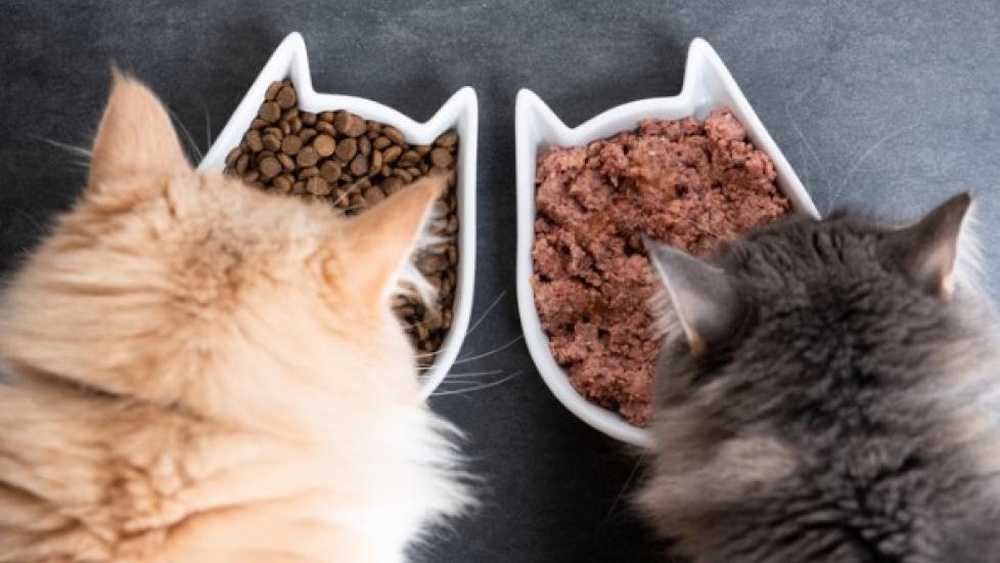
Are you wondering if dry kitten food is safe for your adult cat? It’s a common question many cat owners have.
After all, you want the best for your furry friend’s health and happiness. Feeding the wrong food can affect their energy, weight, and overall well-being. Keep reading to discover what happens when adult cats eat kitten food and whether it’s a good idea for your pet’s diet.
This simple knowledge could make a big difference in your cat’s life.

Credit: www.petcarerx.com
Differences Between Kitten And Adult Cat Food
Kitten food and adult cat food look similar but serve different purposes. Cats need different nutrients at different life stages. Feeding the right food supports their health and energy levels. Understanding these differences helps you choose the best diet for your cat.
Kitten food is made to help young cats grow strong. Adult cat food keeps grown cats healthy and active. Each type has special ingredients to meet these needs.
Nutritional Needs Of Kittens
Kittens need more calories to fuel their fast growth. Their food has higher protein and fat levels. This helps build muscles and develop the brain. Kittens also require extra vitamins and minerals for bones and immune health.
Nutritional Requirements Of Adult Cats
Adult cats need fewer calories to avoid weight gain. Their food focuses on balanced nutrition for maintenance. It supports healthy organs and a strong immune system. Adult cat food often contains fewer fats and proteins than kitten food.
Key Ingredient Variations
Kitten food has more protein and fat than adult food. It includes DHA, an important fat for brain growth. Adult food has controlled protein and fat to prevent obesity. Both types use quality ingredients but differ in nutrient amounts.
Potential Risks Of Feeding Kitten Food To Adult Cats
Feeding kitten food to adult cats may seem harmless. Yet, it can cause health problems. Kitten food is made for growing cats. Adult cats have different dietary needs. Giving them kitten food regularly may lead to risks. Understanding these risks helps keep your cat healthy.
Overnutrition And Weight Gain
Kitten food contains more calories than adult cat food. Adult cats need fewer calories to stay healthy. Eating high-calorie kitten food can cause weight gain. Extra weight stresses joints and organs. Obesity can lead to diabetes and heart problems. Maintaining a healthy weight is vital for adult cats.
Digestive Issues
Kitten food has more protein and fat. Adult cats may find it hard to digest. Digestive problems like diarrhea or vomiting may occur. Some cats may develop stomach upset or discomfort. Switching to adult cat food helps avoid these issues. Proper digestion supports overall health and energy.
Long-term Health Effects
Regularly feeding kitten food can harm adult cats over time. Excess nutrients can strain the kidneys and liver. Nutrient imbalance may cause joint problems or urinary issues. Long-term health risks reduce your cat’s quality of life. Feeding the right food supports your cat’s health span.
When Kitten Food Might Be Suitable For Adults
Kitten food is rich in nutrients to support fast growth. Some adult cats may need extra nutrition. Kitten food can be suitable for certain adult cats under special conditions. It provides more calories, protein, and fat than regular adult cat food. This helps cats with greater energy or recovery needs.
Pregnant Or Nursing Cats
Pregnant and nursing cats need more nutrients for their health. Kitten food offers higher protein and fat levels. These nutrients support milk production and the growing kittens. Feeding kitten food helps mother cats stay strong and healthy. It meets their increased energy demands during pregnancy and nursing.
Cats Recovering From Illness
Cats recovering from illness need extra calories and nutrients. Kitten food can help rebuild their strength and body weight. The rich protein supports muscle repair and immune function. It also provides easy-to-digest ingredients for sensitive stomachs. This food gives recovering cats the nutrition needed to heal faster.
High Energy Requirement Cases
Some adult cats have very high energy needs. Active cats or working cats burn more calories daily. Kitten food offers a dense source of energy and nutrients. Feeding it helps maintain their weight and muscle mass. It supports their active lifestyle without needing extra meals.
Credit: www.carecredit.com
Expert Recommendations For Feeding Adult Cats
Feeding adult cats the right food is important for their health and happiness. Experts suggest choosing food that fits their age and lifestyle. Adult cats need different nutrition than kittens. Understanding these needs helps keep cats active and healthy.
Choosing The Right Food Based On Age
Adult cats need food made for their stage of life. Kitten food has more calories and nutrients for growth. Adult cat food supports maintenance and energy balance. Feeding kitten food to adults can cause weight gain. Always check the label to match the food with your cat’s age.
Balancing Nutrients And Calories
Adult cats need balanced nutrients like protein, fat, and vitamins. Too many calories can lead to obesity. Too few nutrients can cause health problems. Dry food must provide enough moisture or be balanced with wet food. Proper portion size matters to keep cats fit and healthy.
Consulting A Veterinarian
A vet can help choose the best food for your cat. They check the cat’s health and special needs. Some cats need special diets for illness or allergies. Regular checkups ensure the food supports your cat’s wellbeing. Trust expert advice for feeding your adult cat.
Transitioning From Kitten To Adult Cat Food
Transitioning your cat from kitten food to adult food is an important step. Kitten food has more calories and nutrients for growth. Adult cats need a balanced diet to maintain health and weight. Making the switch at the right time helps your cat stay healthy and happy.
This change should be gradual. Sudden switches can upset your cat’s stomach. Knowing when and how to change food is key for a smooth transition.
Signs Your Cat Is Ready
Your cat usually grows fast in the first year. Most cats are ready to switch at about one year old. Watch for signs like slower growth or less playful behavior. Your vet can also advise the right time.
Weight gain may slow down. Energy levels may change. These signs show your cat needs adult food for its needs.
Step-by-step Transition Plan
Start by mixing 25% adult food with 75% kitten food. Do this for three days. Next, increase adult food to 50% for another three days. Then, move to 75% adult food and 25% kitten food. Finally, feed only adult food after about 10 to 14 days.
Always watch your cat’s reaction. Some cats take longer to adjust. Patience helps your cat accept new food without stress.
Monitoring Your Cat’s Health
Check your cat’s weight weekly. Look for any vomiting or diarrhea. A healthy cat eats well and stays active. If your cat loses weight or seems tired, consult your vet.
Good hydration and shiny fur show your cat’s health. Keep fresh water available at all times. Regular vet visits help track your cat’s progress after the switch.
Common Myths About Kitten And Adult Cat Food
Many cat owners face confusion about feeding kitten or adult cat food. Myths spread widely, causing uncertainty. Understanding these common myths helps make better food choices. Proper nutrition keeps cats healthy and happy. Knowing facts from fiction is essential.
More Protein Always Means Better
Many believe more protein is always good for cats. Kitten food often has higher protein than adult food. But adult cats do not need extra protein. Too much protein can strain their kidneys. Balanced protein levels suit adult cats best. Quality matters more than quantity.
Kitten Food Is A Treat For Adults
Some think kitten food is a special treat for adult cats. Kitten food is designed for growth and development. Adults eating kitten food regularly may gain weight. It can cause nutritional imbalance over time. Treats should be safe and healthy. Stick to food made for their age.
Adult Cats Can Eat Anything
Many believe adult cats can eat any cat food. Cats have specific needs at different ages. Adult cat food supports maintenance, not growth. Feeding kitten food long-term can cause health issues. Age-appropriate food keeps cats strong. Always choose food made for their life stage.
Credit: shop.smucker.com
Frequently Asked Questions
Can Adult Cats Eat Dry Kitten Food Safely?
Yes, adult cats can eat dry kitten food safely for a short time. Kitten food has more calories and nutrients, which may cause weight gain if fed long-term. It is best to switch to adult cat food for balanced nutrition as cats mature.
What Are The Risks Of Feeding Adult Cats Kitten Food?
Feeding adult cats kitten food long-term can lead to obesity and nutrient imbalance. Kitten formulas are higher in calories and fats, which may cause health issues like diabetes. Always consult a vet before changing your cat’s diet to ensure proper nutrition.
How Is Dry Kitten Food Different From Adult Cat Food?
Dry kitten food contains more protein, fat, and calories than adult cat food. It supports growth and development in kittens but may be too rich for adult cats. Adult cat food is balanced for maintenance and overall health after kittenhood.
Can Dry Kitten Food Cause Weight Gain In Adult Cats?
Yes, dry kitten food can cause weight gain in adult cats due to higher calorie content. Overfeeding kitten food may lead to obesity and related health problems. Monitor portion sizes and transition to adult formulas for weight management.
Conclusion
Adult cats need food made just for them. Kitten food has extra nutrients for growing cats. Feeding adult cats only kitten food can cause health problems. It lacks the right balance for adult cats’ needs. You can give kitten food sometimes, but not all the time.
Choose food that fits your cat’s age and health. This helps keep your cat strong and happy. Remember, good nutrition is key for a long, healthy life. Always check with your vet about your cat’s diet.