
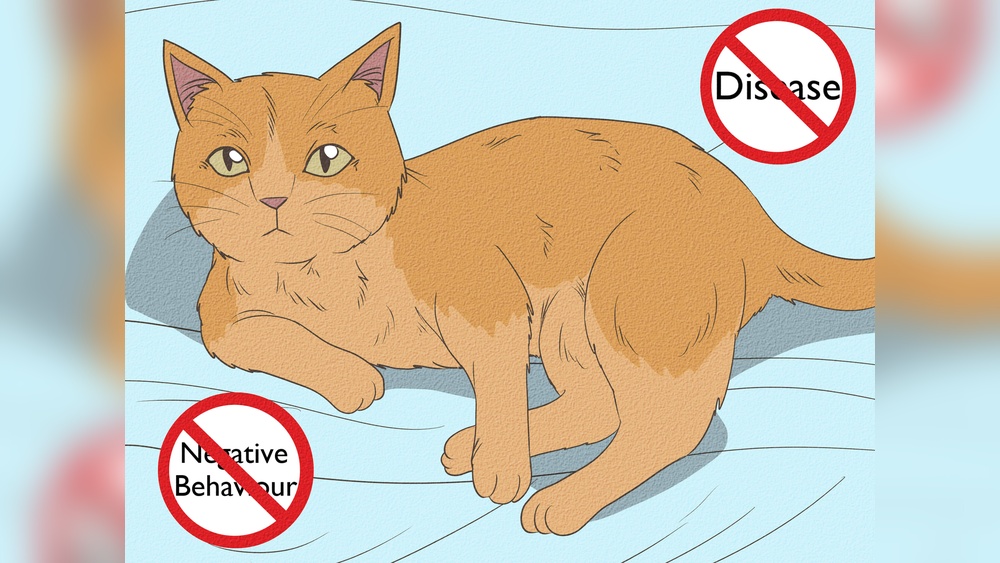
You’ve just brought your kitten home after neutering, and now you want to make sure they recover comfortably and quickly. Knowing exactly how to care for your kitten during this critical time can make all the difference in their healing process.
In this guide, you’ll discover simple yet effective steps to keep your furry friend safe, happy, and healthy after surgery. Keep reading to learn how to support your kitten’s recovery and avoid common mistakes that could slow down healing. Your kitten’s well-being depends on the care you provide right now.

Credit: www.millplainvet.com
Immediate Post-surgery Care
Immediate post-surgery care is crucial for your kitten’s quick recovery after neutering. This phase helps prevent complications and keeps your kitten comfortable. Careful attention to their needs supports healing and reduces stress.
Creating A Comfortable Space
Prepare a quiet, warm area for your kitten to rest. Use soft bedding to cushion their body. Avoid high places or busy rooms with loud noises. Keep the space clean and free from drafts. Limit movement to prevent injury to the surgery site.
Monitoring Vital Signs
Check your kitten’s breathing and temperature often. Normal breathing is slow and steady. Feel their ears and paws for warmth. Look for signs of pale gums or unusual tiredness. Contact your vet if you notice anything unusual.
Managing Pain And Discomfort
Follow the vet’s instructions for pain medicine carefully. Do not give human medications. Watch your kitten for signs of pain like crying or hiding. Offer gentle petting to calm them. Keep the surgery site clean and dry to avoid infections.
Credit: www.hartz.com
Wound Care And Hygiene
Proper wound care and hygiene are crucial after your kitten’s neutering surgery. The incision needs gentle attention to heal well and avoid problems. Keeping the area clean and protected helps your kitten recover faster. Watch for signs of irritation or infection to act quickly. Simple daily care routines make a big difference in healing.
Cleaning The Incision Area
Check the incision site twice a day. Use a clean, damp cloth to wipe away any dirt or discharge. Avoid using soaps or chemicals on the wound. Pat the area dry with a soft towel. Keep your kitten calm during cleaning to prevent stress. Do not rub or scratch the site. Clean hands before and after handling the wound.
Preventing Infection
Infection can slow healing and cause pain. Keep your kitten indoors and away from dirt or other animals. Watch for redness, swelling, or unusual discharge around the incision. Avoid bathing your kitten until the vet says it is safe. Keep the bedding clean and dry. If you see signs of infection, call your vet immediately.
Using Protective Collars
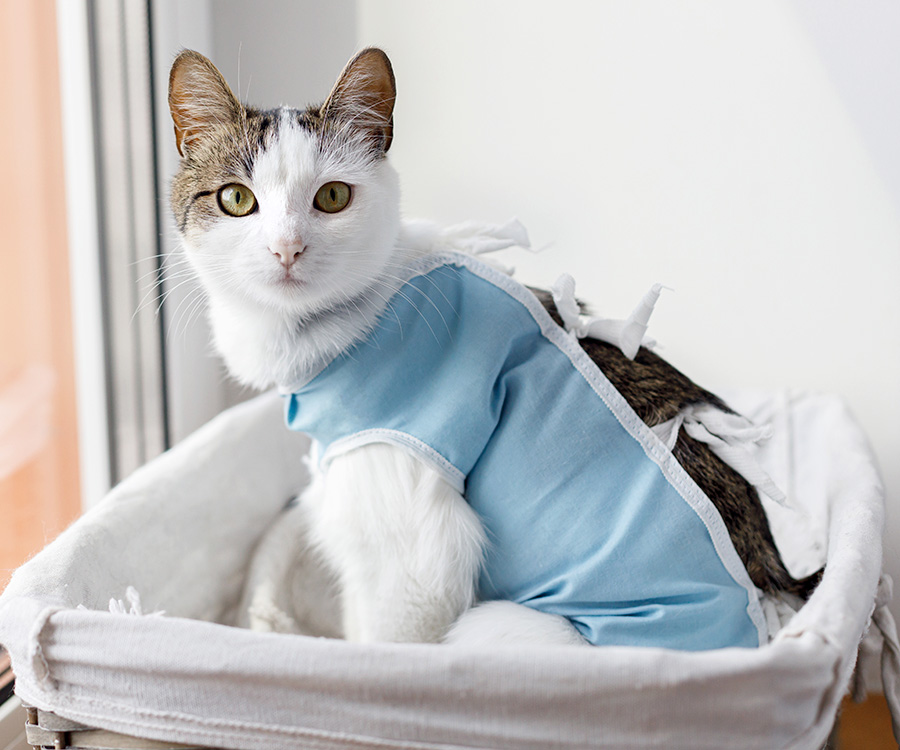
Protective collars stop your kitten from licking or biting the wound. Use an Elizabethan collar or soft cone recommended by your vet. Make sure the collar fits well but is not too tight. Check the collar often to ensure your kitten is comfortable. Remove the collar only under supervision. Proper use helps prevent wound damage and speeds recovery.
Feeding And Hydration
Proper feeding and hydration are vital for your kitten’s recovery after neutering. The surgery can affect their appetite and energy levels. Offering the right food and plenty of water helps them heal faster. It also prevents complications like dehydration and digestive upset.
Adjusting Diet Post-surgery
Your kitten’s diet should be easy to digest after surgery. Choose soft, gentle foods like wet kitten food or moistened dry food. Avoid rich or spicy meals that may upset their stomach. Smaller, frequent meals work better than one large serving. This approach supports steady energy and reduces nausea.
Monitor your kitten’s eating habits closely. Loss of appetite for more than 24 hours needs vet attention. Proper nutrition boosts their immune system and speeds healing. Keep meals warm but not hot to encourage eating.
Encouraging Fluid Intake
Hydration supports healing and helps flush out anesthesia effects. Provide fresh, clean water at all times. Use shallow bowls to make drinking easy and comfortable. Some kittens prefer running water, so a cat fountain may help.
If your kitten resists drinking, offer water mixed with a little low-sodium broth. Ice chips can also encourage fluid intake slowly. Watch for signs of dehydration like dry gums or lethargy. Prompt action can prevent serious health issues.

Credit: www.wikihow.com
Activity And Rest
After neutering, your kitten needs a balance of rest and gentle activity. This helps healing and avoids problems. Knowing how to guide your kitten’s movement and rest is key. Small steps make a big difference in recovery.
Limiting Physical Activity
Keep your kitten calm for several days after surgery. Avoid running, jumping, and rough play. Too much movement can open the wound or cause pain. Use a small room or a crate to limit space. Watch your kitten closely to stop any active behavior. Short, calm walks to the litter box are fine. Do not allow climbing on furniture or chasing toys yet.
Encouraging Restful Sleep
Rest helps your kitten heal faster and feel better. Create a quiet, cozy space for sleep. Use soft bedding in a warm area away from noise. Dim the lights to help your kitten relax. Offer gentle petting and calm voices to soothe stress. Avoid disturbing your kitten during naps. Good sleep lowers pain and supports immune health.
Behavioral Changes To Expect
After neutering, your kitten may show some changes in behavior. These changes are normal and part of their recovery. Understanding these shifts helps you care better for your pet. Your kitten’s mood, energy, and appetite might not be the same as before. Watch closely to spot these changes early.
Mood And Energy Level Shifts
Your kitten may seem quieter or less playful than usual. This drop in energy can last a few days or weeks. Some kittens become more affectionate and want extra cuddles. Others may prefer to be alone and rest more. These mood changes happen because of hormone shifts after surgery. Give your kitten a calm space to relax during recovery.
Changes In Appetite
Neutering can affect your kitten’s appetite. Some kittens eat less for a short time after surgery. This lower appetite is normal but watch for long periods without eating. Gradually, your kitten’s hunger should return to normal. Offer small, tasty meals to encourage eating. Keep fresh water available at all times to keep them hydrated.
When To Contact The Vet
Knowing when to contact the vet after your kitten’s neutering is very important. It helps keep your kitten safe and healthy. Watch your kitten closely for any unusual signs or behavior. Early action can prevent serious problems. Always trust your instincts. If something seems wrong, call the vet right away.
Signs Of Complications
Look for swelling or redness around the surgery site. If the area feels hot or painful, contact the vet. Heavy bleeding or pus is a warning sign. Your kitten should not be very tired or weak after surgery. Vomiting, diarrhea, or loss of appetite need medical attention. Difficulty breathing or coughing also requires a quick vet visit. These symptoms can mean infection or other problems.
Follow-up Appointments
The vet will schedule a check-up after the surgery. This visit ensures the healing process is on track. The vet will check the incision and overall health. Follow all instructions given for medication and care. Attend all follow-up appointments to avoid complications. These visits help your kitten recover fully and safely.
Frequently Asked Questions
How Long Does Kitten Recovery Take After Neutering?
Kitten recovery after neutering usually takes 7 to 10 days. During this time, monitor the incision for swelling or redness. Limit your kitten’s activity to prevent injury. Follow your vet’s care instructions closely for a smooth recovery.
What Are Common Post-neutering Kitten Behaviors?
After neutering, kittens may be sleepy and less active. Mild discomfort or irritability is normal. Your kitten might lick the surgery site, which should be discouraged. Behavior typically normalizes within a week as healing progresses.
How Can I Prevent Infection After Neutering?
Keep the incision clean and dry to prevent infection. Avoid bathing your kitten for at least 10 days post-surgery. Use an Elizabethan collar if your kitten licks or bites the area. Always follow your vet’s hygiene recommendations.
When Can My Kitten Resume Normal Activity Post-neutering?
Your kitten should rest for about a week after neutering. Gradually reintroduce play and exercise after 7 to 10 days. Avoid vigorous activity to prevent incision damage. Consult your vet before resuming full activity.
Conclusion
Caring for your kitten after neutering helps them heal fast and stay healthy. Watch for any signs of trouble like swelling or lack of appetite. Keep their space calm and clean to avoid infections. Give the right food and fresh water every day.
Spend quiet time with your kitten to keep them happy. These simple steps make a big difference in recovery. Your kitten will feel better and more active soon. Patience and care help your pet enjoy life fully.