
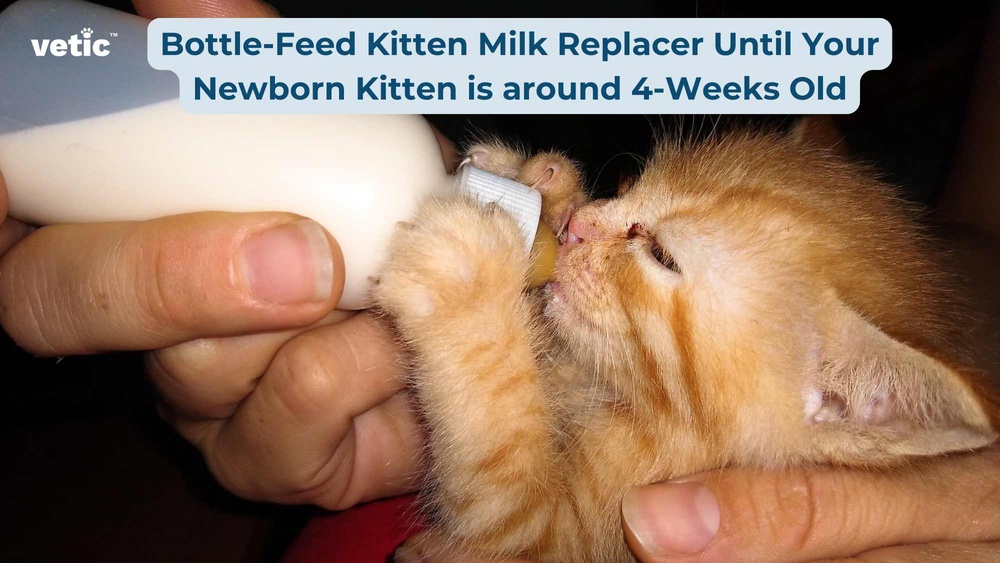
Bringing an orange tabby kitten into your home is exciting, but it also comes with important responsibilities. You want your new furry friend to grow up healthy, happy, and full of energy.
Taking care of a kitten isn’t always easy, especially if it’s your first time. But don’t worry—you’re in the right place. In this guide, you’ll discover simple and effective ways to care for your orange tabby kitten. From feeding tips to playtime ideas, you’ll learn exactly what your kitten needs to thrive.
Keep reading, and your kitten will thank you with purrs and endless cuddles.
Choosing The Right Supplies
Choosing the right supplies is important for your orange tabby kitten’s health and happiness. Good supplies help your kitten feel safe and comfortable in its new home. They also make caring for your kitten easier and more fun.
Start with basic items that suit your kitten’s size and needs. Pick supplies that last long and are easy to clean. This way, you save time and money while keeping your kitten happy.
Food And Water Bowls
Choose bowls made of stainless steel or ceramic. These materials are safe and easy to clean. Avoid plastic bowls because they can cause allergies.
Select shallow bowls for your kitten. This helps avoid whisker stress when eating or drinking. Make sure bowls are stable and won’t tip over easily.
Litter Box Essentials
Pick a litter box that is low enough for your kitten to enter easily. A covered box can provide privacy but check if your kitten likes it.
Use unscented, clumping litter. It helps control odor and is gentle on kitten paws. Clean the box daily to keep it fresh and inviting.
Toys And Scratching Posts
Choose toys that are safe and sized for kittens. Soft balls, feather wands, and small stuffed toys work well.
Provide scratching posts made of sisal or cardboard. Scratching helps your kitten keep claws healthy and saves your furniture.
Rotate toys often to keep your kitten interested and active.

Credit: peakcitypuppy.com
Feeding Your Kitten
Feeding your orange tabby kitten is very important for its health and growth. A good diet helps your kitten grow strong and stay active. It gives energy and supports a healthy immune system. Knowing what to feed and when to feed keeps your kitten happy and healthy.
Best Diet For Growth
Your kitten needs food rich in protein and nutrients. Choose high-quality kitten food made for young cats. Wet food helps with hydration and is easy to eat. Dry food supports teeth health but must be fresh. Avoid adult cat food, as it lacks essential nutrients for kittens.
Feeding Schedule
Kittens need small meals several times a day. Feed your kitten about four times daily until it is six months old. After six months, reduce feeding to two or three times a day. Keep fresh water available all the time. Consistent feeding times help your kitten feel secure.
Avoiding Harmful Foods
Some foods can harm your kitten’s health. Never feed chocolate, onions, garlic, or caffeine. Avoid raw meat, raw eggs, and bones to prevent illness. Do not give milk if your kitten is lactose intolerant. Keep human snacks and junk food away from your kitten.
Health Care Basics
Taking care of your orange tabby kitten’s health is very important. Healthy kittens grow strong and happy. This section covers the basic health care steps every owner should know. Follow these tips to keep your kitten safe and healthy.
Vaccinations And Vet Visits
Vaccinations protect your kitten from many diseases. Start vaccinations at six to eight weeks old. Your vet will give a schedule for shots. Regular vet visits help catch problems early. Take your kitten to the vet for check-ups at least twice the first year. Vaccines and vet care keep your kitten healthy.
Parasite Prevention
Kittens can get fleas, ticks, and worms easily. Parasites make your kitten sick and uncomfortable. Use vet-recommended treatments to stop parasites. Check your kitten’s fur and skin often. Keep your home and bedding clean. Preventing parasites protects your kitten and your family.
Recognizing Illness Signs
Watch your kitten closely every day. Look for changes in eating, sleeping, or behavior. Signs like sneezing, coughing, vomiting, or diarrhea need attention. If your kitten hides or acts weak, see a vet. Early care helps your kitten recover fast. Knowing illness signs saves lives.

Credit: www.wikihow.com
Grooming Tips
Grooming your orange tabby kitten keeps them healthy and happy. It helps remove loose fur and dirt. Grooming also builds a strong bond between you and your kitten. Regular care prevents skin problems and keeps their coat shiny.
Brushing And Bathing
Brush your kitten’s fur gently every few days. Use a soft brush made for kittens. Brushing removes loose hair and prevents mats. Bathing is rarely needed unless your kitten is very dirty. Use warm water and kitten-safe shampoo. Dry your kitten with a soft towel after a bath. Keep baths short and calm to avoid stress.
Nail Trimming
Trim your kitten’s nails every two weeks. Use small, sharp nail clippers designed for cats. Hold their paw gently and clip the sharp tip. Avoid cutting the pink part, called the quick. It hurts and causes bleeding. If your kitten resists, try trimming a few nails at a time. Reward with treats to make it easier.
Dental Care
Brush your kitten’s teeth regularly to avoid bad breath and dental issues. Use a soft toothbrush and toothpaste made for cats. Start slowly by letting your kitten taste the toothpaste. Clean a few teeth at a time. Dental care helps prevent pain and infections. Check your kitten’s mouth for redness or swelling often.
Creating A Safe Environment
Creating a safe environment is key to caring for an orange tabby kitten. Young kittens explore everything with curiosity. They need a space that protects them from harm. Safety helps kittens feel calm and secure. A secure home lets your kitten grow healthy and happy.
Kitten-proofing Your Home
Remove small objects that kittens could swallow. Hide electrical cords or cover them with protectors. Keep toxic plants out of reach. Store cleaning supplies in locked cabinets. Close off areas where your kitten might get stuck. Check windows and balconies for gaps or loose screens. These steps prevent accidents and injuries.
Safe Spaces For Rest
Kittens need quiet spots to sleep and relax. Choose a cozy corner with soft bedding. Avoid noisy or busy areas of the house. A safe rest area helps reduce stress. It also supports good sleep habits. Offer a small bed or blanket that feels warm and inviting.
Monitoring Outdoor Time
Outdoor time can be risky for young kittens. Watch your kitten closely if outside. Use a secure leash or a pet-safe enclosure. Avoid busy streets and places with other animals. Outdoor supervision protects your kitten from dangers. It also helps them explore safely and learn about their world.
Credit: bowwowinsurance.com.au
Socializing And Training
Socializing and training your orange tabby kitten is important. It helps your kitten grow into a happy and well-behaved cat. Start early to build trust and good habits. Patience and consistency are key to success. Here are some simple tips to help you with this process.
Handling And Bonding
Spend time holding your kitten gently every day. Use soft voices to calm and comfort them. Pet your kitten softly and play with small toys. This builds trust and helps your kitten feel safe. Let your kitten explore your lap and hands. This close contact forms a strong bond.
Litter Training
Place the litter box in a quiet, easy-to-find spot. Show your kitten the box right after meals and naps. Praise your kitten gently when they use the box correctly. Keep the litter clean and scoop it daily. A clean box encourages your kitten to use it often.
Encouraging Positive Behavior
Reward good actions with treats or kind words. Redirect biting or scratching to toys. Avoid shouting or punishment, which can scare your kitten. Use toys to teach gentle play. Consistent rewards help your kitten learn quickly.
Understanding Kitten Behavior
Understanding your orange tabby kitten’s behavior helps build a strong bond. Kittens show feelings through actions. Knowing their habits makes care easier and more fun.
Watch how your kitten moves and reacts. Play, rest, and explore are key parts of kitten life. Each action tells you what your kitten needs or feels.
Playful Activities
Kittens love to play. It helps them learn and stay healthy. Use small toys like balls or feathers. Play sessions should last about 10 to 15 minutes. These short bursts keep your kitten happy and active.
Playing also teaches your kitten to use claws gently. It stops biting or scratching later. Always reward gentle play with treats or praise. This builds good habits early.
Common Behavioral Issues
Orange tabby kittens may scratch furniture or bite fingers. This is normal but needs control. Provide scratching posts to save your furniture. Redirect biting to toys, not hands.
Some kittens hide a lot or meow loudly. These signs might show fear or stress. Create a safe space with a cozy bed. Patience and calm voices help your kitten feel secure.
When To Seek Help
Notice if your kitten stops eating or hides all day. These could be signs of illness. Sudden aggression or constant crying also need attention. Contact a vet or animal behavior expert quickly.
Early help prevents problems from getting worse. Professionals give advice for your kitten’s health and happiness. Trust your feelings about your kitten’s behavior.
Frequently Asked Questions
How Often Should I Feed An Orange Tabby Kitten?
Feed your orange tabby kitten 3-4 times daily with kitten-specific food. Balanced meals support healthy growth and energy needs. Fresh water should always be available to keep them hydrated and healthy.
What Vaccinations Does An Orange Tabby Kitten Need?
Kittens require core vaccinations like FVRCP and rabies. Consult your vet for a vaccination schedule. Timely shots protect your kitten from common feline diseases and ensure long-term health.
How Do I Litter Train An Orange Tabby Kitten?
Place the kitten in the litter box after meals and naps. Use a clean, shallow box with unscented litter. Positive reinforcement helps your kitten learn and develop good bathroom habits quickly.
How Can I Socialize My Orange Tabby Kitten Properly?
Introduce your kitten to people and pets gradually. Use gentle handling and play to build trust. Early socialization helps your kitten grow confident and friendly in new environments.
Conclusion
Caring for an orange tabby kitten takes love and attention each day. Feed them healthy food and keep fresh water nearby. Play often to help them stay active and happy. Clean their litter box regularly to keep things fresh. Visit the vet for checkups and vaccines on time.
Give your kitten plenty of gentle petting and comfort. These small steps build a strong bond and keep your kitten safe. Enjoy every moment with your new furry friend!