
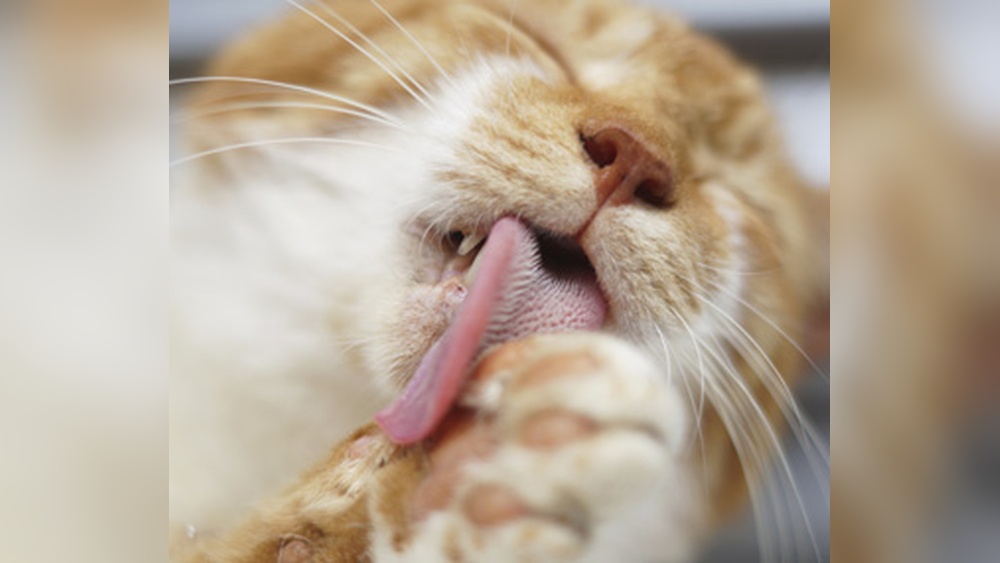
Have you ever noticed your cat licking itself non-stop and wondered, “Why do cats groom excessively?” It might seem normal at first, but when your furry friend spends hours cleaning, it could be a sign something’s off. Understanding why your cat grooms too much can help you protect their health and happiness.
Keep reading to discover the surprising reasons behind this behavior and what you can do to help your beloved pet feel better.

Credit: cats.com
Normal Grooming Behavior
Cats spend a good part of their day grooming themselves. This is a normal and healthy habit. Grooming helps cats stay clean and feel comfortable. It also keeps their fur soft and shiny. Understanding normal grooming helps you notice when your cat grooms too much.
Normal grooming is not just about cleaning. It also helps cats relax and calm down. Cats use their tongues and paws to clean different parts of their bodies. They follow a pattern that covers their whole body.
Typical Grooming Patterns
Cats start grooming by licking their paws. Then, they rub the paws over their face and head. After that, cats clean their neck, chest, and body. They reach their back and sides by twisting their bodies. Finally, cats groom their legs and tail. This pattern keeps their entire body clean and neat.
Cats usually groom several times a day. Each session lasts from a few minutes up to half an hour. Older cats and long-haired breeds may groom more often. Grooming also increases after meals or naps.
Benefits Of Grooming
Grooming removes dirt, dust, and loose fur from the cat’s coat. It helps stop mats and tangles from forming. Grooming spreads natural oils on the fur, making it shiny and healthy. It also cools the cat in hot weather by spreading saliva.
Grooming reduces stress and helps cats feel safe. It can lower their heart rate and calm their nerves. Cats also use grooming to bond with other cats or humans. This behavior shows trust and affection.
Signs Of Excessive Grooming
Excessive grooming in cats is a sign that something might be wrong. Cats usually groom to clean themselves, but too much grooming can signal stress, pain, or illness. Owners need to recognize these signs early to help their pets.
Watch your cat closely. Changes in behavior or physical appearance often show the problem.
Behavioral Indicators
Cats that groom too much may seem restless. They might lick the same spot repeatedly. Some cats become more irritable or hide more often. You might see them biting or scratching their fur. These actions differ from normal grooming habits.
Physical Symptoms
Look for bald patches or red skin. The fur may look uneven or thin. Skin wounds or scabs can appear from constant licking. Sometimes, the skin looks dry or flaky. These signs mean your cat needs help from a vet.
Common Medical Causes
Excessive grooming in cats often signals underlying medical problems. These problems cause discomfort or irritation. Cats try to soothe themselves by licking or biting their fur more than usual.
Understanding common medical causes helps identify why your cat grooms too much. Early detection can improve your cat’s health and comfort.
Allergies And Skin Issues
Allergies are a frequent cause of excessive grooming in cats. Cats may react to food, pollen, or dust mites. Allergic reactions cause itchy, red, and inflamed skin.
Dermatitis and dry skin also lead to constant licking. Cats try to relieve itchiness and irritation by grooming more.
Parasites And Infections
Fleas, ticks, and mites irritate a cat’s skin and cause itching. Parasites cause discomfort that triggers repeated grooming. A cat may also develop sores or scabs from scratching.
Bacterial or fungal infections worsen skin problems. These infections make cats lick or bite affected areas excessively.
Pain And Discomfort
Injuries, arthritis, or internal pain can cause a cat to groom excessively. Grooming focuses on painful or sore spots. This behavior helps calm the cat but may damage the skin.
Sometimes grooming masks pain or hides wounds. Notice if your cat grooms one area more than others.
Emotional And Psychological Factors
Emotional and psychological factors play a big role in why cats groom themselves a lot. Cats use grooming not only to keep clean but also to feel calm. Changes in their environment or feelings can make them groom more than usual.
Stress And Anxiety
Stress can cause cats to groom excessively. New places, loud noises, or new people can make a cat feel nervous. Grooming helps them feel safe. It acts like a comfort action. When a cat feels anxious, grooming can become a way to cope. Too much grooming may lead to bald spots or skin problems.
Boredom And Lack Of Stimulation
When cats do not have enough to do, they might groom a lot. Boredom can make cats feel restless or unhappy. Grooming becomes a way to pass time. Cats need toys, playtime, and attention to stay busy. Without these, they may groom to fill the empty time. This can turn into a habit that is hard to stop.
Environmental Triggers
Cats groom themselves to stay clean and healthy. Sometimes, they groom too much. One major cause is environmental triggers. These triggers can make a cat feel stressed or uncomfortable. This leads to excessive grooming as a way to cope.
Changes In Home Environment
Cats dislike sudden changes in their surroundings. Moving furniture or new pets can upset them. New sounds or smells also cause stress. This stress may cause them to groom more than usual. Grooming acts as a calming tool for cats.
Even small changes like new people visiting can affect a cat. They may feel unsafe or anxious. Grooming helps them feel better. Watch for these changes and help your cat adjust.
Exposure To Irritants
Irritants in the home can cause skin problems. Dust, cleaning chemicals, or pollen may bother cats. These irritants can cause itching and discomfort. Cats respond by licking or biting their skin.
Excessive grooming may cause redness or hair loss. Check your home for possible irritants. Use pet-safe cleaning products and keep areas clean. Reducing irritants helps your cat stay comfortable and healthy.
Diagnosing Excessive Grooming
Diagnosing excessive grooming in cats involves careful observation and professional help. Cats groom themselves to stay clean, but too much grooming can signal problems. Identifying the cause requires a thorough check-up and understanding your cat’s behavior. Early diagnosis helps treat issues before they worsen.
Veterinary Examination
A vet will first examine your cat’s skin and fur. They look for signs of allergies, parasites, or infections. Blood tests or skin scrapings might be needed. These tests help find medical reasons for excessive grooming. Treating health problems often reduces the behavior quickly.
Behavioral Assessment
Behavior plays a big role in grooming habits. Stress, boredom, or anxiety can cause a cat to lick too much. A vet or animal behaviorist studies your cat’s daily routine and environment. They check for changes or triggers in the cat’s life. Understanding these helps create a plan to reduce stress and stop over-grooming.
Treatment Options
Excessive grooming in cats can signal health or stress issues. Finding the right treatment helps your cat feel better. Treatment depends on the cause of the grooming behavior.
Medical Interventions
Veterinarians check for skin problems or allergies. Medicines like antibiotics or anti-inflammatory drugs may be needed. Sometimes, special shampoos or topical creams help soothe irritated skin. Parasite treatments remove fleas or mites causing discomfort. Regular vet visits ensure proper diagnosis and care.
Behavioral Therapies
Stress and anxiety often cause over-grooming. Behavioral therapy aims to reduce these feelings. Techniques include gentle play and positive reinforcement. Creating a calm routine helps lower stress. Professional trainers or vets guide these therapies effectively.
Environmental Adjustments
Changes in the cat’s surroundings can reduce excessive grooming. Providing cozy resting spots and toys keeps cats busy. Avoid loud noises and sudden changes to lower anxiety. Fresh water and healthy food improve overall well-being. A calm environment helps cats relax and groom normally.

Credit: www.reddit.com
Preventing Excessive Grooming
Preventing excessive grooming in cats is important for their health and happiness. Over-grooming can cause skin problems and stress. Taking simple steps can help your cat feel calm and comfortable. Understanding the causes and acting early is key to stopping this behavior.
Regular Health Checks
Visit the vet regularly to catch any health issues early. Skin allergies, parasites, and pain can cause over-grooming. A vet can find these problems and suggest treatments. Keep your cat’s vaccinations and parasite control up to date. Regular checks help maintain your cat’s overall well-being.
Enriching Your Cat’s Environment
A boring environment can make cats groom too much. Provide toys, scratching posts, and cozy resting spots. Play with your cat daily to reduce stress and boredom. A busy cat is less likely to over-groom. Small changes in the home can make a big difference in your cat’s mood.
When To Seek Professional Help
Excessive grooming in cats can signal a problem that needs expert care. Knowing when to seek professional help ensures your cat stays healthy and comfortable. Early action can prevent serious issues and ease your cat’s stress.
Warning Signs
Look for bald spots or raw skin on your cat. Constant licking or biting at one area shows discomfort. Changes in behavior, like hiding or aggression, can indicate pain. Sudden hair loss or skin sores need quick attention. These signs mean your cat might require a vet visit.
Choosing The Right Specialist
Start with a veterinarian for a full health check. Some cats need a skin specialist called a dermatologist. A behaviorist helps if stress causes grooming. Find a professional with good reviews and experience. Choose someone who explains clearly and listens well.
:strip_icc()/how-to-stop-cat-over-grooming-554052-02-292560d5fa1542458556eff312f669d7.jpg)
Credit: www.thesprucepets.com
Frequently Asked Questions
Why Do Cats Groom Themselves So Much?
Cats groom themselves to stay clean, remove loose fur, and regulate body temperature. Excessive grooming can signal stress, allergies, or skin problems.
Can Stress Cause Cats To Groom Excessively?
Yes, stress triggers excessive grooming in cats. It helps them cope but may lead to hair loss or skin irritation if persistent.
What Health Issues Cause Excessive Cat Grooming?
Skin allergies, parasites, infections, or pain can cause cats to groom excessively. A vet visit is essential for proper diagnosis and treatment.
How Can I Stop My Cat From Over-grooming?
Identify and treat underlying causes like stress or allergies. Provide a calm environment and regular vet checkups to reduce excessive grooming.
Conclusion
Excessive grooming in cats can signal stress or health issues. Watch your cat’s behavior closely. Look for skin problems or changes in mood. A vet visit helps find the cause quickly. Proper care keeps your cat happy and healthy. Understanding grooming habits strengthens your bond with your pet.
Small changes can make a big difference. Stay patient and attentive to your cat’s needs.