
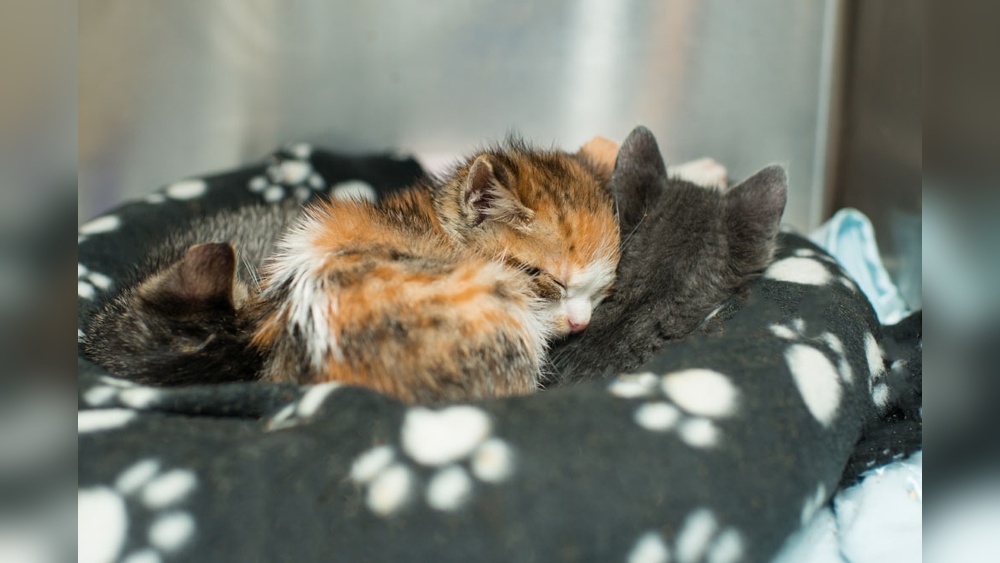
Bringing a kitten into your home is an exciting experience, but it also comes with important responsibilities. You want your new furry friend to grow up healthy, happy, and full of energy.
Knowing how to take care of your kitten the right way can make all the difference. From feeding and grooming to playtime and health checks, this guide will give you simple, clear steps to ensure your kitten thrives. Keep reading to discover everything you need to know to become the best kitten parent possible.
Preparing Your Home
Preparing your home for a new kitten is very important. A safe and comfortable space helps your kitten feel welcome. It also keeps them healthy and happy. Setting up the right environment makes the first days easier for both of you.
Safe Spaces For Kittens
Create a quiet area just for your kitten. Choose a small room or corner away from noise. Add a soft bed or blanket for warmth. Kittens need places to hide and rest safely. This space becomes their little home inside your home.
Essential Supplies
Gather basic supplies before your kitten arrives. You will need food and water bowls, kitten food, and a litter box. Provide a scratching post to protect your furniture. Toys help with play and exercise. Keep everything clean and easy to reach.
Kitten-proofing Tips
Remove small objects that a kitten can swallow. Secure electrical cords to avoid chewing hazards. Close windows and doors to prevent escapes. Keep plants out of reach; some can be toxic. Check for sharp items and remove them carefully. Safety first to avoid accidents and injuries.
Credit: www.alleycat.org
Feeding Your Kitten
Feeding your kitten is one of the most important parts of their care. Good nutrition helps kittens grow strong and stay healthy. Kittens need special food that supports their fast growth and high energy.
Choosing the right food, setting a proper feeding schedule, and avoiding harmful foods ensure your kitten’s well-being. These steps create a strong foundation for a happy and healthy cat.
Choosing The Right Food
Kittens need food made just for them. Kitten food has more protein and fat than adult cat food. This helps with their growth and development. Choose wet or dry food labeled for kittens. Wet food adds extra moisture to their diet. Dry food helps keep teeth clean. Pick brands with natural ingredients and no fillers.
Feeding Schedule
Kittens eat small meals often. Feed your kitten three to four times a day. Measure the food to avoid overfeeding. Fresh water should always be available. As kittens grow, feedings can reduce to two times a day. Keep the schedule consistent to help digestion and routine.
Avoiding Harmful Foods
Some foods are dangerous for kittens. Avoid chocolate, onions, garlic, grapes, and raisins. These can cause serious health problems. Do not give your kitten cow’s milk. Many cats are lactose intolerant and get upset stomachs. Also, avoid raw meat and bones to prevent infections and choking. Stick to kitten-safe foods only.
Health Care Basics
Taking care of a kitten’s health is very important. Good health care helps your kitten grow strong and happy. Early care can prevent many problems later. Understanding basic health needs keeps your kitten safe and well.
Vaccination Schedule
Kittens need vaccines to protect from diseases. Vaccines start at six to eight weeks old. Core vaccines include feline distemper, calicivirus, and herpesvirus. Your vet will set a schedule for shots. Follow the schedule closely for best protection. Booster shots are needed every year or as advised.
Parasite Prevention
Parasites like fleas, ticks, and worms harm kittens. Regular treatments keep parasites away. Your vet can recommend safe products for kittens. Check your kitten’s fur and skin often. Clean living areas help reduce parasite risks. Parasite prevention keeps your kitten comfortable and healthy.
Recognizing Illness Signs
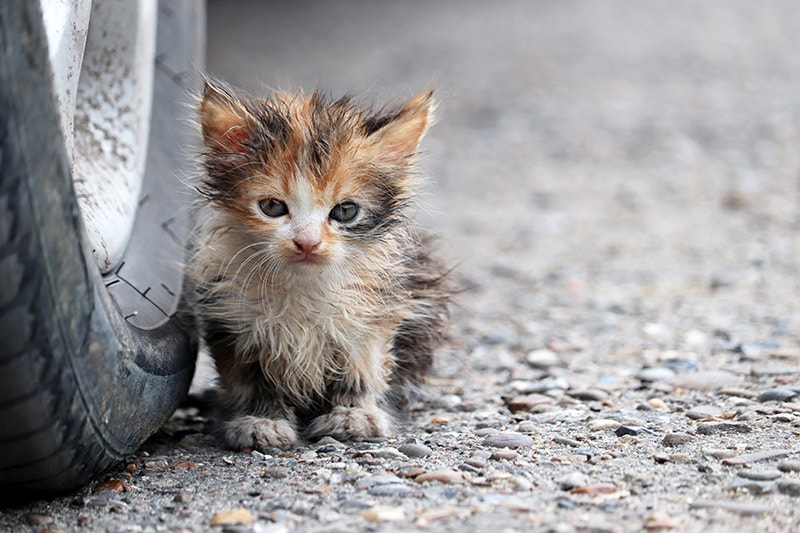
Early illness detection saves lives. Watch for changes in eating or drinking. Notice if your kitten is less active or hiding. Check for coughing, sneezing, or runny eyes. Diarrhea or vomiting can signal trouble. Seek vet help quickly if you see these signs. Quick action helps your kitten recover fast.
Credit: www.catster.com
Litter Training
Litter training is an important step for every kitten owner. It helps your kitten learn where to go potty. Training your kitten early makes life easier. It keeps your home clean and fresh. Patience and consistency are key. This guide covers how to pick a box, choose litter, and train your kitten.
Selecting A Litter Box
Choose a litter box that fits your kitten’s size. It should be easy to enter and exit. Avoid boxes with high sides for young kittens. A shallow box allows quick access. Place the box in a quiet, low-traffic area. Keep it away from their food and water bowls. Clean the box daily to keep your kitten interested.
Litter Types
Pick litter that is safe and comfortable. Clumping litter makes cleaning easier. Some kittens prefer unscented litter to avoid irritation. Avoid dusty litters that can cause sneezing. Natural litters like corn or paper are gentle options. Change the litter regularly to prevent odor and mess. Observe your kitten’s reaction to find the best type.
Training Techniques
Place your kitten in the litter box after meals and naps. Praise your kitten when they use the box. Keep the box clean to encourage regular use. Avoid punishment for accidents; it confuses your kitten. Use a scoop to remove waste daily. Gradually, your kitten will learn to use the box alone. Consistency and gentle guidance work best.
Socializing And Playtime
Socializing and playtime are vital for a kitten’s growth and happiness. These moments help kittens learn how to behave around people and other animals. Play also boosts their physical health and mental skills. Spending time playing and socializing creates a strong bond between you and your kitten.
Encouraging Social Behavior
Start socializing your kitten early. Gently introduce them to new people and pets. Let your kitten explore different sounds and smells safely. Praise calm and friendly actions with soft words or treats. Avoid forcing your kitten to interact. Patience helps build trust and confidence.
Safe Toys For Kittens
Choose toys made for kittens to keep them safe. Soft balls, feather wands, and small stuffed toys work well. Avoid toys with small parts that your kitten can swallow. Check toys often for damage and throw away broken ones. Clean toys regularly to prevent germs.
Interactive Play Ideas
Use toys that move to catch your kitten’s attention. Try feather wands or laser pointers for chasing games. Hide treats in puzzle toys to encourage problem-solving. Play short sessions several times a day to keep your kitten active. Always let your kitten win to keep play fun.

Credit: www.youtube.com
Grooming Essentials
Grooming is a key part of caring for your kitten. It helps keep their coat clean and healthy. Grooming also builds a strong bond between you and your pet. Regular care prevents health problems and keeps your kitten comfortable. Below are the basics every owner should know.
Brushing And Bathing
Brush your kitten’s fur gently each day. Use a soft brush made for kittens. Brushing removes loose hair and dirt. It stops mats and tangles from forming. Bathing is rarely needed for kittens. Use a mild shampoo made for cats. Dry your kitten well after a bath. Avoid cold water and drafts.
Nail Care
Trim your kitten’s nails every one to two weeks. Use small nail clippers made for pets. Be careful not to cut too close to the pink part. This area is sensitive and can bleed. If unsure, ask a vet or groomer for help. Regular trimming stops scratches on furniture and skin.
Ear And Eye Cleaning
Check your kitten’s ears weekly. Use a soft cloth or cotton ball to clean the outer ear. Avoid pushing anything inside the ear canal. Use a damp cloth to wipe around the eyes. Remove any discharge or dirt gently. Clean ears and eyes prevent infections and discomfort.
Handling Common Challenges
Kittens bring joy but also challenges. Handling these issues early helps build trust and a happy pet. Understanding common problems makes kitten care easier.
Dealing With Scratching
Scratching is natural for kittens. It helps them stretch and sharpen claws. Provide scratching posts to protect furniture. Encourage your kitten to use them by placing near favorite spots. Use toys to redirect scratching from hands and clothes. Trim nails regularly to reduce damage. Praise your kitten when they scratch the right places.
Managing Biting
Kittens explore with their mouths. Biting often happens during play. Teach gentle play by stopping playtime when biting occurs. Offer chew toys to satisfy biting urges. Avoid using hands as toys to prevent confusion. Stay calm and consistent to help your kitten learn good behavior. Reward gentle play with treats or petting.
Separation Anxiety
Kittens may feel scared when alone. Create a safe, cozy space with toys and bedding. Leave a piece of your clothing to comfort them. Gradually increase alone time to build confidence. Use soft sounds or a ticking clock to mimic company. Avoid loud noises or sudden changes to keep your kitten calm.
Frequently Asked Questions
How Often Should I Feed My Kitten Daily?
Feed your kitten four small meals a day until six months old. After that, reduce to two or three meals. Use high-quality kitten food rich in protein for healthy growth. Always provide fresh water alongside meals to keep your kitten hydrated.
What Vaccinations Does A Kitten Need?
Kittens require core vaccines like FVRCP and rabies. These protect against common feline diseases. Vaccinations start at six to eight weeks old, with boosters every three to four weeks until 16 weeks. Consult your vet for a tailored vaccination schedule.
How Do I Litter Train My Kitten Effectively?
Place the litter box in a quiet, accessible area. Show your kitten the box after meals and naps. Keep the box clean by scooping daily. Use non-clumping litter initially. Praise your kitten for using the box to encourage good habits.
When Should I Start Socializing My Kitten?
Begin socializing your kitten between two and seven weeks old. Introduce gentle handling, new sounds, and people gradually. Early socialization helps kittens grow into confident, friendly cats. Ensure experiences are positive to avoid stress or fear later.
Conclusion
Taking care of a kitten needs patience and love. Feed it well and keep it clean. Play with your kitten to help it grow happy. Visit the vet to keep it healthy. Give your kitten a safe, warm place to rest.
Small steps lead to a strong bond. Enjoy every moment with your new friend. Caring for a kitten is a joyful journey. Keep learning to give the best care possible. Your kitten will thank you with purrs and cuddles.