

If you have a kitten with ringworm, you probably want to help it feel better as soon as possible. Ringworm can be uncomfortable for your furry friend and worrying for you.
But don’t worry—taking care of your kitten doesn’t have to be hard. You’ll learn simple, effective steps to treat ringworm and keep your kitten healthy. By the end, you’ll feel confident in giving your kitten the care it needs to heal quickly.
Keep reading to discover how you can protect your kitten and your home from this common infection.
Recognizing Ringworm In Kittens
Recognizing ringworm in kittens is important for their health and safety. This fungal infection looks like a skin problem but needs special care. Early signs can be easy to miss. Knowing what to watch for helps you act fast. It also stops the infection from spreading to other pets or people.
Common Symptoms
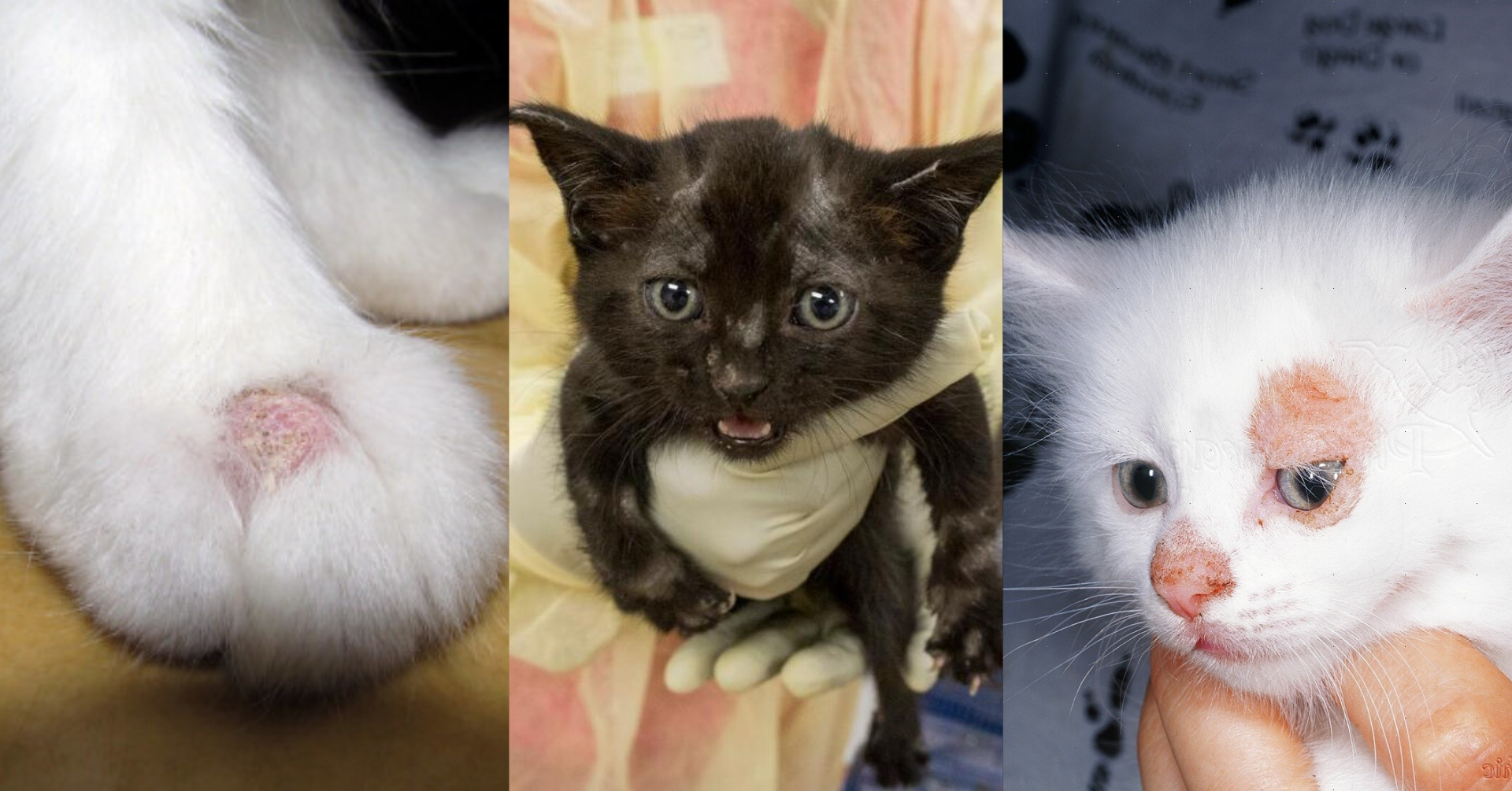
Ringworm often shows up as round, scaly patches on a kitten’s skin. The patches may have less fur or no fur at all. These spots can be red or itchy. Sometimes, the skin looks dry or cracked. The kitten may scratch or lick the areas a lot. Nails and paws can also get infected. Look for broken hairs around the edges of the patches. The infection can appear on the head, ears, or body.
How Ringworm Spreads
Ringworm spreads easily through direct contact. Touching an infected kitten can pass the fungus. It also spreads through objects like bedding, toys, or grooming tools. The fungus lives on skin and hair that fall off. Contaminated surfaces can infect other pets or people. Kittens with weak immune systems catch it faster. Clean and disinfect areas to stop spreading. Quarantine new or sick kittens until they heal.
Credit: pawmettolifeline.org
Preparing A Safe Space
Preparing a safe space is the first step to help a kitten with ringworm heal quickly. This space must be clean, quiet, and away from other pets. It helps stop the infection from spreading. The kitten feels calm and less stressed in a secure spot. This care supports faster recovery and keeps your home safe.
Cleaning And Disinfecting
Clean the kitten’s area every day. Remove bedding and wash it with hot water. Use pet-safe disinfectants on floors and surfaces. Avoid harsh chemicals that can hurt the kitten. Clean all toys and bowls regularly. This removes fungal spores that cause ringworm. A clean space reduces the risk of reinfection.
Isolating The Kitten
Keep the kitten in a separate room or small area. Limit contact with other pets and family members. Use separate food and water bowls for the sick kitten. Isolation stops the fungus from spreading. It also helps the kitten rest without disturbance. Monitor the kitten’s health closely during this time.
Effective Treatment Options
Effective treatment options for ringworm in kittens focus on stopping the fungus quickly. Treating ringworm early helps prevent spreading to other pets and people. There are several safe and effective ways to manage this common skin infection.
Using the right treatment helps your kitten heal faster. It reduces itching, hair loss, and skin damage. Careful treatment also protects your home from contamination.
Topical Medications
Topical medicines are creams or ointments applied directly to the infected skin. These medicines kill the fungus on contact. Common options include antifungal creams with miconazole or clotrimazole.
Apply as the vet advises, usually once or twice daily. Clean the area gently before applying the medicine. Continue treatment until the skin looks healthy again, even if the kitten seems better sooner.
Oral Medications
Oral antifungal drugs help treat severe or widespread ringworm. The vet prescribes these pills or liquids. They work from inside to kill the fungus throughout the body.
Give the full course without stopping early. Missing doses may cause the infection to return. Watch for side effects like vomiting or loss of appetite and report them to your vet.
Natural Remedies To Avoid
Natural treatments may seem safe but can harm your kitten. Essential oils and homemade pastes often irritate delicate skin. Some can be toxic if licked or swallowed.
Do not replace vet-recommended medicines with natural products. Always ask your vet before trying any home remedy. Proper medical treatment ensures your kitten recovers safely and quickly.
Daily Care And Hygiene
Daily care and hygiene are very important for a kitten with ringworm. Good hygiene helps stop the infection from spreading. It also helps the kitten feel better. Cleanliness reduces the risk of passing ringworm to other pets or people. Careful daily routines support the kitten’s healing process.
Bathing Techniques
Bathing a kitten with ringworm requires gentle care. Use a medicated shampoo made for ringworm. Wet the kitten’s fur with warm water. Apply the shampoo evenly, avoiding eyes and ears. Let the shampoo sit for five to ten minutes. Rinse the kitten thoroughly to remove all shampoo. Dry the kitten with a clean towel. Keep the kitten warm after the bath. Bathe the kitten two to three times a week, or as the vet advises.
Handling And Grooming
Wear gloves when handling a kitten with ringworm. This protects you from infection. Use a soft brush to groom the kitten’s fur daily. Grooming removes loose fur and skin flakes. Avoid sharing grooming tools with other pets. Clean tools with disinfectant after each use. Handle the kitten gently to reduce stress. Regular grooming helps spot new ringworm spots early. Keep the kitten’s bedding and toys clean every day. Wash these items in hot water to kill spores.
Preventing Spread To Humans And Pets
Ringworm is a fungal infection that spreads easily. It can pass from your kitten to people and other pets. Stopping the spread is very important. Careful steps help keep everyone safe and healthy. Follow these simple tips to protect your home and family.
Personal Protection Tips
Wear gloves when touching your kitten or cleaning its bedding. Wash hands with soap and water after any contact. Avoid touching your face during handling. Keep your kitten’s fur away from your skin. Change clothes after caring for the infected pet. Use a mask if you have cuts or sensitive skin. These small actions reduce the chance of infection.
Household Cleaning Tips
Clean all surfaces your kitten touches often. Use a disinfectant that kills fungus. Wash bedding, toys, and blankets in hot water. Vacuum floors and furniture daily. Dispose of vacuum bags or clean the container carefully. Avoid sharing brushes or grooming tools with other pets. Regular cleaning lowers the risk of spreading ringworm spores.
Credit: www.coloradoanimalrescue.org
Monitoring Healing Progress
Monitoring your kitten’s healing progress is a key part of managing ringworm. Careful observation helps you know if treatments work or if changes are needed. You can spot early signs of improvement and catch problems quickly.
Keep a daily check on your kitten’s skin and fur. Note any changes in redness, hair loss, or scabs. Take photos to compare over time. This helps you see even small improvements or setbacks.
Signs Of Improvement
Look for less redness and swelling around the affected areas. The skin should start to look healthier and less irritated. Hair may begin to grow back in patches that were bald. Scabs and crusts will shrink or disappear. Your kitten will likely scratch less as discomfort fades.
When To Visit The Vet
Visit the vet if the rash spreads or worsens despite treatment. If your kitten seems very itchy or in pain, seek help. Watch for signs of infection like pus, swelling, or bad smell. If healing stops or new spots appear, a vet check is needed. Regular vet visits ensure your kitten stays safe and recovers well.

Credit: nexgard.com.au
Frequently Asked Questions
What Are The First Signs Of Ringworm In Kittens?
Early signs of ringworm include circular hair loss, red patches, and scaly skin. Kittens may scratch affected areas frequently. Spotting these symptoms early helps start treatment quickly and prevents spreading.
How Can I Safely Treat A Kitten With Ringworm?
Use veterinarian-prescribed antifungal creams or oral medications. Keep the kitten’s environment clean and avoid direct skin contact. Follow vet instructions strictly to ensure effective and safe treatment.
Can Ringworm Spread From Kittens To Humans?
Yes, ringworm is contagious and can spread to humans through direct contact. Wash hands after handling the kitten and clean contaminated surfaces regularly to prevent transmission.
How Long Does Ringworm Treatment Take For Kittens?
Treatment usually lasts 4 to 6 weeks, depending on severity. Complete the full course even if symptoms improve to ensure full recovery and prevent relapse.
Conclusion
Taking care of a kitten with ringworm needs patience and care. Keep the kitten clean and follow the vet’s advice. Use medicine as directed, and clean bedding often. Watch for changes in the kitten’s skin and health. Protect yourself by washing hands after touching the kitten.
With time and care, the kitten will heal. Stay calm and consistent. Your kitten will be healthy and happy again soon. Small steps make a big difference. Keep love and care at the center of healing.