
Bringing a new kitten into your home is exciting, but it also comes with important responsibilities. How you care for your pet kitten in these early days shapes their health, happiness, and behavior for life.
You want to make sure your little furry friend grows strong and feels loved every step of the way. In this guide, you’ll discover simple and effective tips to keep your kitten safe, comfortable, and thriving. Keep reading to learn exactly what your kitten needs from you—because the right care now makes all the difference later.

Credit: mtcac.com
Choosing The Right Supplies
Choosing the right supplies is the first step to care for your new kitten. Good supplies help keep your kitten healthy and happy. They also make life easier for you. Pick items that fit your kitten’s size and needs. Quality matters for safety and comfort. This guide covers essential supplies every kitten needs.
Food And Water Bowls
Choose bowls made of stainless steel or ceramic. These materials are easy to clean and do not hold bacteria. Avoid plastic bowls because they can cause allergies. Pick bowls that are shallow and wide. This shape helps your kitten eat and drink comfortably. Keep food and water bowls separate to keep water fresh.
Litter Boxes
Pick a litter box that is low enough for your kitten to enter easily. Size matters; it should be big enough for your kitten to turn around. Choose a box with low sides for easy access. Use unscented, clumping litter to protect your kitten’s sensitive nose. Clean the litter box daily to keep it fresh and odor-free.
Toys And Scratching Posts
Toys help your kitten stay active and learn to play safely. Choose soft, small toys that are easy to carry. Avoid toys with small parts that can be swallowed. Scratching posts are important to protect your furniture. Pick sturdy posts covered with sisal or carpet. Place the posts near your kitten’s favorite resting spots.
Comfortable Bedding
Your kitten needs a warm and soft place to sleep. Choose bedding that is washable and cozy. Avoid materials that are rough or hard. Place the bed in a quiet, draft-free area. Change the bedding often to keep it clean and fresh. Comfortable bedding helps your kitten feel safe and rest well.
Credit: www.petinsurance.com
Feeding Your Kitten
Feeding your kitten is one of the most important parts of caring for it. A proper diet helps kittens grow strong and stay healthy. Young kittens need food that supports their fast growth and high energy levels.
Choosing the right food and feeding them at regular times makes a big difference. It is also important to know which foods can harm kittens. This guide will help you give your kitten the best start in life.
Selecting Nutritious Food
Select foods made specifically for kittens. These contain the right balance of protein, fat, and vitamins. Look for labels that say “complete and balanced” for kittens. Wet food is good for hydration and easy to eat. Dry food helps keep teeth clean but should be fresh and high quality.
Feeding Schedule
Kittens need to eat small meals often. Feeding them three to four times a day works well. Keep portions small to avoid overeating. As kittens grow, reduce meals to twice a day. Always provide fresh water during feeding times.
Avoiding Harmful Foods
Many human foods can be dangerous for kittens. Avoid chocolate, onions, garlic, and caffeine. Never give kittens raw meat or bones. Dairy products can cause stomach upset. Stick to vet-approved kitten foods for safety and health.
Setting Up A Safe Space
Setting up a safe space is the first step in caring for your pet kitten. A secure area helps your kitten feel calm and protected. It also keeps them away from dangers in your home. Preparing this space carefully makes your kitten’s transition smooth and stress-free.
Kitten-proofing Your Home
Check your home for small objects your kitten can swallow. Cover electrical cords to prevent chewing. Remove toxic plants and chemicals from reach. Block off areas that are unsafe or hard to escape. Use baby gates or closed doors to limit access. Make your home a safe playground for your kitten.
Creating A Quiet Area
Choose a quiet corner for your kitten’s space. Use a soft bed or blanket for comfort. Avoid loud noises and heavy foot traffic nearby. Place food and water bowls within easy reach. Make sure the area stays clean and cozy. This quiet zone helps your kitten relax and rest.
Introducing To Other Pets
Introduce your kitten to other pets slowly. Keep first meetings short and calm. Use a barrier like a pet gate at first. Watch their body language for signs of stress. Reward calm and gentle behavior with treats. Gradually increase time together as they adjust. This helps build trust and friendship safely.
Health And Veterinary Care
Taking care of your kitten’s health is very important. Good health means a happy kitten and a joyful home. Regular vet visits help catch problems early. Proper care prevents many common kitten illnesses.
Learn what your kitten needs to stay healthy and strong.
Vaccinations And Checkups
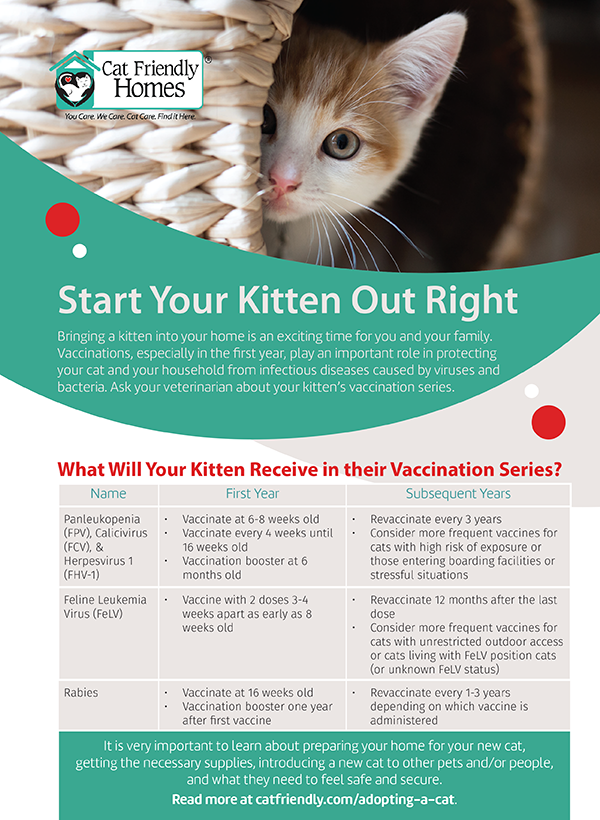
Kittens need vaccinations to protect against diseases. Start vaccines at six to eight weeks old. Your vet will set a schedule for boosters. Regular checkups keep track of your kitten’s growth. Vets check weight, teeth, and overall health. Early visits build trust between your kitten and vet.
Common Health Issues
Kittens can get infections, fleas, or worms. Watch for sneezing, coughing, or watery eyes. Diarrhea and vomiting need quick attention. Skin problems may show as itching or bald spots. Regular vet visits help spot these problems fast. Treating early keeps kittens healthy and happy.
Spaying And Neutering
Spaying and neutering prevent unwanted litters. It also lowers risks of some diseases. Most vets recommend the procedure at six months. It helps reduce aggressive behavior in cats. Surgery is safe with proper care before and after. Talk to your vet about the best time for your kitten.
Grooming Essentials
Grooming is a key part of caring for your pet kitten. It keeps your kitten healthy and happy. Good grooming also helps you bond with your new friend. This section covers the basics every kitten owner should know.
Brushing And Bathing
Brushing your kitten removes loose fur and dirt. It stops mats and tangles from forming. Use a soft brush made for kittens. Brush gently to avoid hurting your kitten’s skin. Bathing is not often needed. Only bathe your kitten if very dirty or after vet advice. Use warm water and kitten-safe shampoo. Dry your kitten well after the bath.
Nail Trimming
Trim your kitten’s nails every two to three weeks. Use small pet nail clippers. Cut only the sharp tip. Avoid the pink part inside the nail. It has nerves and blood vessels. Trimming prevents scratches and damage to furniture. Make it a calm, quick process to keep your kitten relaxed.
Dental Care
Healthy teeth are important for your kitten’s wellbeing. Start brushing your kitten’s teeth early. Use a soft toothbrush and pet toothpaste. Brush gently in small circles. Regular brushing stops plaque build-up and bad breath. Check your kitten’s mouth for signs of problems. Healthy gums and teeth mean a happy kitten.
Credit: catfriendly.com
Training And Socialization
Training and socialization are key for a happy, well-behaved kitten. These early steps shape your kitten’s habits and personality. Proper training helps avoid bad behaviors and builds a strong bond. Socialization teaches your kitten to feel safe around people and other pets.
Litter Training Tips
Start litter training as soon as your kitten arrives home. Place the litter box in a quiet, easy-to-find spot. Use a small, shallow box with unscented litter. Show your kitten where it is after meals and naps. Gently place your kitten in the box to encourage use. Clean the box daily to keep it fresh and inviting. Praise your kitten softly after each successful use.
Handling And Playtime
Handle your kitten gently every day to get them used to touch. Pet their head, back, and paws softly. Use short play sessions with safe toys to burn energy. Avoid using hands as toys to prevent biting. Playtime helps your kitten learn limits and builds confidence. Keep sessions fun and calm to avoid stress.
Building Trust And Bonding
Spend quiet time sitting near your kitten without rushing. Let your kitten come to you at their own pace. Speak softly and use slow movements to avoid scaring them. Offer treats to encourage positive feelings. Pet your kitten when they seem relaxed and happy. This trust creates a deep, lasting bond.
Recognizing Behavioral Signs
Understanding your kitten’s behavior helps build a strong bond. It also keeps them happy and healthy. Watching how your kitten acts gives clues about their feelings and needs. This section explains common signs and when to get help.
Signs Of Stress
Stress in kittens shows in many ways. They may hide more than usual. Sudden changes in eating or sleeping habits can occur. Some kittens lick themselves too much, causing sores. Watch for trembling, growling, or hissing. These are signs your kitten feels unsafe or scared.
Common Behavioral Problems
Scratching furniture or biting are common issues. These behaviors often mean your kitten needs more play or attention. Nighttime activity and loud meowing can disturb sleep. Litter box problems may show stress or illness. Early training and patience can reduce these problems.
When To Seek Help
Seek help if your kitten acts aggressively often. If they refuse to eat for more than a day, get advice. Sudden withdrawal or hiding for long times is worrying. If behavior changes quickly or you see injuries, consult a vet. Early help keeps your kitten safe and happy.
Frequently Asked Questions
How Often Should I Feed My Pet Kitten Daily?
Feed your kitten 3 to 4 small meals daily. Young kittens need frequent feeding to support growth and energy. Always provide fresh water alongside meals.
What Vaccinations Does My Kitten Need First?
Kittens require core vaccines like FVRCP at 6-8 weeks. Follow up with rabies and booster shots as advised by your vet for protection.
How Can I Litter Train My New Kitten?
Place your kitten in the litter box after meals and naps. Use a clean, accessible box with suitable litter. Reward good litter habits with praise.
What Is The Best Way To Socialize A Kitten?
Gently expose your kitten to people, sounds, and pets daily. Positive, calm interactions build confidence and reduce fear. Avoid overwhelming your kitten during socialization.
Conclusion
Caring for your kitten takes love, time, and patience. Feed them well and keep their space clean. Play and gentle touch help build trust. Watch for signs of illness and visit the vet often. A happy kitten grows into a healthy cat.
Enjoy every moment with your new friend. Small steps make a big difference in their life. Keep learning and adapting as your kitten grows. Your care creates a safe and joyful home for them.