
Finding an abandoned baby kitten can be both heartbreaking and overwhelming. You want to help, but might not know where to start.
Taking care of a tiny, fragile kitten requires special attention and care. If you’re wondering how to keep your new little friend safe and healthy, you’re in the right place. This guide will walk you through simple, clear steps to give that kitten the best chance at a happy life.
Keep reading—you could save a life today.

Credit: labiosthetique.ee
Recognizing An Abandoned Kitten
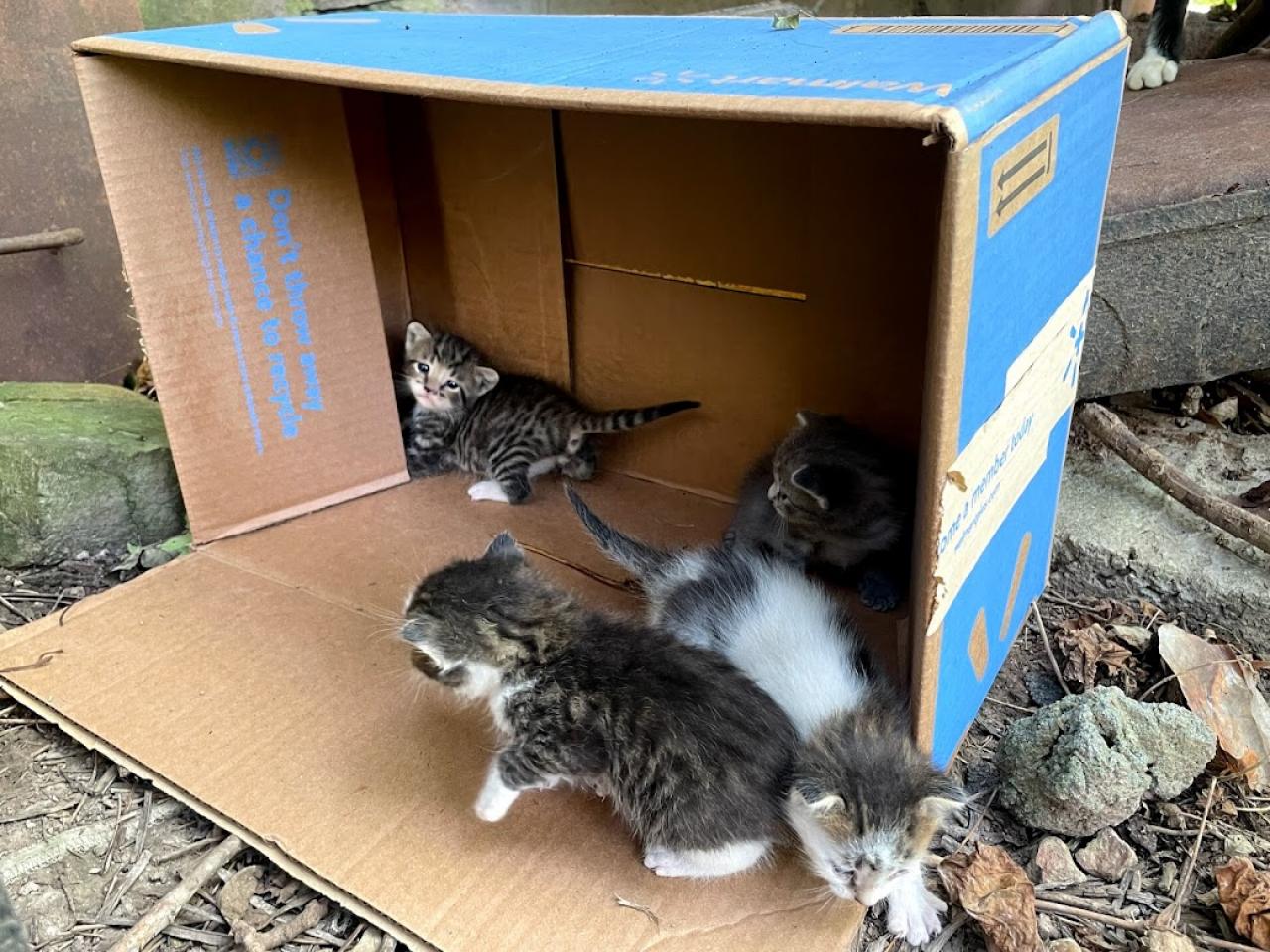
Recognizing an abandoned kitten is the first step in helping these tiny animals survive. Not all kittens found alone are truly abandoned. Sometimes, their mother is nearby or out searching for food. Observing the kitten carefully can prevent unnecessary worry and ensure the right help is given. Knowing the signs of abandonment helps you act quickly and safely.
Signs A Kitten Needs Help
A kitten that is cold and weak often needs help. Look for signs like crying loudly and constantly. If the kitten is dirty or covered in fleas, it might be abandoned. Kittens alone for more than a few hours, especially very young ones, need attention. Check if the kitten’s eyes are closed or just opened; very young kittens cannot survive long without their mother. Lack of movement or poor response to touch also means help is needed.
Common Misconceptions
Many believe a kitten alone is always abandoned. This is not true. Mothers sometimes leave kittens alone for hours. People think kittens can eat solid food early, but newborns need milk. Some assume cold kittens have no mother, but the mother may be nearby. Another myth is that kittens found outdoors are always lost. Often, the mother is just out hunting or resting. Understanding these facts keeps kittens safe and avoids unnecessary rescue attempts.
Preparing A Safe Space
Preparing a safe space is the first step to care for an abandoned baby kitten. The kitten needs a quiet, warm, and secure place. This space helps the kitten feel safe and calm. It also protects from dangers and keeps the kitten healthy.
Choosing The Right Location
Pick a quiet room away from noise and busy areas. Avoid places with strong drafts or direct sunlight. The area should be clean and dry. Keep the kitten away from other pets and children. A small, confined space works best to prevent the kitten from wandering.
Creating Warmth And Comfort
Baby kittens cannot keep their body temperature up. Use a soft blanket or towel to line the kitten’s bed. Add a heating pad or warm water bottle wrapped in cloth. Check the heat source often to avoid burns. Make sure the kitten can move away if it gets too warm. This warmth helps the kitten stay healthy and sleep well.
Feeding The Kitten
Feeding an abandoned baby kitten is very important for its survival and growth. A kitten needs special care in feeding because it cannot eat like adult cats. Proper feeding helps the kitten get strong and healthy.
Feeding a kitten requires patience and attention. Using the right food and feeding it carefully supports its development. Let’s see how to feed a baby kitten the right way.
Selecting Proper Formula
Never feed cow’s milk to a baby kitten. It can upset their stomach and cause diarrhea. Choose a kitten milk replacement formula made for kittens. These formulas have the right nutrients for growth.
Buy formula from a pet store or vet. Powder or liquid forms work well. Always follow the package instructions for mixing and storage. Keep the formula fresh and warm before feeding.
Feeding Schedule And Techniques
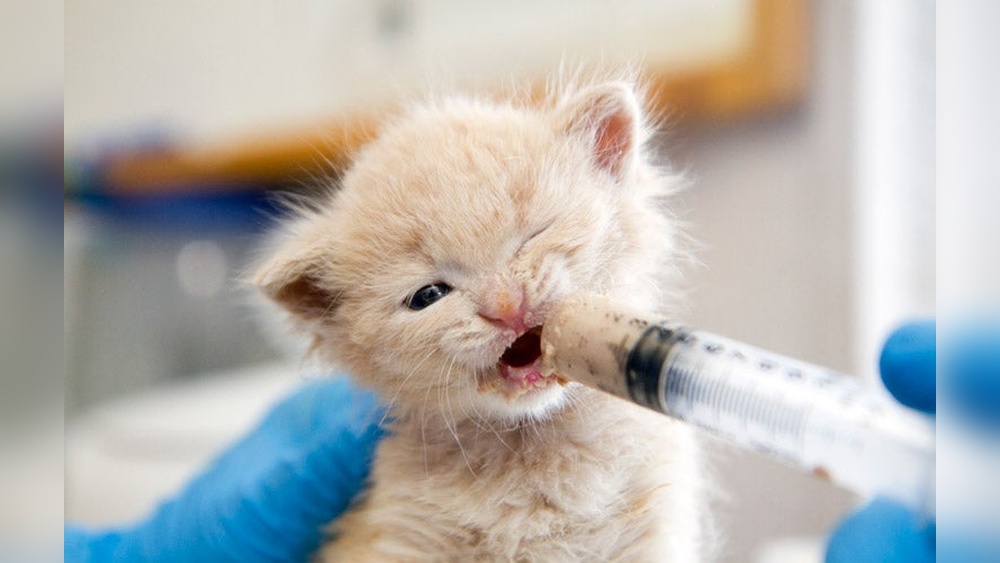
Newborn kittens need feeding every 2 to 3 hours. As they grow, space feedings more. Feed at night too in the first few weeks. Use a small bottle or syringe to feed gently.
Hold the kitten in a natural position, belly down. Do not feed on its back. Let the kitten suckle slowly. Stop if it coughs or struggles. Burp the kitten after feeding by gently rubbing its back.
Avoiding Common Feeding Mistakes
Do not overfeed or force the kitten to eat. Overfeeding can cause choking or stomach problems. Avoid feeding cold formula; warm it to body temperature. Never use a regular bottle or nipple not made for kittens.
Keep all feeding tools clean to stop germs. Watch the kitten’s weight and energy. Lack of weight gain may mean feeding issues. Consult a vet if problems continue.
Maintaining Hygiene
Keeping a baby kitten clean is very important for its health. Abandoned kittens cannot clean themselves. They need help to stay free from dirt and germs. Clean kittens feel better and grow stronger. Good hygiene also stops infections and skin problems. It is part of giving the kitten the care it needs every day.
Cleaning The Kitten Safely
Use a warm, damp cloth to clean the kitten gently. Avoid using soap or shampoo unless the vet says it is safe. Wipe the kitten’s face, paws, and bottom carefully. Do not soak the kitten in water. Keep the kitten warm during and after cleaning. Dry the kitten softly with a towel. Clean the bedding and area where the kitten stays often. This helps stop the spread of germs.
Stimulating Elimination
Baby kittens cannot urinate or poop on their own. They need help to eliminate waste. Use a soft, warm cloth to rub the kitten’s genital area gently. Do this after every feeding. The rubbing mimics the mother cat’s tongue. It helps the kitten to pee and poop. Keep the cloth clean and warm. This routine is important for the kitten’s health and comfort.
Monitoring Health
Monitoring the health of an abandoned baby kitten is vital for its survival. Young kittens are fragile and can get sick quickly. Watching their health closely helps catch problems early. This way, you can take action fast and give the kitten the best chance to grow strong.
Signs Of Illness To Watch For
Look for changes in the kitten’s behavior. If it is weak or not moving much, that is a warning. Check if the kitten is eating and drinking well. Poor appetite can signal illness. Watch the kitten’s breathing. Rapid or labored breathing is a serious sign. Notice any coughing or sneezing. These may indicate infection. Also, check the kitten’s eyes and nose for discharge. Runny eyes or nose can mean sickness. Diarrhea or vomiting are urgent signs to note. Lastly, observe the kitten’s body temperature if possible. A cold or very hot body is cause for concern.
When To Contact A Veterinarian
Call a vet immediately if the kitten shows any serious signs. These include trouble breathing, constant crying, or refusal to eat. Contact the vet if diarrhea or vomiting lasts more than a day. Sudden weakness or collapse needs urgent care. Also, seek help if the kitten has a swollen belly. Any wounds or bleeding require veterinary attention. Early vet visits can save the kitten’s life. Do not wait for symptoms to worsen. The vet can provide medicines and advice for care.

Credit: bestfriends.org
Socializing And Development
Socializing and development are key for an abandoned baby kitten’s growth. These early stages shape their behavior and confidence. Proper socialization helps kittens feel safe around people and other animals. It also helps them learn important skills for life.
Start socializing the kitten gently and with patience. Each interaction builds trust and comfort. A well-socialized kitten becomes a happy and friendly cat.
Encouraging Normal Behaviors
Encourage natural kitten behaviors like exploring and playing. Provide toys that mimic prey, such as small balls or soft mice. Let the kitten climb and hide in safe places. These activities promote physical and mental health.
Allow the kitten to groom itself and sleep in quiet, warm areas. Keep the environment calm to reduce stress. Normal behaviors help the kitten feel secure and grow properly.
Handling And Interaction Tips
Handle the kitten gently and often. Use soft voices to comfort it. Let the kitten sniff your hand before petting. Avoid sudden movements or loud noises that might scare it.
Hold the kitten close but not too tight. Support its body fully. Short, frequent sessions of handling work best. This helps the kitten get used to human touch and builds trust slowly.
Planning For Long-term Care
Planning for long-term care of an abandoned baby kitten is vital for its survival and growth. This stage requires patience, dedication, and proper knowledge. The goal is to help the kitten grow healthy and strong. Caregivers must think about feeding, health, socialization, and future placement. Early efforts set the foundation for a happy life.
Transitioning To Solid Food
Kittens need milk for the first few weeks. After about four weeks, start offering soft, wet kitten food. Mix the food with kitten formula to make it easy to eat. Place a small amount on a shallow dish. Encourage the kitten to lick the food gently. Gradually reduce the formula as the kitten eats more solid food. Watch for signs of discomfort or refusal. Keep feeding small amounts several times a day. Proper nutrition helps build strong bones and muscles.
Preparing For Adoption Or Foster Care
Socialize the kitten by handling it often. Let the kitten meet other friendly cats if safe. Provide a clean, warm, and quiet space to live. Teach the kitten to use a litter box early. Keep health checks and vaccinations up to date. Gather records and notes about the kitten’s habits. Help the kitten feel safe and loved. Find kind foster or adoptive families ready to provide care. A good home ensures the kitten’s future well-being.
Credit: thesantegroup.org
Frequently Asked Questions
How Do I Feed An Abandoned Baby Kitten?
Feed the kitten with a kitten-specific formula using a bottle or syringe. Avoid cow’s milk as it can cause digestive issues. Warm the formula to body temperature and feed every 2-3 hours, including overnight for newborns.
When Should I Take An Abandoned Kitten To The Vet?
Take the kitten to a vet within 24-48 hours of rescue. Early vet visits ensure vaccinations, deworming, and check for infections or health problems. This helps increase the kitten’s survival chances and overall health.
How Do I Keep A Baby Kitten Warm?
Use a heating pad set on low or a warm water bottle wrapped in a towel. Keep the kitten’s bedding cozy and draft-free. Newborn kittens can’t regulate their body temperature and need external warmth to stay healthy.
How Often Should I Clean An Abandoned Kitten?
Clean the kitten gently with a warm, damp cloth after feeding. This mimics the mother’s grooming and helps stimulate urination and defecation. Avoid full baths unless necessary, as kittens can easily get chilled.
Conclusion
Caring for an abandoned baby kitten takes patience and love. Feed it often with kitten formula, keep it warm, and help it stay clean. Watch for signs of illness and find a vet quickly. Socialize the kitten gently to build trust.
Small steps make a big difference in its life. Saving a kitten is a kind and rewarding act. You can give it the best chance to grow strong and happy. Every kitten deserves care and a safe home.