
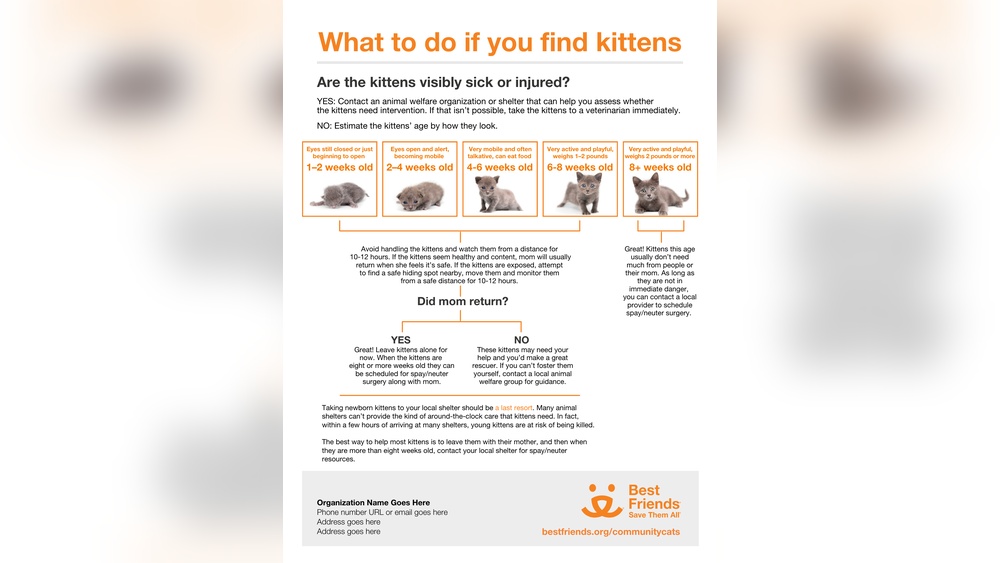
Taking care of a two-week-old kitten can feel overwhelming, especially if this is your first time. At this delicate age, your tiny kitten needs special attention to grow healthy and strong.
You might wonder how to feed, keep warm, or even comfort such a fragile little creature. But don’t worry—this guide will walk you through every essential step, making sure you give your kitten the best start in life. Keep reading, and soon you’ll feel confident in your ability to care for your new furry friend.
Credit: www.alleycat.org
Kitten’s Needs At Two Weeks
At two weeks old, kittens need special care and attention. Their small bodies grow fast. Their senses and movements start to improve. Meeting their needs helps them stay healthy and strong.
Physical Development Milestones
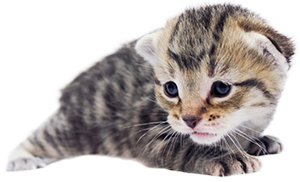
At this age, kittens begin to open their eyes. Their vision is blurry but gets clearer each day. Their ears unfold and start to hear sounds around them. They gain more control over their muscles. Wiggling turns into small attempts to crawl. Their tiny teeth may start to come through. Keep them warm and cozy to support growth.
Behavioral Changes To Expect
Kittens become more alert and curious. They respond to touch and gentle voices. Sleeping still takes most of their time. They may start to meow softly to communicate. Bonding with their mother or caregiver is crucial. Handling them with care helps build trust. Observe their behavior to spot any problems early.
Feeding Your Kitten
Feeding a two-week-old kitten is very important for its health and growth. At this age, kittens cannot eat solid food. They rely entirely on milk or kitten formula for nutrition. Careful feeding helps them stay strong and develop properly.
Choosing The Right Formula
Use a commercial kitten milk replacer. Cow’s milk is not good for kittens. It can cause stomach problems. Kitten formula has the right nutrients and calories. Buy it from a pet store or vet. Always check the expiration date.
Feeding Schedule And Techniques
Feed your kitten every two to three hours, even at night. Warm the formula to about body temperature before feeding. Use a small bottle or syringe made for kittens. Hold the kitten upright or belly down. Let the kitten suckle slowly. Do not force the milk into the mouth.
Avoiding Common Feeding Mistakes
Never feed cold or hot formula. It can hurt the kitten’s mouth. Avoid overfeeding or underfeeding. Watch for bloating or diarrhea. Do not feed cow’s milk or human baby formula. Always clean feeding equipment after each use. Keep your kitten calm and comfortable during feeding.
Keeping Your Kitten Warm
Keeping your two-week-old kitten warm is very important. At this age, kittens cannot control their body temperature well. They need extra warmth to stay healthy and grow strong. Cold kittens can get sick quickly. Make sure their environment is cozy and safe.
Ideal Temperature Settings
Keep the kitten’s area between 85°F and 90°F (29°C to 32°C). This temperature feels comfortable for young kittens. Use a thermometer to check the warmth regularly. Avoid sudden changes in temperature. If the room gets cold, add extra heat gently.
Safe Heating Methods
Use a heating pad made for pets under half of the bedding. Cover the pad with a soft towel. This lets the kitten move away from the heat if needed. Avoid hot water bottles or electric blankets that can get too hot. Warm water bottles can leak and cause burns. Always check the heat source often to keep the kitten safe.
Hygiene And Cleaning
Keeping a two-week-old kitten clean is very important for its health. Young kittens cannot clean themselves well. They need help with hygiene to stay safe from infections and skin problems. Proper cleaning also keeps them comfortable and happy.
Bathing Tips For Young Kittens
Bathing a kitten this young needs care and patience. Use warm water, not hot or cold. Gently wet the kitten’s fur with a soft cloth or sponge. Avoid getting water in their eyes, ears, or nose. Use a mild kitten shampoo only if necessary. Rinse well but keep the kitten warm during and after the bath. Dry the kitten softly with a towel. Never use a hair dryer on kittens.
Cleaning After Feeding
After feeding, kittens often have milk or formula on their fur and face. Use a soft, damp cloth to clean their mouth and chin. Wipe gently to avoid hurting the kitten. Clean any spills on their body and bedding to prevent germs. Keep the feeding area tidy to protect the kitten’s health. Regular cleaning helps the kitten stay fresh and healthy.
Monitoring Health And Growth
Monitoring the health and growth of a two-week-old kitten is very important. At this age, kittens change fast. Careful watching helps catch problems early. It also ensures the kitten grows strong and healthy.
Check the kitten’s weight daily. Healthy kittens gain weight steadily. Watch the kitten’s movements and energy too. These signs show the kitten’s overall well-being.
Signs Of Healthy Development
A healthy two-week-old kitten has bright eyes and clean ears. The kitten’s skin should be smooth and pink. Soft fur that is clean and shiny is a good sign. The kitten moves with strength and curiosity. It should nurse well and sleep soundly. Regular weight gain is a key sign. A healthy kitten gains about 10 grams per day. Normal breathing and quiet breathing are important. The kitten should not be too cold or too hot. Healthy kittens have a soft, round belly but not bloated.
When To Contact A Vet
Contact a vet if the kitten stops eating or nursing. Call a vet if the kitten loses weight or does not gain any. If the kitten is weak, lethargic, or does not move much, seek help. Watch for breathing problems like wheezing or gasping. If the kitten has diarrhea or vomiting, contact a vet. Swollen belly or belly that feels hard needs vet care. Any wounds, redness, or discharge from eyes or nose require attention. If the kitten cries a lot or seems in pain, get a vet’s advice. Early vet care can save a kitten’s life.

Credit: khpet.com
Socialization And Comfort
Socialization and comfort are very important for a two-week-old kitten. At this age, kittens start to notice their surroundings more. They learn about the world through touch and sound. Providing comfort helps them feel safe and loved. Socializing early helps kittens grow into friendly, confident cats.
Handling Techniques
Hold the kitten gently but firmly. Use both hands to support its body. Avoid squeezing or sudden movements. Let the kitten get used to your touch slowly. Short sessions are better than long ones. Speak softly to calm the kitten. This helps build trust and reduces fear.
Encouraging Bonding
Spend quiet time near the kitten. Let it sniff and explore your hands. Offer a soft blanket or toy to cuddle. Pet the kitten gently on its head and back. Repeat these actions daily to build connection. This creates a strong bond and comfort for the kitten.
Preparing For Weaning
Preparing for weaning is an important step in caring for a two-week-old kitten. It means helping the kitten start eating solid food. This change helps kittens grow strong and healthy. It takes time and patience to do it right.
Kittens still rely on their mother’s milk. But soon, they need more nutrients from solid food. You must watch the kitten closely for signs it is ready to start eating solid food. This ensures a smooth change from milk to solids.
Signs Your Kitten Is Ready
Look for signs that the kitten wants solid food. The kitten may start licking or nibbling on soft foods. It may also show more interest in food around it. The kitten might try to bite or chew gently. These are clear signs it is ready to try solid food.
Introducing Solid Foods
Start with soft, easy-to-digest foods. Mix kitten formula with wet kitten food to make a smooth paste. Offer this mix on a shallow dish. Let the kitten smell and taste the food at its own pace. Do not rush the process. Gradually reduce the formula and increase solid food.

Credit: www.youtube.com
Frequently Asked Questions
How Do I Feed A Two Week Old Kitten?
At two weeks, kittens need kitten formula, not cow’s milk. Feed every 2-3 hours using a kitten bottle. Warm the formula to body temperature. Hold the kitten upright to avoid choking. Never force-feed; let the kitten suckle naturally.
How Often Should I Clean A Two Week Old Kitten?
Clean the kitten gently after feeding if needed. Use a warm, damp cloth to wipe their face and body. Avoid full baths unless necessary. Keep the bedding clean and dry to prevent infections and maintain comfort.
When Do Two Week Old Kittens Open Their Eyes?
Most kittens open their eyes between 7 to 14 days old. At two weeks, eyes may just be opening or fully open. Keep their environment dim and calm to protect their sensitive eyes from bright light.
How To Keep A Two Week Old Kitten Warm?
Use a heating pad or warm water bottle wrapped in a towel. Maintain a temperature of about 85°F (29°C) in their bedding area. Avoid direct contact with heat sources to prevent burns. Warmth is crucial as kittens cannot regulate body temperature.
Conclusion
Taking care of a two-week-old kitten needs patience and gentle hands. Feed the kitten often with proper formula and keep it warm. Watch for signs of illness and keep the area clean. Handle the kitten softly to help it feel safe.
Small steps each day build trust and health. Your care helps the kitten grow strong and happy. Keep learning and enjoy the special moments with your little friend.