
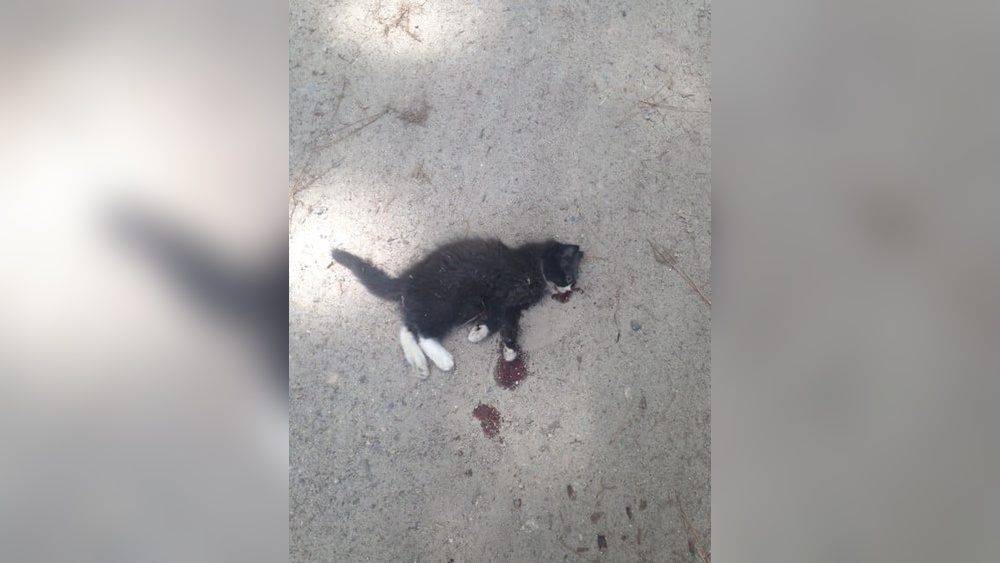
Imagine finding a helpless kitten lying by the roadside after being hit by a car. Your heart races, and you want to help immediately, but you might not know what to do first.
What if your quick actions could save that tiny life? In this guide, you’ll learn simple, clear steps to give the kitten the best chance to survive and recover. Keep reading, because knowing exactly how to respond in this critical moment can make all the difference.
Your kindness could be the reason this little life gets a second chance.

Credit: www.oipa.org
Assess The Situation
Assessing the situation is the first step after a kitten gets hit by a car. Act quickly but calmly. Your actions can make a big difference for the kitten’s survival and recovery.
Look around carefully. Understand the environment and the kitten’s condition before moving closer. This helps avoid danger for both you and the kitten.
Ensure Your Safety
Stop and check for traffic or other hazards nearby. Do not rush into the road or unsafe areas. Make sure you are safe before helping the kitten.
Wear gloves if possible. This protects you from germs and helps the kitten feel less scared. Approach slowly and speak softly to avoid startling it.
Check Kitten’s Condition
Look at the kitten carefully without touching it first. Notice if it is breathing and if there are visible wounds. Check for bleeding, broken bones, or unconsciousness.
Try to keep the kitten calm and still. Moving it too much can cause more harm. If the kitten is breathing and responsive, prepare to take it to a vet quickly.

Credit: www.youtube.com
Approach And Handle Gently
Approaching and handling a kitten hit by a car requires care and patience. The kitten may be scared and in pain. Gentle actions help prevent more injury. Calm movements can ease the kitten’s stress. Safe handling supports quicker help and healing.
Calm The Kitten
Speak softly to the kitten. Avoid loud noises or sudden moves. Gently stroke the kitten if it allows. Keep the environment quiet and still. This helps lower the kitten’s fear and anxiety. A calm kitten is easier to help.
Use Proper Lifting Techniques
Support the kitten’s body fully. Place one hand under the chest and the other under the hind legs. Lift slowly and steadily. Avoid squeezing or putting pressure on injured parts. Use a towel or blanket if needed. Proper lifting stops extra pain and damage.
Provide Immediate First Aid
Providing immediate first aid is crucial when a kitten is hit by a car. Quick action can save the kitten’s life and reduce pain. Focus on calming the kitten and assessing injuries fast. Follow these essential steps to help effectively before reaching a vet.
Control Bleeding
Stop bleeding to prevent shock and blood loss. Use a clean cloth or gauze to apply gentle pressure to wounds. Avoid removing objects stuck in the wounds. Keep pressure steady until bleeding slows or stops. Do not press too hard to avoid more damage.
Keep Kitten Warm
Shock can make kittens lose body heat quickly. Wrap the kitten in a warm towel or blanket. Avoid overheating; keep the temperature comfortable. Warmth helps maintain blood flow and supports recovery. Hold the kitten gently and keep it calm.
Check For Breathing And Pulse
Look for the kitten’s chest rising and falling to check breathing. Place your hand on the kitten’s chest to feel the heartbeat. If breathing or pulse is weak or absent, prepare for emergency rescue breaths or CPR. Time is critical in these moments.
Transport To Veterinarian
Transporting a kitten hit by a car requires care and calm. The goal is to keep the kitten safe and reduce pain during the trip to the vet. Proper transport can make a big difference in the kitten’s recovery chances.
Choose A Suitable Carrier
Pick a carrier that is sturdy and secure. Soft carriers may not protect the kitten well. Use a hard plastic carrier with good ventilation. Line the carrier with a soft towel or blanket. This adds comfort and absorbs any fluids. Avoid using boxes or bags that may collapse or cause stress.
Minimize Movement During Transport
Keep the kitten as still as possible. Sudden movements can cause more pain or injury. Place the carrier on a flat surface in the car. Use seat belts or cushions to prevent sliding. Drive slowly and avoid sharp turns or bumps. Speak softly to soothe the kitten’s nerves.
Communicate With The Vet
Communicating clearly with the vet is crucial after a kitten is hit by a car. The vet needs exact details to give the best care. Your information helps the vet understand the kitten’s condition quickly.
Speak calmly and focus on facts. Avoid guessing or adding too many emotions. Clear communication can save your kitten’s life.
Describe The Incident Clearly
Tell the vet exactly what happened. Say where and when the kitten was hit. Mention how fast the car was moving, if you know.
Explain how the kitten acted right after the accident. Was it moving or unconscious? Any bleeding or visible injuries?
Give the vet a full picture. This helps them prepare for treatment before you arrive.
Provide Kitten’s Medical History
Share any past health problems your kitten has had. Mention vaccinations, allergies, or ongoing treatments.
Tell the vet if the kitten takes any medicine. Include recent illnesses or surgeries.
This information helps the vet avoid harmful treatments and choose the safest options.

Credit: www.reddit.com
Follow Post-care Instructions
Helping a kitten recover after being hit by a car requires careful attention. Following post-care instructions is vital. This helps the kitten heal faster and avoid problems. Proper care shows your love and responsibility.
Administer Medications
Give all medicines exactly as the vet told you. Do not skip doses or stop early. Medicines help control pain and prevent infection. Use a syringe or dropper if the kitten resists pills. Keep medicine out of the kitten’s reach.
Monitor For Signs Of Complications
Watch the kitten closely every day. Look for swelling, redness, or bad smell from wounds. Check for vomiting, diarrhea, or loss of appetite. Notice if the kitten has trouble breathing or moves less. Report any unusual signs to the vet quickly.
Schedule Follow-up Visits
Take the kitten to all vet appointments. Follow-up visits let the vet check healing progress. The vet may change treatments based on recovery. Missing visits can delay healing or hide problems. Keep a calendar to remember appointments.
Prevent Future Accidents
Preventing future accidents is essential after a kitten is hit by a car. Protecting your kitten from harm keeps them safe and happy. Small changes around your home can make a big difference.
Helping your kitten avoid danger builds a safer environment for both of you.
Create Safe Outdoor Spaces
Make outdoor areas secure for your kitten. Use fences or enclosed patios to stop them from wandering. This keeps kittens away from busy roads and cars. Provide toys and shelter in these spaces. It helps your kitten enjoy outside time safely.
Use Identification Tags
Attach ID tags to your kitten’s collar. Include your phone number and address. Tags help others return your kitten if it gets lost. Consider microchipping as an extra safety step. Quick identification can save your kitten’s life.
Frequently Asked Questions
What Are The First Steps After A Kitten Is Hit By A Car?
Check the kitten for breathing and consciousness. Keep it calm and still. Wrap it gently in a towel. Transport to a vet immediately for professional care and injury assessment.
How To Safely Transport An Injured Kitten To The Vet?
Use a sturdy box or carrier lined with a soft cloth. Handle the kitten gently to avoid worsening injuries. Keep the carrier stable and quiet during transport to reduce stress.
What Signs Indicate A Kitten Needs Emergency Veterinary Care?
Look for breathing difficulty, bleeding, unconsciousness, or broken limbs. Severe pain or inability to move also requires urgent vet attention. Immediate care improves survival and recovery chances.
Can I Give First Aid To A Kitten Hit By A Car?
Only basic first aid like stopping bleeding with gentle pressure. Avoid moving the kitten excessively to prevent further injury. Professional veterinary care is crucial and should follow first aid.
Conclusion
Helping a kitten hit by a car requires quick and calm action. Stay safe and gently move the kitten to a quiet place. Check for injuries and call a vet right away. Keep the kitten warm and avoid giving food or water.
Your care can make a big difference in recovery. Acting fast saves lives. Always watch for signs of pain or shock. Remember, patience and kindness help the kitten heal better.