

Bringing a Ragdoll kitten into your home is an exciting experience filled with joy and love. But, to keep your furry friend happy and healthy, you need to know how to care for them properly.
You want your kitten to grow into a strong, playful, and affectionate cat, right? This guide will show you simple, effective ways to take care of your Ragdoll kitten every day. Keep reading to discover the secrets that will help your kitten thrive and become your perfect companion.
Choosing The Right Supplies
Choosing the right supplies for your Ragdoll kitten is important. Good supplies help your kitten feel safe and happy. They make daily care easier and more fun. Picking items that fit your kitten’s needs supports healthy growth. Here are key supplies to focus on for your new furry friend.
Food And Water Bowls
Select bowls that are easy to clean and sturdy. Stainless steel or ceramic bowls work best. They do not hold bacteria or odors. Avoid plastic bowls because they can cause allergies. Choose shallow bowls so your kitten can eat comfortably. Place them in a quiet, low-traffic spot for peace.
Litter Boxes
Pick a litter box with low sides for easy access. Ragdoll kittens enjoy privacy but need space to move. Avoid covered boxes at first to watch their habits. Use unscented, clumping litter to keep smells away. Clean the box daily to keep your kitten healthy.
Toys And Scratching Posts
Toys keep your Ragdoll active and entertained. Choose soft balls, feather wands, and interactive toys. Scratching posts save your furniture and satisfy scratching urges. Pick posts with carpet or sisal rope for scratching. Place toys and posts in different rooms to encourage play.
Comfortable Bedding
Provide a soft, warm bed for rest and sleep. Ragdolls love cozy spots with cushioning. Look for beds that are easy to wash. Place the bed in a quiet, draft-free corner. This helps your kitten feel safe and relaxed.
Feeding Your Ragdoll Kitten
Feeding your Ragdoll kitten is a key part of its health and growth. Proper nutrition helps build strong bones and a shiny coat. It also supports energy levels and overall well-being. Understanding what and how to feed your kitten is essential for its happy life.
Best Kitten Food Options
Choose kitten food rich in protein and nutrients. Wet food helps keep kittens hydrated. Dry food supports dental health by reducing plaque. Look for products labeled for kittens, not adult cats. High-quality brands use real meat and avoid fillers. Balanced food ensures your Ragdoll gets vitamins and minerals.
Feeding Schedule
Feed your Ragdoll kitten three to four times daily. Small, frequent meals suit their small stomachs. Keep fresh water available at all times. Gradually adjust meal portions as your kitten grows. Stick to the routine to prevent overeating or hunger. Consistent feeding times help develop good habits.
Avoiding Harmful Foods
Never give your kitten chocolate or caffeine. Onions, garlic, and grapes cause serious health problems. Avoid raw eggs and raw meat to prevent infections. Dairy products can upset your kitten’s stomach. Human snacks often contain harmful ingredients. Stick to safe, kitten-approved treats only.
Creating A Safe Environment
Creating a safe environment is key to raising a happy ragdoll kitten. These cats are curious and gentle. They explore everything around them. A protected space keeps them safe from harm. It helps them feel calm and secure. This section covers easy ways to make your home kitten-friendly.
Kitten-proofing Your Home
Remove small objects that kittens can swallow. Cover electrical cords to stop chewing. Keep cleaning supplies and medicines out of reach. Block off areas where a kitten could get stuck. Check windows and balconies for safety. Secure loose wires and cords. These steps prevent accidents and injuries.
Safe Spaces For Rest
Kittens need quiet places to sleep and relax. Provide soft beds in calm corners. Avoid noisy or busy rooms. Make sure the resting area is warm and cozy. A safe space helps kittens feel secure. They recharge and grow strong in peaceful spots.
Managing Other Pets
Introduce your kitten slowly to other pets. Keep first meetings short and calm. Watch how pets react to each other. Separate them if any stress or aggression shows. Create separate feeding and resting areas. Patience helps build trust between animals. A calm start leads to peaceful living.
Grooming Essentials
Grooming your Ragdoll kitten keeps its coat healthy and soft. It also helps you spot any skin or health issues early. Regular grooming builds trust and makes your kitten feel loved.
Brushing Techniques
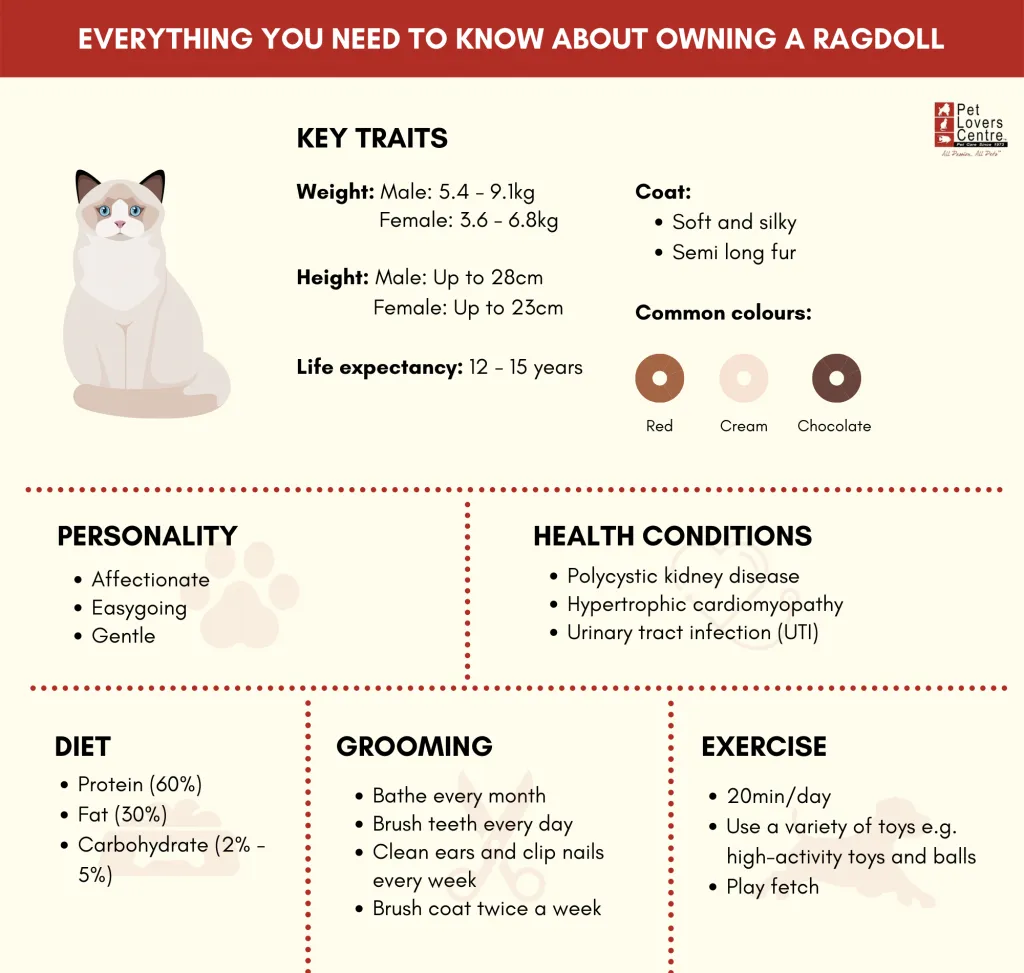
Use a soft brush made for long-haired cats. Brush gently in the direction of hair growth. Start with short sessions to get your kitten used to it. Focus on areas prone to mats, like behind ears and under legs. Brush at least three times a week to prevent tangles.
Bathing Tips
Bath your kitten only when necessary, like if it is very dirty. Use warm water and a kitten-safe shampoo. Wet the fur slowly and avoid the face. Rinse thoroughly to remove all soap. Dry your kitten with a soft towel and keep it warm until fully dry.
Nail Trimming
Trim your kitten’s nails every two weeks. Use small, sharp nail clippers made for cats. Hold the paw gently and press to extend the nails. Cut only the sharp tip, avoiding the pink quick inside. Stop if your kitten shows signs of pain or stress.
Ear And Eye Care
Check ears weekly for dirt or wax buildup. Use a soft cloth or cotton ball dampened with warm water. Wipe the outer ear gently; avoid inserting anything inside. Clean your kitten’s eyes with a damp cloth if you see discharge. Healthy eyes are clear and bright.
Health And Vet Care
Keeping your Ragdoll kitten healthy is very important. Good health means a happy and long life. Proper vet care helps catch problems early. It also keeps your kitten strong and active. This section covers key health tips and vet care advice.
Vaccination Schedule
Vaccines protect your kitten from dangerous diseases. Start vaccinations at six to eight weeks old. Your vet will suggest a schedule to follow. Core vaccines include feline distemper, calicivirus, and rabies. Booster shots are needed every year or as advised. Follow the schedule strictly to keep your kitten safe.
Common Health Issues
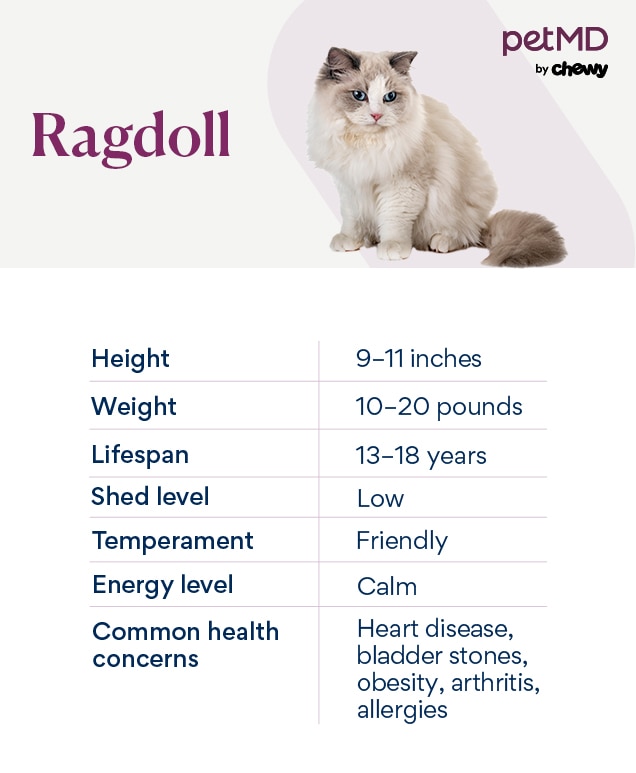
Ragdolls can face some health problems. Hypertrophic cardiomyopathy is a heart disease to watch for. Kidney disease and bladder infections also occur. Watch your kitten for signs like tiredness or loss of appetite. Early detection helps treat problems faster. Regular vet visits can spot these issues early.
Regular Vet Checkups
Schedule vet visits every six months or as your vet suggests. These checkups help track your kitten’s growth and health. The vet will check teeth, ears, and weight. They will also update vaccines and give parasite treatments. Regular visits ensure your kitten stays healthy and happy.
Credit: www.petmd.com
Training And Socialization
Training and socialization shape your Ragdoll kitten’s behavior. They learn manners and trust through early experiences. Proper training helps avoid problems later. Socialization teaches them to feel safe around people and new things. Start these habits as soon as your kitten comes home. Consistent, gentle guidance builds a strong bond.
Litter Training Tips
Choose a quiet spot for the litter box. Use a shallow box for easy access. Show your kitten the box right after meals and naps. Clean the box daily to keep it fresh. Praise your kitten when they use the box correctly. Avoid punishment for accidents; stay patient and calm.
Handling And Playtime
Handle your kitten gently every day. Touch their paws, ears, and tail softly. This helps them get used to being held. Play with toys that mimic prey, like feathers or strings. Short play sessions keep your kitten active and happy. Avoid rough play that may cause biting or scratching. Always stop play if your kitten becomes too rough.
Introducing To New People
Let your kitten meet new people slowly. Keep meetings short and calm at first. Allow the kitten to approach on their own. Reward calm behavior with treats or pets. Avoid loud noises or sudden movements around your kitten. This helps them feel safe and confident. Gradually increase social time as your kitten grows.
Recognizing Behavior Patterns
Recognizing behavior patterns in your Ragdoll kitten helps you understand their needs. It builds trust and keeps your kitten happy. Watching how they act daily shows you their mood and health. You can spot problems early and respond with care. Knowing normal behavior guides you in training and playtime. Let’s explore key signs and habits to watch.
Signs Of Stress Or Illness
Changes in eating or sleeping can signal illness. Your kitten may hide or stay quiet more than usual. Excessive grooming or scratching might show stress or allergies. Watch for limping or changes in movement. Sudden aggression or fear can mean pain or discomfort. Early attention helps your kitten recover faster.
Understanding Play Behavior
Play teaches your kitten important skills and builds bonds. Pouncing, chasing, and batting toys are normal actions. Gentle biting or scratching during play is common but should be controlled. Your kitten may switch quickly from calm to active. Respect their limits to avoid stress. Playtime also helps them burn energy and stay healthy.
Encouraging Positive Habits
Reward good behavior with treats or gentle praise. Provide scratching posts to protect your furniture. Keep litter boxes clean to encourage proper use. Set a routine for feeding and play to create security. Avoid harsh punishments that scare your kitten. Positive habits lead to a happy, well-adjusted cat.

Credit: untamed.com
Credit: blog.petloverscentre.com
Frequently Asked Questions
How Often Should I Feed My Ragdoll Kitten?
Feed your Ragdoll kitten three to four small meals daily. Use high-quality kitten food rich in protein. Fresh water should always be available. Adjust portions as your kitten grows for healthy weight gain.
What Vaccinations Does A Ragdoll Kitten Need?
Ragdoll kittens require core vaccines like FVRCP and rabies. Consult your vet for a vaccination schedule. Early vaccinations protect kittens from common diseases. Regular boosters ensure long-term immunity.
How Do I Groom A Ragdoll Kitten?
Brush your Ragdoll kitten’s coat two to three times weekly. Use a soft brush to prevent matting and hairballs. Regular grooming improves coat health and bonding. Check ears and trim nails as needed.
When Should I Start Litter Training My Kitten?
Begin litter training immediately when bringing your kitten home. Place them in the litter box after meals and naps. Use a clean, accessible litter box with kitten-friendly litter. Positive reinforcement encourages good habits.
Conclusion
Caring for your Ragdoll kitten needs patience and love. Feed them good food and keep their water fresh. Brush their fur often to avoid tangles and hairballs. Give them a safe, cozy space to rest and play. Watch their health and visit the vet regularly.
Spend time playing and bonding every day. These small steps help your kitten grow happy and strong. Enjoy the special moments with your new furry friend. Taking care of your Ragdoll kitten brings joy and trust. Keep learning and adapting to their needs over time.