

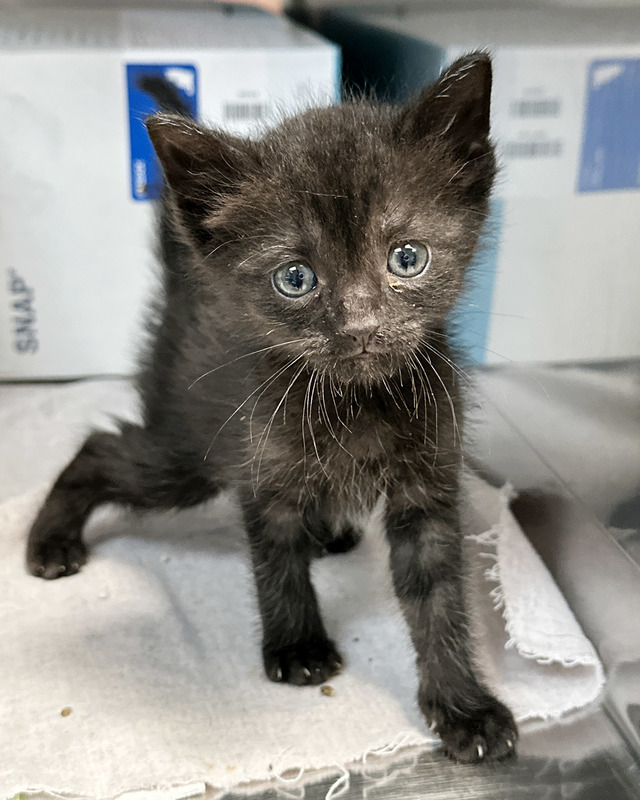
Finding a stray underage kitten can be both heartwarming and overwhelming. You want to help, but you might not know where to start or what the kitten truly needs.
How do you keep such a tiny, fragile creature safe and healthy? This guide is made just for you. You’ll learn simple, practical steps to care for that little life in your hands. Keep reading, because every moment counts when it comes to saving and nurturing a vulnerable kitten.
Your actions now can make all the difference.
Credit: www.friendsofstrays.org
Assessing Kitten’s Condition
When you find a stray underage kitten, the first step is to assess its condition. This helps decide what care the kitten needs. Quick and careful checks can save the kitten’s life.
Assessing the kitten’s condition means looking for health problems and understanding its age. This guides feeding and medical care.
Checking For Immediate Health Issues
Look for wounds, bleeding, or swelling on the kitten’s body. Check if the kitten is breathing well and has a steady heartbeat. Notice if the kitten is weak or unresponsive. Look at the eyes and nose for discharge or crusts. Feel the kitten’s body for signs of fever or coldness. Clean wounds gently and keep the kitten warm. Seek urgent help if you see serious injuries or breathing trouble.
Determining Age And Development Stage
Look at the kitten’s eyes to estimate age. Eyes open at about 7 to 10 days old. Check the teeth to see how many have grown. Kittens start to get teeth at 2 to 3 weeks. Notice if the kitten can walk or crawl. Newborns cannot walk but older kittens start moving at 3 weeks. Knowing the age helps decide feeding type and care level. Younger kittens need bottle feeding and more warmth.

Credit: www.yateshumane.org
Creating A Safe Space
Creating a safe space is the first step in caring for a stray underage kitten. The kitten needs a quiet, warm, and secure area. This space helps the kitten feel calm and protected.
Young kittens are fragile and need a place free from noise and danger. A safe area supports their health and growth. It also makes feeding and handling easier.
Choosing A Comfortable Shelter
Select a small box or pet carrier for the kitten’s shelter. Line it with soft towels or blankets. The bedding should be clean and cozy.
Place the shelter in a quiet corner away from pets and loud sounds. Avoid direct sunlight or drafts. The shelter should feel like a safe nest.
Maintaining Warmth And Cleanliness
Kittens cannot keep themselves warm well. Use a heating pad or warm water bottle wrapped in a towel. Keep the heat gentle to avoid burns.
Check the bedding daily. Replace it if wet or dirty. A clean space lowers the risk of illness and keeps the kitten comfortable.
Feeding The Kitten
Feeding a stray underage kitten is critical for its survival and growth. These tiny creatures need proper nutrition to stay healthy. Feeding them the right way helps build trust and keeps them strong.
Selecting Appropriate Food
Choose kitten formula if the kitten is very young. Avoid cow’s milk; it can cause stomach problems. For older kittens, use wet kitten food that is soft and easy to eat. Dry food can be introduced slowly after a few weeks. Always pick food made for kittens, as it has the right nutrients.
Establishing A Feeding Schedule
Feed the kitten small amounts often. Newborns need feeding every 2-3 hours. Older kittens can eat 4-5 times a day. Keep feeding times consistent. This helps the kitten feel secure and builds a routine. Watch for hunger signs like crying or restlessness.
Avoiding Harmful Foods
Never give the kitten chocolate, onions, or garlic. These foods are toxic and dangerous. Avoid giving cow’s milk or human food with spices. Do not feed raw meat or eggs, which can carry germs. Stick to kitten-safe food to keep the kitten healthy and safe.
Hydration Essentials
Keeping a stray underage kitten hydrated is very important. Water helps their small bodies work well. It keeps their skin soft and their organs healthy. Without enough water, kittens can get very sick fast. Knowing how to give water and spot dehydration helps save their lives.
Providing Clean Water
Always offer fresh, clean water in a shallow dish. Change the water twice a day. Use a small bowl so the kitten can reach it easily. Avoid deep or heavy containers. Place the water near the kitten’s resting area. This makes drinking simple and stress-free. Do not force the kitten to drink. Let it drink at its own pace.
Signs Of Dehydration
Watch for dry gums and sunken eyes. The kitten may feel weak or sleep more than usual. Skin that stays lifted after pinching means low hydration. The kitten might have a fast heartbeat or be restless. These signs show urgent care is needed. Offer fluids slowly and gently. Seek veterinary help if signs worsen or do not improve.
Health Care Basics
Caring for a stray underage kitten means focusing on its health. Young kittens are fragile and need special care. Knowing the health basics helps you keep them safe and strong.
Watch their body and behavior closely. Small changes can show illness early. Good health care lowers risks and helps kittens grow well.
Monitoring For Illness
Check the kitten daily for signs of sickness. Look for sneezing, coughing, or runny eyes. Notice if the kitten eats less or seems weak. Soft stools or no stool at all need attention. Warmth is important. Cold kittens get sick faster. Keep a small notebook to write down changes.
When To Visit A Veterinarian
Seek a vet if you see these signs: vomiting, diarrhea, or trouble breathing. If the kitten is very weak or not eating, get help fast. A vet can check for infections and give vaccines. Early treatment can save a kitten’s life. Don’t wait if you feel unsure.
Administering Basic Medications
Only use medicines approved for kittens. Follow the vet’s instructions exactly. Use a syringe or dropper for liquid medicines. Avoid giving human medicine without advice. Keep the kitten calm during medication. Praise or gentle petting helps. Watch for side effects like rash or vomiting.
Credit: www.friendsofstrays.org
Socializing And Handling
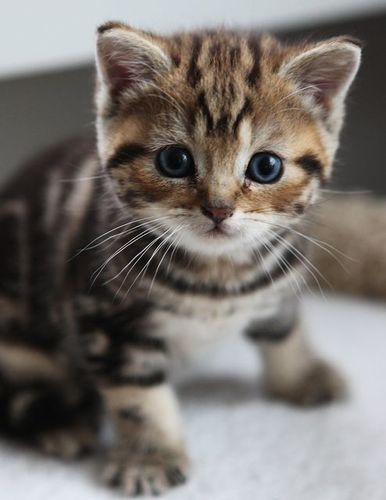
Socializing and handling a stray underage kitten is key to helping it feel safe and loved. This process takes time and patience. The kitten needs to trust you before it shows its true personality. Proper socialization helps the kitten become friendly and calm around people. Handling with care prevents fear and stress. It also builds a strong bond between you and the kitten.
Building Trust And Comfort
Start by sitting quietly near the kitten. Let it see and smell you without rushing. Speak softly to calm the kitten’s nerves. Offer small treats to create positive feelings. Avoid sudden movements or loud noises. Give the kitten space to explore at its own pace. Trust grows slowly. Be patient and consistent every day.
Gentle Handling Techniques
Use both hands to lift the kitten gently. Support its chest and back legs carefully. Hold the kitten close to your body for warmth. Avoid squeezing or holding too tightly. Keep handling sessions short at first. Increase the time as the kitten becomes more comfortable. Always watch for signs of stress. Stop if the kitten seems scared or upset.
Litter Training Tips
Litter training is vital for a stray underage kitten’s care. It helps keep your home clean and the kitten healthy. Teaching a kitten to use a litter box needs patience and the right approach. Small steps make a big difference.
Choosing The Right Litter Box
Pick a litter box that is low and easy to enter. Young kittens struggle with high sides. A small box fits their size better. Avoid covered boxes at first. Open boxes help kittens find the litter easily. Use soft, unscented litter to protect sensitive paws. Change the litter often to keep it fresh and clean.
Encouraging Consistent Use
Place the kitten in the litter box after eating or waking up. These are common times kittens need to go. Praise or gently pet the kitten when it uses the box. Keep the box in a quiet, safe spot. Avoid moving it often, so the kitten remembers where it is. If accidents happen, clean the area well to remove smells. This stops the kitten from returning to the same spot.
Long-term Care Planning
Long-term care planning is key for a stray underage kitten’s future. It means more than just feeding and shelter. It involves finding a safe and loving home. It also includes support and health care for the kitten. This plan helps the kitten grow healthy and happy. It also reduces stress for the caretaker. Start early to make the best choices for the kitten’s life ahead.
Preparing For Adoption
Prepare the kitten by socializing it gently. Handle the kitten daily to build trust. Introduce toys and soft sounds to ease fears. Keep the kitten clean and healthy with regular vet visits. Provide a balanced diet suitable for its age. Create a warm and safe space at home. Gather essential supplies like litter boxes and food bowls. Write down the kitten’s health records and habits. Share these details with potential adopters to ensure good care.
Connecting With Rescue Organizations
Find local rescue groups that help stray kittens. These groups offer support and resources for care. They can assist with medical needs and foster homes. Contact them early to discuss your situation. Rescue organizations often have networks to find adopters. They provide advice on health and behavior issues. Working with them increases the kitten’s chances of a good home. Stay in touch and update them about the kitten’s progress.
Frequently Asked Questions
How Do I Safely Approach A Stray Underage Kitten?
Approach slowly and calmly to avoid scaring the kitten. Use soft voices and offer your hand for sniffing. Avoid sudden movements and never grab the kitten abruptly.
What Should I Feed A Stray Kitten Under 8 Weeks?
Feed kitten formula or wet kitten food designed for young kittens. Avoid cow’s milk as it can cause digestive issues. Use a bottle or shallow dish for feeding.
How Can I Keep A Stray Kitten Warm?
Use a heating pad set on low or a warm water bottle wrapped in a towel. Keep the kitten in a cozy, draft-free space to maintain body temperature.
When Should I Take A Stray Kitten To The Vet?
Take the kitten to a vet within 24-48 hours for a health checkup and vaccinations. Early vet care helps prevent diseases and ensures proper growth.
Conclusion
Caring for a stray underage kitten takes patience and love. Provide warmth, food, and gentle care every day. Watch the kitten closely for health signs. Seek help from a vet or rescue group soon. Small steps make a big difference in their life.
Saving a tiny kitten is a kind, rewarding act. You can give hope and a second chance. Keep learning and stay patient throughout the process. Every kitten deserves a safe and happy home. Your care truly matters to these little lives.