
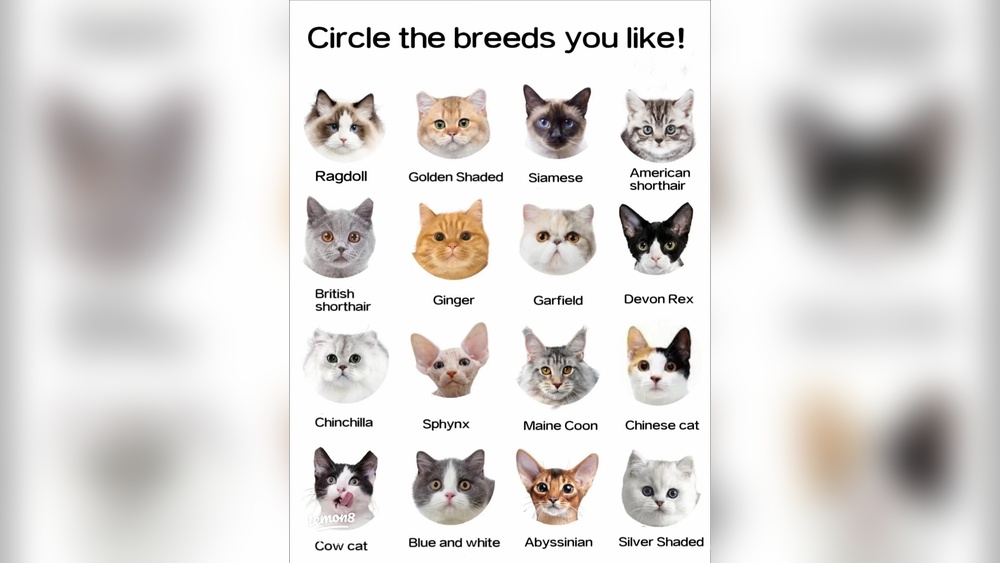
Do you ever find yourself staring at a cat and wondering, “What breed is that?” Knowing how to learn cat breeds can unlock a whole new level of appreciation for these fascinating animals. Whether you’re a cat lover, thinking of adopting, or just curious, understanding the differences between breeds helps you connect with cats better.
You’ll discover simple ways to recognize popular cat breeds, spot their unique traits, and even impress your friends with your newfound knowledge. Ready to become a cat breed expert? Let’s dive in!

Credit: www.victorpest.com
Cat Breed Basics
Learning about cat breeds starts with understanding their basic features. Each breed has unique traits but also shares some common ones.
Knowing these basics helps you recognize different cats easily. It also makes learning about new breeds simpler.
Common Traits Across Breeds
Many cat breeds share traits like a strong hunting instinct. Most cats enjoy climbing and exploring. They use their whiskers to sense their environment. Cats also groom themselves regularly to stay clean. These traits appear in almost all breeds.
Breed Categories
Cats fall into groups based on traits. Some breeds are long-haired, while others have short hair. There are also breeds known for their playful nature. Some cats are calm and quiet. Understanding these categories helps identify a breed’s personality and care needs.
Physical Characteristics To Note
Look at size, coat color, and eye shape to identify breeds. Some cats have flat faces, others have long noses. Ear shape and tail length also differ between breeds. Coat patterns like stripes or spots are key features. These details make each breed special.

Credit: www.aspcapetinsurance.com
Popular Cat Breeds
Popular cat breeds show a wide range of looks and personalities. They help people choose the right pet for their home and lifestyle. Knowing these breeds makes it easier to recognize cats and understand their behavior.
Here are some well-known cat breeds to learn about. Each has special traits and charm that make it unique.
Domestic Shorthair And Longhair
Domestic Shorthair cats have short, easy-to-care-for coats. They come in many colors and patterns. Domestic Longhair cats have longer fur that needs regular grooming. Both types are friendly and adaptable pets.
Siamese And Oriental
Siamese cats are famous for their striking blue eyes and short coats. They are talkative and social animals. Oriental cats look similar but have many coat colors. They are playful and love attention from people.
Maine Coon And Norwegian Forest
Maine Coon cats are large with tufted ears and bushy tails. They have thick fur to stay warm. Norwegian Forest cats also have thick coats and strong builds. Both breeds enjoy climbing and exploring.
Persian And Exotic
Persian cats have long, fluffy fur and flat faces. They prefer calm and quiet homes. Exotic cats look like Persians but have short fur. They are easier to groom and just as gentle.
Bengal And Savannah
Bengal cats have spotted coats that look like wild leopards. They are active and love to play. Savannah cats are a mix between domestic cats and wild servals. They are tall, sleek, and full of energy.
Distinctive Features
Recognizing different cat breeds starts with noticing their distinctive features. These features help tell one breed from another. Each breed has unique traits that make it special. Observing these details makes learning cat breeds easier and more fun.
Coat Patterns And Colors
Cat coats show many patterns and colors. Some have stripes, spots, or patches. Colors range from black, white, orange, to gray. Some breeds have solid colors, while others mix shades. The coat texture can be short, long, or curly. These traits help identify the breed quickly.
Eye Shapes And Colors
Cat eyes vary in shape and color. Some breeds have round eyes, others almond-shaped. Eye color can be green, blue, yellow, or copper. Certain breeds show unique eye colors or patterns. Eyes give clues about a cat’s breed and character.
Body Size And Shape
Body size differs among cat breeds. Some are small and delicate, others large and muscular. Shapes can be slim, stocky, or medium build. Body length and leg height also vary. These features show how active or calm a breed might be.
Ear And Tail Variations
Ear shapes tell a lot about a breed. Some cats have pointed ears, others rounded or folded. Tail length and thickness also differ. Some breeds have long, fluffy tails. Others have short or kinked tails. These details help spot the breed quickly.
Learning Techniques
Learning about different cat breeds can be fun and exciting. Using the right techniques helps you remember key features. It also makes the process easy and interesting. Here are some effective ways to learn about cat breeds.
Using Visual Guides And Books
Visual guides show pictures of many cat breeds. Books explain each breed’s traits and history. Use guides with clear photos and simple descriptions. Reading helps you understand breed differences quickly. Keep a book or guide handy for quick reference.
Watching Videos And Documentaries
Videos bring cat breeds to life with moving images. Documentaries share stories about breed origins and care. Watching these helps you see how cats move and act. Listen to experts explain breed traits in easy language. This method makes learning more fun and real.
Joining Cat Enthusiast Groups
Groups of cat lovers share knowledge and tips. Join online forums or local clubs to meet others. Ask questions and share what you learn. Talking with others helps you remember facts better. It also connects you with people who love cats like you.
Attending Cat Shows And Events
Cat shows display many breeds in one place. You can see cats up close and ask breeders questions. Events often have experts who explain breed features. This hands-on experience helps you recognize breeds easily. It also gives you a chance to enjoy the cat community.
Practical Identification Tips
Learning to identify cat breeds can be fun and rewarding. Practical tips help you recognize different breeds quickly. Focus on key behaviors, physical traits, and trusted resources. This approach makes breed identification easier and more accurate.
Spotting Breed-specific Behaviors
Each cat breed has unique behaviors. Some breeds are more active, while others are calm. For example, Siamese cats often talk a lot. Maine Coons enjoy playing in water. Watch how a cat moves and interacts. This gives clues about its breed.
Comparing Similar Breeds
Many cat breeds look alike. Study small differences in size, ear shape, and fur length. Persian cats have flat faces, unlike the longer noses of Exotic Shorthairs. Note color patterns too. Careful comparison helps avoid confusion between breeds.
Using Apps And Online Resources
Apps can identify cat breeds from photos. Upload a clear picture to get breed suggestions. Use trusted websites with breed guides and images. These tools support learning and confirm your guesses. They make breed identification simple and fun.
Consulting With Veterinarians And Breeders
Experts provide reliable breed information. Veterinarians observe health traits linked to breeds. Breeders know breed history and care tips. Ask questions and share photos. Their advice helps you learn breed features accurately.
:strip_icc()/smartest-cat-breeds-4589754-hero-e192f849d9f1442481c47c932cd36aa8.jpg)
Credit: www.thesprucepets.com
Tracking Your Progress
Tracking your progress helps you learn cat breeds better. It shows what you know and what needs work. Keeping track makes learning fun and clear. You can see your growth over time and stay motivated.
Creating A Breed Journal
Write down each cat breed you study. Include key traits like size, color, and personality. Add pictures or draw sketches to remember details. Update your journal after every study session. This habit improves memory and understanding.
Testing Your Knowledge
Quiz yourself regularly on the breeds you learned. Use flashcards or write questions about breed features. Check your answers to find gaps in knowledge. Testing helps move information from short-term to long-term memory.
Engaging In Online Quizzes And Forums
Join online quizzes about cat breeds to challenge yourself. Participate in forums to ask questions and share facts. Reading others’ posts can teach new information. Engaging with a community keeps learning interesting and active.
Frequently Asked Questions
What Are The Easiest Cat Breeds To Learn About?
The easiest cat breeds to learn are popular ones like Siamese, Persian, and Maine Coon. These breeds have distinct features and plenty of resources available. Starting with well-known breeds helps you quickly recognize key traits and behaviors.
How Can I Identify Cat Breeds Visually?
Focus on coat patterns, body shape, ear type, and eye color. Each breed has unique physical traits. Use breed guides and comparison charts to sharpen your visual identification skills effectively.
What Resources Help In Learning Cat Breeds Fast?
Books, online databases, and cat breed apps are excellent resources. Joining cat enthusiast groups and forums also provides practical knowledge. Consistent study and interaction with experts accelerate learning.
Why Is Learning Cat Breeds Important For Owners?
Knowing cat breeds helps in understanding behavior, health needs, and care requirements. It aids in choosing the right pet and improving communication with veterinarians. Breed knowledge enhances responsible pet ownership.
Conclusion
Learning about cat breeds can be fun and rewarding. Start with common breeds and their features. Use books, websites, and videos to help you learn. Visit shelters to see cats in person. Take notes on what makes each breed special.
Practice regularly to remember details better. Enjoy the process and stay curious. Soon, you will recognize many cat breeds easily. Keep exploring and learning about these lovely animals.