
How many toys per cat should you really have? If you’ve ever wondered whether one toy is enough or if your furry friend needs a whole basket full, you’re not alone.
Your cat’s happiness and health depend a lot on playtime, but too few toys can lead to boredom, while too many might overwhelm them. Finding the right balance can be tricky, but it’s easier than you think. Keep reading, and you’ll discover simple tips to keep your cat entertained, active, and truly content every day.

Credit: www.amazon.com
Ideal Toy Quantity
Finding the ideal number of toys for your cat can improve their happiness. Too few toys might cause boredom. Too many can create clutter and confusion. The right balance depends on several factors. Understanding these helps you provide the best play environment.
Factors Influencing Toy Needs
Each cat is unique. Some enjoy chasing feathers, while others prefer soft balls. Their personality affects toy preferences. Space also matters. A large home supports more toys. Smaller spaces might need fewer toys. Quality beats quantity. One interactive toy can be better than many simple ones.
Age And Activity Level
Kittens need many toys to burn energy. Older cats prefer gentler play. They may enjoy soft toys or puzzles. Active cats require more stimulation. Calm cats might like just a few favorite toys. Watch your cat’s play style. Adjust toys to match their energy and interest.
Multiple Cats In One Household
More cats mean more toys. Each cat needs its own toys to avoid fights. Shared toys can cause stress. Offer a variety to keep peace. Rotate toys regularly to keep all cats interested. This reduces boredom and helps them bond.
Types Of Toys
Cats need different types of toys to stay happy and healthy. Toys help them play, move, and think. Each type of toy has a special role in your cat’s daily fun.
Choosing the right mix of toys can keep your cat busy and reduce boredom. Let’s explore the main types of toys your cat will enjoy.
Interactive Toys
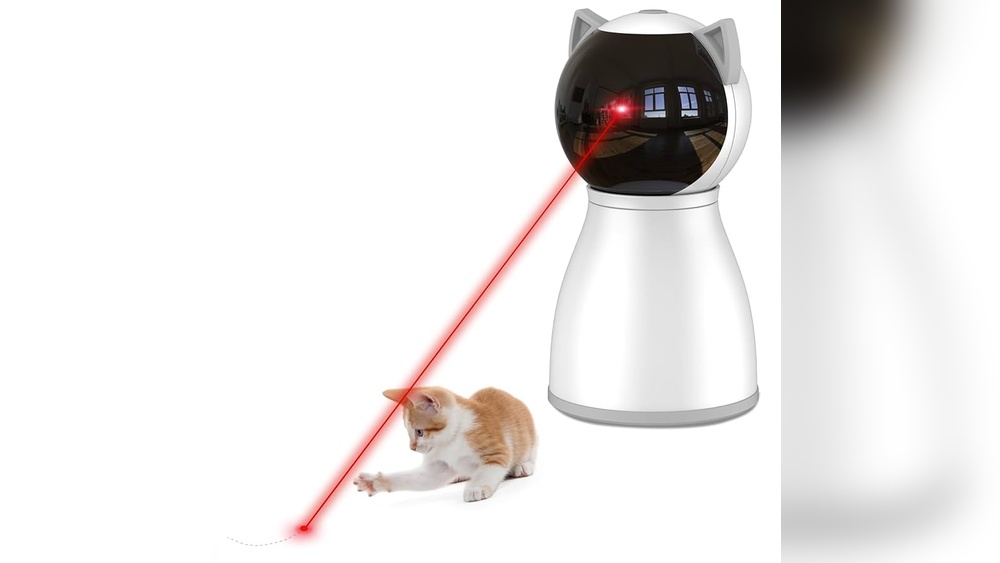
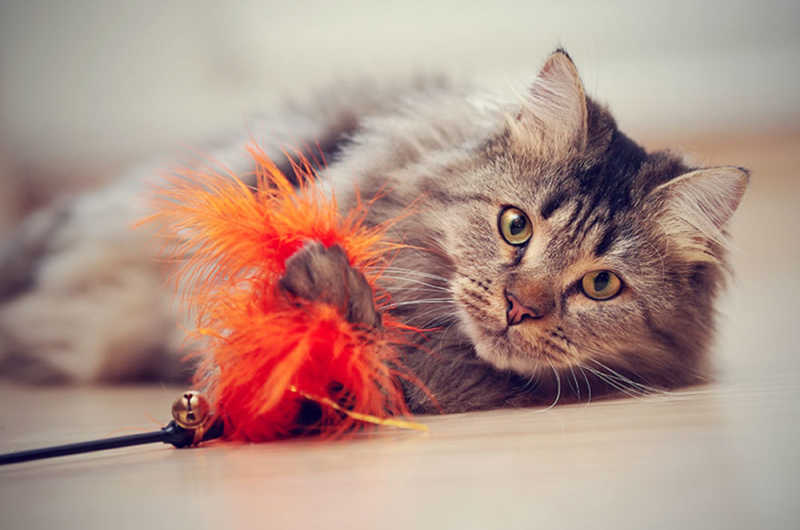
Interactive toys encourage you and your cat to play together. Examples include feather wands and laser pointers. These toys help build a bond and provide exercise. They keep your cat active and alert during playtime.
Solo Play Toys
Solo play toys are for cats to enjoy alone. Balls, plush mice, and crinkle tunnels are good choices. These toys keep cats entertained when you are not around. They allow your cat to hunt and pounce safely inside.
Mental Stimulation Toys
Mental stimulation toys challenge your cat’s brain. Puzzle feeders and treat-dispensing balls make your cat think. These toys slow down eating and reduce stress. They help keep your cat smart and curious.
Toy Rotation Benefits
Rotating toys for your cat brings many benefits. It keeps their playtime fresh and exciting. Cats love new challenges and surprises. Changing toys often helps maintain their interest. This simple habit also helps you manage the number of toys at home. Let’s explore how toy rotation helps cats stay happy and healthy.
Keeping Cats Engaged
Cats get bored with the same toys quickly. Rotating toys gives them something new to explore. New toys spark curiosity and encourage play. This keeps your cat active and mentally sharp. It helps prevent laziness and over-sleeping during the day.
Preventing Boredom
Bored cats can develop bad habits like scratching furniture. Changing toys prevents boredom by offering variety. Different textures and shapes keep cats interested. It also reduces stress and anxiety in cats. Happy cats are healthier and more affectionate.
Extending Toy Lifespan
Using all toys evenly prevents wear and tear. Rotating toys means no toy is overused or forgotten. This spreads out the damage and keeps toys lasting longer. You save money by not replacing toys too soon. Clean and inspect toys during rotation for safety.
Credit: www.smalldoorvet.com
Signs Your Cat Needs More Toys
Cats need toys to stay happy and healthy. Toys keep their minds active and bodies moving. Without enough toys, cats may show signs of boredom or stress. Spotting these signs helps you know when to add new toys.
Behavioral Clues
Your cat may seem restless or unhappy. They might meow more or act clingy. Some cats pace or stare at empty spaces. These behaviors can mean they want more playtime. Toys help them focus and reduce anxiety.
Energy Levels
Watch how much your cat moves each day. Low energy might show boredom or sadness. High energy with no outlet can lead to bad behavior. More toys encourage exercise and burn extra energy. It keeps your cat calm and satisfied.
Destructive Habits
Chewing furniture or scratching more than usual is a red flag. Cats need outlets for their natural instincts. Lack of toys can cause them to act out. Providing different toys helps protect your home. It also keeps your cat’s mind busy and happy.
Safe Toy Materials
Choosing safe toy materials is very important for your cat’s health. Cats love to chew and play, so their toys must be safe and strong. Poor materials can harm your cat or break easily. This can cause choking or other risks. Always pick toys made from safe and durable materials. They keep your cat happy and secure during playtime.
Non-toxic Components
Toys should be free from toxic chemicals and dyes. Cats may chew or lick their toys often. Toxic substances can cause sickness or allergies. Look for toys labeled non-toxic or safe for pets. Natural materials like cotton or wood are good choices. Avoid toys with harmful paints or glues. Safe materials help keep your cat healthy and happy.
Durability Factors
Durable toys last longer and resist damage. Cats can be rough when playing or biting. Weak toys break into small pieces easily. Strong materials like thick rubber, nylon, or tightly woven fabric work well. Durable toys save money and reduce risks. Replace toys that show signs of wear or damage. Long-lasting toys keep your cat entertained safely.
Avoiding Small Parts
Small parts can be dangerous if swallowed. Loose buttons, beads, or feathers can cause choking. Choose toys that do not have tiny or detachable pieces. Check toys regularly for loose parts or damage. Avoid toys with strings or ribbons that may wrap around paws or neck. Safe toys protect your cat from accidents and injuries.
Diy Toy Ideas
DIY toys bring fun and excitement to your cat’s playtime. They save money and use things found at home. Creating toys yourself lets you customize size and shape. Cats enjoy new textures and smells from homemade toys. Here are easy ideas to start making toys today.
Household Items As Toys
Many common items can become cat toys. A crumpled paper ball is fun to chase. Empty cardboard boxes turn into hiding spots and tunnels. Bottle caps slide across floors for quick swats. Old socks filled with catnip make soft, fragrant toys. Use what you have to keep cats busy and happy.
Simple Craft Projects
Crafting toys requires little time or skill. Tie feathers to a string and stick for a teaser. Sew small pouches filled with dried herbs for a scent lure. Make a felt mouse by cutting shapes and adding thread. Use popsicle sticks to build small cat puzzles. These crafts keep cats entertained and active.
Budget-friendly Options
Affordable toys do not mean less fun. Use yarn scraps to create balls or knots. Recycle plastic containers into treat dispensers. Paper towel rolls become tunnels or batting toys with some cuts. Old T-shirts cut into strips make soft pull toys. These ideas save money and give cats joyful playtime.
Incorporating Playtime
Incorporating playtime into your cat’s daily life is essential for their happiness and health. Play helps cats use energy, stay active, and reduce stress. Having the right number of toys is important, but how you play matters just as much.
Daily Play Routines
Set aside short play sessions each day. Cats enjoy 10 to 15 minutes of active play twice daily. Consistent routines help cats feel secure and excited. Use different toys during each session to keep interest high. Daily play also strengthens your bond with your cat.
Interactive Play Tips
Choose toys that move or make noise to catch attention. Use wand toys or laser pointers to mimic hunting. Let your cat chase and pounce on the toy. Change the pace to keep your cat alert and engaged. Avoid using your hands as toys to prevent biting habits.
Encouraging Physical Activity
Encourage jumping and climbing with tall cat trees or shelves. Hide toys around the house to promote exploration. Rotate toys regularly to keep playtime fresh and exciting. Active play helps maintain a healthy weight and strong muscles. A tired cat is a happy cat.

Credit: www.aaha.org
Frequently Asked Questions
How Many Toys Does One Cat Need?
A single cat benefits from 5 to 7 toys to stay engaged. Variety keeps cats mentally and physically active. Rotate toys regularly to maintain interest and prevent boredom.
Can Multiple Cats Share Toys Safely?
Yes, cats can share toys, but having individual toys is best. This reduces competition and stress. Ensure enough toys are available to avoid conflicts and promote harmony.
What Types Of Toys Are Best For Cats?
Interactive toys, wand toys, and small balls are ideal. These stimulate hunting instincts and encourage exercise. Include a mix of textures and movements for maximum engagement.
How Often Should Cat Toys Be Replaced?
Replace worn or damaged toys every 2 to 3 months. Fresh toys keep cats interested and prevent choking hazards. Regularly inspect toys for safety and hygiene.
Conclusion
Cats need a variety of toys to stay happy and healthy. Around five to seven toys per cat works well. Rotate toys often to keep your cat interested and active. Choose different types like balls, feathers, and scratching posts. This helps your cat use energy and avoid boredom.
Watching your cat play is fun and rewarding. Giving your cat enough toys shows you care about their well-being. Small efforts make a big difference in your cat’s life. Keep toys clean and safe for long-lasting fun. Your cat will thank you with love and playfulness.