
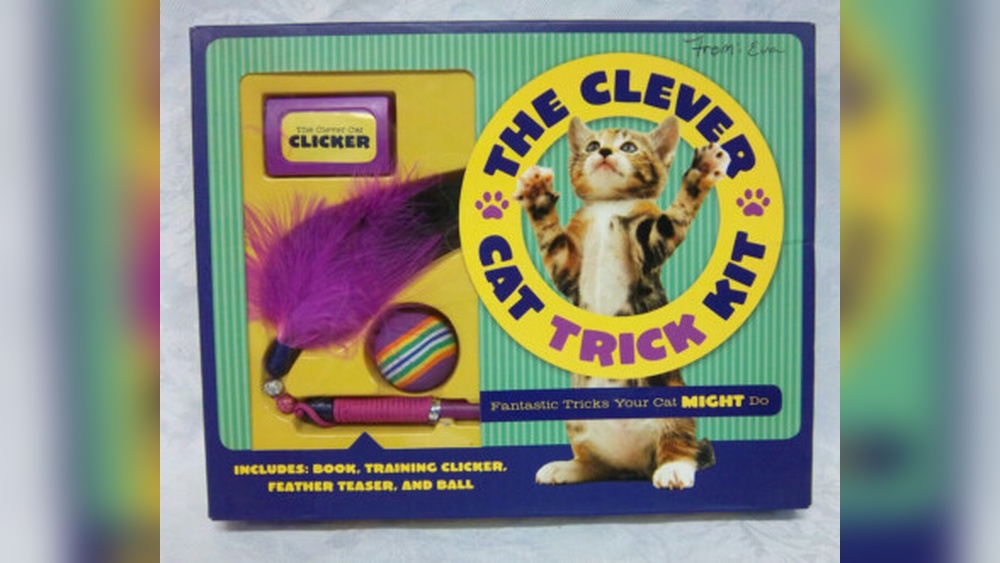
Are you ready to turn playtime with your cat into an exciting adventure? Learning how to do tricks with a feather cat toy can strengthen your bond and keep your furry friend entertained for hours.
Whether your cat is a natural performer or just starting out, this guide will show you simple, fun ways to teach impressive tricks using something as easy as a feather toy. Keep reading, and you’ll discover how to make every play session more rewarding for both you and your cat.

Credit: www.amazon.com
Choosing The Right Feather Toy
Choosing the right feather toy makes learning tricks easier and fun. A good toy keeps your cat interested and active. It also ensures safe play. Not all feather toys are the same. Picking one that fits your cat’s style helps build trust and excitement.
Types Of Feather Toys
Feather toys come in many forms. Some have long sticks with feathers at the end. Others are small and fit in your hand. Some toys spin or move when you pull a string. Choose a type your cat likes to chase or bat at. Different cats prefer different styles.
Materials And Safety
Check what materials the toy uses. Feathers should be natural and soft. Avoid toys with sharp edges or loose parts. These can hurt your cat or cause choking. Look for non-toxic glue and secure attachments. Safe toys protect your cat during active play.
Size And Length Considerations
The size of the toy matters. Small toys suit kittens and small cats. Larger cats need bigger toys for better grip. The stick length affects your reach and control. A longer stick helps you keep distance during play. Choose a size that fits your cat’s body and your playing style.
Basic Tricks To Start With
Starting with basic tricks is the best way to engage your cat using a feather toy. These simple moves help your cat learn to interact and have fun. Practicing these tricks builds trust and keeps your cat active. Each trick is easy to try and enjoyable for both of you.
Waving And Swatting
Hold the feather toy just above your cat’s head. Move it side to side slowly. This motion invites your cat to wave its paw. Encourage gentle swatting at the feather. This trick improves your cat’s focus and paw control. Keep the movements slow and steady for best results.
Jump And Catch
Raise the feather toy higher than your cat’s reach. Move it slightly to one side to prompt a jump. Your cat will try to catch the feather mid-air. This trick builds your cat’s agility and timing. Use short bursts to keep your cat excited but not tired.
Chasing The Feather
Drag the feather toy along the floor in front of your cat. Make quick, small movements to mimic prey. Your cat will chase and pounce on the feather. This activity stimulates natural hunting instincts. It also helps your cat stay active and alert indoors.
Advanced Feather Toy Tricks
Advanced feather toy tricks add excitement to playtime. These tricks challenge your cat and keep them active. They also improve your bond and create fun moments. Try these tricks to see your cat’s skills grow.
Spin And Twist Moves
Hold the feather toy close to your cat’s nose. Move it in a circle to encourage spinning. Reward your cat with praise or a treat. Gradually increase the speed for twists and turns. This trick sharpens your cat’s focus and agility.
High Jumps And Pounces
Raise the feather toy above your cat’s head. Move it slowly higher to invite a jump. Use a soft voice to motivate your cat. Let your cat leap and pounce on the toy. This trick builds strength and improves coordination.
Interactive Play Techniques
Vary your movements to keep your cat interested. Mix slow and fast motions with pauses. Allow your cat to catch the toy sometimes. Use different angles to challenge your cat’s skills. This method makes playtime more engaging and fun.

Credit: www.ebay.com
Training Tips For Success
Training your cat to do tricks with a feather toy can be fun and rewarding. Success needs clear steps and good habits. This section shares tips that help you and your cat enjoy learning together.
Timing And Patience
Choose a quiet time for training sessions. Keep sessions short, about five to ten minutes. Cats get bored or tired fast. Be patient if your cat does not catch on quickly. Repeat the steps calmly and kindly. Patience helps your cat feel safe and ready to try again.
Using Treats And Rewards
Use small treats as a reward for good behavior. Give treats right after your cat follows a trick. This helps your cat understand what you want. Praise your cat with a soft voice too. Treats and praise make learning fun and positive.
Reading Your Cat’s Signals
Watch your cat’s body language carefully. If your cat looks away or stops playing, take a break. Signs like tail flicks or ears back show stress or boredom. Respect these signals and give your cat space. Training works best when your cat feels happy and interested.
Common Mistakes To Avoid
Playing with a feather cat toy is fun for both you and your cat. But certain mistakes can spoil the experience or harm your pet. Avoiding common errors helps keep playtime safe and enjoyable. Watch your cat closely and respect their limits.
Overstimulation Risks
Too much play can make your cat anxious or aggressive. Quick, repeated movements with the feather toy may overwhelm them. Stop before your cat shows signs of stress. Give breaks to calm down and avoid biting or scratching.
Unsafe Play Habits
Using the feather toy near dangerous places like stairs or sharp objects is risky. Never let your cat chew on the stick or loose feathers. Always check the toy for damage. Replace it if it breaks to prevent choking or injury.
Ignoring Your Cat’s Mood
Each cat has a different mood and energy level daily. Forcing play when your cat is tired or upset can cause frustration. Watch for signs like tail flicks or flattened ears. Respect your cat’s feelings and try again later.
Maintaining Feather Toy Durability
Maintaining the durability of your feather cat toy is important for long-lasting fun. Cats love to play hard, which can wear out toys quickly. Taking care of the toy helps keep it safe and enjoyable. Small efforts go a long way in preserving the feathers and structure. This section covers simple ways to clean, repair, and know when to replace the toy.
Cleaning And Care
Keep the feather toy clean by wiping it gently with a damp cloth. Avoid soaking the feathers, as water can damage them. Use mild soap if needed, but rinse well. Let the toy air dry completely before giving it back to your cat. Store the toy in a dry place to prevent mold or mildew. Regular cleaning stops dirt and bacteria build-up.
Repairing Damaged Toys
Check the toy often for loose feathers or broken parts. Use a needle and thread to sew small tears in fabric parts. Replace loose feathers by gluing them back carefully with non-toxic glue. Avoid using sharp tools near your cat’s play area. Repairing the toy quickly prevents bigger damage and keeps playtime safe.
When To Replace The Toy
Replace the feather toy if feathers are missing or very worn. Broken sticks or sharp edges can hurt your cat. Toys that smell bad or cannot be cleaned should be thrown away. A fresh toy keeps your cat excited and safe. Watch for signs of wear to know the right time to buy a new one.
Benefits Of Feather Toy Tricks
Playing with feather cat toys offers many benefits for both cats and owners. Teaching your cat tricks with these toys is fun and rewarding. It helps cats stay active and sharp. These tricks also build trust and closeness. Here are some key benefits of feather toy tricks.
Physical Exercise
Feather toys encourage cats to jump, chase, and pounce. These movements keep their muscles strong and healthy. Regular exercise helps prevent obesity and related health issues. Cats release energy in a positive way. This reduces destructive behavior at home.
Mental Stimulation
Learning tricks with feather toys challenges a cat’s brain. It improves their problem-solving skills and focus. Mental exercise keeps cats alert and curious. It helps reduce boredom and stress. A busy brain means a happier cat.
Strengthening Bond
Playing tricks with your cat builds trust. It creates special moments and fun memories. Cats feel loved and safe during playtime. This deepens the connection between you and your pet. A strong bond leads to a calm and friendly cat.

Credit: www.amazon.com
Frequently Asked Questions
How Can I Make My Cat Interested In Feather Toys?
Use quick, light movements to mimic bird flight. Move the feather toy unpredictably. This triggers your cat’s natural hunting instincts and keeps them engaged.
What Are Simple Feather Toy Tricks For Beginners?
Start with basic flicks and twirls. Encourage your cat to chase and pounce. Gradually increase the complexity by adding jerky and fast movements.
How Do Feather Toys Improve My Cat’s Skills?
Feather toys enhance your cat’s agility and reflexes. They stimulate mental and physical activity. This leads to better coordination and overall health.
Can Feather Toy Tricks Reduce My Cat’s Stress?
Yes, playing with feather toys provides mental stimulation. It helps release pent-up energy and anxiety. Regular play sessions promote a calm and happy cat.
Conclusion
Playing tricks with a feather cat toy builds fun and trust. Keep sessions short and lively to hold your cat’s interest. Watch your cat’s reactions and change the moves often. Patience helps your cat learn new tricks step by step.
Enjoy the playful moments and bond more each day. Practice regularly to see your cat’s skills grow. Simple games can bring big smiles and happy paws. Try different tricks to keep the fun fresh and exciting. Remember, every cat learns at its own pace.
Have fun and cherish these special times together.