

Your cat’s toys are more than just playthings—they’re a source of joy and comfort for your furry friend. But have you ever thought about how clean those toys really are?
Dirty toys can hide germs and bacteria that might affect your cat’s health. If you want to keep your pet safe and happy, learning how to clean cat toys properly is a must. You’ll discover simple, effective ways to make sure your cat’s favorite toys stay fresh and safe.
Keep reading—you and your cat will both thank yourself for it!
Choosing Safe Cleaning Methods
Choosing safe cleaning methods for cat toys keeps your pet healthy and happy. Some cleaning ways can harm your cat or damage the toy. Picking the right method means knowing the toy’s material and avoiding harsh chemicals. Clean toys often to stop germs and dirt from building up. Safe cleaning helps toys last longer and stay fun for your cat.
Materials And Toy Types
Cat toys come in many materials like fabric, plastic, rubber, and feathers. Each type needs a different cleaning approach. Soft toys can be hand-washed or put in a gentle machine cycle. Hard toys like rubber or plastic can be wiped or soaked in warm water. Feathers need gentle care to avoid damage. Check the toy label for cleaning instructions if available. Understanding the material helps pick the safest cleaning method.
Avoiding Harmful Chemicals
Many cleaning products contain chemicals unsafe for cats. Avoid bleach, ammonia, and strong detergents. These can cause skin irritation or poisoning if your cat chews the toy. Use mild soap or pet-safe cleaners instead. Rinse toys well to remove any soap residue. Water and vinegar mix is a natural, gentle cleaner. Always let toys dry fully before giving them back to your cat.
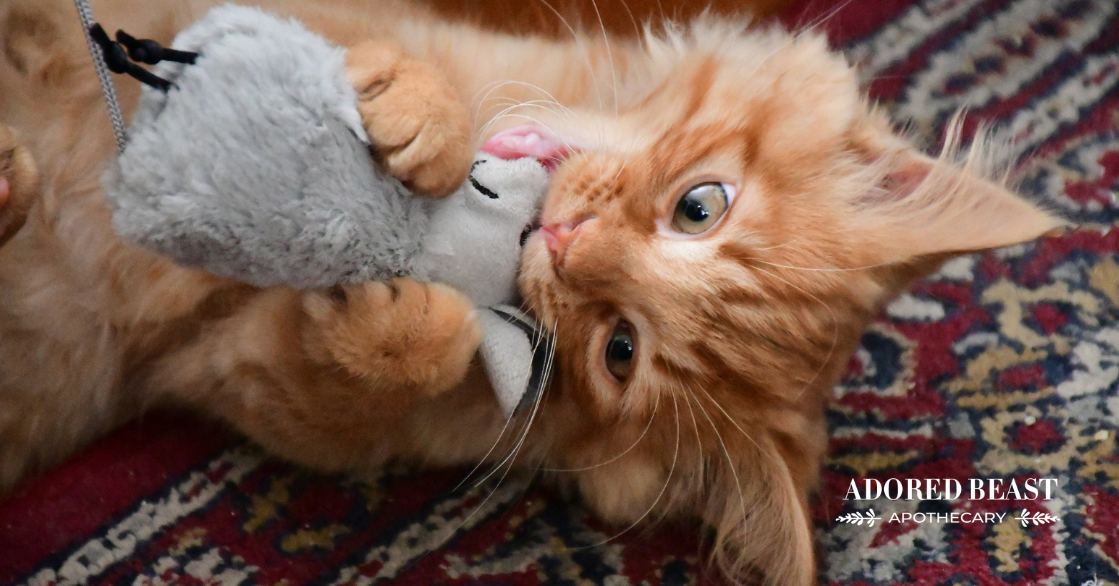
Credit: blog.adoredbeast.com
Gathering Cleaning Supplies
Cleaning your cat’s toys keeps them safe and fun. Dirt and germs can build up quickly. Gather the right supplies before you start. This makes the process easy and fast. Use tools and cleaners that are safe for pets. Here is what you need to prepare.
Essential Cleaning Tools
Start with soft brushes or cloths. These help remove dirt without damage. A small bowl or sink works well for soaking toys. Use warm water to loosen grime. Have a clean towel ready for drying. Gloves protect your hands from mess and germs. Avoid harsh scrubbing tools that can harm toy surfaces.
Pet-safe Cleaning Agents
Choose cleaning agents made for pets. Mild dish soap is a good choice. It cleans well and rinses easily. Avoid bleach or strong chemicals. They can harm your cat’s health. Vinegar diluted with water is safe and effective. Use only small amounts to avoid strong smells. Read labels carefully to check for harmful ingredients.
Cleaning Fabric And Plush Toys
Fabric and plush cat toys often collect dirt, dust, and saliva. Cleaning these toys keeps them safe and fresh for your cat. Regular washing stops germs and bad smells from building up. It also helps keep the toys soft and looking good. Two main ways to clean fabric and plush toys are hand washing and machine washing. Both methods work well if done correctly.
Hand Washing Techniques
Fill a basin with warm water and mild soap. Avoid strong detergents that can irritate your cat. Soak the toy in the water for a few minutes. Gently scrub the surface using your hands or a soft brush. Focus on dirty spots and stains. Rinse the toy thoroughly with clean water to remove soap. Squeeze out extra water, but do not twist the toy. Let it air dry in a warm place. Avoid direct sunlight to protect the fabric.
Machine Washing Tips
Place the toy inside a mesh laundry bag for protection. Use a gentle cycle with cold or warm water. Select a mild, fragrance-free detergent. Avoid bleach or fabric softeners as they can harm the toy. Wash the toy with similar items to avoid damage. After washing, air dry the toy fully before giving it back to your cat. Do not use a dryer, which can shrink or ruin the fabric.
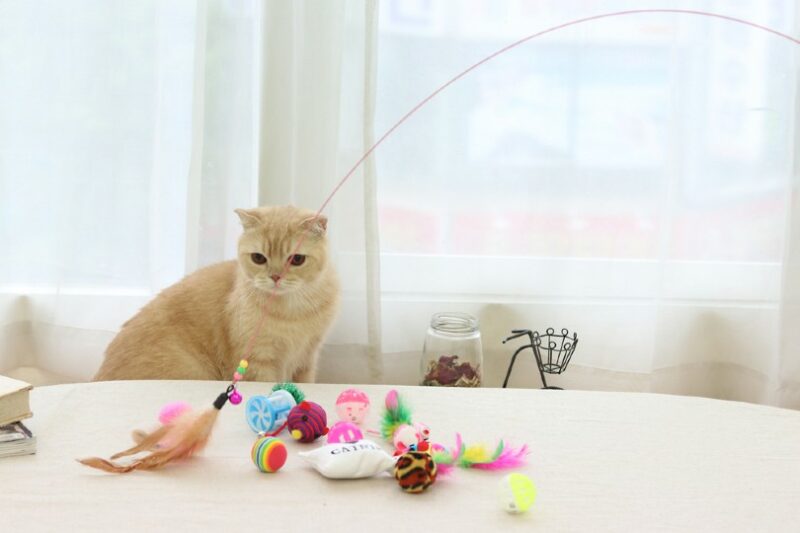
Credit: www.catster.com
Cleaning Plastic And Rubber Toys
Plastic and rubber cat toys are popular because they are durable and fun for cats. These toys can get dirty with saliva, dust, and dirt. Cleaning them regularly keeps your cat healthy and happy. It also helps the toys last longer. Proper cleaning removes germs and bad smells. Use safe methods to avoid harming your pet.
Soap And Water Cleaning
Start by rinsing the toy under warm water. Use mild soap to avoid harsh chemicals. Gently scrub the toy with a soft brush or cloth. Pay attention to grooves and holes where dirt hides. Rinse thoroughly to remove all soap. Dry the toy completely before giving it back to your cat. This simple step removes most dirt and grime.
Disinfecting Safely
Disinfecting kills bacteria and viruses on the toys. Use a pet-safe disinfectant or a solution of diluted white vinegar. Mix one part vinegar with three parts water. Soak the toy for a few minutes. Avoid bleach or strong chemicals that can harm your cat. Rinse the toy well after disinfecting. Let it air dry in a clean place. Regular disinfecting keeps your cat’s toys safe and clean.
Drying And Storing Toys
Cleaning cat toys is not complete without drying and storing them properly. Wet toys can grow mold and bacteria, which can harm your cat. Storing toys well keeps them clean and easy to find for playtime. Let’s explore simple ways to dry and store your cat’s toys.
Proper Drying Methods
After washing, shake off extra water from the toys. Lay soft toys flat on a clean towel in a sunny spot. Air drying is best to keep toys fresh and safe. Avoid using a dryer as heat can damage some materials. For hard toys, wipe them dry with a cloth. Ensure all toys are fully dry before storage to stop mold growth.
Organized Toy Storage
Use a small basket or box to store cat toys. Keep the basket in a dry, cool place away from dust. Separate toys by type to make finding them easy. Avoid overcrowding, so toys keep their shape. Regularly clean the storage area to keep germs away. Neat storage saves space and keeps toys ready for fun.
Maintaining Toy Hygiene Regularly
Keeping cat toys clean is very important for your pet’s health. Dirty toys can carry germs and cause infections. Regular cleaning helps keep your cat safe and happy. It also makes toys last longer. Follow simple steps to maintain toy hygiene regularly.
Cleaning Frequency
Clean cat toys often. Soft toys need washing every one to two weeks. Hard toys should be wiped down every few days. If your cat drools or chews a lot, clean more often. Regular cleaning stops dirt and bacteria buildup. It keeps toys fresh and safe.
Inspecting For Wear And Tear
Check toys for damage regularly. Look for loose parts, tears, or broken pieces. Damaged toys can hurt your cat or cause choking. Throw away toys with sharp edges or stuffing coming out. Replace worn toys to keep playtime safe. A quick check can prevent accidents.
Signs To Replace Cat Toys
Cat toys bring joy and exercise to your pet. Over time, toys wear out and lose their appeal. It is important to know when to replace them. Old toys can be unsafe or ignored by your cat. Watch for signs that show a toy needs replacing.
Safety Concerns
Check toys for tears, loose parts, or broken pieces. These can cause choking or cuts. Soft toys may lose stuffing that your cat could swallow. Hard toys can crack and create sharp edges. Dirty toys can carry germs and bacteria. Replace toys that look damaged or dirty beyond cleaning.
Loss Of Interest
Your cat may stop playing with a toy. This often means the toy is no longer fun. Worn-out toys lose their texture, sound, or scent. Cats like new, exciting toys to stay active. Rotate old toys with new ones to keep your cat engaged.

Credit: www.dutch.com
Frequently Asked Questions
How Often Should I Clean My Cat’s Toys?
Clean cat toys at least once a week. Frequent cleaning prevents bacteria buildup and keeps your cat healthy. Toys used outdoors may need more frequent washing.
What Is The Safest Way To Clean Cat Toys?
Use mild soap and warm water to clean cat toys. Avoid harsh chemicals that can harm your cat. Rinse thoroughly and air dry before giving the toy back.
Can I Wash Fabric Cat Toys In A Washing Machine?
Yes, fabric cat toys can usually be machine washed. Use a gentle cycle with mild detergent. Place toys in a laundry bag to protect them during washing.
How Do I Clean Electronic Or Battery-operated Cat Toys?
Remove batteries before cleaning electronic cat toys. Wipe the surface with a damp cloth and mild soap. Avoid submerging these toys in water to prevent damage.
Conclusion
Cleaning cat toys keeps your pet safe and happy. Regular washing stops germs and dirt from building up. Use gentle soap and warm water for best results. Dry toys completely before giving them back to your cat. This simple routine helps toys last longer and stay fresh.
A clean toy means more fun playtime with your cat. Keep your pet healthy by making cleaning a habit. Small steps make a big difference in your cat’s life.