
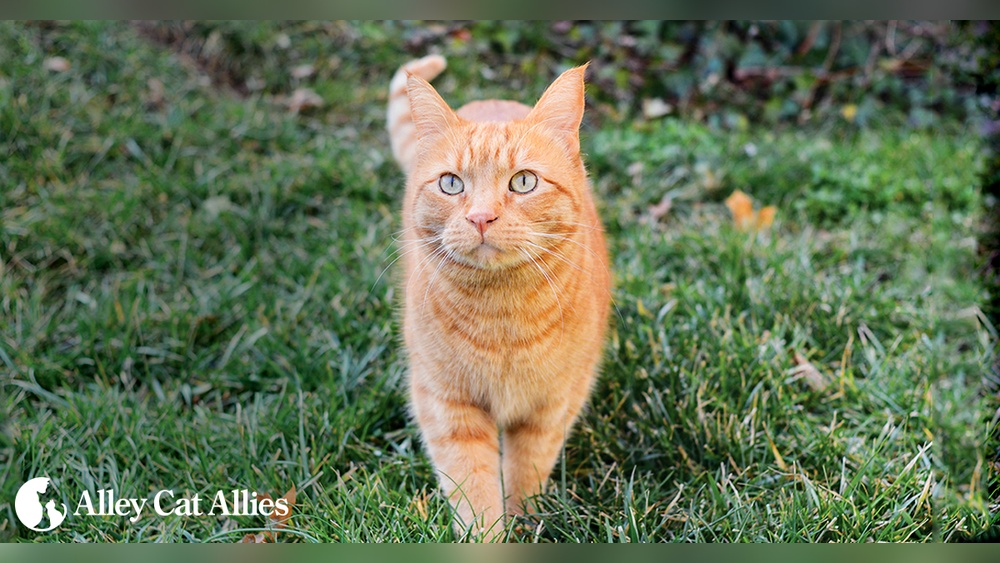
Have you ever come across a scruffy alley cat and wondered what breed it might be? You’re not alone.
Identifying the breed of an alley cat can be tricky, but it’s easier than you think. Knowing your cat’s breed helps you understand its behavior, health needs, and unique traits. You’ll discover simple ways to tell the breeds of an alley cat.
By the end, you’ll be able to look at any stray and make an educated guess about where it comes from. Ready to become a cat detective? Let’s dive in!
Credit: www.alleycat.org
Identifying Alley Cat Traits
Alley cats often have mixed backgrounds, making breed identification tricky. Yet, some traits help tell what breeds might be part of their makeup. Recognizing these traits gives clues about their origins and behavior.
Common Physical Features
Alley cats usually show a variety of coat colors and patterns. Many have short fur, but some may have medium or long hair. Their body size ranges from small to medium, often lean and agile. Eye colors vary widely, from green to amber or yellow. Ears are typically upright and sharp, helping them hear well. Some alley cats might show breed-specific features like point coloration or a striped coat.
Behavioral Characteristics
Alley cats often act cautious around people at first. They tend to be alert and quick to react to sounds. Many enjoy climbing and exploring their surroundings. They can be independent but may seek attention once they trust someone. Alley cats often hunt small animals and show strong survival skills. Their behavior sometimes reflects traits of domestic breeds mixed in their lineage.
Popular Alley Cat Breeds
Alley cats often belong to common types seen in many neighborhoods. These cats usually have traits from popular breeds. Recognizing these breeds helps in understanding their behavior and care needs. Below are some popular alley cat breeds you might encounter.
Domestic Shorthair
Domestic Shorthair cats are the most common alley cats. They have short, easy-to-maintain fur. Their colors and patterns vary widely. These cats are strong and healthy. They adapt well to different environments. Their friendly and independent nature makes them popular pets too.
Domestic Longhair
Domestic Longhair cats have fur that is longer and fluffier. Their coats require more grooming than shorthairs. These cats often look soft and cuddly. They come in many colors and patterns. Longhairs are usually calm and gentle. They can be slower movers but very affectionate.
Mixed Breed Variations
Many alley cats are mixed breeds. They carry traits from several cat types. Mixed breed cats are unique in looks and personality. This mix helps them survive tough conditions. Their health is often strong due to gene variety. Spotting mixed breeds requires attention to many traits.
Using Coat Patterns And Colors
Coat patterns and colors reveal much about an alley cat’s breed. These visual clues help identify specific traits linked to different breeds. Observing these features closely gives a good starting point for breed guessing.
Colors and patterns vary widely among cats. Each pattern has unique traits that connect to certain breed groups. Understanding these can make breed identification easier and more accurate.
Tabby Markings
Tabby cats have striped or spotted coats. They often show an “M” shape on the forehead. These markings come in classic, mackerel, spotted, and ticked styles.
Many breeds show tabby patterns, such as Maine Coons and Bengals. Alley cats with tabby markings likely have mixed heritage from these breeds. The pattern’s color can range from brown to gray.
Tortoiseshell And Calico
Tortoiseshell cats have a mix of black and orange patches. Calicos add white to the mix, creating a tri-color coat. These colors usually appear in random patches rather than stripes.
These patterns often indicate female cats, linked to genetics. Breeds like the American Shorthair often show tortoiseshell or calico coats. Alley cats with these colors may have ancestors from such breeds.
Solid And Bi-color Patterns
Solid coats are one color all over, such as black or white. Bi-color cats have two colors, often white combined with black, gray, or orange. These simple patterns appear in many breeds.
Solid and bi-color patterns give fewer clues than tabby or calico. Yet, certain breeds like the British Shorthair often have solid coats. Observing coat texture and body shape alongside color helps identify breeds better.
Examining Body Shape And Size
Examining the body shape and size of an alley cat helps identify its breed. Different breeds have distinct physical traits. These features include the head, ears, tail, and fur texture. Observing these can give clues about the cat’s origins and breed mix. Pay close attention to each part.
Head And Ear Shape
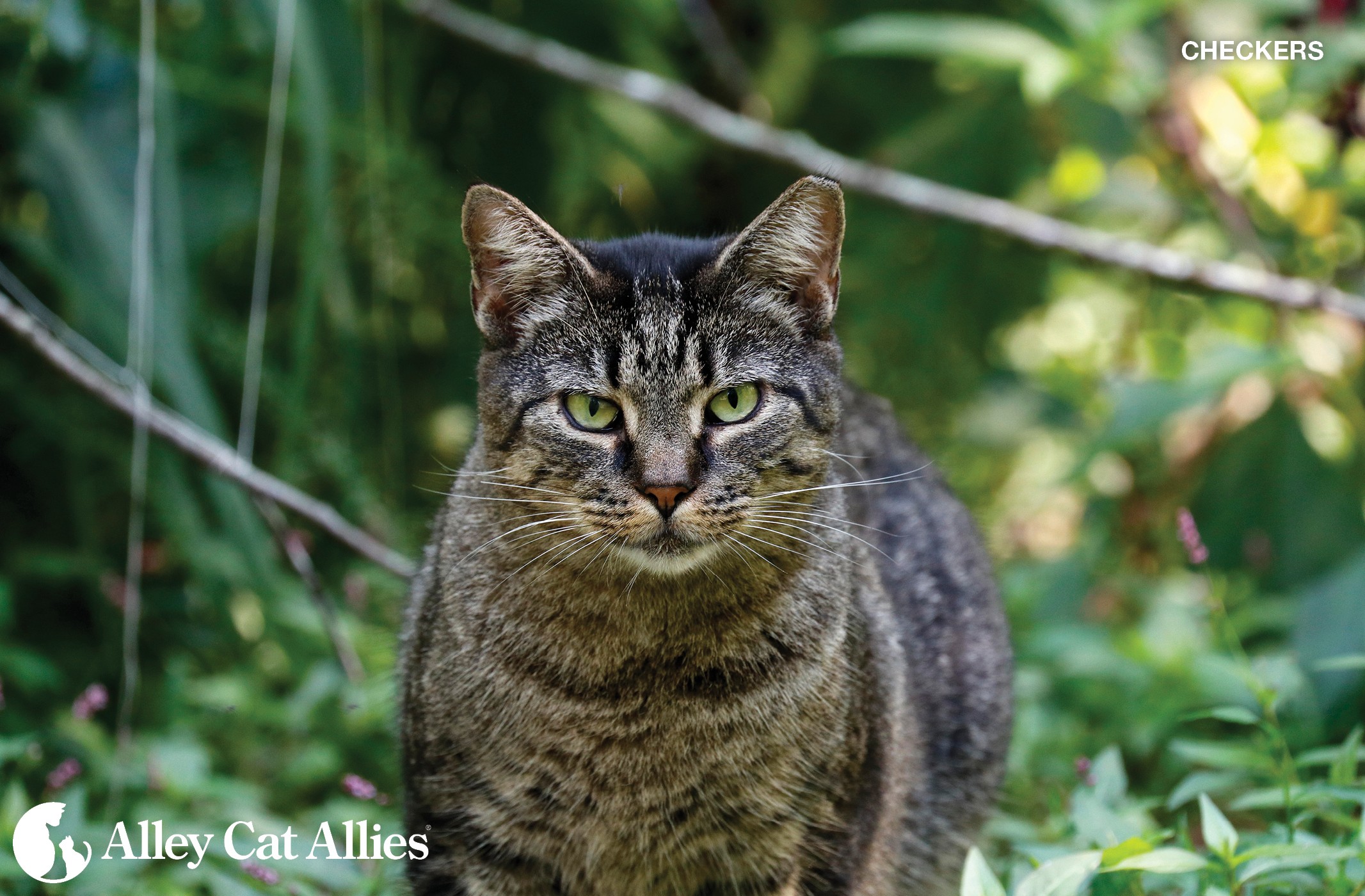
The head shape varies among cat breeds. Some have round heads, while others have more angular faces. Ear size and shape also differ. Large, pointed ears often belong to breeds like the Siamese. Small, rounded ears may suggest breeds like the British Shorthair. Notice the ear placement too. Ears set wide apart create a different look than ears close together.
Tail Length And Fur Texture
Tail length is another key feature. Some alley cats have long, slender tails. Others have short or fluffy tails. Fur texture tells more about the breed. Soft, silky fur points to certain breeds, such as the Oriental. Coarse or thick fur may indicate a mixed breed or a breed like the Maine Coon. Short fur and smooth coats often belong to common domestic cats.
Observing Behavior And Personality
Observing an alley cat’s behavior and personality can give clues about its breed. Each breed has traits that show in how the cat acts daily. Watch closely to see patterns in activity, social habits, and hunting skills. These details help guess the cat’s background.
Activity Levels
Some breeds are very active and love to move. They run, jump, and explore often. Other breeds rest more and move less. Notice if the alley cat is always on the go or prefers quiet time. High energy often means a breed known for playfulness and agility.
Social Interaction
Watch how the cat acts around people and other animals. Some cats are friendly and seek attention. Others stay distant or shy. Social breeds like Siamese often want to be near humans. Cats that avoid contact might come from more independent breeds.
Hunting Instincts
Hunting skills vary by breed. Some cats are natural hunters and very alert. They stalk, pounce, and catch prey with skill. Other breeds show less interest in hunting. Notice how the alley cat reacts to small moving things. Strong hunting instincts suggest a breed with a wild or working background.
Credit: www.alleycat.org
Using Technology For Breed Identification
Technology makes it easier to identify the breed of an alley cat. You no longer need to rely only on looks or guesswork. Tools today help uncover details hidden in a cat’s DNA or appearance. This section explains two popular methods to use technology for breed identification.
Dna Testing Kits
DNA testing kits provide clear answers about a cat’s breed. You collect a small sample, usually a cheek swab, and send it to a lab. The lab compares the DNA with many known breeds. Results show the likely breeds and their percentages. These kits are simple and give accurate information. They can also reveal health risks linked to certain breeds.
Mobile Apps And Online Tools
Mobile apps and online tools use photos to guess a cat’s breed. You upload a clear picture of the cat. The app analyzes features like fur pattern, color, and face shape. Some apps learn and improve with more photos. They provide quick, easy breed guesses for alley cats. These tools are good for a fast, rough idea of the cat’s background.
Tips For Safe And Respectful Handling
Handling alley cats requires care and respect. These cats are often wary and may react quickly. Approaching them gently helps build trust. You must protect both yourself and the cat during any interaction.
Understanding safe handling techniques keeps the experience positive. It also prevents injury and stress for the cat. Use calm movements and quiet voices to avoid frightening them.
Approaching Alley Cats
Move slowly toward the cat. Avoid sudden motions or loud noises. Let the cat see and smell you first. Squat down to appear smaller and less threatening. Offer your hand for the cat to sniff. Watch for signs of fear or aggression. If the cat backs away, give it space. Patience is key to gaining their trust.
Health And Safety Precautions
Wear gloves to protect your hands. Avoid direct skin contact to reduce disease risk. Wash your hands thoroughly after handling. Keep your face away from the cat’s mouth and claws. Use a towel to gently pick up the cat if needed. Watch for scratches or bites and clean wounds immediately. Ensure the cat is healthy before prolonged contact.
Credit: www.alleycat.org
Frequently Asked Questions
What Are Common Traits To Identify Alley Cat Breeds?
Alley cats often show mixed traits from various breeds. Look for coat patterns, body size, ear shape, and tail length. These traits give clues about their possible breed mix and heritage.
How Can Coat Patterns Help Identify Alley Cat Breeds?
Coat patterns like tabby, tortoiseshell, or solid colors suggest breed influence. Each pattern links to specific breeds or mixes, helping narrow down the alley cat’s genetic background.
Can Behavior Indicate An Alley Cat’s Breed?
Yes, certain behaviors like vocalization, activity level, and social interaction hint at breed traits. Observing these behaviors can provide insights into the cat’s breed characteristics.
Is Dna Testing Reliable For Identifying Alley Cat Breeds?
DNA testing offers precise breed identification and genetic health info. It’s a reliable tool to determine the breed mix of an alley cat accurately.
Conclusion
Identifying the breed of an alley cat takes patience and observation. Focus on size, fur patterns, and eye color. Remember, many alley cats are mixed breeds. Each cat has its own unique look and story. Enjoy learning about these fascinating animals.
Use your new skills to better understand and care for them. Every cat deserves kindness and respect, no matter the breed. Keep exploring and appreciating the diversity of alley cats around you.