
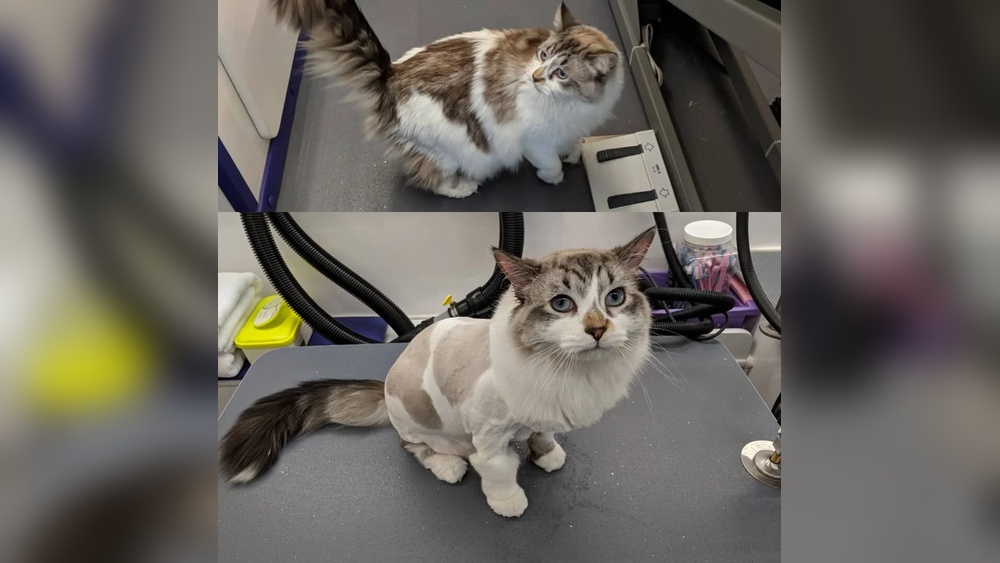
If you have a long-haired cat, you might wonder if grooming is really necessary. You love your furry friend, but those thick, flowing coats can sometimes look like a lot to handle.
You may ask yourself, “Is grooming just for looks, or does it actually help my cat? ” The truth is, regular grooming can make a big difference in your cat’s health and happiness. Keep reading to discover why grooming matters and how it can transform your long-haired cat’s life—and yours.
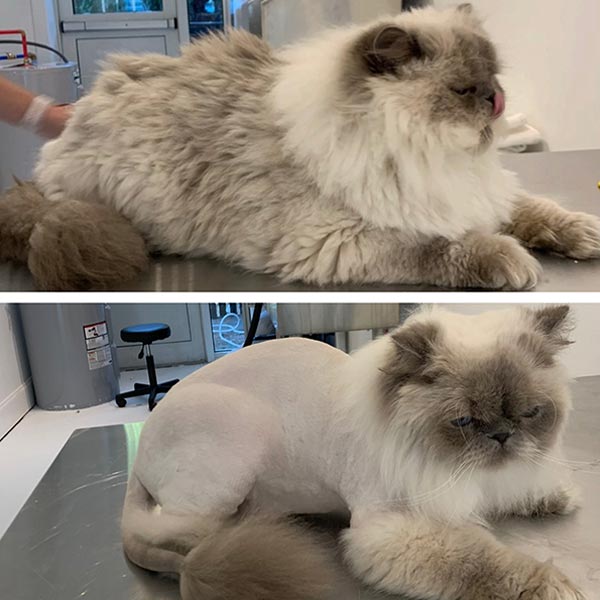
Credit: www.daysmart.com
Benefits Of Grooming Long Hair Cats
Grooming long hair cats offers many important benefits. It keeps their fur clean and healthy. Grooming helps avoid discomfort and health issues. Regular care improves their appearance and well-being.
Preventing Matting And Tangles
Long fur easily forms mats and tangles. These can pull the skin and cause pain. Grooming removes loose hair and stops knots. This keeps the coat smooth and soft. It also helps cats move more freely.
Reducing Shedding And Hairballs
Brushing lowers the amount of loose hair. Less shedding means fewer hairs on furniture and clothes. It also cuts down hairballs inside the cat. Hairballs can cause stomach problems and discomfort. Regular grooming keeps cats cleaner and healthier.
Maintaining Skin Health
Grooming stimulates blood flow to the skin. It spreads natural oils that protect the coat. This prevents dryness and itching. Grooming also helps spot skin problems early. Cats with healthy skin feel better every day.
Grooming Tools For Long Hair Cats
Long hair cats need special care to keep their coats healthy and shiny. Proper grooming tools make this task easier and more effective. Using the right tools helps prevent tangles, mats, and skin problems. It also makes grooming a calm and pleasant experience for your cat.
Brushes And Combs
Soft-bristle brushes remove loose hair and dirt gently. Slicker brushes help untangle mats without hurting the skin. Wide-tooth combs reach deep into thick fur to smooth knots. Regular brushing reduces shedding and keeps fur clean. Choose brushes that fit your cat’s fur type and size.
Nail Clippers And Scissors
Sharp nail clippers keep your cat’s claws at a safe length. Trimming prevents scratches and damage to furniture. Use small scissors to trim hair around the paws and rear. This helps keep the cat clean and prevents dirt buildup. Be careful to avoid cutting the skin or quick.
Shampoos And Conditioners
Mild shampoos designed for cats clean fur without drying skin. Conditioners make long hair soft and easier to comb. Avoid human products; they can irritate your cat’s skin. Bathe your cat only when necessary to protect natural oils. Dry the fur gently to prevent chills and mats.
How Often To Groom Your Cat
Grooming long-haired cats is important for their health and comfort. How often you groom depends on your cat’s coat and lifestyle. Regular grooming stops mats and tangles. It also reduces shedding and hairballs. Keeping a grooming routine helps your cat feel happy and clean.
Daily Brushing Techniques
Brush your long-haired cat every day. Use a wide-tooth comb to remove tangles. Follow with a soft brush to smooth the coat. Start brushing from the head to the tail. Be gentle around sensitive areas like the belly. Daily brushing prevents mats and spreads natural oils. It also lets you check for skin problems early.
Bathing Frequency
Bathing long-haired cats is not needed often. Bath your cat only when the fur is dirty or greasy. Usually, a bath every few months is enough. Use a cat-friendly shampoo to protect their skin. Dry your cat well after the bath to avoid chills. Avoid over-bathing to keep natural oils intact.
Professional Grooming Options
Professional grooming helps with tough mats and shedding. Schedule grooming every few months or as needed. Groomers can trim nails, clean ears, and cut mats safely. They use special tools to make grooming easier. Professional care keeps your cat comfortable and healthy.

Credit: masterclip.co.uk
Common Grooming Challenges
Grooming long-haired cats can be tricky. Their thick fur needs regular care to stay healthy and clean. Many cat owners face challenges during grooming sessions. Understanding these challenges helps make grooming easier and safer for both cat and owner.
Dealing With Resistant Cats
Some cats do not like being groomed. They may scratch or run away. Patience is key to handle these cats. Use gentle movements and calm voices. Short grooming sessions work better than long ones. Give treats to encourage good behavior.
Handling Sensitive Skin
Long-haired cats often have sensitive skin. Harsh brushes can cause irritation or pain. Choose soft brushes made for delicate skin. Check the skin regularly for redness or bumps. Stop grooming if your cat shows discomfort. Use gentle strokes to avoid pulling hair.
Managing Grooming Stress
Grooming can stress cats, especially those not used to it. Keep the environment quiet and calm. Use slow, steady motions to avoid startling your cat. Take breaks if your cat gets anxious. Praise and reward your cat to create positive memories.
Signs Your Cat Needs Grooming
Long-haired cats need regular grooming to stay healthy and comfortable. Knowing the signs that your cat needs grooming helps prevent problems. Watch your cat’s coat and behavior closely. Early grooming keeps mats, tangles, and skin issues away.
Noticeable Mats And Tangles
Mats and tangles appear as clumps of fur stuck together. They pull on the skin and cause pain. Mats trap dirt and moisture, leading to infections. A smooth, soft coat means your cat is well-groomed. Check behind ears, under legs, and around the neck. These spots mat easily and need extra care.
Excessive Shedding
Shedding is normal but too much can signal a problem. Large fur patches on furniture or clothes mean your cat needs grooming. Regular brushing helps remove loose fur and reduces shedding. Grooming also spreads natural oils, making the coat shiny and healthy. Excess shedding may also mean your cat is stressed or sick.
Scratching And Irritation
Frequent scratching shows your cat’s skin may be irritated. Check for redness, bumps, or scabs under the fur. Dry skin or fleas cause discomfort and itching. Grooming removes dirt, dead skin, and pests. It soothes irritated skin and prevents further damage. Watch your cat’s behavior for signs of discomfort.
Health Benefits Beyond Appearance
Grooming long hair cats offers more than just a neat look. It plays a key role in keeping your pet healthy. Regular brushing and care help catch problems early. Grooming also makes your cat feel better and move easier. It builds a special bond between you and your cat.
Early Detection Of Skin Issues
Brushing your long hair cat helps you spot skin problems early. You can find bumps, rashes, or infections before they get worse. Early discovery means quicker treatment and less pain for your cat. It keeps your cat’s skin healthy and clean.
Improved Comfort And Mobility
Long hair can cause mats and tangles that pull on the skin. Grooming removes these knots and stops pain. It also reduces hairballs from swallowing loose fur. Your cat feels lighter and moves more easily after grooming. Comfort leads to a happier, active cat.
Bonding Through Grooming
Grooming time creates a calm and loving moment with your cat. It helps build trust between you and your pet. Your cat learns to enjoy being touched and cared for. This close time improves your relationship and your cat’s well-being.
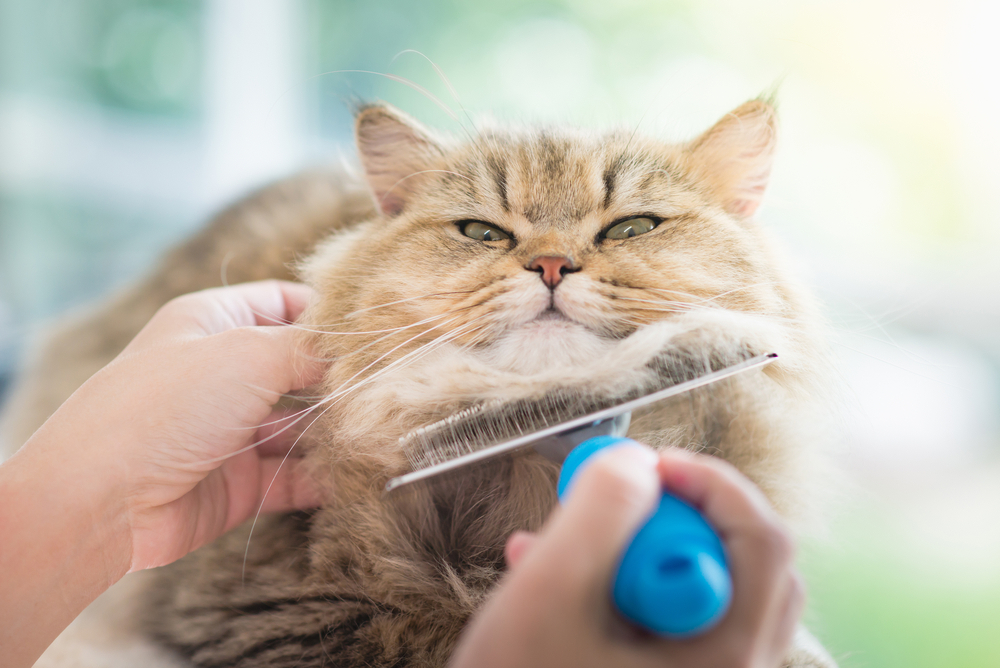
Credit: unionlakepetservices.com
Frequently Asked Questions
Why Is Grooming Important For Long Hair Cats?
Grooming prevents matting and tangles in long hair cats. It reduces hairballs and skin issues. Regular brushing keeps their coat healthy and shiny. It also helps detect parasites or infections early. Grooming supports overall cat comfort and hygiene.
How Often Should Long Hair Cats Be Groomed?
Long hair cats should be groomed at least 3-4 times a week. Daily grooming is ideal for very thick or prone-to-matting coats. Frequent brushing removes loose fur and prevents tangles. Consistency ensures a healthy, clean, and comfortable coat.
Can Grooming Reduce Shedding In Long Hair Cats?
Yes, grooming significantly reduces shedding in long hair cats. Regular brushing removes loose hair before it falls off. This minimizes fur around your home and on furniture. Grooming also promotes healthy skin and coat, reducing excessive shedding caused by skin problems.
What Tools Are Best For Grooming Long Hair Cats?
Use a slicker brush, wide-tooth comb, and grooming gloves for long hair cats. These tools effectively remove tangles and loose fur. A dematting comb helps with stubborn mats. Choose tools designed for cats to avoid discomfort or injury.
Conclusion
Long hair cats need regular grooming to stay healthy and happy. Grooming stops mats and tangles that hurt their skin. It also helps reduce shedding and hairballs. Brushing your cat builds trust and keeps their coat shiny. Skipping grooming can cause discomfort and health problems.
Keep grooming short and gentle to make your cat feel safe. A little care goes a long way for your long hair cat. Give your furry friend the grooming they deserve.