
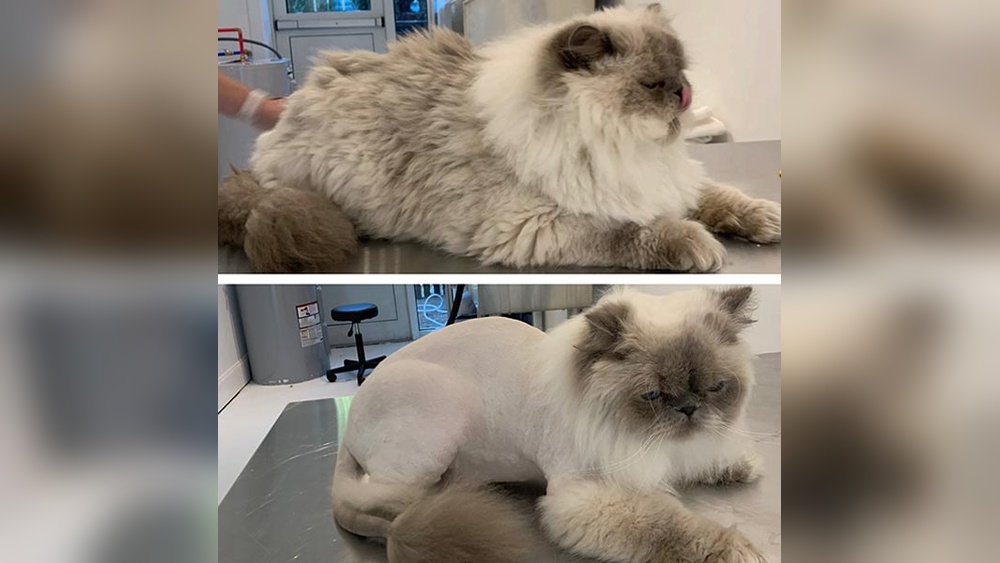
Are you wondering if you can take your cat to a groomer? You might be unsure if it’s safe or necessary.
After all, cats are known for grooming themselves, right? But sometimes, your furry friend needs a little extra care to stay clean and comfortable. You’ll discover the benefits of professional cat grooming and what to expect. By the end, you’ll feel confident about making the best choice for your cat’s health and happiness.
Keep reading to find out everything you need to know!
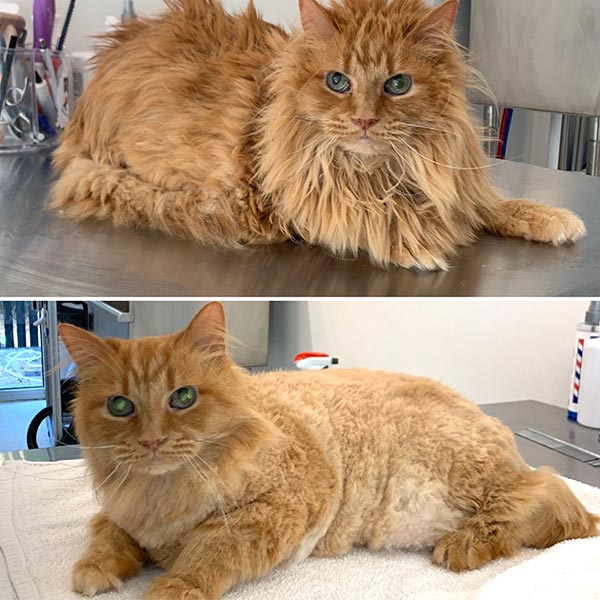
Credit: www.daysmart.com
Benefits Of Professional Grooming
Professional grooming offers many benefits for cats. It helps keep them clean, healthy, and comfortable. Groomers have the skills to care for your cat’s fur and skin properly. This care improves your cat’s overall well-being.
Health Advantages For Cats
Groomers check for skin problems, lumps, or infections. They can spot issues early before they get worse. Regular grooming reduces hairballs by removing loose fur. It also helps prevent matting, which can hurt your cat’s skin. Grooming keeps nails trimmed, avoiding pain or injury.
Improved Coat And Skin Condition
Professional groomers use special tools to remove dead hair. They clean the coat deeply, making it soft and shiny. Grooming also helps spread natural oils across the fur. This keeps the skin moisturized and healthy. Clean fur reduces fleas and ticks on your cat.
Stress Reduction For Owners
Grooming can be hard to do at home. Cats may resist or get scared during grooming. Taking your cat to a groomer saves time and effort. Experts handle your cat gently and quickly. This reduces stress for both you and your pet.
When To Consider Grooming Services
Caring for your cat’s coat is important for their health and comfort. Knowing when to use grooming services helps keep your cat happy. Some cats need professional grooming more often than others. Recognizing the right time can prevent problems and make your cat feel better.
Signs Your Cat Needs Grooming
Look for mats or tangles in the fur. These can cause pain and skin issues. If your cat sheds a lot, grooming can reduce loose hair. Bad odor or greasy coat shows a need for cleaning. Scratching or biting skin often means discomfort. Grooming helps keep your cat clean and calm.
Breed-specific Grooming Needs
Long-haired breeds like Persians need frequent grooming. Their fur can easily tangle and mat. Short-haired cats may need less grooming but still benefit. Some breeds shed more and need regular brushing. Groomers know how to handle specific coat types. They use tools suited for each breed’s needs.
Age And Health Factors
Older cats may struggle to groom themselves well. Illness or arthritis can make grooming painful. Kittens need gentle grooming to get used to it. Cats with skin problems require special care. Groomers can help manage these health issues safely. Regular grooming supports your cat’s overall well-being.
Choosing The Right Groomer
Choosing the right groomer for your cat is very important. Cats can be sensitive to new people and places. A good groomer will make the experience safe and calm. This helps your cat feel less stressed and more comfortable. Here are key things to check when selecting a groomer.
Qualifications And Experience
Check if the groomer has proper training in cat grooming. Experience with cats is different from dogs. Cats need gentle handling and special tools. Ask about their certification or courses. Experienced groomers know how to spot health issues too.
Cat-friendly Facilities
The grooming space should be clean and quiet. Cats get scared by loud noises and smells. Look for a calm and safe area. Separate rooms for cats help reduce stress. Soft surfaces and gentle lighting make a big difference.
Reading Reviews And Recommendations
Read reviews from other cat owners. Real feedback shows how the groomer treats cats. Ask friends or your vet for suggestions. Good reviews often mention kindness and patience. Avoid places with many complaints about rough handling.
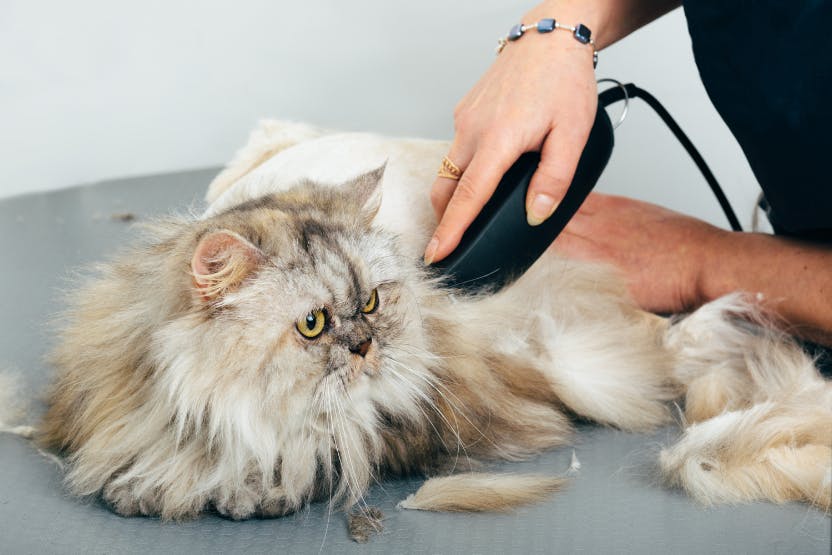
Credit: wagwalking.com
Preparing Your Cat For Grooming
Preparing your cat for grooming helps make the experience calm and safe. Cats feel nervous with new sounds and smells. Getting them ready takes patience and care. This section guides you on how to prepare your cat well.
Acclimating Your Cat To Handling
Start by gently touching your cat every day. Hold their paws, ears, and tail softly. Stop if they show stress. Practice short sessions to build trust. Use calm voices and soft strokes.
Slowly introduce grooming tools like brushes or combs. Let your cat sniff and explore them. Brush lightly for a few seconds at first. Increase time as your cat gets used to it.
What To Bring To The Groomer
Bring your cat’s favorite blanket or toy for comfort. Pack a small towel in case of accidents. Take a recent photo and your cat’s medical records. These help the groomer know your cat well.
Carry a carrier that your cat knows and feels safe in. Avoid feeding your cat right before the appointment to prevent upset stomach. Have a leash or harness if your cat uses one.
Calming Techniques And Products
Talk softly to your cat during trips and visits. Use pheromone sprays or diffusers designed for cats. These products help reduce stress and anxiety.
Try gentle massage before grooming to relax muscles. Some cats respond well to soft music or quiet spaces. Avoid loud noises and sudden movements during grooming.
What To Expect During Grooming
Taking a cat to a groomer can be a new experience for both you and your pet. Knowing what happens during grooming helps you prepare better. This section explains what to expect during your cat’s grooming visit.
Typical Grooming Procedures
Groomers usually start by brushing your cat’s fur to remove tangles and loose hair. They may give your cat a bath with special pet shampoo. Nail trimming is common to keep claws safe and neat. Some groomers clean ears and trim fur around the eyes. The groomer may also check your cat’s skin for any issues.
Handling Anxious Or Aggressive Cats
Many cats feel nervous or scared during grooming. Skilled groomers use calm voices and gentle touch. They may take breaks if your cat feels stressed. Some groomers have special ways to keep cats safe without hurting them. If your cat is very aggressive, the groomer might suggest shorter sessions or special care methods.
Time And Cost Considerations
Grooming usually takes 30 minutes to two hours. The time depends on your cat’s size and coat condition. Costs vary by service and location but expect to pay for basic grooming, nail trims, or baths. Special treatments like de-shedding or flea baths may cost extra. Booking in advance can help you get the best time slot.
Aftercare And Maintenance
Taking your cat to a groomer is only the start. Proper aftercare helps keep your pet healthy and happy. Grooming can make your cat feel fresh but needs follow-up care at home. This section covers key tips for after grooming and how to maintain your cat’s coat daily.
Post-grooming Tips
Check your cat’s skin for any redness or irritation. Use a soft brush to gently remove loose fur. Keep your cat indoors for a few hours to avoid dirt. Offer water and a quiet space to rest after grooming. Watch your cat’s behavior for signs of stress or discomfort. Contact the groomer if you notice unusual skin issues or cuts.
Maintaining Coat Health At Home
Brush your cat regularly to prevent mats and tangles. Choose a brush that suits your cat’s fur type. Clean your cat’s ears and eyes gently with a damp cloth. Bathing is rarely needed but use cat-safe shampoo if necessary. Ensure your cat’s diet includes nutrients for a shiny coat. Keep their environment clean to reduce dirt and allergens.
When To Schedule The Next Appointment
Plan grooming visits based on your cat’s coat length and type. Short-haired cats may need grooming every few months. Long-haired cats often require monthly appointments. Monitor your cat’s coat and skin health between visits. Reschedule if your cat shows signs of discomfort or excessive shedding. Regular grooming keeps your cat comfortable and reduces hairballs.
Potential Risks And How To Avoid Them
Taking a cat to a groomer has benefits but also some risks. Knowing these risks helps you protect your pet. This section explains common grooming injuries, signs of stress, and how to keep grooming safe.
Common Grooming Injuries
Cuts and nicks are common during grooming. Cats have thin skin that tears easily. Clipper burns can happen if tools get too hot. Overcutting fur can expose sensitive skin. Nail trimming mistakes cause pain or bleeding. Watch for swelling or redness after grooming.
Signs Of Stress Or Trauma
Cats show stress in many ways. Hiding or refusing to eat is one sign. Excessive meowing or growling means discomfort. Shaking or trembling shows fear. Aggression or biting may appear suddenly. Watch for changes in grooming habits at home.
Ensuring Safe Grooming Practices
Choose groomers with experience handling cats. Check for clean and calm grooming areas. Ask if they use gentle tools and techniques. Schedule short grooming sessions to reduce stress. Stay with your cat during grooming if allowed. Regularly check your cat’s skin and nails after visits.

Credit: www.youtube.com
Frequently Asked Questions
Can All Cats Go To A Groomer?
Most cats can visit a groomer, but it depends on their temperament and health. Gentle, calm cats usually tolerate grooming well. If your cat is aggressive or anxious, discuss options with the groomer or vet first to ensure a safe experience.
How Often Should Cats Visit A Groomer?
Cats with long or thick fur benefit from grooming every 4 to 8 weeks. Short-haired cats may need less frequent visits. Regular grooming prevents matting, reduces shedding, and keeps your cat’s coat healthy and clean.
What Services Do Cat Groomers Provide?
Cat groomers offer bathing, brushing, nail trimming, ear cleaning, and hair trimming. Some also handle flea treatments and de-shedding. Services help maintain your cat’s hygiene and comfort, especially for long-haired or older cats.
Is Professional Grooming Safe For Cats?
Professional groomers are trained to handle cats safely and calmly. They use cat-friendly tools and techniques to minimize stress. Always choose a groomer experienced with cats to ensure your pet’s safety and comfort.
Conclusion
Taking a cat to a groomer can help keep them clean and healthy. Many cats enjoy gentle grooming, but some may feel nervous. Choosing a groomer who knows cats is very important. A good groomer uses patience and care to make the visit easy.
Regular grooming also prevents mats and skin problems. Trust your cat’s comfort and needs above all. Grooming can be a positive experience for both you and your cat. It helps keep your furry friend happy and looking great.