
Do you want to create fun and adorable cat toys that your furry friend will love? Drawing your own cat toys can be easier than you think, and it’s a great way to add a personal touch to playtime.
In this guide, you’ll learn simple steps to draw cats toys that look cute and inviting. Whether you’re an art beginner or just looking for fresh ideas, this article will help you bring your creative ideas to life and keep your cat happily entertained.
Ready to start? Let’s dive in!
Materials Needed
Gathering the right materials makes drawing cat toys easier and more fun. Having a simple set of tools helps you focus on your creativity. Basic supplies cover the essentials. Optional items add color and detail. Prepare your workspace with good lighting and a clean surface.
Basic Drawing Tools
A pencil is the best tool for sketching outlines. Choose a pencil with a soft lead, like 2B or 4B. An eraser helps fix mistakes and clean lines. Use a sharpener to keep your pencil point fine. Plain white paper works well for practice and final drawings.
A ruler can help draw straight lines for parts of toys. A black ink pen or fineliner can make your outlines clear and bold. Keep tissues or a cloth nearby to clean smudges.
Optional Coloring Supplies
Colored pencils add soft and precise color to your drawings. Watercolor paints give a gentle, blended look to your art. Markers offer bright and vibrant colors but need care to avoid bleeding. Crayons are great for a textured, playful effect.
Choose supplies that suit your style. Use a palette or mixing tray for paints. Keep a cup of water and a brush for watercolor. Paper towels help control water and clean brushes quickly.
Sketching Simple Shapes
Sketching simple shapes is the first step in drawing cat toys. Basic shapes help create a clear outline. They make the drawing process easier and more fun. Start with simple circles and ovals. These forms build the base for the toy’s body and parts.
Drawing Circles And Ovals
Circles and ovals are easy to draw and very useful. Use circles for round parts like balls or eyes. Ovals work well for elongated shapes like toy mice or cushions. Keep your lines light. This makes it easy to erase or change later.
Draw different sizes of circles and ovals. This adds variety to your toy designs. Don’t worry about details now. Focus on the shape and size. These shapes guide your drawing and keep it balanced.
Forming Basic Toy Structures
Combine your circles and ovals to form the toy’s body. For example, a ball can be one circle. Add an oval to show a tail or ear. Connect shapes with smooth lines. This creates the toy’s overall structure.
Check the toy’s shape from different angles. Adjust the shapes to look natural. Simple structures help you build a strong base. You can add details after the shapes look right. This method saves time and improves your drawing.
Adding Details
Adding details brings your cat toy drawing to life. Details make the toy look real and fun. They help show the texture and unique features of the toy. Small touches can change a simple shape into a playful object. Focus on details to give your drawing character and charm.
Creating Texture And Patterns
Texture shows how the toy feels. Use short lines or dots to create a soft or rough look. For example, a fuzzy ball can have small, curved strokes. A feather toy might have fine, wispy lines. Patterns add interest and make the toy stand out. Stripes, spots, or checks can give personality to your drawing. Keep patterns simple and clear to avoid clutter.
Incorporating Cat Toy Features
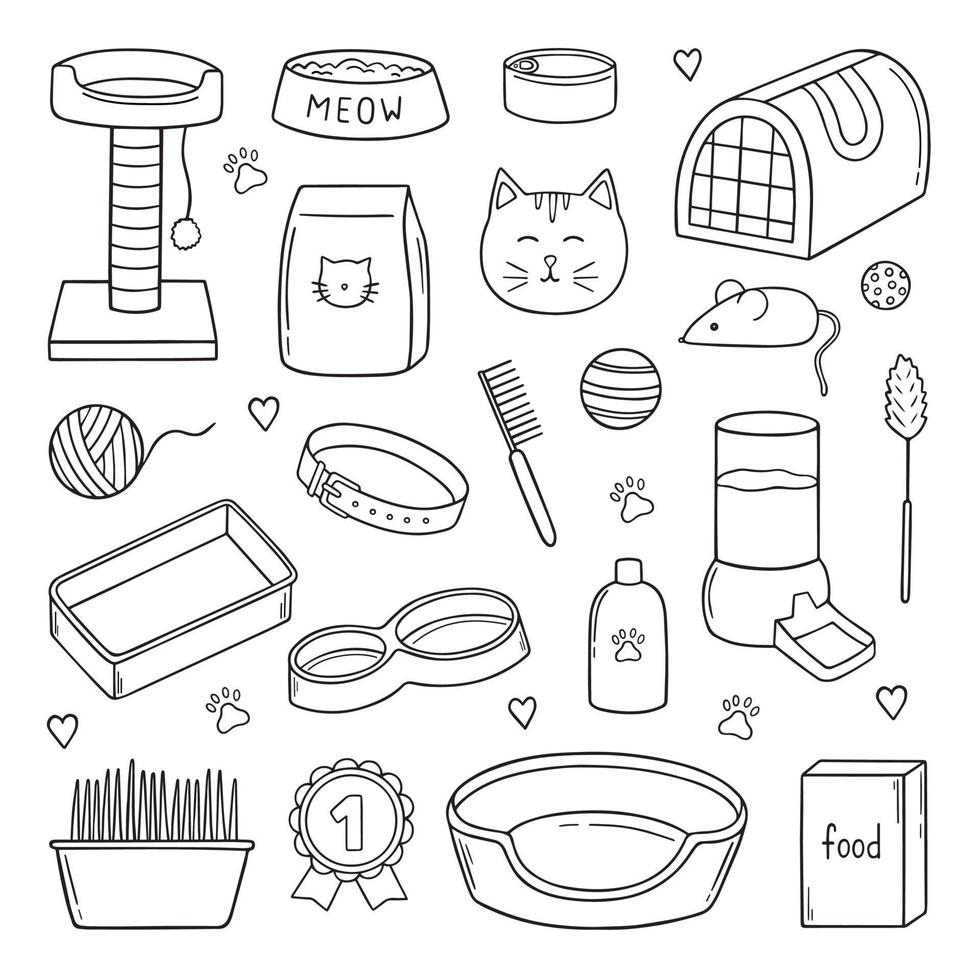
Think about what makes the toy special. Add strings, bells, or feathers that cats love. Draw small bells with round shapes and tiny clappers inside. For feathers, use thin, curved lines to show lightness. If the toy has a bell, add a loop to hang it. Show any stitching or seams to give a handmade feel. These features make your toy look playful and real.
Credit: www.vecteezy.com
Using Color Effectively
Using color effectively can bring your cat toy drawings to life. Colors add energy and fun to simple shapes. Choosing the right colors helps show texture and style. It also makes your drawing more interesting to look at.
Color can guide the viewer’s eye and set the mood for your drawing. Bright colors create excitement, while soft colors feel calm. Knowing how to use color well makes your artwork stand out.
Choosing Vibrant Colors
Pick bright colors that catch attention quickly. Reds, yellows, and blues work well for cat toys. Use colors that match the toy’s material, like soft pastels for fabric toys. Avoid dull or muddy colors that make your drawing look flat.
Use contrasting colors to make parts pop. For example, a red ball with green stripes looks lively. Vibrant colors help show the toy’s fun and playful nature. Keep your palette simple to avoid confusion.
Shading And Highlights
Shading adds depth and shape to your drawing. Use darker tones where shadows fall. This makes the toy look three-dimensional. Highlights show where light hits the surface. Use white or lighter colors for shine spots.
Blend shading smoothly for a natural look. Sharp shadows work for hard materials like plastic. Soft shading fits fabric or fuzzy toys better. Proper shading and highlights make your drawing realistic and engaging.
Creative Variations
Creative variations make drawing cat toys more fun and unique. They let you explore different styles and ideas. This keeps your artwork fresh and exciting. Experimenting with shapes and details helps your drawings stand out.
Designing Different Toy Types
Start by sketching simple shapes for each toy. Balls, mice, and feathers are classic choices. Change the size and color to create variety. Try making soft toys or ones with strings attached. Each toy type has a different look and feel. Drawing many types improves your skills and creativity.
Adding Personal Touches
Personal touches make your cat toys special. Add patterns like stripes or spots. Include small details such as bells or ribbons. Use bright colors or soft pastels to match your style. These little changes give character to your drawings. They show your unique imagination and care.
Common Mistakes To Avoid
Drawing cat toys can be fun but tricky. Avoiding common mistakes helps your art look better. Many beginners face similar problems. Fixing these issues early improves your skills fast.
Proportions And Symmetry
Cat toys need balanced shapes. Wrong size parts make toys look odd. Check if parts match each other well. Symmetry helps toys appear neat and real. Use simple guides to keep things even. Small differences can change the whole look. Always compare one side to the other.
Overcomplicating The Design
Simple designs work best for cat toys. Too many details confuse the drawing. Stick to basic shapes first. Add details slowly and only if needed. Complex lines distract from the main toy shape. Clear and clean lines make toys easy to see. Keep your design easy for others to copy.
Tips For Practice
Practicing drawing cat toys helps improve your skills fast. Regular practice builds confidence and sharpens your eye for details. Small, simple exercises keep you motivated and make drawing fun.
Focus on shapes, textures, and the playful nature of cat toys. Practice often to see steady progress and enjoy the process.
Daily Sketching Ideas
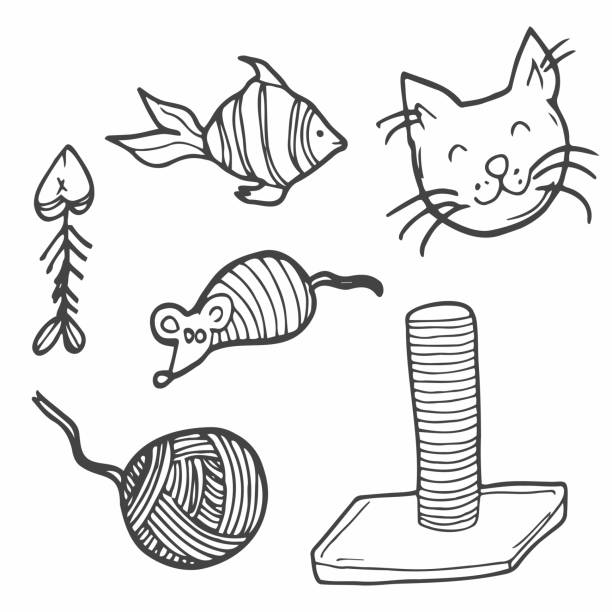
Draw different cat toys every day. Start with basic shapes like balls and mice. Sketch soft toys and feather wands next. Try quick, small sketches to capture toy details. Change your drawing style often to find what suits you best.
Using References
Look at real cat toys for inspiration. Study photos or watch videos of toys in use. Notice how light hits different textures. Use these observations to make your drawings more realistic. Keep reference images handy to check while drawing.
Credit: www.istockphoto.com

Credit: www.shutterstock.com
Frequently Asked Questions
How Do I Start Drawing Cat Toys Simply?
Begin with basic shapes like circles and ovals. Sketch light outlines for the toy’s body. Add details gradually to keep it simple and clear.
What Materials Are Best For Drawing Cat Toys?
Use pencils for initial sketches and fine liners for details. Colored pencils or markers add vibrancy. Choose smooth paper for clean lines and easy coloring.
How To Make Cat Toys Look Realistic In Drawings?
Focus on texture and shading to show softness or fluffiness. Use reference images to capture details like fur and fabric patterns accurately.
Can I Draw Cat Toys For Beginners Easily?
Yes, start with simple shapes and minimal details. Practice drawing common toys like balls or yarn to build confidence and skill.
Conclusion
Drawing cat toys can be fun and simple. Practice helps improve your skills fast. Use basic shapes and add small details. Keep your lines clean and clear. Try drawing different types of toys for variety. Enjoy the process and don’t rush.
Each sketch makes you better. Soon, you will create cute and playful cat toy drawings. Keep drawing and have fun!