
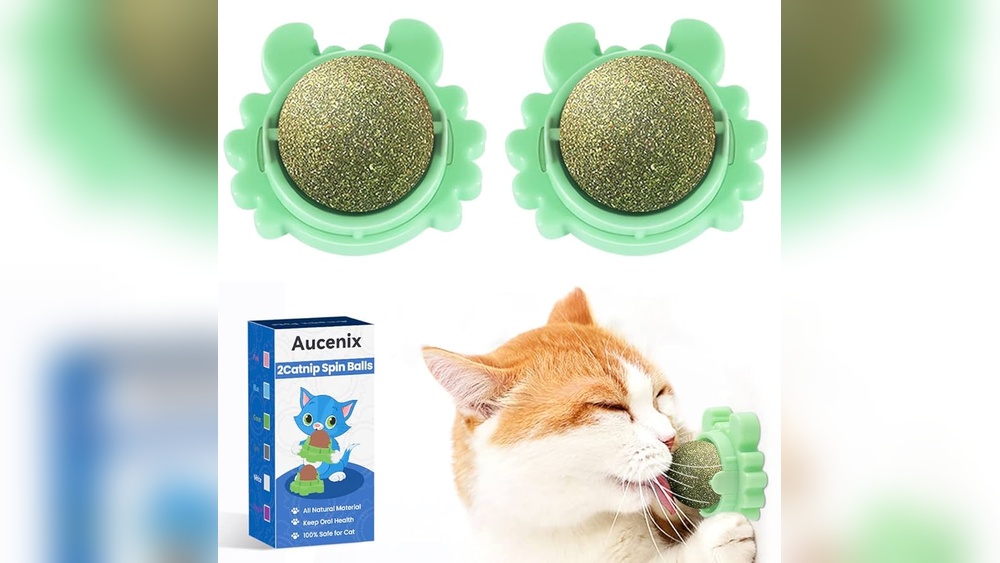
If you’ve ever caught your dog chewing on your cat’s toys, you know how frustrating it can be. Not only can this cause problems between your pets, but it can also lead to broken toys and even health risks for your dog.
You want to keep both your dog and cat happy and safe, but how do you stop your dog from treating cat toys like their own? You’ll discover simple, effective ways to protect your cat’s toys and keep your dog from munching on them.
Keep reading to find easy tips that work!
:max_bytes(150000):strip_icc():focal(1999x0:2001x2)/peo-cat-toys-test-trixie-5-1-activity-center-elizabeth-theriot-12_crop-1-1-8612968865894682b634e766481f5350.jpeg)
Credit: people.com
Reasons Dogs Eat Cat Toys
Dogs often eat cat toys for several reasons. Understanding these reasons helps in managing this behavior. Dogs and cats have different toys, but dogs find cat toys interesting. This interest can lead to chewing or eating cat toys. Knowing why dogs do this can help you protect both pets and their belongings.
Curiosity And Playfulness
Dogs are naturally curious animals. Cat toys look different and smell new. This makes dogs want to explore them. Playfulness also drives dogs to grab and chew cat toys. They treat these toys as new playthings. Chewing and biting satisfy their need to play.
Scent Attraction
Cat toys carry the scent of cats. Dogs can smell this and find it interesting. The scent makes the toy more attractive. Dogs like to investigate smells closely. This attraction may lead dogs to chew or eat the toys.
Texture And Taste
Cat toys have various textures that dogs enjoy. Soft or rubbery toys feel good to bite. Some toys may taste different or have catnip. These tastes can attract dogs to chew or eat them. The feel and taste keep dogs interested in cat toys.
Attention-seeking Behavior
Dogs want attention from their owners. Eating cat toys can get a big reaction. Dogs learn this behavior gets attention fast. They might chew toys to get noticed. This behavior can be a call for play or care.

Credit: www.hexbug.com
Risks Of Dogs Eating Cat Toys
Dogs chewing on cat toys can lead to serious problems. Cat toys are not made for dogs. They can cause harm in many ways. Understanding these risks helps keep your dog safe and healthy.
Choking Hazards
Cat toys often have small parts. Dogs may bite and swallow these pieces. These parts can block the throat or airways. Choking is a real danger for dogs. Always watch your dog around cat toys.
Digestive Issues
Swallowed toy pieces can get stuck in the stomach. This can cause pain and vomiting. Sometimes surgery is needed to remove the blockage. Digestive problems from cat toys are costly and painful.
Toxic Materials
Some cat toys contain chemicals or dyes. These materials can be harmful if chewed or eaten. Toxic substances cause sickness or allergic reactions. Keep toxic toys away from dogs to avoid illness.
Behavioral Problems
Chewing cat toys can encourage bad habits. Dogs might start stealing or destroying other items. This behavior can be hard to stop. Training and proper toys help prevent these issues.
Preventing Access To Cat Toys
Stopping your dog from chewing on cat toys helps keep both pets safe. Dogs may swallow small parts or damage toys meant for cats. Preventing your dog’s access to these toys reduces risks and keeps peace at home.
Designated Play Areas
Create separate play zones for your dog and cat. Use baby gates or pet barriers to keep toys apart. Cats enjoy quiet spots, while dogs prefer open spaces. This separation helps your dog avoid cat toys easily.
Secure Storage Solutions
Store cat toys in closed bins or cabinets. Choose containers that your dog cannot open or tip over. Keep toys off the floor and out of reach. Regularly check storage to ensure toys stay safe and clean.
Supervised Playtime
Watch your pets during play sessions. Redirect your dog if it goes near cat toys. Praise your dog for playing with its own toys. Supervision helps your dog learn which toys belong to it.
Training Tips To Discourage Toy Stealing
Training your dog to stop stealing cat toys takes patience and clear steps. Teaching good habits helps keep peace between pets. Focus on simple methods that build trust and understanding. Use commands, rewards, and distractions to guide your dog’s behavior.
Basic Commands
Start with simple commands like “leave it” and “drop.” Teach these commands in a calm place with few distractions. Practice daily in short sessions. Use a firm but kind voice. Reward your dog when it obeys. These commands help your dog understand boundaries.
Positive Reinforcement
Give treats or praise when your dog plays with its own toys. Celebrate good behavior immediately. This encourages your dog to repeat it. Avoid punishment, which can cause fear. Positive rewards create a happy learning environment. Your dog will choose good toys over cat toys.
Redirecting Attention
Offer your dog a fun toy when it tries to take a cat toy. Move the dog’s focus gently but firmly. Play with your dog using its toys to keep interest high. Keep cat toys out of reach to reduce temptation. Redirecting helps your dog learn what is allowed.
Choosing Dog-friendly Toys
Choosing dog-friendly toys helps keep your dog away from cat toys. Dogs need toys made just for them. These toys match their size, strength, and chewing habits. This stops them from grabbing cat toys, which can cause problems. Picking the right toy is the first step to peace in your pet family.
Safe Materials
Pick dog toys made from non-toxic materials. Look for rubber, nylon, or hard plastic that is safe to chew. Avoid toys with small parts that can break off and cause choking. Safe materials protect your dog’s teeth and health. Check labels to be sure the toy is pet-safe.
Durability
Choose toys that last long. Dogs can chew hard and rough. Toys that break easily will not keep your dog busy. Durable toys save money and prevent your dog from eating cat toys. Strong toys handle rough play and chewing without falling apart.
Interactive Options
Interactive toys keep dogs busy and happy. Toys that move, make noise, or hide treats work well. They distract your dog from cat toys by giving fun challenges. Puzzle toys and treat dispensers make your dog think and play safely. These toys reduce boredom and unwanted chewing.
Managing Multi-pet Households
Managing a household with both dogs and cats can be tricky. Pets have different needs and habits. Dogs may want to play with cat toys, causing stress or damage. Setting clear boundaries helps keep peace. It also protects your pets’ belongings. This section offers simple tips for managing multi-pet homes.
Separate Feeding And Play Zones
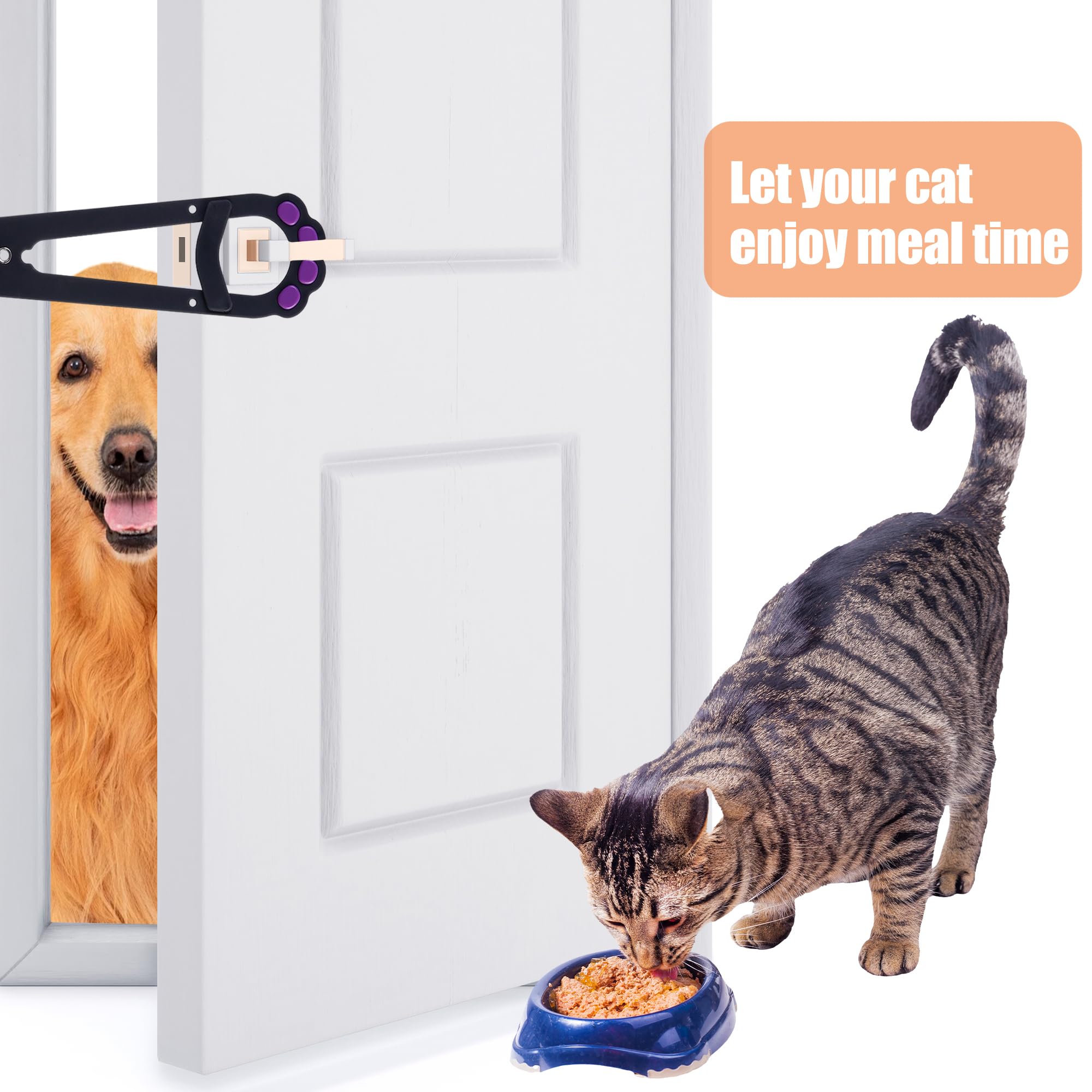
Create distinct areas for each pet to eat and play. Dogs and cats feel safer with their own spaces. Keep cat toys in places only cats can reach. Use baby gates or closed doors to separate zones. This reduces chances of dogs grabbing cat toys.
Routine And Consistency
Pets thrive on routine. Feed and play with pets at regular times. Consistency helps pets understand their boundaries. Repeat training about which toys belong to whom. Praise pets when they respect these rules. This builds good habits over time.
Monitoring Interactions
Watch your pets when they are together. Step in if a dog tries to take a cat toy. Redirect the dog to its own toys or activities. Supervision prevents conflicts and teaches limits. Gradually, pets learn to share the home peacefully.
When To Consult A Veterinarian Or Trainer
Knowing when to seek expert help is key to solving your dog’s habit of eating cat toys. Sometimes, simple home efforts are not enough. A veterinarian or trainer can offer the right guidance and solutions. Here are signs that show it’s time to ask for professional help.
Persistent Behavior Issues
Some dogs keep eating cat toys despite your efforts to stop them. This behavior may become a habit or a sign of anxiety. If your dog ignores commands and continues, professional help is needed. Trainers can teach your dog better ways to behave. They use methods that fit your dog’s personality.
Health Concerns
Eating cat toys can harm your dog’s health. Toys may cause choking or blockages in the stomach. If your dog shows vomiting, lack of appetite, or unusual tiredness, see a vet fast. A vet checks for injuries or illnesses from swallowing toys. Early care can prevent serious problems.
Professional Training Support
Trainers use special techniques to change your dog’s habits. They focus on positive rewards and clear commands. Training can reduce your dog’s interest in cat toys. Experts also guide you on managing your pets together. Their advice helps keep your home safe for both pets.
Credit: www.amazon.com
Frequently Asked Questions
How Can I Stop My Dog From Eating Cat Toys?
Keep cat toys out of your dog’s reach. Use separate play areas for cats and dogs. Offer your dog engaging toys to reduce interest in cat toys.
Why Do Dogs Eat Cat Toys?
Dogs eat cat toys out of curiosity, boredom, or teething. Cat toys often smell interesting and can attract dogs. Providing proper dog toys helps prevent this behavior.
What Are Safe Alternatives To Cat Toys For Dogs?
Provide durable dog toys like chew bones, rubber balls, or rope toys. These satisfy chewing urges and keep dogs entertained. Avoid small or soft toys that could be swallowed.
How To Train My Dog To Avoid Cat Toys?
Use positive reinforcement to discourage toy stealing. Teach commands like “leave it” or “no. ” Reward your dog when they ignore cat toys to reinforce good behavior.
Conclusion
Keeping your dog from eating cat toys takes patience and care. Separate their play areas to avoid mix-ups. Offer your dog plenty of their own toys to chew. Teach your dog commands like “leave it” to stop unwanted behavior. Always watch your pets during playtime to keep them safe.
Small steps make a big difference in keeping everyone happy. Stay consistent and gentle with training for the best results. Your pets will enjoy their toys without any trouble.