
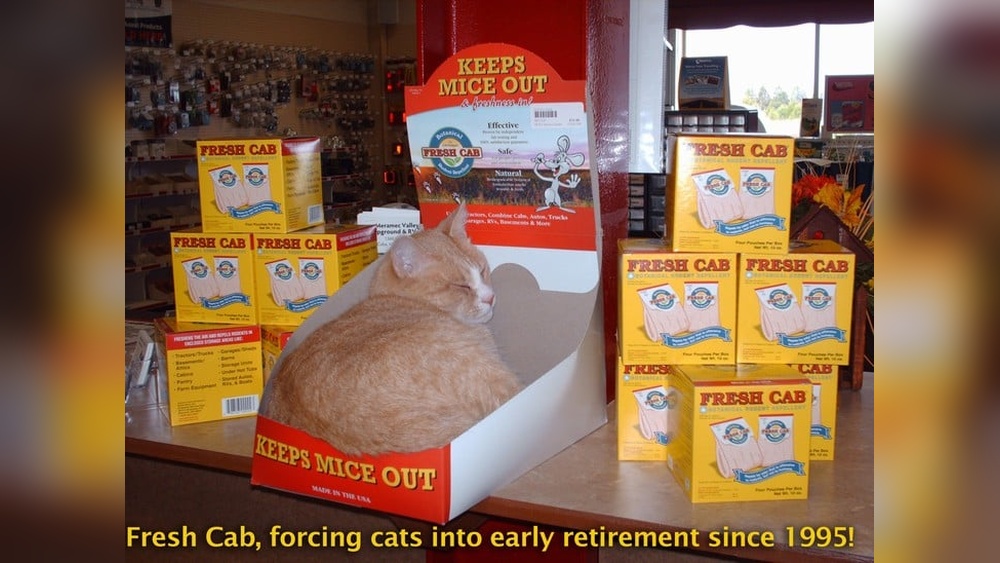
Are you tired of finding little mice scurrying around your home? You might have heard that toy cats can help keep these pesky critters away.
But does this really work, or is it just a myth? If you want to protect your space without using harmful traps or chemicals, understanding the truth about toy cats could save you time and effort. Keep reading to discover how toy cats might help—and what you should know before relying on them.
Your mouse problem could have a surprisingly simple solution.

Credit: www.terminix.com
How Toy Cats Mimic Real Cats
Toy cats are designed to look and act like real cats. This makes them good at scaring mice away. They copy how real cats appear and move. This helps trick mice into thinking a cat is nearby.
Many toy cats use special features to mimic real cats closely. These details make the toy seem alive. The way they look and sound plays a big role in keeping mice at bay.
Design And Appearance
Toy cats often have fur that feels soft and looks real. Their eyes can shine and move just like a real cat’s eyes. Some have whiskers and tails that move slightly. The colors and patterns match real cat breeds. This realistic look helps scare mice effectively.
Details like small noses and ears add to the natural look. The size of toy cats is usually close to real cats. This size makes mice believe a real cat is nearby. The better the design, the more convincing the toy is.
Movement And Sounds
Many toy cats move their heads or tails slowly. Some even blink their eyes or twitch their ears. These small movements make the toy seem alive. Movement surprises mice and makes them stay away.
Some toy cats also make sounds. They may purr, meow, or hiss softly. These sounds add to the real cat feel. Mice hear these sounds and sense danger. This keeps them from coming close to the toy cat.
Do Mice Fear Toy Cats?
Toy cats might seem like a clever way to keep mice away. But do mice actually fear these inanimate figures? Understanding how mice react to objects like toy cats helps answer this question. Mice rely on their senses to detect danger. Their behavior changes around real threats, but do toy cats trigger the same response? The answer depends on how mice perceive their environment and objects within it.
Mouse Behavior Around Inanimate Objects
Mice explore new spaces carefully. They use smell, sight, and touch to learn about objects. Inanimate objects, like toy cats, do not move or make noise. This lack of movement makes mice less likely to fear them. Mice often ignore static objects after a short inspection. They focus more on sounds and smells from real predators. Without these cues, toy cats fail to scare mice effectively.
Effects Of Static Presence
A toy cat stays still in one place. This static presence does not mimic a real cat’s behavior. Mice quickly realize the toy cat is harmless. Over time, mice become comfortable near these objects. The absence of motion and scent reduces the toy cat’s impact. Static objects do not create lasting fear or avoidance in mice. They might only cause brief caution at first sight.
Comparing Toy Cats And Real Cats For Pest Control
Comparing toy cats and real cats for pest control shows clear differences. Real cats offer active hunting skills. Toy cats serve as visual deterrents. Understanding their strengths helps in deciding the best option for mice problems.
Effectiveness Of Real Cats
Real cats are natural predators. They hunt and catch mice quickly. Their presence alone can scare away rodents. Cats use smell, sight, and sound to find pests. They patrol areas regularly, reducing mouse activity. Many people trust real cats for pest control. Cats also adapt to new environments fast. This makes them reliable in homes and farms.
Limitations Of Toy Cats
Toy cats cannot hunt or catch mice. They only work by creating a visual threat. Mice may ignore them after some time. Toy cats do not move or make sounds. They need to be moved often to stay effective. They are less reliable in large areas. Toy cats do not solve pest problems fully. They work best as a short-term or extra measure.
Alternative Ways To Keep Mice Away
Toy cats might look cute, but they do not scare mice away. Mice need strong signals to avoid places. There are many other ways to keep mice from entering your home or garden. Some are natural, some use technology, and some focus on stopping mice before they come in.
Natural Deterrents
Certain smells can make mice stay away. Peppermint oil is one of the best. Soak cotton balls in peppermint oil and place them where mice appear. Other natural options include cloves, cayenne pepper, and garlic. Cats and dogs also help by making noise and presence felt. Planting mint around your home can act as a natural barrier too.
Technological Solutions
Ultrasonic devices emit sounds that mice dislike. These sounds are silent to humans but annoying to rodents. Electronic traps catch mice quickly and safely. Motion-activated lights can scare mice away at night. Cameras help monitor mouse activity. These tools need power and some setup but work well in many homes.
Preventive Measures
Sealing holes and cracks stops mice from entering. Keep food in sealed containers to avoid attracting them. Clean regularly to remove crumbs and spills. Remove clutter where mice can hide. Fix leaky pipes to cut off water sources. Regularly check your home for signs of mice and take action fast.
Do Toy Cats Have Any Benefits?
Do toy cats have any benefits beyond just being cute? Many people wonder if these small replicas serve a real purpose. While toy cats do not catch mice, they offer other advantages. They can improve your space and mood in subtle ways. Let’s explore their decorative appeal and psychological effects.
Decorative Appeal
Toy cats add charm to any room. Their lifelike appearance makes spaces feel cozy and warm. You can place them on shelves, desks, or windowsills. They brighten dull corners without taking up much space. Many come in various colors and styles. This variety helps match different room themes easily. Toy cats bring personality to your home or office. They make your area feel more inviting and cared for.
Psychological Effects
Toy cats offer comfort and reduce stress. Seeing a small, cute figure can lift your mood instantly. They provide a sense of calm during busy days. People often feel less lonely with a toy cat nearby. They can trigger happy memories of real pets. Having a toy cat may improve focus and creativity. It acts as a gentle reminder to take breaks and relax.
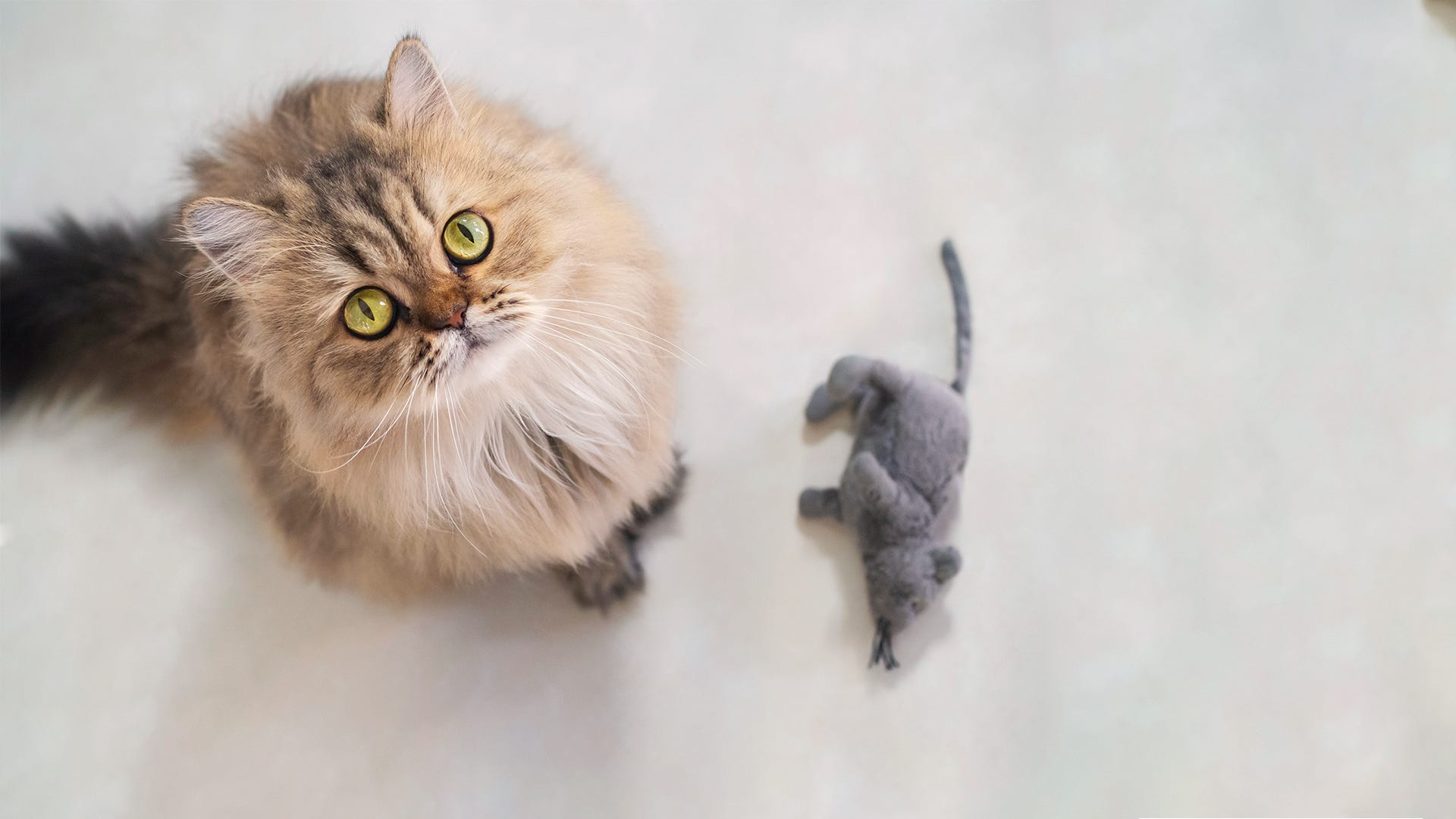
Credit: www.victorpest.com
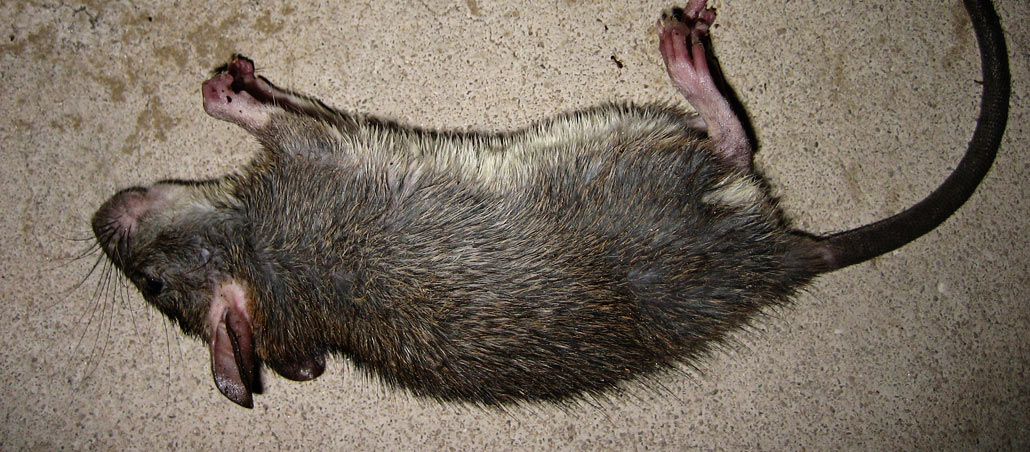
Credit: wildliferemovalusa.com
Frequently Asked Questions
Do Toy Cats Actually Scare Mice Away?
Toy cats may visually deter mice initially. However, mice quickly realize they pose no real threat. Toy cats alone are not effective in long-term mouse control.
How Do Real Cats Keep Mice Away?
Real cats use their hunting instincts to catch and kill mice. Their presence and scent also naturally repel rodents. Unlike toys, real cats provide active and lasting pest control.
Can Toy Cats Replace Real Cats For Pest Control?
Toy cats cannot replace real cats in pest control. They lack movement, scent, and hunting behavior needed to deter mice effectively. Real cats remain the better option for natural rodent control.
Are Toy Cats A Cost-effective Mouse Deterrent?
Toy cats are inexpensive but have limited effectiveness. They may offer short-term visual deterrence but won’t solve infestations. Investing in real cats or professional pest control is more reliable.
Conclusion
Toy cats may look cute but do not scare real mice away. Mice rely on their senses, not just sight, to feel danger. Real cats move, make noise, and smell different. Toy cats stay still and silent. They might not stop mice from entering your home.
For better results, use traps or call pest control. Keep food sealed and clean to avoid attracting mice. Toy cats can be fun decorations but not effective pest control. Use smart methods to keep your home mouse-free and safe.