
Are you worried that allergies might keep you from enjoying the company of a furry feline friend? You’re not alone.
Many cat lovers struggle with sneezing, itchy eyes, or worse when they’re around cats. But what if you could find a cat breed that’s kinder to your allergies? Imagine having a loving pet without the constant sniffles or discomfort. You’ll discover some of the best hypoallergenic cat breeds that could be the perfect match for you.
Keep reading to learn which cats might let you enjoy all the joy of pet ownership—without the allergy flare-ups.
Why Hypoallergenic Cats Matter
Many people love cats but suffer from allergies. This can stop them from having a pet cat. Hypoallergenic cats matter because they help reduce allergy problems. These cats produce fewer allergens. This makes it easier to live with them and enjoy their company.
Choosing a hypoallergenic breed can improve life quality. It allows allergy sufferers to have pets without constant sneezing or itching. It helps families stay together with their furry friends. Understanding why these cats matter is the first step in finding the right pet.
Common Cat Allergens
Allergies come from proteins in cat saliva, skin, and urine. When cats groom, they spread saliva on their fur. This saliva has allergens that cause reactions. Cat dander, tiny skin flakes, also carries allergens. These allergens float in the air and stick to surfaces. Some cats produce less of these proteins. That is why some breeds cause fewer allergy problems.
Benefits Of Allergy-friendly Breeds
Hypoallergenic cats reduce allergy symptoms like sneezing and itching. They allow more people to enjoy pet ownership. These breeds often shed less fur, keeping homes cleaner. Allergy-friendly cats can make it easier to visit friends with allergies. They also help people feel more comfortable and less stressed. Choosing these breeds can create a happier home for everyone.
Credit: www.purina.co.nz
Traits Of Hypoallergenic Cats
Hypoallergenic cats have special traits that make them better for allergy sufferers. These cats produce fewer allergens or spread them less. Their coat and how much they shed play a big role. Also, the type and amount of allergen they produce matter. Understanding these traits helps choose a cat that fits your needs.
Coat Types And Shedding
Hypoallergenic cats often have unique coats. Some have short hair that traps fewer allergens. Others have hair that grows slowly and sheds less. Less shedding means fewer allergens spread in the air. Some breeds have wool-like fur that holds dander close. These coat types reduce the spread of allergens around your home.
Allergen Production Differences
Not all cats produce the same allergen levels. Hypoallergenic breeds release fewer proteins that cause allergies. These proteins come from skin, saliva, and urine. Some cats groom less, spreading fewer allergens. Lower allergen production means less chance of allergic reactions. Choosing cats with this trait helps people live comfortably with cats.
Top Hypoallergenic Cat Breeds
Many people love cats but worry about allergies. Hypoallergenic cat breeds reduce allergic reactions. These cats produce fewer allergens or shed less fur. They are a good choice for sensitive individuals. Below are some top hypoallergenic cat breeds.
Siberian Cats
Siberian cats have thick, soft fur but cause fewer allergies. They produce less of the Fel d 1 protein. This protein triggers most cat allergies. Siberians are friendly, playful, and good with families.
Balinese Cats
Balinese cats are sleek with long hair. They produce less allergen than many other cats. Their gentle nature suits quiet homes. Balinese cats enjoy attention and are very social.
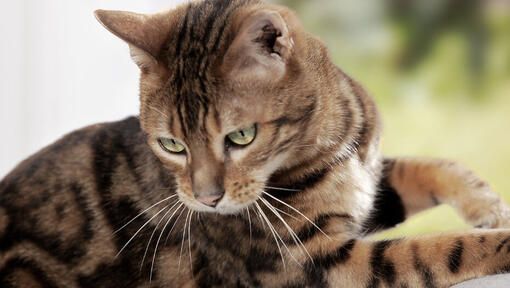
Bengal Cats
Bengals look wild with spotted coats. Their short fur sheds little dander. Bengal cats are active and intelligent. They need space to play and explore.
Cornish Rex Cats
Cornish Rex cats have curly, soft fur. Their coat traps fewer allergens in the air. They are lively and love to jump. Cornish Rex cats form strong bonds with owners.
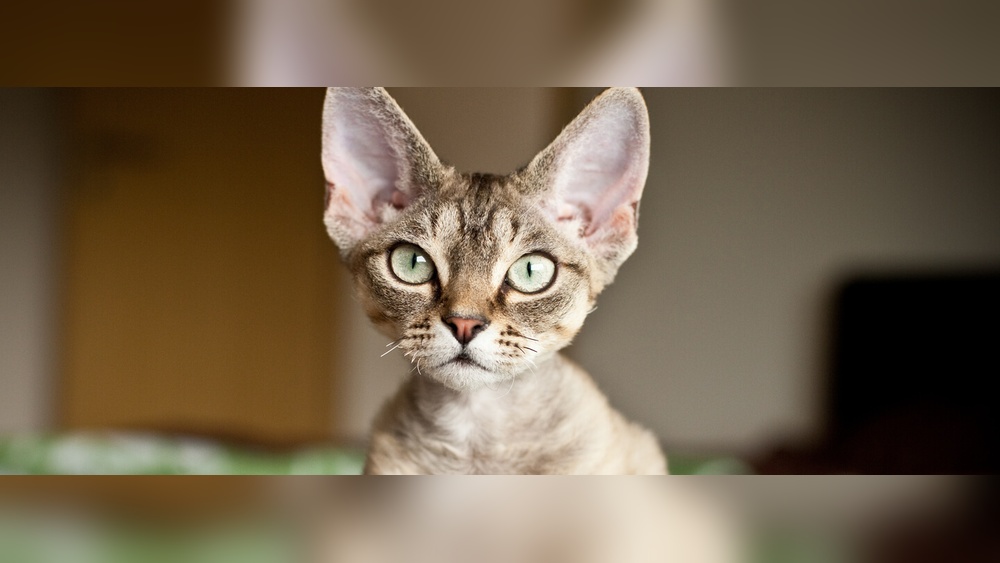
Devon Rex Cats
Devon Rex cats have wavy, thin coats. Their low shedding helps reduce allergies. These cats are playful and affectionate. They enjoy being around people a lot.
Sphynx Cats
Sphynx cats have no fur at all. They need regular skin cleaning to stay healthy. Without fur, allergens spread less in the home. Sphynx cats are curious and love attention.
Credit: www.metlifepetinsurance.com
Choosing The Right Breed For Allergies
Choosing the right cat breed for allergies can make a big difference. Some breeds produce fewer allergens and cause less reaction. Picking a breed that suits your allergy needs helps you enjoy your pet without discomfort. Understanding your lifestyle and testing allergies first are important steps.
Lifestyle Considerations
Think about your daily routine and home space. Some cats need more attention and grooming. Others are more independent and low maintenance. Hypoallergenic breeds may still shed, so cleaning often is important. Your choice should fit your time and living conditions.
Allergy Testing Before Adoption
Try to spend time with the cat breed before adopting. This helps check your allergy reaction in real life. Allergy tests at a doctor’s office can also give useful information. Testing reduces the risk of surprise allergic reactions later. Always be sure before bringing a cat home.
Managing Cat Allergies At Home
Managing cat allergies at home can help you live comfortably with your pet. Small changes can make a big difference in reducing allergy symptoms. Focus on cleaning, air quality, and grooming to keep allergens low. These steps create a healthier space for both you and your cat.
Cleaning Tips To Reduce Allergens
Vacuum your floors and furniture often using a vacuum with a HEPA filter. Wash your cat’s bedding weekly in hot water. Dust surfaces regularly with a damp cloth to trap allergens. Avoid carpets and heavy curtains that hold pet dander. Use washable covers on sofas and chairs to clean easily.
Air Quality Improvements
Use an air purifier with a HEPA filter to remove airborne allergens. Open windows for fresh air when possible. Keep humidity low to reduce dust mites and mold growth. Avoid smoking indoors to prevent extra irritants. Place plants that improve indoor air quality but check they are safe for cats.
Regular Grooming Practices
Brush your cat daily to remove loose fur and dander. Use a damp cloth to wipe your cat’s fur gently. Bathe your cat occasionally using mild shampoo made for cats. Trim your cat’s nails to reduce scratching damage and allergens on surfaces. Wash your hands after touching your cat to avoid spreading allergens.
:quality(75))
Credit: manypets.com
Frequently Asked Questions
What Defines A Cat Breed As Hypoallergenic?
A hypoallergenic cat breed produces fewer allergens than others. These cats shed less dander and saliva proteins that trigger allergies. While no cat is completely allergen-free, hypoallergenic breeds reduce allergic reactions for sensitive individuals.
Which Cat Breeds Are Best For Allergy Sufferers?
Popular hypoallergenic cat breeds include the Siberian, Balinese, Sphynx, and Russian Blue. These breeds produce fewer allergens and shed less fur. They are ideal choices for people with mild to moderate cat allergies.
Are Hypoallergenic Cats Completely Allergen-free?
No cat is entirely allergen-free. Hypoallergenic cats have lower allergen levels, but some people may still react. Allergy symptoms vary, so spending time with a cat before adoption is advised.
How Can I Reduce Allergens From My Cat?
Regular grooming and bathing reduce cat dander and saliva residue. Use air purifiers and clean the home frequently. Keeping cats out of bedrooms also helps minimize allergen exposure.
Conclusion
Hypoallergenic cat breeds help people with allergies enjoy pets. These cats shed less or produce fewer allergens. Popular breeds include the Sphynx, Balinese, and Russian Blue. Each breed has its own personality and care needs. Choosing the right cat can make living with allergies easier.
Always spend time with a cat before adopting. This helps ensure comfort and compatibility. Caring for hypoallergenic cats still requires love and attention. They bring joy without constant sneezing or itching. Consider these breeds if allergies concern you. A furry friend can brighten your home and heart.