
Are you passionate about cats and thinking about turning that love into a rewarding hobby or business? Starting to breed pedigree cats can be exciting, but it also takes careful planning and knowledge.
You want healthy, beautiful kittens that come from strong bloodlines—and that means knowing the right steps from the very beginning. In this guide, you’ll discover exactly what you need to do to start breeding pedigree cats the right way. By the end, you’ll feel confident and ready to create your own successful breeding program.
Keep reading to unlock the secrets to breeding cats that everyone will admire!
Credit: catbreedersensei.com
Choosing The Right Breed
Choosing the right breed is the first step in starting a pedigree cat breeding journey. Each breed has unique traits that affect care, behavior, and health. Understanding these traits helps ensure a happy home for your cats and successful breeding. Careful breed selection matches your lifestyle and goals.
Popular Pedigree Cat Breeds
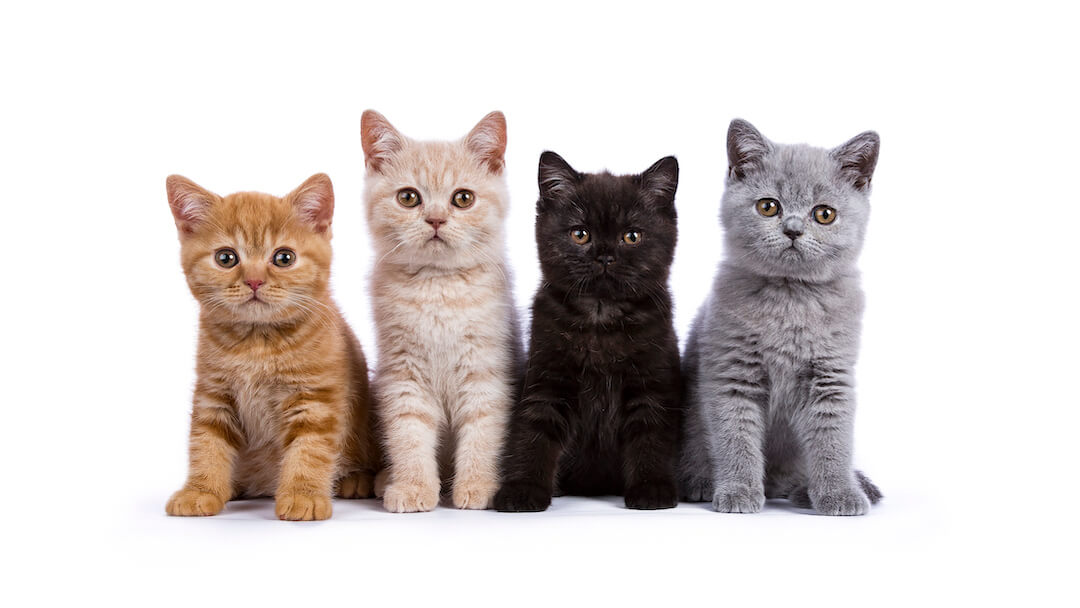
Some breeds are more popular and easier for beginners. The Persian cat is known for its long fur and calm nature. Siamese cats are vocal and active, needing lots of attention. Maine Coons are large, friendly, and adapt well to families. British Shorthairs have thick coats and gentle personalities. Each breed offers different care needs and temperaments.
Matching Breed Traits With Lifestyle
Think about your daily routine and home environment. Choose a breed that fits your activity level. Active people might prefer playful breeds like Bengals or Abyssinians. Quiet homes suit calm breeds like Ragdolls or Persians. Consider grooming needs; long-haired cats need more care. Matching breed traits with your lifestyle keeps cats happy and healthy.
Credit: www.purina.co.uk
Setting Up A Breeding Space
Setting up a breeding space is a key step in starting to breed pedigree cats. The area must be clean, quiet, and safe. Proper preparation helps keep the cats healthy and comfortable. It also makes caring for the kittens easier. A well-organized space supports good breeding practices and happy cats.
Creating A Safe Environment
Choose a room with little noise and few people. Avoid places with strong smells or drafts. Use soft bedding to keep cats warm and cozy. Make sure the space is easy to clean. Keep harmful items out of reach. Provide fresh air without chilling the cats. Safe surroundings reduce stress for mother and kittens.
Essential Equipment And Supplies
Prepare a nesting box for the mother cat. Use washable blankets and towels for comfort. Have food and water bowls nearby. Stock up on quality cat food for mother and kittens. Keep a litter box in the room. Have cleaning supplies ready for accidents. A thermometer helps check room temperature. These items keep the breeding space organized and functional.
Health And Genetic Screening
Health and genetic screening are crucial steps in starting pedigree cat breeding. Healthy cats produce strong kittens and prevent inherited diseases. Regular tests help detect issues early and keep your breeding line safe.
Genetic screening reveals hidden problems not visible in a cat’s appearance. This protects future generations and maintains breed standards. Caring for your cats’ health builds trust with buyers and other breeders.
Common Health Tests
Start with basic health checks like blood tests and vaccinations. Test for feline leukemia virus (FeLV) and feline immunodeficiency virus (FIV). These viruses can spread quickly and harm your cattery.
Check kidneys, heart, and eyes through veterinary exams. Many breeds have specific health concerns, such as hypertrophic cardiomyopathy (HCM) in Maine Coons. DNA tests screen for breed-specific genetic conditions.
Avoiding Genetic Disorders
Use genetic screening to find carriers of inherited diseases. Avoid breeding two carriers to stop passing diseases to kittens. Keep detailed records of health results and family history.
Select cats with clear test results and no signs of illness. Breeding healthy cats reduces risks and improves kitten quality. Work with a vet or genetic counselor to plan safe matings.
Selecting Breeding Cats
Selecting the right cats for breeding is the first step in starting a pedigree cat breeding program. This choice affects the health, appearance, and temperament of future kittens. Choose cats that meet breed standards and have good health records. Focus on traits that improve the breed and avoid passing on genetic problems.
Careful selection helps maintain the quality of the breed. It also ensures happy, healthy kittens with good temperaments. Breeders should take time to assess each cat carefully before deciding.
Evaluating Pedigree And Temperament
Check the pedigree papers to confirm the cat’s lineage. This shows if the cat comes from strong, healthy bloodlines. Look for any history of genetic diseases or health issues in the pedigree.
Temperament is equally important. Choose cats that are calm, friendly, and social. Aggressive or overly shy cats may pass these traits to their kittens. Good temperament helps kittens adapt well to new homes.
Age And Breeding Readiness
Only breed cats that are physically mature. Females should be at least one year old before breeding. Males can breed a bit earlier but also need full maturity.
Check the cat’s health before breeding. A vet can confirm if the cat is ready and free from illnesses. Avoid breeding cats that are too young or too old. Proper age and health lead to safer pregnancies and healthier kittens.
Mating And Pregnancy Care
Mating and pregnancy care are key steps in breeding pedigree cats. Proper care ensures healthy kittens and a safe experience for the mother cat. Understanding when to mate and how to monitor pregnancy helps prevent problems. This section explains how to time mating and care during pregnancy.
Timing The Mating Process
Female cats go into heat every two to three weeks during breeding season. Heat lasts about five to seven days. The best time to mate is during the middle of this period. Signs include loud vocalizing and restlessness. The female may rub against objects or the male cat.
Observe these signs closely. Introduce the male when the female is most receptive. Mating often happens several times over a few days. Keep the cats calm and safe during this time. Avoid forcing the cats to mate. Patience leads to better results.
Monitoring Pregnancy
Pregnancy in cats lasts about 63 to 65 days. Watch the female for changes in behavior and appetite. She may eat more and become less active. Gently check her belly for swelling after three weeks. Avoid stressing her with loud noises or rough handling.
Provide a quiet, comfortable space for the mother. Prepare a warm nesting area before she gives birth. Regular vet checkups help track the pregnancy health. Seek help if she shows signs of pain, bleeding, or loss of appetite.
Caring For Kittens
Caring for kittens is a key part of breeding pedigree cats. Healthy kittens grow into strong, happy adults. Proper care from the start helps avoid health problems and behavioral issues. Understanding their needs ensures they develop well.
Neonatal Care And Feeding
Kittens need warm, clean spaces to stay comfortable. Keep the area quiet and safe. Newborns cannot regulate their body temperature. Use heating pads or warm blankets carefully. Check their weight daily to track growth.
Feed kittens every two to three hours during the first two weeks. Use kitten milk replacer, not cow’s milk. Bottle feed slowly to prevent choking. After two weeks, start introducing soft, wet food. Clean feeding bottles after each use.
Socialization And Early Training
Begin socializing kittens at three weeks old. Handle them gently to build trust. Expose kittens to different sounds and people. Play with them using toys to encourage movement.
Start litter training early. Place kittens in the litter box after feeding. Praise them when they use it correctly. Early training shapes good habits for life. Positive interactions help kittens become friendly pets.
Legal And Ethical Considerations
Starting to breed pedigree cats means facing legal and ethical responsibilities. These rules protect cats and buyers. They help keep the breeding healthy and fair. Knowing these rules is the first step to becoming a good breeder.
Breeding Regulations
Each country has laws about breeding cats. Some require licenses or permits. Others set limits on how many cats you can own. These rules keep animals safe from harm and abuse. Follow local laws to avoid fines and legal trouble. Always check your area’s specific breeding laws before starting.
Responsible Breeding Practices
Responsible breeders focus on the health and well-being of cats. They test cats for diseases before breeding. They avoid breeding cats with genetic problems. Good breeders provide clean, safe homes for cats. They also give kittens proper care and socialization. Ethical breeding means thinking about the cat’s life, not just profit.

Credit: www.amazon.com
Marketing And Selling Kittens
Marketing and selling pedigree kittens is a key step in cat breeding. It requires care and strategy to find good homes and fair prices. Proper marketing helps ensure kittens go to loving owners who value their breed qualities.
Good marketing builds trust. It shows your commitment to the cats’ health and pedigree. Clear information about each kitten’s traits attracts serious buyers.
Finding Suitable Homes
Finding the right home is important for your kittens’ wellbeing. Screen potential buyers carefully. Ask about their experience with cats and their living situation. Make sure they understand the needs of pedigree cats.
Meet buyers in person or use video calls. This helps you see their environment and commitment. Recommend a home with enough space and time for the kitten.
Pricing And Contracts
Set fair prices based on breed, lineage, and health checks. Research market rates for similar pedigree kittens. Avoid setting prices too low or too high.
Use clear contracts to protect your interests and the buyers’. Include terms on health guarantees, spaying or neutering, and return policies. Contracts help prevent misunderstandings and ensure proper care.
Frequently Asked Questions
What Are The First Steps To Start Breeding Pedigree Cats?
Begin by researching cat breeds and genetic traits. Choose healthy, pedigree cats with good lineage. Prepare a safe, clean breeding environment. Consult a vet for health checks and breeding advice. Understand legal and ethical responsibilities before starting.
How Do I Select The Best Pedigree Cats For Breeding?
Select cats with strong pedigrees, good health, and desirable traits. Avoid genetic diseases and defects. Check lineage, temperament, and breed standards. Prioritize cats that complement each other genetically. Proper selection ensures healthy, high-quality kittens.
What Health Checks Are Essential Before Breeding Cats?
Conduct thorough vet exams, including vaccinations and parasite control. Screen for genetic diseases common in the breed. Test for feline viruses like FeLV and FIV. Ensure both cats are in optimal health to prevent complications.
How Often Should Pedigree Cats Be Bred?
Breed cats responsibly, typically no more than once or twice a year. Allow recovery time between litters to maintain health. Avoid overbreeding to reduce stress and health risks. Follow breed-specific guidelines and vet recommendations.
Conclusion
Starting to breed pedigree cats takes care and patience. Choose healthy cats with good traits. Learn about their needs and habits. Keep detailed records to track progress. Always focus on the cats’ health and safety. Breeding can bring joy and responsibility.
Take your time, and enjoy the journey. This careful approach helps create strong, happy cats. Stay curious and keep learning as you go. Your efforts will show in the cats you raise.