
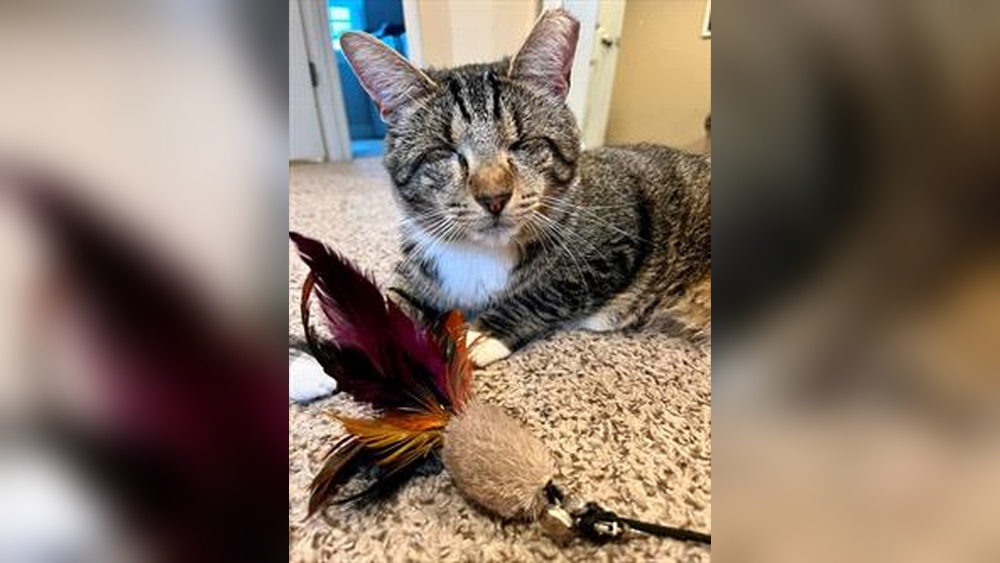
Have you ever noticed your cat sneezing or rubbing its nose after playing with their favorite toys? If so, you might be wondering, “How long does feline rhinitis last on cat toys?”
Understanding this can help you keep your furry friend healthy and happy. You’ll discover what feline rhinitis means for your cat’s playtime, how long the infection can linger on their toys, and simple steps you can take to protect your pet.
Keep reading to make sure your cat’s playtime stays safe and fun!
Credit: bowwowinsurance.com.au
Feline Rhinitis Basics
Feline rhinitis is a common condition in cats. It causes inflammation in the nose and sinuses. This problem can affect a cat’s breathing and comfort. Understanding its basics helps in spotting signs early. Early care can reduce discomfort and prevent more serious issues.
Symptoms In Cats
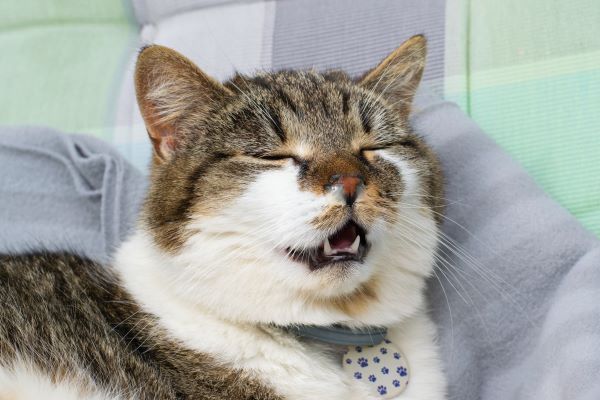
Cats with rhinitis often sneeze a lot. Their noses may run or feel blocked. You might see them paw at their face. Some cats breathe loudly or have noisy breaths. Loss of smell can make cats eat less. Their eyes may water or look red. These signs show that the nose is irritated.
Common Causes
Rhinitis in cats can start from many sources. Viruses like feline herpesvirus are common causes. Bacterial infections may also trigger it. Allergies to dust or pollen can inflame the nose. Sometimes, foreign objects stuck in the nose cause it. Stress or weak immune system can worsen the condition. Understanding the cause helps in proper treatment.

Credit: veterinarypartner.vin.com
Impact On Cat Behavior
Feline rhinitis can change how cats behave, especially around their toys. Cats rely on their senses to enjoy playtime. Rhinitis affects their nose, making it hard to smell. This change can make play less fun or confusing.
Changes In Play Patterns
Cats with rhinitis often play less than usual. They may lose interest in toys they once loved. Movement might slow down as they feel tired or uncomfortable. Some cats become more cautious and avoid active games. Rest periods increase, reducing their usual bursts of energy.
Effect On Interaction With Toys
Toys that rely on scent lose their appeal. Cats may ignore toys with smells they cannot detect. They might prefer soft or quiet toys over noisy ones. Some cats touch toys less with paws or mouth. They need more gentle encouragement to play again.
Duration Of Rhinitis Symptoms
Feline rhinitis causes sneezing, nasal discharge, and discomfort in cats. Understanding how long these symptoms last helps pet owners care better. The duration varies based on several factors. Knowing what to expect reduces worry and aids proper treatment.
Typical Recovery Time
Most cats recover from rhinitis within one to three weeks. Mild cases often clear up faster, sometimes in just a few days. More severe infections or ongoing irritation can extend symptoms beyond a month. Rest and proper care speed up healing. Watch your cat’s behavior and nasal discharge to track progress.
Factors Influencing Duration
Age plays a role; kittens and older cats heal slower. The cause of rhinitis matters. Viral infections often resolve quicker than bacterial ones. Allergies or chronic conditions may cause longer symptoms. The cat’s immune system strength also affects recovery time. Environmental factors like dust or smoke can worsen symptoms. Timely veterinary care can shorten illness duration. Clean surroundings and avoiding irritants help your cat feel better fast.

Credit: thepetvet.com
Role Of Cat Toys In Recovery
Cat toys play an important role in helping cats recover from feline rhinitis. They keep cats active and interested during illness. Using toys correctly can support a cat’s healing process and improve its mood.
Engaging with toys encourages gentle movement, which is good for weak cats. It also helps distract cats from discomfort or stress caused by rhinitis. Toys can bring comfort and joy during recovery.
Stimulating Play During Illness
Even sick cats need some playtime. Light play keeps their energy up without causing too much strain. Toys like soft balls or feather wands invite gentle interaction.
Play helps clear a cat’s mind and reduce anxiety. It can improve appetite and promote better breathing. Small bursts of activity keep a cat’s body working well.
Choosing Safe And Comfortable Toys
Select toys that are soft and easy to handle. Avoid hard or noisy toys that may scare or hurt a sick cat. Cleanliness is key to prevent infections.
Toys with smooth surfaces or made from natural materials often work best. Replace worn or dirty toys to keep your cat safe. Comfort and safety help cats enjoy play without stress.
Cleaning And Maintenance Of Cat Toys
Keeping cat toys clean is important for your cat’s health. Dirty toys can hold germs that cause feline rhinitis. Regular cleaning stops the spread of infection and keeps toys safe to play with.
Proper maintenance also makes toys last longer. It keeps your cat’s playtime fun and healthy. Here are some key points on cleaning and caring for cat toys.
Preventing Infection Spread
Feline rhinitis spreads through germs on toys. Cleaning toys often lowers this risk. Remove dirt, saliva, and bacteria from each toy.
Use separate toys for sick cats. Avoid sharing toys between cats during illness. Wash toys after every use in a sick cat’s home.
Recommended Cleaning Methods
Soft fabric toys can go in the washing machine. Use warm water and mild detergent. Dry toys completely before giving them back to your cat.
Hard toys clean well with soap and hot water. Scrub them gently to remove germs. Rinse fully to avoid leaving soap behind.
Check toy labels for care instructions. Some toys need hand washing only. Replace toys that cannot be cleaned properly.
When To Consult A Vet
Knowing when to consult a vet is key for your cat’s health. Feline rhinitis can sometimes last longer than expected. This can affect your cat’s playtime and enjoyment of toys. Early vet visits prevent complications and ease your cat’s discomfort. Watch your cat closely for signs that need professional care.
Signs Of Prolonged Illness
Persistent sneezing beyond two weeks is a warning sign. Nasal discharge that changes color or smell needs attention. Your cat may stop playing with toys due to discomfort. Loss of appetite or weight shows worsening health. Coughing or breathing difficulty requires immediate vet care.
Treatment Options
Vets may prescribe antibiotics for bacterial infections. Decongestants help clear nasal passages and improve breathing. Hydration and rest are important for recovery. Severe cases might need additional tests like X-rays. Follow all vet instructions for best results and faster healing.
Frequently Asked Questions
How Long Does Feline Rhinitis Affect Cats?
Feline rhinitis symptoms typically last 1 to 3 weeks. Mild cases resolve quickly, while severe infections may take longer. Proper care and veterinary treatment help speed recovery and reduce discomfort for your cat.
Can Feline Rhinitis Cause Cats To Lose Interest In Toys?
Yes, feline rhinitis can reduce a cat’s playfulness. Nasal congestion and discomfort lower energy and curiosity. Cats may ignore toys until symptoms improve and they feel better.
How To Clean Cat Toys After Feline Rhinitis?
Clean cat toys with mild soap and warm water. Disinfect to remove germs causing rhinitis. Regular cleaning prevents reinfection and keeps your cat safe and healthy.
When Should I See A Vet For Feline Rhinitis?
Consult a vet if symptoms last more than 2 weeks or worsen. Persistent sneezing, nasal discharge, or loss of appetite need professional care. Early treatment prevents complications.
Conclusion
Feline rhinitis can affect how cats play with toys. Symptoms like sneezing and congestion may last days or weeks. Giving your cat rest and gentle care helps recovery. Keep toys clean to avoid spreading germs. Watch your cat’s behavior for signs of improvement.
If symptoms persist, see a vet soon. Healthy cats enjoy toys more and stay happy. Understanding rhinitis helps you support your cat better. Simple care makes a big difference in their comfort and fun.