
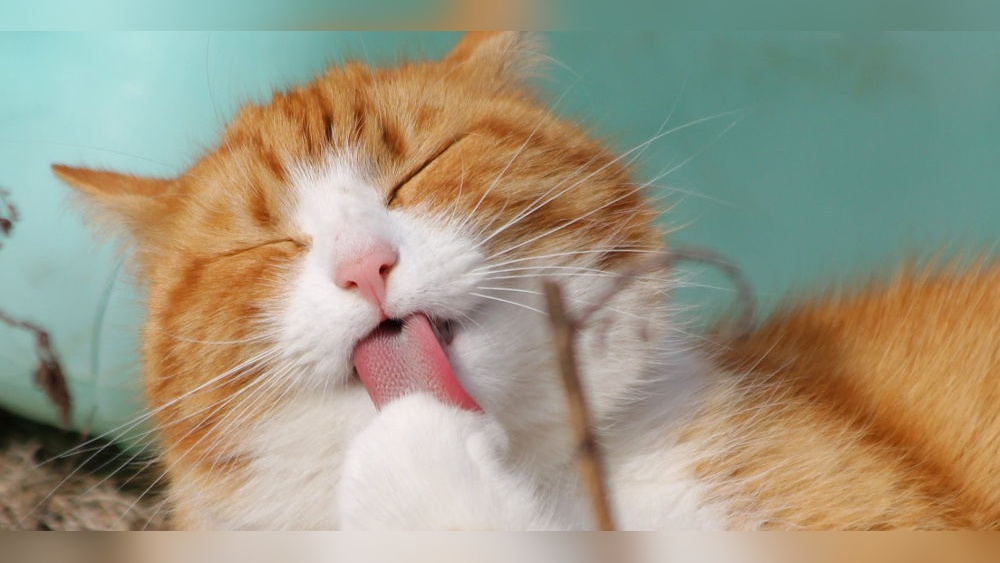
Have you ever noticed your cat grooming itself even when it seems unwell? It might surprise you, but a cat can still keep up with its grooming habits even when it’s sick.
You might wonder, does grooming mean your cat is okay, or could it be hiding something serious? Understanding this behavior can help you spot subtle signs of illness early. Keep reading to learn why your cat might still be grooming while sick and what you should watch for to keep your furry friend healthy and happy.
Credit: www.amcny.org
Cats And Grooming Habits
Cats spend a lot of time grooming themselves. This habit keeps their fur clean and healthy. Grooming also helps cats feel calm and relaxed. Understanding their grooming habits can help you notice changes in their health.
Why Cats Groom Themselves
Cats groom to remove dirt and loose fur. Grooming controls body temperature by spreading saliva on their coat. It also helps reduce stress and anxiety. Cats use grooming to mark their scent. This makes them feel safe and secure.
Normal Grooming Patterns
Most cats groom several times a day. They lick their fur carefully and regularly. Grooming sessions usually last a few minutes to half an hour. Cats focus on certain spots like the face, paws, and belly. A healthy cat’s grooming is steady and consistent.
Sick Cats That Still Groom
Cats often groom themselves to stay clean and comfortable. This behavior does not always stop when they feel sick. Some sick cats keep grooming, even if they are unwell. Understanding this can help pet owners know more about their cat’s health. Grooming might continue for many reasons, even during illness.
Common Illnesses With Grooming
Some illnesses do not stop cats from grooming. Cats with mild infections might still groom. Skin problems like allergies or fleas can cause cats to groom more. Cats with dental pain or mild digestive issues might keep grooming. Even cats with early signs of kidney or liver problems may groom. These illnesses do not always affect grooming behavior at first.
Why Grooming May Continue Despite Sickness
Grooming is a natural habit for cats. It helps them feel safe and calm. Sick cats may groom to reduce stress or discomfort. Grooming can be a way to hide pain or weakness. Cats often hide signs of illness to avoid predators. Grooming can also keep their fur clean from discharge or dirt. This behavior can make it hard to spot sickness early.
Signs Of Illness In Grooming Cats
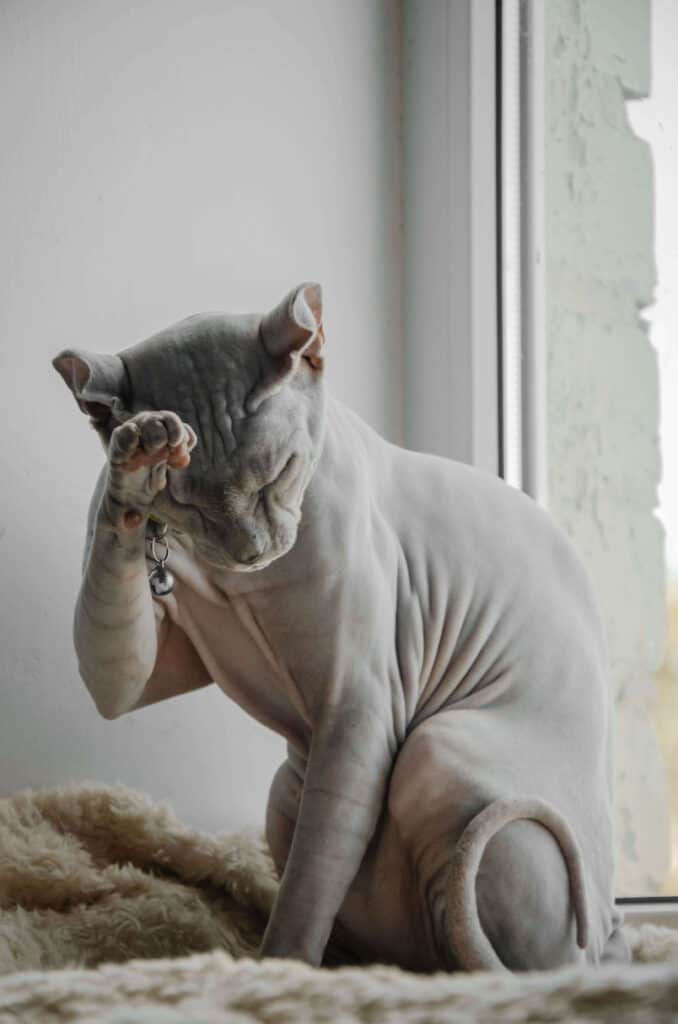
Cats often groom themselves even when they are not feeling well. Grooming is a natural habit that helps cats stay clean and comfortable. Yet, changes in grooming can signal illness. Watch closely for signs that may show your cat is sick.
Changes In Grooming Frequency
A sick cat may groom less or more than usual. Grooming less can mean pain or weakness. Grooming more might show stress or skin irritation. Notice if your cat suddenly stops or starts grooming a lot.
Appearance Of Fur And Skin
Look at your cat’s fur and skin for changes. Dull or greasy fur can mean poor health. Bald patches or scabs suggest skin problems. Red or inflamed skin may show infection or allergies.
Behavioral Changes
Sick cats may act differently during grooming. They might lick one spot too much. Or they may seem restless and unable to settle. Some cats hide and avoid grooming when in pain.
Credit: holidaybarn.com
Other Symptoms To Watch For
Cats often hide their sickness well. They may keep grooming even when they feel unwell. Watching your cat closely can help spot other signs of illness. These signs can tell you when your cat needs care. Pay attention to changes in behavior or health.
Lethargy And Appetite Loss
A sick cat may become very tired. It may sleep more than usual. Your cat might also eat less food. Losing interest in meals can be a serious sign. Lack of energy and appetite often go together.
Vomiting And Diarrhea
Vomiting is a common sign of sickness in cats. Diarrhea can also occur with many illnesses. Both symptoms need quick attention. They can cause dehydration and weakness. Notice how often these happen and tell your vet.
Respiratory Issues
Watch for coughing, sneezing, or trouble breathing. These signs may show respiratory problems. Your cat might breathe faster or noisily. Breathing issues can be mild or severe. Early care can prevent serious problems.
When To Visit The Vet
Knowing when to visit the vet is important for your cat’s health. Cats often groom themselves, even when not feeling well. Grooming might hide signs of illness. Paying attention to other signs can help you decide if a vet visit is needed. Regular vet visits keep your cat healthy and catch problems early.
Urgent Symptoms
Some signs need quick vet attention. Look for sudden changes in behavior or appetite. Difficulty breathing or coughing can be serious. Vomiting or diarrhea that lasts more than a day needs checking. If your cat is very weak or unresponsive, take it to the vet fast. Any injury or bleeding also requires urgent care.
Routine Health Checks
Even healthy cats need regular vet visits. Routine checks catch health issues before symptoms appear. Vaccinations, parasite control, and dental care are part of these visits. Your vet can advise on diet and exercise. Checkups help your cat live a longer, healthier life. Schedule visits at least once a year for adult cats.
Helping A Sick Cat Groom
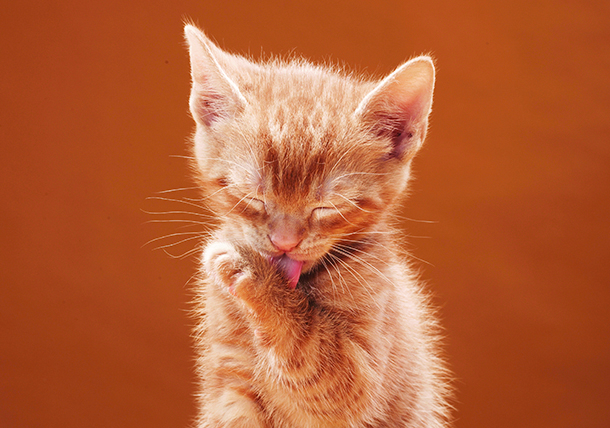
Helping a sick cat groom is important for its health and comfort. Cats usually keep themselves clean. But illness can make grooming hard. They might miss spots or stop cleaning altogether. You can help your cat stay clean and feel better.
Grooming Assistance Tips
Start by gently brushing your cat. Use a soft brush to avoid hurting them. Remove loose fur and dirt carefully. Help clean areas your cat cannot reach. Use a damp cloth to wipe gently. Check for any wounds or skin issues while grooming. Keep your touch calm and slow. Praise your cat to keep it relaxed.
Creating A Comfortable Environment
Choose a quiet and warm place for grooming. Avoid loud noises and sudden movements. Let your cat rest before and after grooming. Provide a soft bed or blanket nearby. Keep water and food close to encourage eating. Make grooming a short and pleasant activity. A calm space helps your cat stay stress-free.
Credit: www.tvmf.org
Frequently Asked Questions
Can Cats Groom Themselves When They Feel Sick?
Yes, cats often groom themselves even when sick. Grooming is a natural behavior, but changes in grooming habits can signal illness.
Why Do Sick Cats Continue Grooming?
Sick cats groom to comfort themselves and maintain hygiene. It helps reduce stress and can mask their illness from predators.
How To Tell If Grooming Means Cat Is Unwell?
Look for excessive grooming, bald spots, or decreased grooming. These changes often indicate pain, discomfort, or underlying health issues.
When Should I Worry About My Cat’s Grooming Habits?
If grooming stops suddenly or becomes obsessive, consult a vet. These signs can point to physical or emotional problems needing attention.
Conclusion
Cats can groom themselves even when they feel sick. Grooming may hide signs of illness, making it hard to notice. Watch for changes in behavior, eating, or energy. If grooming becomes excessive or stops suddenly, it signals a problem. Always check with a vet if you worry about your cat’s health.
Paying attention helps your cat stay happy and safe. Remember, grooming alone does not mean your cat is healthy. Stay alert and care for your furry friend every day.