
Have you ever wondered what really happens behind the scenes of cat breeding? You might think it’s a harmless hobby or a way to get your perfect pet.
But what if the truth is more complicated—and even troubling? This article will challenge what you believe about cat breeding and reveal why some people say it should be banned. If you care about cats and want to make informed choices, keep reading.
What you learn here could change the way you see the future of our feline friends.
Ethical Issues In Cat Breeding
Cat breeding raises many ethical questions. It affects the health and well-being of cats. Many breeders focus on looks, not the cats’ needs. This focus can cause serious problems. Understanding these issues helps us see why breeding is controversial.
Health Risks For Purebred Cats
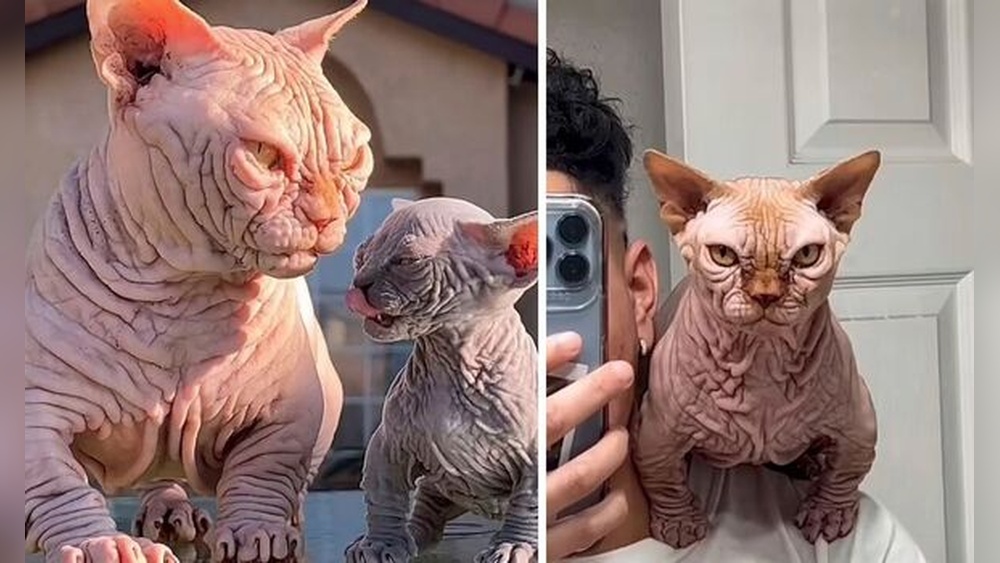
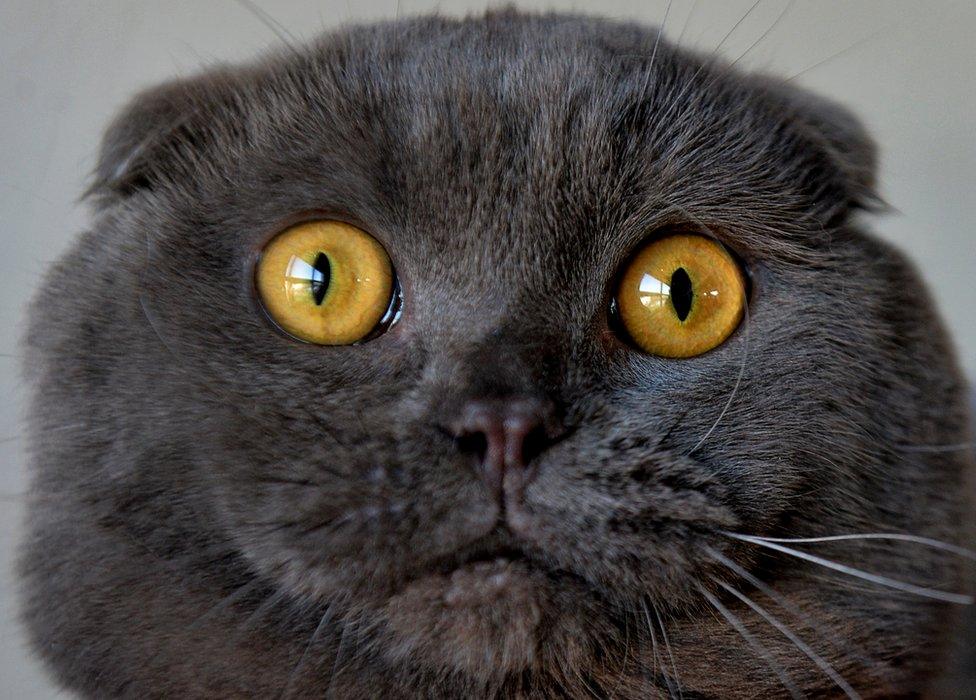
Purebred cats often face more health problems. Breeders select specific traits, ignoring health risks. This can lead to weak immune systems. Some breeds suffer from breathing and joint issues. These problems reduce the cat’s quality of life.
Overpopulation And Shelter Crisis
Cat breeding adds to the pet overpopulation problem. Shelters are full of homeless cats. Many cats are euthanized due to lack of space. Breeding more cats worsens this crisis. It is a heavy burden on animal shelters and communities.
Genetic Disorders And Inbreeding
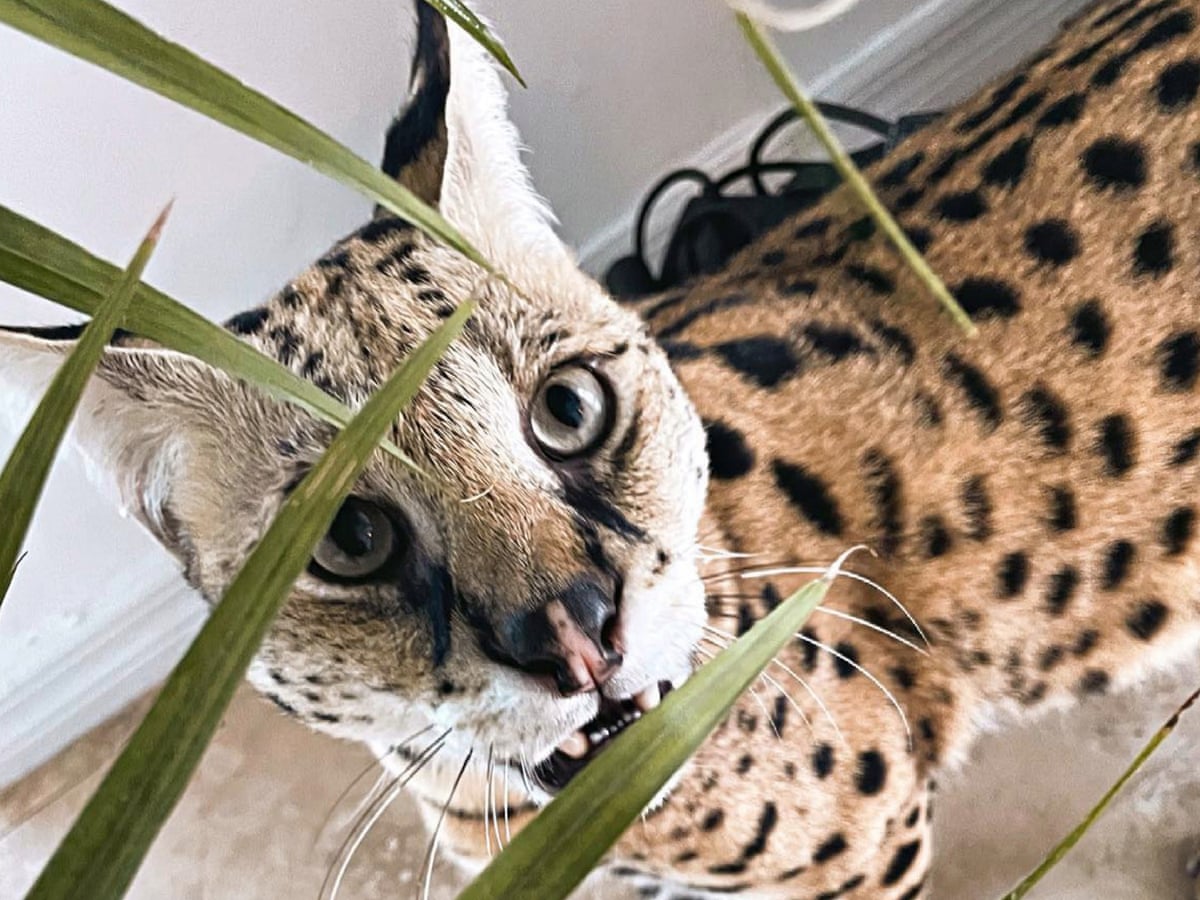
Inbreeding is common in cat breeding. It increases the chance of genetic disorders. Cats may inherit diseases like heart problems or blindness. These conditions cause pain and shorten life spans. Responsible breeding should avoid close genetic matches.
Credit: www.theguardian.com
Impact On Animal Welfare
The impact of cat breeding on animal welfare raises many concerns. Breeding practices can harm cats physically and emotionally. The focus on profit often overshadows the cats’ well-being. Understanding these effects helps us see why some call for a ban on breeding.
Living Conditions Of Breeding Cats
Many breeding cats live in cramped spaces. They often lack clean areas and fresh air. Limited space stops cats from moving and playing. Poor hygiene leads to sickness and infections. Basic needs like food and water may be ignored. These conditions cause stress and weaken their health.
Behavioral Problems From Selective Breeding
Selective breeding focuses on looks, not health. This causes genetic problems and weak immune systems. Some cats develop anxiety or aggression. They may show signs of fear or depression. These issues reduce their quality of life. Breeding for traits often harms cats’ natural behavior.
Neglect And Abuse In Breeding Facilities
Many breeding facilities lack proper care. Cats can suffer from neglect and abuse. Some face isolation, poor grooming, and rough handling. Sick or injured cats often receive no treatment. This neglect causes pain and suffering. Abuse in these places raises serious animal welfare alarms.
Legal And Regulatory Landscape
The legal and regulatory landscape shapes how cat breeding is controlled worldwide. Laws aim to protect animal welfare and prevent cruelty. They also guide breeders on ethical practices. Yet, regulations vary widely between regions.
Understanding these laws helps to see if banning cat breeding is practical or needed. It shows the strengths and gaps in current systems. Enforcement plays a key role in making laws effective. Different countries have unique approaches to managing breeding.
Existing Laws On Cat Breeding
Many places have laws that set standards for cat breeders. These laws often focus on animal health, living conditions, and breeding limits. Some require breeders to register and get licenses. Others ban certain breeding practices that cause harm.
Rules may include regular veterinary checks and limits on the number of litters. Laws try to stop overbreeding and poor treatment. Despite rules, some breeders still operate without following them.
Enforcement Challenges
Enforcing cat breeding laws is often difficult. Limited resources and staff make inspections rare. Some breeders hide their activities or misreport details. Animals may suffer if laws are not properly enforced.
Penalties for breaking laws are sometimes weak or unclear. This reduces the risk for bad breeders. Strong enforcement needs funding and public awareness. Without these, laws remain on paper only.
Global Perspectives On Breeding Bans
Some countries have banned cat breeding entirely. They aim to reduce stray populations and protect animals. Other nations prefer strict regulation over bans. They believe responsible breeding can be safe.
Views differ based on culture, economy, and animal welfare priorities. Debates continue on the best approach. International groups call for higher welfare standards worldwide.
Credit: www.bbc.com
Alternatives To Traditional Breeding
Alternatives to traditional cat breeding offer many benefits for both cats and owners. These options help reduce overpopulation and support animal welfare. Choosing these paths promotes healthier cats and fewer homeless animals.
Adoption From Shelters
Shelters have many cats needing loving homes. Adoption saves lives and reduces shelter overcrowding. Adopted cats often come vaccinated and spayed or neutered. This choice helps fight against the demand for breeding.
Promoting Responsible Pet Ownership
Teaching owners about proper cat care is vital. Responsible owners prevent unwanted litters and health problems. This includes regular vet visits and safe environments. Responsible pet ownership lowers the need for breeding.
Support For Rescue Organizations
Rescue groups work hard to save stray and abandoned cats. Supporting them helps fund care and medical treatment. Donations and volunteering strengthen their efforts. This support offers a strong alternative to buying from breeders.
Economic Factors Behind Breeding
Economic factors play a big role in the debate over cat breeding. Money influences many decisions in this field. Understanding these factors helps us see why breeding continues despite concerns.
Profit and costs shape how breeders operate. The effects reach local communities too. These points reveal the economic side of cat breeding.
Profit Motives And Market Demand
Cat breeding can be very profitable. Some breeds sell for high prices. People want specific types of cats. This demand drives breeders to produce more.
Profit often becomes the main goal. Some breeders focus on making money fast. This may reduce care quality and increase health risks for cats.
Costs Of Responsible Breeding
Good breeding costs a lot. Breeders pay for health checks, food, and safe spaces. They also invest in vet care and vaccinations.
These costs reduce profit margins. Responsible breeders may earn less money. This can make it hard to compete with less careful breeders.
Impact On Local Communities
Breeding businesses affect local jobs. They create work for vets and pet stores. Sometimes they bring money into the area.
But poor breeding can cause problems. Sick animals may increase vet costs for the community. Noise and waste can also harm neighborhoods.
Public Opinion And Social Impact
Public opinion plays a big role in the debate about banning cat breeding. Many people worry about the effects of breeding on cats and society. The social impact includes animal welfare, overpopulation, and ethical concerns. Understanding these views helps shape laws and community actions.
Awareness Campaigns
Awareness campaigns teach people about the problems of cat breeding. They share facts about health risks and poor living conditions in some breeding places. These campaigns encourage adopting cats from shelters instead of buying from breeders. Clear messages help change minds and reduce demand for bred cats.
Influence Of Social Media
Social media spreads information fast and reaches many people. Videos and posts about cat breeding can show both good and bad sides. Some posts highlight cruelty and neglect in breeding. Others promote adoption and rescue. This platform shapes opinions and drives public actions quickly.
Role Of Animal Rights Activists
Animal rights activists speak strongly against unethical cat breeding. They organize protests, write articles, and talk to lawmakers. Their goal is to protect cats from harm and stop irresponsible breeders. Activists bring attention to the issue and push for stricter laws.

Credit: www.fecava.org
Frequently Asked Questions
What Are The Main Concerns About Cat Breeding?
Cat breeding raises concerns about animal welfare, overpopulation, and genetic health issues. Many breeders prioritize profit over cats’ well-being, causing suffering and poor living conditions.
How Does Cat Breeding Affect Animal Overpopulation?
Breeding increases the number of cats, leading to overcrowded shelters and more stray animals. This worsens abandonment rates and strains animal rescue resources globally.
Are There Ethical Alternatives To Cat Breeding?
Yes, adopting from shelters or rescue groups is a humane alternative. It reduces overpopulation and gives homeless cats a second chance at life.
Can Cat Breeding Lead To Genetic Health Problems?
Selective breeding often causes inherited diseases and weakened immune systems. This impacts cats’ quality of life and increases veterinary costs for owners.
Conclusion
Cat breeding raises many concerns about animal welfare and health. Many cats suffer due to irresponsible breeding practices. It often leads to genetic problems and poor living conditions. Protecting cats should be a priority for everyone. We can support shelters and adopt pets instead.
Responsible care and love matter most for cats’ well-being. The choice to ban breeding depends on valuing animal life. Think carefully about the impact on cats’ health and happiness. Ending harmful breeding could save many cats from pain. The future of cats depends on our actions today.