
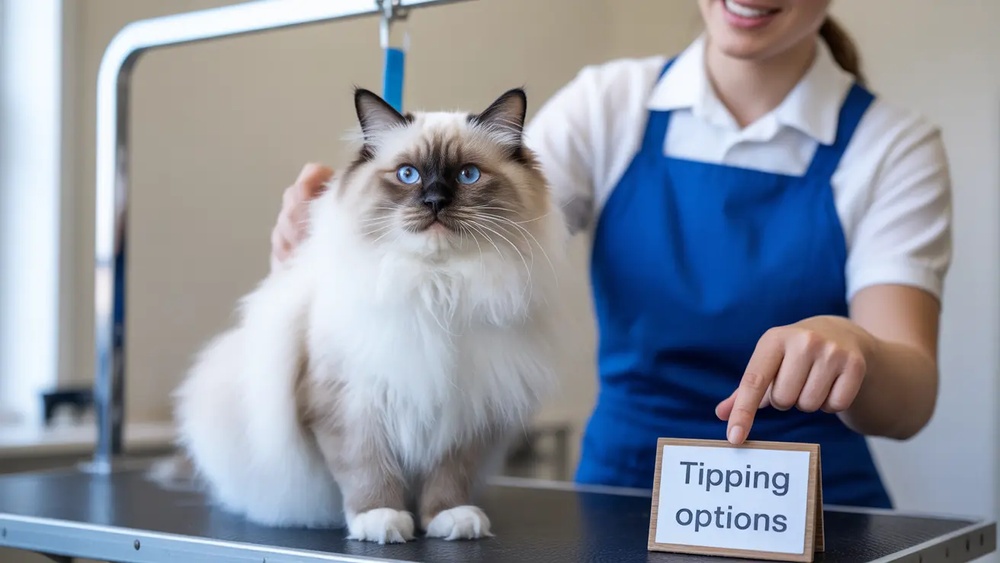
If you want your cat to look and feel its best, professional grooming is the key. But where do you start?
This guide to professional cat grooming will help you understand everything you need to know. From choosing the right groomer to the benefits your cat will enjoy, you’ll discover simple tips that make a big difference. Keep reading to learn how to keep your furry friend happy, healthy, and looking great with expert care.

Credit: www.scottiepaws.com
Benefits Of Professional Grooming
Professional cat grooming offers many benefits that improve your cat’s well-being. It is more than just making your cat look good. Groomers help keep cats healthy, clean, and comfortable. Regular grooming can prevent many common problems. It also makes your cat feel relaxed and happy.
Health Improvements
Groomers remove dirt, dead hair, and mats that cause skin problems. They check for signs of fleas, ticks, or infections. Regular grooming helps avoid hairballs and digestive issues. It also improves blood flow and skin health. Early detection of health issues can save your cat from pain.
Enhancing Appearance
Professional grooming keeps your cat’s coat shiny and smooth. Groomers trim nails safely to prevent injury. They clean ears and eyes to reduce infections. A neat appearance helps your cat feel more comfortable. Well-groomed cats look clean and cared for.
Behavioral Advantages
Grooming sessions help cats get used to handling. Calm and regular grooming reduces stress and anxiety. It builds trust between your cat and the groomer. Cats that are groomed often are less likely to scratch or bite. Grooming improves your cat’s mood and behavior at home.
Choosing The Right Groomer
Choosing the right groomer for your cat is very important. Cats are sensitive and need gentle care. A good groomer keeps your cat calm and safe. They help your cat look clean and healthy. Take time to pick someone skilled and trustworthy. This makes grooming a positive experience for your pet.
Credentials To Look For
Check if the groomer has proper training. Look for certificates from pet grooming schools. Experience with cats is a big plus. Some groomers join professional groups. These show they follow good practices. Make sure they understand cat behavior well. This helps avoid stress and injury during grooming.
Questions To Ask
Ask how long they have groomed cats. Find out what services they offer. Do they handle nervous or aggressive cats? What tools do they use? Do they use safe shampoos and products? Ask about their cleaning routine. Check if they have a policy for emergencies. These questions reveal their professionalism and care.
Evaluating The Facility
Visit the grooming place before booking. See if it looks clean and organized. Check for separate areas for cats and dogs. Look for quiet spaces to reduce cat stress. See if cages are safe and roomy. Good lighting and ventilation are important. A tidy, calm space shows respect for animals.
Essential Grooming Tools
Proper cat grooming depends on using the right tools. These tools help keep your cat’s coat clean and healthy. They also make grooming safer and easier. Choosing good tools is the first step to a smooth grooming session.
Brushes And Combs
Brushes and combs remove loose fur and dirt from your cat’s coat. Use a soft-bristle brush for short-haired cats. Long-haired cats need a slicker brush to untangle knots. Combs help reach areas that brushes miss, like under the chin.
Regular brushing reduces shedding and prevents hairballs. It also spreads natural oils that shine the fur. Pick tools that fit your cat’s coat type and size.
Clippers And Trimmers
Clippers and trimmers cut hair safely and evenly. They are useful for thick or matted fur. Choose quiet clippers to keep your cat calm. Use small trimmers for delicate areas like paws and face.
Keep blades sharp to avoid pulling hair. Clean clippers after each use to prevent infections. Practice trimming gently and slowly to build your cat’s trust.
Shampoos And Conditioners
Shampoos and conditioners clean and soften your cat’s coat. Use products made specifically for cats. These are gentle and safe for their skin.
Choose shampoos that target your cat’s needs, such as sensitive skin or fleas. Conditioners help keep fur smooth and tangle-free. Rinse well to avoid irritation.
Step-by-step Grooming Process
Grooming your cat can be a calm and pleasant experience. Following clear steps helps keep your cat comfortable and clean. A good grooming routine supports your cat’s health and happiness. This guide breaks down the process into easy steps you can follow.
Preparing Your Cat
Start by choosing a quiet place for grooming. Let your cat explore the area first. Use gentle voices and calm movements. Check your cat’s fur for mats or tangles. Remove any loose hair with your hands or a soft brush. Prepare all grooming tools before you begin.
Bathing Techniques
Use warm water, not hot. Wet your cat slowly, avoiding the head. Use a cat-friendly shampoo. Massage the shampoo gently into the fur. Rinse thoroughly to remove all soap. Keep your cat calm by talking softly during the bath.
Drying And Brushing
Pat your cat dry with a soft towel. Avoid rubbing, which can irritate the skin. Use a low heat setting on a hairdryer if your cat allows it. Brush the fur gently to remove tangles. Choose a brush suitable for your cat’s fur type. Regular brushing helps reduce shedding and hairballs.
Nail Trimming Tips
Use special cat nail clippers. Hold your cat’s paw gently but firmly. Trim only the sharp tips to avoid hurting the quick. If unsure, trim little by little. Reward your cat with praise or treats. Regular nail care prevents scratches and damage to furniture.
Handling Special Needs Cats
Handling special needs cats requires patience and care. These cats may have unique grooming challenges. Understanding their specific needs helps make grooming easier and stress-free. Gentle techniques and the right tools improve the experience for both the cat and groomer.
Dealing With Long-haired Breeds
Long-haired cats need regular grooming to prevent mats and tangles. Use a wide-tooth comb to gently detangle fur. Avoid pulling hard to reduce pain and stress. Trim mats carefully with scissors if needed. Frequent brushing keeps coats healthy and shiny.
Managing Anxious Cats
Anxious cats require calm and slow handling. Speak softly and move gently around them. Use treats to reward calm behavior. Take breaks if the cat becomes too stressed. A quiet, safe space helps anxious cats feel secure during grooming.
Grooming Senior Cats
Senior cats may have sensitive skin and less mobility. Use soft brushes to avoid irritation. Check for any lumps, bumps, or skin changes. Groom in short sessions to prevent tiredness. Help them stay clean and comfortable with gentle care.

Credit: www.amazon.com
Common Grooming Challenges
Grooming cats professionally involves many challenges. These can make the process harder for both groomers and cats. Knowing common problems helps prepare better care plans. This section covers the main grooming issues faced by professionals.
Matting And Tangles
Matting happens when cat fur clumps into tight knots. These mats pull on the skin and cause pain. Tangled fur traps dirt and moisture, leading to skin problems. Regular brushing prevents mats from forming. Special tools help remove stubborn tangles safely. Groomers must be gentle to avoid hurting the cat.
Skin Issues
Cats often have sensitive skin. Dryness, redness, and sores appear during grooming. Allergies to shampoos or grooming products may irritate skin. Skin infections need quick attention to prevent spreading. Groomers watch for signs of discomfort or unusual spots. Using mild, hypoallergenic products helps protect skin health.
Avoiding Stress
Cats feel scared or stressed during grooming. Stress causes resistance and makes grooming unsafe. Calm environments reduce anxiety for cats. Gentle handling and slow movements build trust. Frequent breaks allow cats to relax. Professional groomers learn to read cat body language well.
Maintaining Grooming Between Visits
Keeping your cat well-groomed between professional visits helps maintain their health and comfort. Regular care prevents mats, tangles, and skin problems. It also keeps your cat looking clean and happy every day.
Small daily habits build good grooming routines. They support your cat’s coat and skin condition. These steps reduce the need for extra grooming sessions.
Daily Care Routines
Brush your cat’s fur gently every day. Use the right brush for their coat type. Short-haired cats need soft brushes. Long-haired cats require wide-tooth combs or slicker brushes. Brushing removes loose hair and dirt. It also spreads natural oils that keep the coat shiny.
Check your cat’s ears and eyes daily. Wipe away any dirt with a damp cloth. Trim your cat’s nails regularly to avoid scratches. Use special pet nail clippers for safety. Clean your cat’s teeth with a soft toothbrush and pet-safe toothpaste to prevent bad breath and dental issues.
Diet And Hydration
A good diet supports healthy skin and fur. Feed your cat high-quality food with proper nutrients. Protein and omega fatty acids improve coat shine and strength. Fresh water must always be available. Proper hydration prevents dry skin and hair problems. Avoid sudden diet changes to keep your cat’s digestion steady.
When To Schedule Next Grooming
Plan grooming visits based on your cat’s needs. Long-haired or older cats often need more frequent sessions. Signs like matting, bad odor, or skin irritation mean it’s time to visit. Regular grooming keeps your cat comfortable and healthy. Discuss the best schedule with your groomer for your cat’s breed and lifestyle.

Credit: www.barkleighstore.com
Frequently Asked Questions
What Are The Benefits Of Professional Cat Grooming?
Professional cat grooming improves coat health, reduces shedding, and prevents matting. It also helps detect skin issues early and keeps cats comfortable and clean. Groomers use specialized tools and techniques suited for cats, ensuring safe and effective grooming.
How Often Should I Schedule Professional Cat Grooming?
Most cats benefit from grooming every 4 to 8 weeks. Frequency depends on breed, coat type, and lifestyle. Long-haired cats usually need more frequent grooming. Regular appointments help maintain hygiene and prevent hairballs and skin problems.
What Services Are Included In Professional Cat Grooming?
Professional grooming typically includes bathing, brushing, nail trimming, ear cleaning, and hair trimming. Some groomers also offer flea treatments and de-shedding services. Each session is tailored to the cat’s needs and temperament for best results.
Is Professional Cat Grooming Safe For All Cats?
Yes, professional groomers are trained to handle cats safely. They use gentle techniques and calming methods to reduce stress. However, cats with health issues should be evaluated by a vet before grooming. Always choose experienced groomers for your cat’s safety.
Conclusion
Professional cat grooming keeps your pet healthy and happy. Regular grooming helps avoid skin problems and mats. It also reduces shedding and hairballs. Trust trained groomers for safe and gentle care. Watch your cat stay clean and comfortable. Grooming builds a strong bond between you and your cat.
Start a grooming routine today for a joyful pet. Simple steps make a big difference in your cat’s life.