
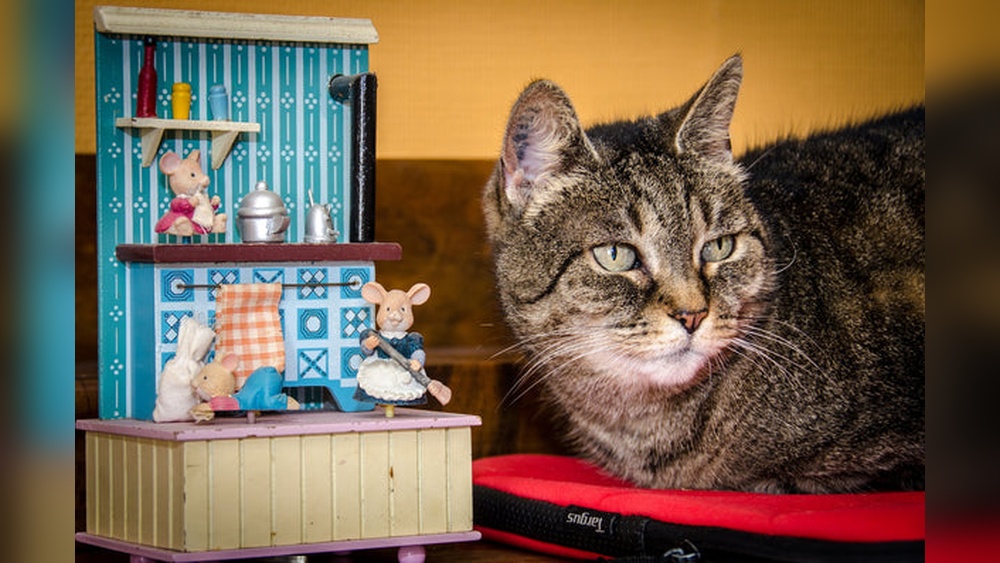
Have you ever wondered how many toys your cat really needs? You want to keep your furry friend happy and active, but it’s easy to feel overwhelmed by the endless options out there.
Too few toys might leave your cat bored, while too many can clutter your home and confuse your pet. Finding the right balance is key to boosting your cat’s health and mood. You’ll discover exactly how many toys your cat needs—and which types will keep them entertained for hours.
Keep reading to make playtime fun and stress-free for both of you!
Benefits Of Cat Toys
Cat toys do more than just entertain. They help cats stay healthy and happy. Toys keep cats active and stop boredom. Every cat needs toys for a better life.
Toys also help cats use their natural hunting skills. This makes playtime fun and important. The right toys bring many benefits to your cat.
Physical Health Boost
Toys encourage cats to move and exercise. This helps keep their muscles strong and joints flexible. Active cats have better weight control and heart health. Playing with toys lowers the risk of obesity and illness. Simple toys can make a big difference in fitness.
Mental Stimulation
Cat toys challenge the mind and senses. They encourage problem-solving and focus. Toys with different shapes, sounds, and textures keep cats curious. Mental exercise reduces stress and anxiety. A busy mind helps cats feel calm and happy.
Preventing Behavioral Issues
Without toys, cats may act out or feel bored. Boredom can cause scratching furniture or aggression. Toys give cats a safe way to use their energy. They help reduce bad habits by offering fun distractions. Well-stimulated cats are calmer and better behaved.
Credit: outwardhound.com
Types Of Cat Toys
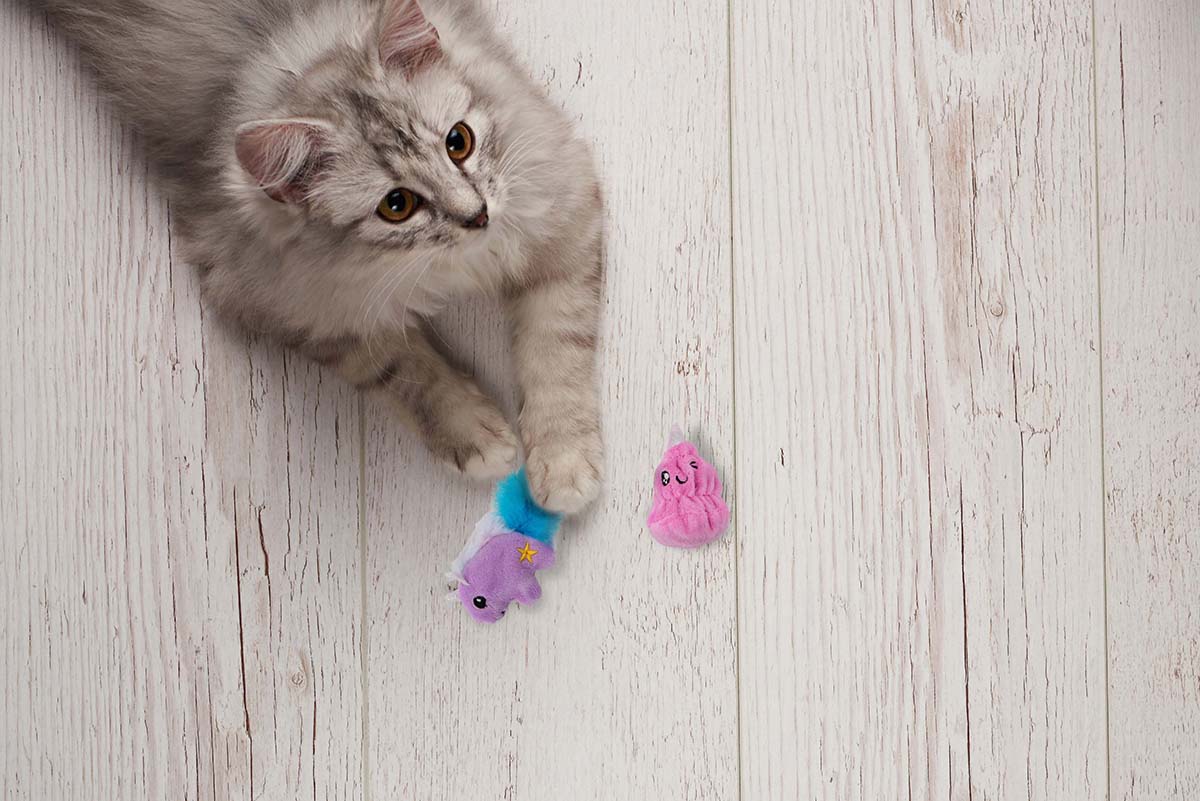
Cats enjoy many kinds of toys that keep them happy and active. Toys help cats use their natural hunting skills. They also stop boredom and prevent bad behavior. There are different types of toys for different play styles and moods.
Choosing the right toys can make a big difference. It helps your cat stay healthy and entertained. Here are the main types of cat toys to consider.
Interactive Toys
Interactive toys need your involvement. You can use wands, feathers, or laser pointers. These toys create fun moments between you and your cat. They also encourage exercise and mental activity. Cats love chasing and pouncing during these play sessions.
Solo Play Toys
Solo play toys keep cats busy alone. Balls, stuffed mice, and puzzle feeders work well. These toys let cats play anytime without help. They are great for cats that like to explore and hunt by themselves. Solo toys help reduce stress and loneliness.
Diy And Homemade Options
DIY toys save money and add a personal touch. Simple items like paper balls, cardboard boxes, or string can delight cats. Homemade toys suit cats’ unique tastes. Always make sure materials are safe and non-toxic. These options are easy and fun to create at home.
Factors Influencing Toy Quantity
Many factors affect how many toys a cat needs. Each cat is unique, with different habits and needs. Understanding these factors helps pet owners choose the right amount of toys. This keeps cats happy and active without cluttering the home.
Cat’s Age And Energy Level
Kittens usually need more toys. They are curious and full of energy. Toys help them learn and play safely. Older cats may want fewer toys. They often prefer gentle play and rest. Energy levels change as cats grow. This affects how many toys they want.
Indoor Vs Outdoor Lifestyle
Indoor cats need more toys. They rely on toys for exercise and fun. Toys keep them busy and prevent boredom. Outdoor cats explore outside a lot. They may need fewer toys inside. Their natural environment offers many activities. Still, a few toys can keep them entertained indoors.
Number Of Cats In The Household
More cats usually mean more toys. Each cat has its own favorite. Sharing toys can cause fights or stress. Providing enough toys helps avoid problems. It also encourages healthy play among cats. Single cats can be happy with fewer toys. The right number supports peaceful living.
Credit: www.reddit.com
Signs Your Cat Needs More Toys
Cats need toys to stay happy and healthy. Toys help them use energy and keep their minds active. Sometimes cats show signs that they need more toys. Watch for these signs to know when to add new playthings.
Boredom Behaviors
Bored cats may stare at walls or sit without moving. They might yawn or sleep more than usual. These signs show your cat is not entertained enough. New toys can bring excitement and fun back.
Destructive Actions
Your cat may scratch furniture or knock things over. They might chew on cords or dig in plants. These actions happen when cats have too much energy. Toys help stop these bad habits by giving a good outlet.
Lack Of Engagement
When your cat ignores old toys, they feel boring. Cats may not chase or bat at toys anymore. This means your cat needs fresh, interesting toys. New toys can catch their attention and make playtime fun again.
Choosing Quality Over Quantity
Choosing quality over quantity matters for your cat’s happiness. A few well-made toys offer better fun than many cheap ones. Good toys last longer and keep your cat interested. This approach saves money and protects your cat’s health.
Durability And Safety
Pick toys made from strong materials. They should not break easily or have small parts. Broken toys can hurt your cat or cause choking. Check for non-toxic materials that are safe to chew. Durable toys stay safe even after rough play.
Variety And Rotation
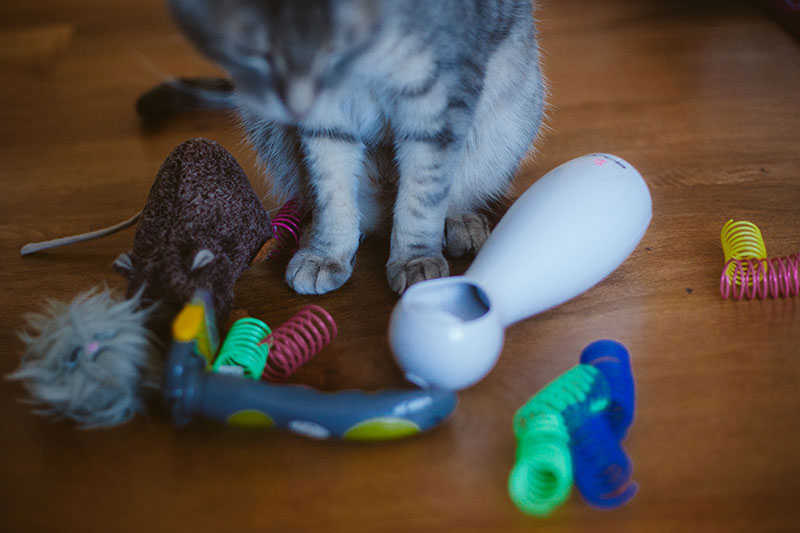
Offer different types of toys to keep playtime fresh. Cats enjoy toys that move, make noise, or have different textures. Rotate toys often to avoid boredom. Put some toys away and bring them back later. This makes old toys feel new again.
Tailoring To Preferences
Watch what your cat likes best. Some cats prefer balls, others like feathers or soft toys. Notice how your cat plays and choose toys accordingly. Personalized toys increase engagement and enjoyment. Every cat is unique, so adjust toys to fit their taste.
Credit: kittyclysm.com
Maintaining And Replacing Toys
Maintaining and replacing cat toys is important for your cat’s health and happiness. Toys get dirty and worn out over time. Clean toys keep your cat safe and interested. Old toys can lose their fun and may even become unsafe. Introducing new toys can keep playtime exciting. This section explains how to clean toys, when to discard them, and how to bring in new ones.
Cleaning Tips
Wash fabric toys regularly in warm water with mild soap. Rinse well to remove all soap. Dry toys completely before giving them back to your cat. For plastic or rubber toys, wipe with a damp cloth. Avoid strong chemicals that can harm your cat. Clean toys help stop germs and keep your cat healthy.
When To Discard Worn Toys
Throw away toys with broken parts or loose stuffing. Sharp edges can hurt your cat. If a toy looks torn or chewed, replace it. Worn toys may cause choking or infections. Check toys often to keep playtime safe. Always choose new toys that are sturdy and safe.
Introducing New Toys
Bring in new toys slowly to keep your cat interested. Let your cat sniff and explore the new toy first. Play with your cat using the new toy to encourage use. Rotate toys to keep playtime fresh and fun. New toys make your cat active and happy.
Frequently Asked Questions
How Many Toys Does A Cat Need Daily?
Cats benefit from 3 to 5 toys daily. This variety keeps them mentally and physically stimulated. Rotate toys to maintain interest and prevent boredom.
What Types Of Toys Are Best For Cats?
Interactive toys, balls, feather wands, and puzzle feeders are ideal. These toys encourage hunting instincts and exercise. Choose toys safe for your cat’s age and size.
How Often Should Cat Toys Be Replaced?
Replace toys every 3 to 6 months or when worn out. Damaged toys can be unsafe and less engaging. Regular updates keep your cat interested and active.
Can Too Many Toys Overwhelm A Cat?
Yes, too many toys can confuse or overwhelm cats. Limit toys to a manageable number and rotate them. This keeps playtime exciting without stress.
Conclusion
Cats need a few toys to stay happy and active. Too many toys can confuse them. Too few toys might make them bored. Choose toys that match your cat’s play style. Rotate toys often to keep interest high. Pay attention to how your cat reacts.
Quality matters more than quantity. A happy cat is a healthy cat. Keep playtime fun and safe. Small changes make a big difference in your cat’s life.