
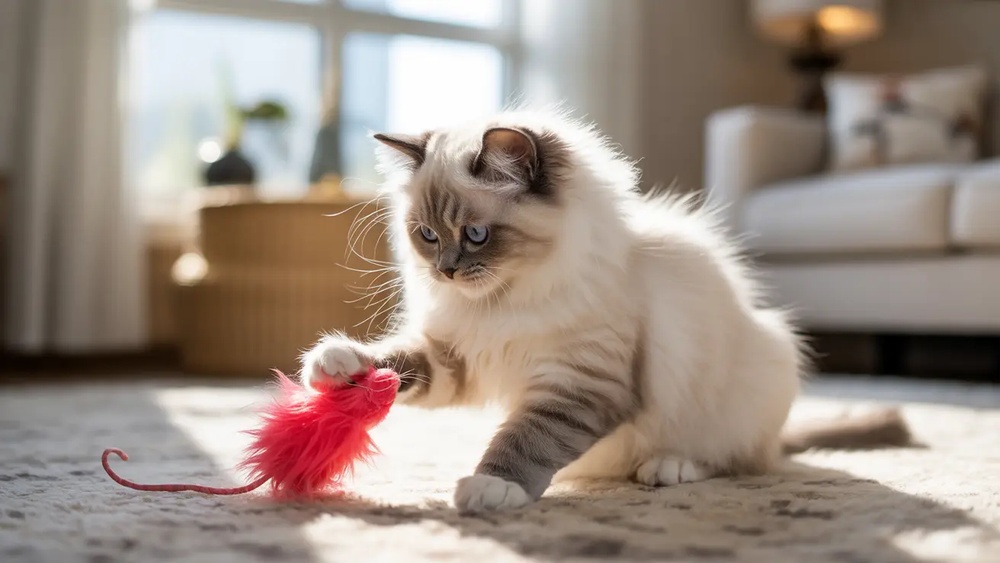
Are you wondering how often you should buy your cat a new toy? You’re not alone.
Cats love to play, but knowing the right time to introduce fresh toys can keep your furry friend happy and healthy. Too few toys might lead to boredom, while too many can get overwhelming. You’ll discover simple tips to find the perfect balance.
By the end, you’ll feel confident about keeping your cat entertained without spending too much or cluttering your home. Let’s dive in and make playtime exciting for your cat again!
Signs Your Cat Needs A New Toy
Cats love toys. Toys keep them happy and healthy. But toys do not last forever. Sometimes cats show signs they want something new to play with. Recognizing these signs helps you know when to buy a new toy. Your cat’s behavior can tell a lot about their needs.
Loss Of Interest In Current Toys
Cats may stop playing with old toys. They might ignore toys they once liked. This shows boredom. Toys no longer excite them. A new toy can catch their attention again. Watch for toys left untouched for days.
Increased Boredom And Restlessness
Restless cats move around more. They may pace or meow often. Bored cats need mental and physical activity. Toys help release their energy. Without toys, cats feel trapped. New toys provide fresh challenges and fun.
Destructive Behavior Indicators
Chewing furniture or scratching wrong places shows a problem. Cats use toys to satisfy their natural urges. If they act out, they may need new toys. Giving them new playthings can stop bad behavior. It keeps cats calm and content.
Factors Affecting Toy Replacement Frequency
Toys keep cats happy and active. But how often you buy new toys depends on many things. Some cats play hard and wear out toys fast. Others are gentle and keep toys longer. Knowing what affects toy replacement helps you plan better. It saves money and keeps your cat interested.
Different factors change how often you need new toys. These include your cat’s age, the types of toys they like, and how many cats share the home. Each factor affects toy wear and tear in its own way.
Cat’s Age And Activity Level
Kittens are very playful and use toys a lot. They can break toys quickly. Adult cats play less but may still enjoy active toys. Older cats often prefer soft or gentle toys. Their lower activity means toys last longer. Watching your cat’s play style helps know when to replace toys.
Type Of Toys Preferred
Some toys last longer than others. Soft toys may tear or lose stuffing fast. Hard plastic or rubber toys often resist damage. Toys with feathers or strings wear out quickly. Cats that chew need tougher toys. Choose toys based on your cat’s favorite play type.
Number Of Cats In The Household
More cats mean toys get used more often. They may fight over toys, causing damage. Sharing toys can shorten their life span. Single cats usually keep toys longer. Consider buying extra toys for multi-cat homes. It helps reduce toy wear and keeps peace.
Benefits Of Regular Toy Rotation
Rotating your cat’s toys regularly keeps playtime fresh and exciting. Cats get bored of the same toys quickly. Changing toys often helps keep their interest alive. It also supports their health and happiness in many ways.
Maintaining Mental Stimulation
New toys challenge your cat’s mind. Different shapes and textures make them think. Mental exercise stops boredom and frustration. A sharp mind leads to a happier cat. Rotation prevents toys from becoming dull and ignored.
Encouraging Physical Exercise
New toys invite your cat to move more. Movement helps keep their muscles strong. Active play supports a healthy weight. Rotation inspires chasing, pouncing, and jumping. This physical activity improves overall health and energy.
Strengthening Bond With Your Cat
Playing with new toys boosts your connection. Cats enjoy shared playtime and attention. Introducing fresh toys creates more fun moments. This strengthens trust and affection. Regular toy rotation shows you care about their happiness.

Credit: www.amazon.com
Choosing The Right Toys For Your Cat
Choosing the right toys for your cat is important for their happiness and health. Toys keep cats active and prevent boredom. They also help your cat use their natural skills, like hunting and playing. Picking the right toy can make your cat excited and curious. This keeps them moving and thinking. Different toys suit different cats. Some cats like to play alone. Others enjoy playing with you. Knowing what kind of toy fits your cat will help you choose better.
Interactive Vs Solo Play Toys
Interactive toys need you to join the fun. Toys like feather wands or laser pointers let your cat chase and jump. These toys build a strong bond between you and your cat. Solo play toys work without your help. Balls, small mice, or puzzle toys keep your cat busy alone. These toys are good for times you are not home. Both types help your cat stay active and happy.
Safe And Durable Materials
Choose toys made from safe materials. Avoid toys with small parts that can be swallowed. Look for strong fabrics and hard plastics that last long. Soft toys should not tear easily. Cats bite and scratch their toys a lot. Durable toys save you money and keep your cat safe. Check toys often for damage. Throw away broken toys to avoid accidents.
Toys That Mimic Natural Prey
Cats love toys that look like real prey. Small stuffed mice, feathered toys, and toys that move can excite your cat. These toys trigger their hunting instincts. Cats enjoy chasing and pouncing on prey-like toys. This play helps them stay fit and sharp. Choose toys that move or make sounds to catch your cat’s attention. These toys make playtime more fun and natural for your cat.
Tips For Extending Toy Lifespan
Extending the life of your cat’s toys saves money and keeps your cat happy. Toys that last longer give your cat more fun time. Caring for toys properly helps avoid quick damage and wear. Follow these simple tips to make toys last.
Regular Cleaning And Maintenance
Clean toys often to keep them safe and fresh. Use mild soap and warm water to wash. Avoid strong chemicals that can harm your cat. Let toys dry completely before giving them back. Clean toys last longer and stay attractive to cats.
Storage Practices Between Play Sessions
Store toys in a dry, cool place away from dirt. Keep them in a box or basket to avoid loss. Avoid leaving toys on the floor where pets chew or step on them. Proper storage keeps toys clean and prevents damage.
Inspecting For Wear And Tear
Check toys regularly for signs of damage or loose parts. Remove toys that have sharp edges or broken pieces. Replace toys that are no longer safe to avoid injury. Regular checks help keep your cat safe and toys useful.
Budget-friendly Toy Buying Strategies
Buying new toys for your cat can add fun and excitement to their day. Yet, it can also add up quickly. Budget-friendly toy buying strategies help keep your cat happy without spending too much. Smart choices can stretch your money further while still giving your cat plenty of playtime.
Diy Cat Toy Ideas
Making your own cat toys saves money and is simple. Use things around the house like paper balls, bottle caps, or string. Cats love chasing small objects and batting at soft toys. You can create a fun toy with a sock and some catnip inside. DIY toys offer variety and keep your cat curious.
Seasonal Sales And Discounts
Buy cat toys during sales to save money. Many stores offer discounts during holidays or special events. Watch for clearance sales after holidays or seasons change. Saving a few dollars on each toy adds up. Keep an eye on online deals for better prices.
Buying In Bulk Or Sets
Buying multiple toys at once often costs less per toy. Sets usually include different types of toys for variety. Bulk buying means you have backups when toys wear out. Some stores offer discounts on bulk purchases. This helps you keep your cat’s playtime fresh without extra trips.
Involving Your Cat In Toy Selection
Involving your cat in toy selection makes playtime more fun. Cats have unique tastes. Choosing toys they enjoy helps keep them active and happy.
Observing Play Preferences
Watch how your cat plays. Notice if they like chasing, pouncing, or batting toys. Some cats prefer soft toys, others like noisy ones. Learning their style guides your toy choices. This helps you buy toys your cat will use often.
Introducing New Toys Gradually
Give your cat time to accept new toys. Start with one or two new items at a time. Let them sniff and explore the toy first. Sudden changes can make cats shy away. Slow introduction keeps them curious and interested.
Encouraging Exploration And Interaction
Join your cat during play sessions. Use the toy to invite them to chase or paw at it. Praise your cat when they engage. This encourages more play and strengthens your bond. Toys become tools for fun and learning.

Credit: www.aaha.org

Credit: www.aaha.org
Frequently Asked Questions
How Often Should I Buy My Cat A New Toy?
Cats enjoy novelty, so buying a new toy every 1-2 months keeps them engaged. Regularly rotating toys prevents boredom and encourages play.
What Signs Show My Cat Needs A New Toy?
If your cat loses interest, stops playing, or seems restless, it may need new toys. Signs include boredom and decreased activity.
Can Frequent New Toys Improve My Cat’s Health?
Yes, new toys stimulate mental and physical activity. Regular play helps maintain a healthy weight and reduces stress in cats.
Are There Specific Toys Cats Prefer Over Time?
Cats often prefer interactive and hunting-style toys. Observing your cat’s play style helps you choose toys they’ll enjoy longer.
Conclusion
Cats enjoy new toys to stay active and happy. Buy new toys when old ones break or lose interest. Rotate toys often to keep your cat curious. Watch your cat’s behavior to know when to buy. Regular playtime with fresh toys helps your cat’s health.
Small changes make big differences in your cat’s mood. Keep your cat entertained and feeling loved with new toys. Simple steps can make your cat’s life more fun.