
Taking care of a newborn kitten can feel overwhelming, especially if this is your first time. You might wonder if it’s really as hard as people say.
The truth is, caring for such tiny, fragile lives comes with its challenges—but it’s also incredibly rewarding. If you want to give your kitten the best start, understanding what’s involved is key. Keep reading, and you’ll discover practical tips and insider advice that will make this experience easier and more enjoyable for both you and your little furry friend.
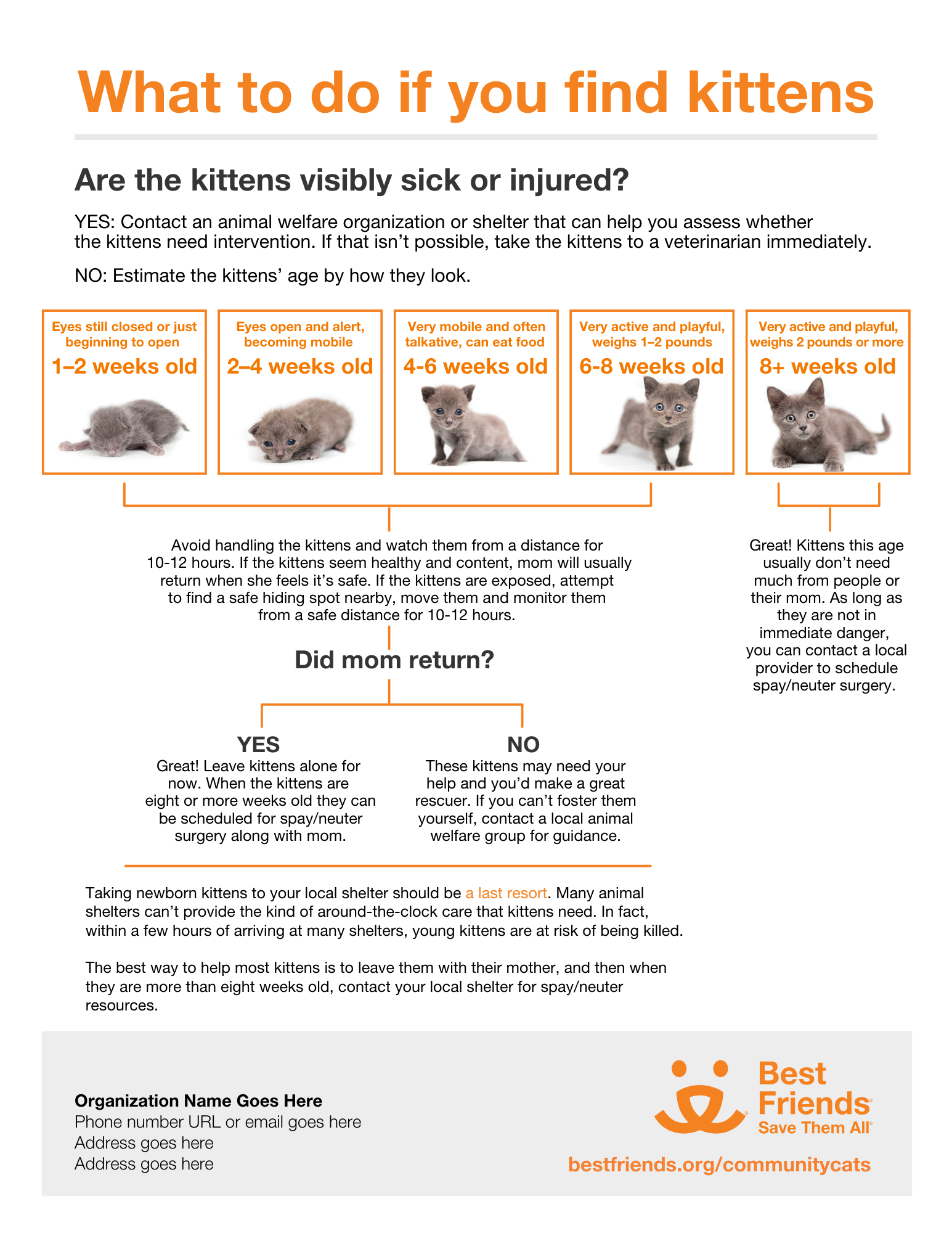
Credit: bestfriends.org
Challenges Of Newborn Kitten Care
Caring for a newborn kitten is not easy. It needs constant attention and care. Newborn kittens are very delicate. They rely on humans for many things. Understanding the challenges helps prepare for their needs.
Each challenge requires patience and care. Small mistakes can affect their health. Knowing these challenges helps keep kittens safe and healthy.
Fragile Health And Development
Newborn kittens have weak immune systems. They get sick easily. Their organs and bones are still growing. Even small changes can harm them. Watch them closely for any signs of illness. Early care can save their lives.
Feeding Requirements
Kittens cannot eat solid food at first. They need special kitten formula. Feeding must happen every two to three hours. Using the right tools is important. Incorrect feeding can cause choking or stomach problems. Patience and attention make feeding safe and effective.
Maintaining Warmth And Comfort
Newborn kittens cannot keep themselves warm. They need a warm, cozy place. Use heating pads or warm blankets carefully. Too much heat can be harmful. Keep their area clean and quiet. Comfort helps them sleep and grow strong.
Feeding Newborn Kittens
Feeding newborn kittens is a crucial part of their care. They need proper nutrition to grow strong and healthy. This task requires attention and patience. Knowing the right steps can make feeding easier and more effective. Below are key points to help you feed newborn kittens successfully.
Choosing The Right Formula
Newborn kittens cannot drink cow’s milk. It can upset their stomach and cause illness. Use a kitten milk replacement formula instead. This formula has the nutrients kittens need. Avoid homemade recipes unless guided by a vet. Always buy a formula made for kittens. Check the expiration date before use. Store the formula as the package directs.
Feeding Schedule And Techniques
Newborn kittens eat every two to three hours. Feed them day and night during their first weeks. Use a small bottle or syringe designed for kittens. Warm the formula to about body temperature. Test it on your wrist before feeding. Hold the kitten gently and in a natural position. Never feed a kitten on its back. Feed slowly to prevent choking. Burp the kitten after feeding by gently rubbing its back.
Recognizing Signs Of Hunger
Kittens show clear signs when they are hungry. They may cry loudly and move restlessly. Their mouths open, and they try to suck on fingers or cloth. Watch for these signs to avoid waiting too long. Feeding on time helps kittens stay calm and healthy. Avoid overfeeding by stopping when the kitten pulls away or stops sucking.
Creating A Safe Environment
Creating a safe environment is crucial for caring for a newborn kitten. This space helps the kitten feel secure and comfortable. A well-prepared area supports healthy growth and reduces stress for the tiny feline. Focus on warmth, cleanliness, and comfort to create the perfect spot.
Setting Up A Cozy Nest
Choose a quiet spot away from noise and drafts. Use a small box or a pet bed with soft blankets. The nest should be snug but not too tight. Add a towel or fleece to keep the kitten warm. Change bedding often to keep it fresh and dry.
Controlling Temperature And Humidity
Newborn kittens cannot regulate their body heat well. Keep the room temperature between 85°F and 90°F (29°C-32°C) in the first week. Use a heating pad or warm water bottle wrapped in a cloth. Avoid direct contact to prevent burns. Maintain moderate humidity to stop the air from drying out the kitten’s skin.
Keeping The Area Clean
Cleanliness prevents infections and keeps the kitten healthy. Remove soiled bedding daily. Use mild, pet-safe cleaners to wipe the nest area. Wash your hands before handling the kitten. Dispose of waste properly to maintain hygiene. A clean space helps the kitten thrive and grow strong.

Credit: www.acvhweb.com
Monitoring Health And Behavior
Taking care of a newborn kitten means watching its health and behavior closely. Newborns are fragile and need careful attention. Small changes can show if they feel well or need help.
Observing your kitten daily helps spot problems early. Knowing normal behavior and growth signs gives peace of mind.
Common Health Issues
Newborn kittens often face health problems like dehydration, infections, and parasites. Their immune systems are weak. Watch for signs like coughing, sneezing, or diarrhea. Skin problems and poor appetite also need attention. Early detection can save lives.
Tracking Growth And Milestones
Track your kitten’s weight daily. A steady gain shows good health. Newborns should double their birth weight in the first two weeks. Look for opening eyes, starting to crawl, and responding to sounds. These milestones show normal development.
When To Seek Veterinary Help
Contact a vet if your kitten stops eating or loses weight. Look for constant crying, weakness, or trouble breathing. Sudden changes in behavior can signal serious issues. Early vet visits increase chances of recovery.
Stimulating Physical And Emotional Growth
Stimulating a newborn kitten’s growth is very important. Both physical and emotional development need attention. Early care shapes a kitten’s health and behavior. It helps them grow strong and confident. A gentle, consistent approach works best. Here are some key ways to support this growth.
Encouraging Mobility
Newborn kittens start moving slowly. Encourage gentle crawling by placing them on soft surfaces. Use small toys to spark curiosity. Let them explore a safe area. This builds muscle strength and coordination. Short, frequent play sessions are ideal. Avoid forcing movement to prevent stress.
Socialization Tips
Social skills develop through interaction. Spend quiet time near the kitten without sudden moves. Let them smell and hear your voice. Introduce new sounds and sights gently. Play with siblings or other pets under supervision. Positive experiences reduce fear and build trust.
Handling With Care
Handle kittens softly and with support. Hold them close to feel safe. Avoid loud noises or quick actions. Watch for signs of discomfort or stress. Regular gentle handling helps them get used to humans. It prepares them for future vet visits and care.
Weaning And Transitioning
Weaning and transitioning mark an important time for newborn kittens. It is when they begin to move from milk to solid food. This change helps them grow strong and healthy. Caregivers must guide kittens through this stage with patience and care. Understanding how to introduce food and adjust routines can make the process smooth.
Introducing Solid Food
Start offering soft, wet kitten food at about four weeks old. Mix it with kitten formula to make it easy to eat. Place a small amount on a shallow dish. Let the kitten smell and taste it. Some kittens may be shy at first. Keep trying gently. Gradually reduce formula in the mix as the kitten eats more solid food.
Adjusting Feeding Routine
Feed kittens small meals five times a day. This helps their tiny tummies digest food better. Watch the kitten’s appetite closely. Increase solid food and reduce milk feedings over two weeks. Keep water available at all times. Clean feeding dishes after each meal. A routine helps kittens feel safe and secure.
Preparing For Independence
Weaning helps kittens learn to eat on their own. By eight weeks, most kittens eat solid food fully. Encourage exploring new tastes and textures. Offer dry kitten food as a next step. This builds chewing skills and dental health. Keep socializing kittens and handling them gently. Independence grows with love and consistent care.

Credit: petparentsbrand.com
Frequently Asked Questions
Is Newborn Kitten Care Difficult For Beginners?
Caring for a newborn kitten can be challenging for beginners. It requires feeding every 2-3 hours, warmth, and hygiene. With patience and proper guidance, most people can manage it successfully. Learning basic kitten care routines helps ease the process and ensures the kitten’s health and growth.
How Often Should A Newborn Kitten Be Fed?
Newborn kittens need feeding every 2 to 3 hours, including nighttime. They rely on kitten formula, not cow’s milk. Proper feeding schedules are crucial for their survival and development during the first few weeks of life.
What Are Common Challenges In Newborn Kitten Care?
Common challenges include frequent feeding, keeping kittens warm, and stimulating elimination. Newborns cannot regulate body temperature or relieve themselves without help. Owners must be prepared for round-the-clock care to ensure their kittens thrive.
Can A Newborn Kitten Survive Without Its Mother?
Yes, but it requires intensive human care. You must provide feeding, warmth, and cleaning. Newborns lack immunity and rely on their mother’s milk. Proper care and veterinary advice increase survival chances significantly.
Conclusion
Taking care of a newborn kitten takes time and patience. It may seem hard at first, but it becomes easier with practice. Kittens need warmth, food, and gentle care every day. Watching them grow feels very rewarding. Remember, small steps lead to big progress.
Your love and attention help them thrive. Enjoy each moment with your tiny friend. Care today builds a healthy, happy kitten tomorrow.