
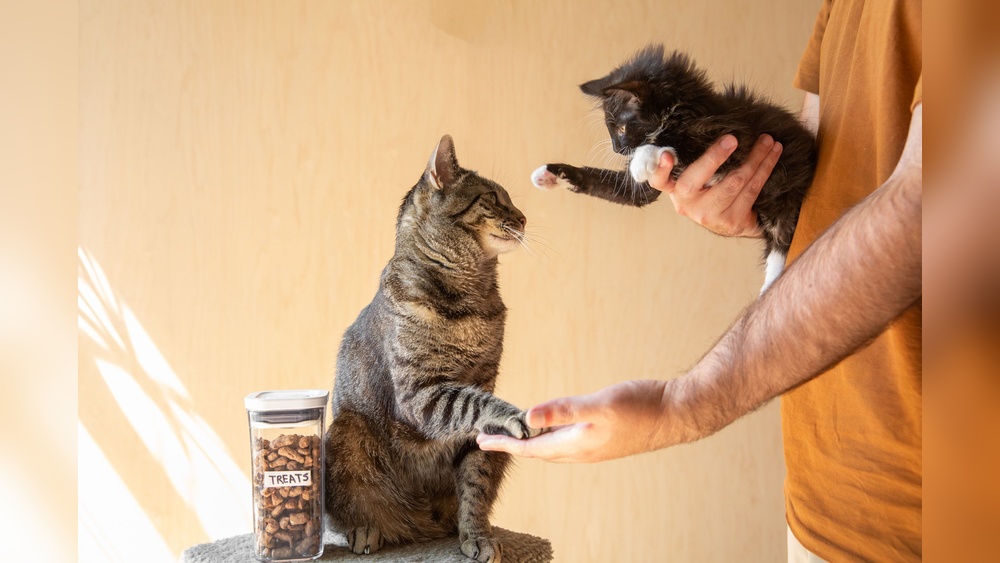
Are you bringing a new kitten home and wondering if your adult cat will take care of the little one? You might be hoping for a loving bond right away or worried about how your cat will react.
Understanding how adult cats behave around kittens can help you prepare for this exciting change. Keep reading to discover what really happens when a new kitten joins your family—and how you can help your adult cat become the best big sibling.
Adult Cat Behavior
Adult cats have unique ways of reacting to new kittens. Their behavior shows how they feel about the new arrival. Understanding their reactions helps you support both cats better.
Adult cats have habits formed over years. They can be curious, cautious, or even protective. Watching their behavior gives clues about their acceptance or stress.
Typical Reactions To New Cats
Adult cats may show curiosity by sniffing or watching the kitten. Some hiss or growl to warn the kitten to stay away. Others ignore the kitten at first, observing quietly.
Some adult cats may act playful, trying to engage the kitten. A few may hide or avoid the new cat completely. Each cat’s reaction depends on personality and past experiences.
Factors Influencing Acceptance
Age and temperament of the adult cat affect acceptance. Friendly and social cats usually adapt faster. Cats with past negative experiences may resist new kittens.
How you introduce the kitten also matters. Slow and calm introductions help build trust. Space and separate resources reduce competition and stress.
Signs Of Stress And Comfort
Stress signs include hissing, growling, hiding, or refusal to eat. Excessive grooming or aggression also shows discomfort. Watch closely for these signs to help the cat.
Comfort signs include purring, gentle touching, and relaxed body posture. Sharing space or grooming each other shows acceptance. These signs mean the adult cat is adjusting well.
:strip_icc()/help-older-cat-accept-kitten-554827-FINAL-4984b36cea7345efa2e41f7ac6966fba.png)
Credit: www.thesprucepets.com
Kitten Introduction Tips
Introducing a new kitten to your adult cat needs care and patience. A smooth introduction helps both pets feel safe and happy. Proper steps reduce stress and build a good bond. Follow these kitten introduction tips for a better start.
Preparing Your Home
Set up a separate space for the kitten. Include food, water, toys, and a litter box. This keeps the kitten safe and comfortable. Your adult cat should have its own area too. Clean these spaces often to keep smells fresh.
Gradual Introduction Methods
Let your cats smell each other first. Swap bedding or toys between them. Allow short, supervised visits through a gate or door. Watch their body language closely. Increase time together as they get used to each other.
Monitoring Initial Interactions
Stay calm and patient during their first meetings. Look for signs of stress or aggression. Separate them if either cat seems scared or angry. Praise gentle behavior and offer treats. Keep sessions short and positive to build trust.
Bonding Between Cats
Cats form unique bonds with each other over time. Understanding how they connect helps in caring for both your adult cat and new kitten. Bonds between cats grow through shared experiences and trust. These relationships affect their happiness and well-being.
How Bonds Develop
Cats start bonding by smelling and observing each other. Gentle touching and grooming follow if they feel safe. Playtime is also key to building trust. Over days and weeks, they learn each other’s habits. Positive interactions strengthen their connection.
Role Of Age And Personality
Older cats may be calm or cautious with kittens. Young cats tend to be more playful and curious. A shy cat might need more time to adjust. Bold cats often lead in play and exploration. Understanding their personalities helps manage introductions better.
Encouraging Positive Relationships
Give both cats separate spaces at first. Let them meet slowly under supervision. Use toys to create fun experiences together. Reward calm behavior with treats and praise. Patience is important to build a lasting bond.
When Caregiving Happens
Adult cats sometimes take on a caregiving role for new kittens. This happens naturally in many homes with multiple cats. The adult cat may help the kitten feel safe and teach important behaviors. Caregiving varies from cat to cat. It depends on their personality and past experiences.
Understanding when and how caregiving happens helps cat owners. It also shows the bond between cats. Here are some common caregiving actions adult cats show toward kittens.
Instances Of Adult Cats Grooming Kittens
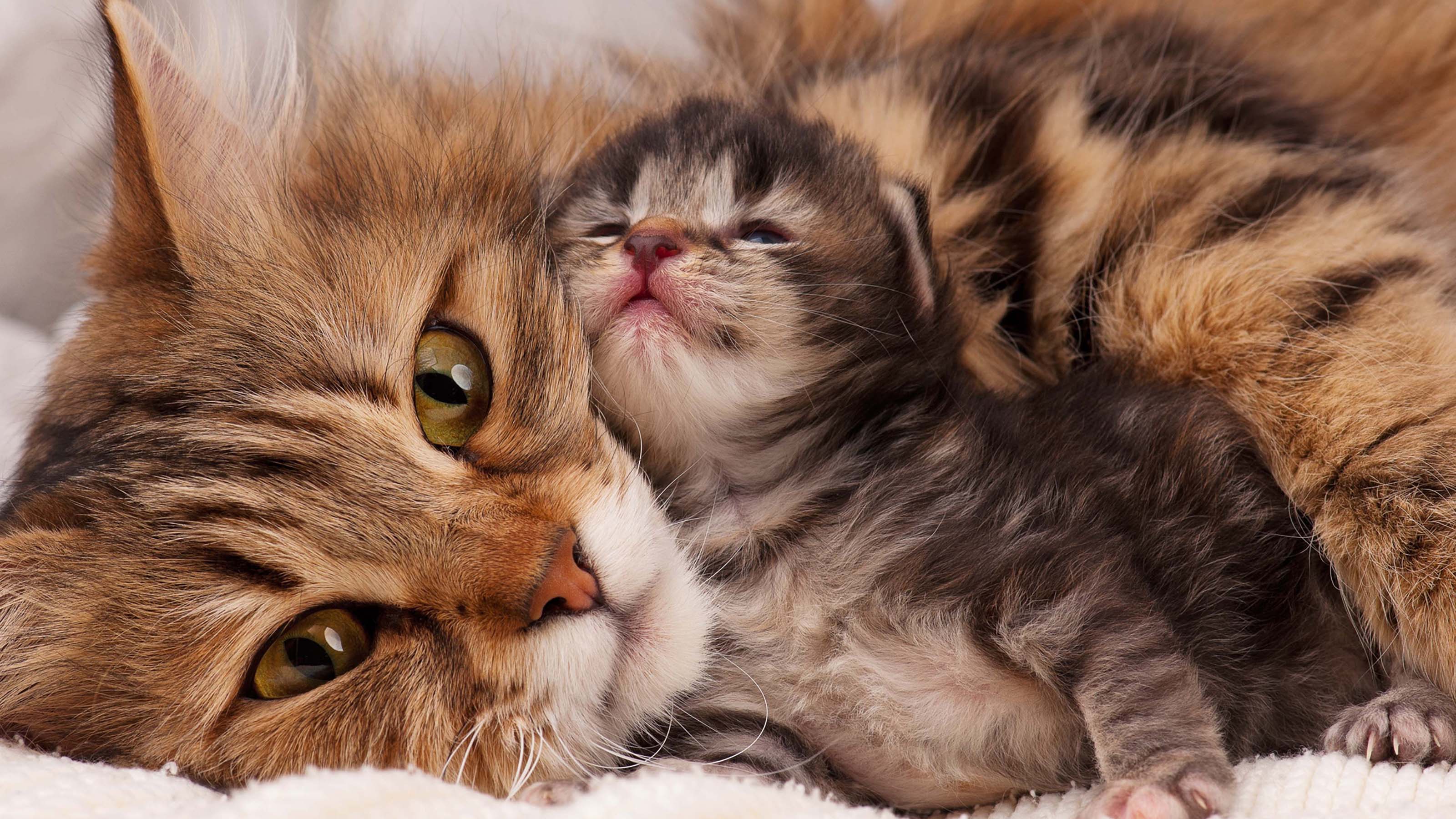
Adult cats often groom kittens by licking their fur. This grooming cleans the kitten and helps them relax. It also builds trust between the two cats. Grooming is a sign that the adult cat accepts the kitten. Sometimes grooming happens right after the kitten arrives home.
Protective Behaviors
Some adult cats act protective toward new kittens. They may watch over the kitten closely. Protectiveness can mean staying close or blocking other animals. The adult cat may hiss or growl at potential threats. This behavior helps keep the kitten safe in a new space.
Limitations Of Cat Caregiving
Adult cats do not replace a mother cat’s care. They cannot feed kittens or keep them warm all the time. Some adult cats may not show any caregiving behavior. Stress or jealousy can reduce their interest in kittens. Owners still need to provide food, warmth, and play for kittens.
Expert Advice
Introducing a new kitten to your home can be exciting and challenging. Many pet owners wonder if their adult cat will care for the new kitten. Expert advice from veterinarians and behaviorists helps understand this relationship better. Knowing common mistakes to avoid makes the introduction smoother. This guidance supports a peaceful and happy home for both cats.
Veterinarian Recommendations
Veterinarians suggest a slow introduction between cats. Keep the kitten in a separate room at first. Let the adult cat sniff items from the kitten’s space. This helps them get used to each other’s scent. Watch for signs of stress or aggression. Regular health checks prevent the spread of illness between cats. Vaccinate both cats before they meet closely.
Behaviorist Insights
Cat behaviorists say adult cats rarely act as parents to kittens. Adult cats may ignore or even reject kittens at first. Give them time to adjust to each other’s presence. Provide separate food and litter areas to reduce competition. Use positive reinforcement when the cats behave calmly together. Let the adult cat keep its own space and routine. Patience and observation are key to success.
Common Mistakes To Avoid
Do not force the cats to interact too soon. Avoid punishing the adult cat for showing dislike. Do not leave the kitten and adult cat unsupervised early on. Avoid overcrowding feeding or sleeping areas. Watch for signs of bullying or fear in either cat. Ignore aggressive behavior only makes it worse. Give both cats equal attention and care to prevent jealousy.
Credit: www.vets4pets.com
Long-term Coexistence
Introducing a new kitten to your adult cat is just the start. Long-term coexistence means both cats live peacefully over time. It takes care, patience, and attention to their needs.
Adult cats may take time to accept a kitten. Their behavior can change as they get used to each other. Watching their daily interactions helps keep peace in your home.
Maintaining Harmony
Keep separate food and water bowls for each cat. Give them their own sleeping spots and litter boxes. Respect their space to reduce stress and competition.
Spend time with both cats individually. This builds trust and reduces jealousy. Play together to create positive shared experiences.
Handling Conflicts
Minor disagreements happen. Watch for hissing or swatting. Don’t punish the cats; instead, calmly separate them.
Use distraction techniques like toys or treats to divert attention. Gradually reintroduce them after calm moments. Be patient; acceptance takes time.
Ensuring Both Cats’ Wellbeing
Monitor each cat’s health and behavior daily. Look for signs of stress or illness. Regular vet visits keep both cats healthy.
Feed a balanced diet suitable for each cat’s age. Keep their environment safe and comfortable. A happy cat is a healthy cat.

Credit: www.weruva.com
Frequently Asked Questions
Will My Adult Cat Accept A New Kitten Easily?
Adult cats may take time to accept kittens. Proper introductions and patience help them bond well. Gradual interaction is key for a smooth transition.
How Can I Help My Cat Care For The Kitten?
Provide a calm environment and supervise their meetings. Encourage gentle behavior and reward positive interactions. This supports healthy bonding and mutual care.
Do Adult Cats Teach Kittens Important Behaviors?
Yes, adult cats often teach kittens social and survival skills. They show grooming, hunting, and litter habits, aiding kitten development and confidence.
How Long Does It Take For Cats To Bond?
Bonding can take days to weeks. It depends on cats’ personalities and introduction methods. Consistency and positive experiences speed up bonding.
Conclusion
Adult cats may or may not take care of a new kitten. Each cat has its own personality and feelings. Some cats act like parents, while others stay distant. Patience helps both cats get used to each other. Give your pets time, love, and space to bond.
Watch their behavior closely for signs of stress. Safe introductions lead to peaceful relationships. Your care makes the biggest difference in their connection. Remember, every cat’s journey is unique and special.