
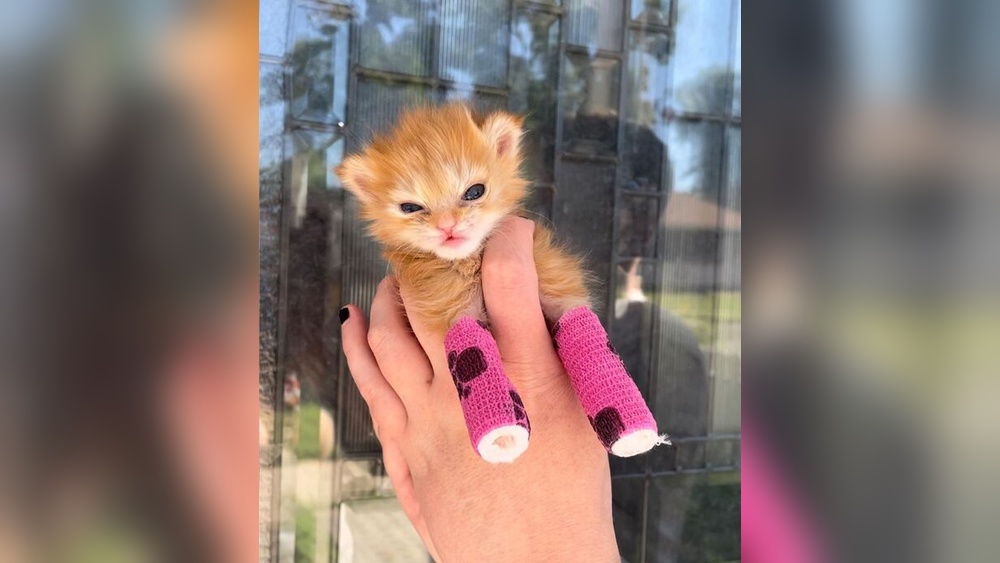
Bringing a kitten into your home is an exciting and joyful experience. But it also comes with important responsibilities.
You want to make sure your little furball grows up healthy, happy, and safe. Knowing how to take care of a kitten properly can make all the difference in their development. In this guide, you’ll discover simple, practical tips that anyone can follow.
Whether you’re a first-time pet owner or adding to your feline family, these easy steps will help you give your kitten the best start in life. Keep reading to learn how to create a loving and nurturing environment your kitten will thrive in.
Preparing Your Home
Preparing your home for a new kitten is important. A safe and welcoming space helps your kitten feel calm and happy. It also keeps them safe from harm. Take time to get everything ready before the kitten arrives. This makes the transition smooth for both of you.
Safe Space Setup
Create a quiet area where the kitten can rest and explore. Use a small room or a corner with soft bedding. Keep the space free from loud noises and busy foot traffic. Add a cozy bed and a few toys. This safe space helps the kitten feel secure as it adjusts.
Gathering Supplies
Collect all necessary items before bringing the kitten home. You need food and water dishes, kitten food, and a litter box. Get a scratching post and safe toys for playtime. A small carrier is useful for trips to the vet. Having these supplies ready shows care and helps your kitten settle quickly.
Kitten-proofing Tips
Remove or secure anything dangerous or breakable. Cover electrical cords and hide small objects that could be swallowed. Close off spaces where the kitten can get stuck or lost. Keep cleaning supplies and medicines out of reach. This keeps your kitten safe and prevents accidents.
Feeding Your Kitten
Feeding your kitten is one of the most important parts of their care. Good food helps kittens grow strong and healthy. It supports their energy, fur, and overall health. You must choose the right food and feed them at the right times. Also, keep their water fresh and clean. Here is how to feed your kitten properly.
Choosing The Right Food
Kittens need food made just for them. Kitten food has more nutrients than adult cat food. Look for high protein and fat content. These help with growth and energy. Wet food is easier to eat and helps with hydration. You can mix wet and dry food for variety. Avoid giving your kitten dog food or human food. It can cause health problems.
Feeding Schedule
Kittens need to eat several small meals daily. Feed your kitten about four times a day. This keeps their energy steady and helps digestion. As they grow, reduce meals to two or three times daily. Watch their appetite and adjust the amount. Never leave food out all day. Clean their bowls after each meal.
Hydration Needs
Fresh water is very important for kittens. Always keep a bowl of clean water nearby. Change the water at least once a day. Some kittens like running water, so a cat water fountain works well. Wet food also helps with water intake. Dehydration can cause serious health issues. Encourage your kitten to drink regularly.
Health Care Basics
Taking care of a kitten’s health is very important. Healthy kittens grow into strong cats. You must learn some health care basics for your new pet. This helps avoid many problems and keeps your kitten happy.
Vaccination Timeline
Kittens need vaccines to protect against diseases. Start vaccinations at six to eight weeks old. Your vet will give shots every three to four weeks. These continue until your kitten is about 16 weeks old. Core vaccines include those for rabies, feline distemper, and respiratory infections. Vaccinations keep your kitten safe and prevent serious illness.
Common Health Issues
Kittens can face many health problems. Fleas and worms are common. Watch for itching, coughing, or weight loss. Eye and ear infections also happen often. Some kittens get diarrhea or vomiting. Early care stops these issues from becoming worse. Good hygiene and a clean home help prevent many problems.
When To Visit The Vet
Regular vet visits are important. Take your kitten for a check-up soon after adoption. Your vet will check for diseases and give vaccines. Visit the vet if your kitten acts sick. Signs include not eating, hiding, or trouble breathing. Early visits help catch problems fast and save your kitten’s life.

Credit: www.vetsend.co.uk
Litter Training Tips
Litter training is an important step in raising a happy kitten. It helps keep your home clean and your kitten healthy. Start early to make the process smooth and stress-free. Here are some simple tips to help you train your kitten with ease.
Selecting A Litter Box
Choose a litter box that is small and easy for your kitten to enter. Avoid high sides at first. A shallow box helps kittens climb in and out comfortably. Pick a box made of sturdy, easy-to-clean material. Place the box in a quiet, safe spot. Keep it away from their food and water bowls.
Training Techniques
Show your kitten the litter box soon after bringing them home. Gently place them inside the box after meals and naps. Praise your kitten softly when they use the box. Avoid punishment for accidents; it can cause fear. Clean accidents with an enzyme cleaner to remove odors. Repeat the routine patiently every day.
Maintaining Cleanliness
Scoop the litter box at least once daily. Replace the litter fully every week. Wash the box with mild soap and warm water. Keep the box odor-free to encourage use. A clean box helps prevent litter box avoidance. Monitor your kitten’s habits to spot any health issues early.
Socializing Your Kitten
Socializing your kitten is key to raising a happy and friendly cat. Early social contact helps kittens feel safe and loved. This stage shapes their behavior around people and other pets. Proper socialization can prevent fear and aggression later in life. Start with calm, gentle interactions. Let your kitten explore and meet new faces at their own pace.
Introducing To Family Members
Introduce your kitten to family members slowly. Let each person sit quietly and offer a hand to sniff. Avoid loud noises or sudden moves. Keep visits short at first. Encourage gentle petting and soft voices. This helps your kitten feel secure. Watch for signs of stress, like hiding or hissing. Give your kitten space if needed. Repeat meetings often to build trust.
Playing And Bonding
Playtime is a great way to bond with your kitten. Use toys like feathers, strings, or small balls. Avoid using your hands as toys. This teaches your kitten to play gently. Play sessions should be short but regular. They help your kitten burn energy and learn social skills. Talk softly and praise your kitten during play. This builds a strong, loving connection.
Handling Fear And Anxiety
Fear can make kittens shy or aggressive. Stay calm and patient if your kitten seems scared. Create a quiet, safe space for them to retreat. Offer treats and toys to encourage confidence. Avoid forcing your kitten into stressful situations. Gradually expose them to new sounds and people. This helps reduce anxiety over time. Always reward brave behavior with kindness and care.
Grooming Essentials
Grooming is an important part of taking care of a kitten. It helps keep your kitten clean and healthy. Regular grooming also strengthens the bond between you and your pet. Understanding the basic grooming needs will make the process easier and more enjoyable.
Brushing And Bathing
Brushing removes dirt and loose fur from your kitten’s coat. It prevents hairballs and reduces shedding. Use a soft brush made for kittens. Brush gently to avoid hurting your kitten’s skin. Bathing is rarely needed unless your kitten is very dirty. Use warm water and mild cat shampoo. Dry your kitten carefully with a towel after the bath.
Nail Care
Trim your kitten’s nails regularly to prevent scratches. Use small nail clippers designed for cats. Hold the paw gently and clip only the sharp tip. Avoid the pink part, called the quick, which is sensitive and bleeds easily. If unsure, trim a little at a time. Reward your kitten with treats to make nail care pleasant.
Ear And Eye Cleaning
Check your kitten’s ears and eyes often for dirt or discharge. Use a soft, damp cloth to clean the outer ear gently. Never insert anything deep into the ear canal. For the eyes, wipe away any crust or discharge with a clean cloth. Keep the area dry and watch for signs of infection like redness or swelling.
Safety And Environment
Creating a safe and comfortable space is essential for a kitten’s well-being. The environment affects their health, happiness, and growth. Keeping your kitten safe means thinking about their surroundings, what they can reach, and how to handle emergencies.
Indoor Vs. Outdoor Safety
Indoor spaces protect kittens from many dangers. Cars, predators, and harsh weather do not pose a threat indoors. Keep windows and balconies secure to prevent falls.
Outdoor time offers fresh air and exercise but carries risks. Cats may face traffic, other animals, or toxic plants. Supervised playtime or a secure outdoor enclosure limits these dangers.
Toxic Plants And Substances
Many common plants are harmful to kittens. Lilies, poinsettias, and tulips can cause sickness or worse. Keep such plants out of reach or remove them completely.
Household chemicals like cleaning products and medications are also dangerous. Store them securely in cabinets or high shelves. Always check that your kitten cannot access these items.
Emergency Preparedness
Prepare for accidents or sudden illness by having a plan. Keep your vet’s contact info handy. Know the nearest emergency animal hospital.
Create a small first aid kit with basics like bandages and antiseptic wipes. Learn simple first aid steps for kittens to act quickly if needed.

Credit: www.aspcapetinsurance.com

Credit: getchewmate.com
Frequently Asked Questions
How Often Should I Feed A Kitten Daily?
Feed a kitten 3 to 4 times a day with kitten-specific food. Young kittens need frequent meals for proper growth and energy. Always provide fresh water alongside meals to keep them hydrated and healthy.
When Should I Start Vaccinating My Kitten?
Begin vaccinations at 6 to 8 weeks old. Core vaccines include feline distemper, rhinotracheitis, and calicivirus. Consult your vet for a vaccination schedule tailored to your kitten’s needs and environment.
How Do I Litter Train My Kitten Quickly?
Place your kitten in the litter box after meals and naps. Use a shallow box with unscented, clumping litter. Praise and gently guide them to encourage positive litter habits.
What Toys Are Safe For Kittens To Play With?
Choose soft, small toys without small parts that can be swallowed. Interactive toys like feather wands or balls stimulate play and exercise. Avoid strings or rubber bands to prevent choking hazards.
Conclusion
Taking care of a kitten needs patience and love. Feed them well and keep their space clean. Play with your kitten to help them grow happy. Visit the vet for regular check-ups and vaccines. Give them safe toys and a cozy bed.
Watch for any health changes and act fast. Your kitten will feel loved and secure with your care. Small daily actions create a strong bond. Enjoy every moment with your new furry friend. Caring for a kitten brings joy and warmth to your home.