
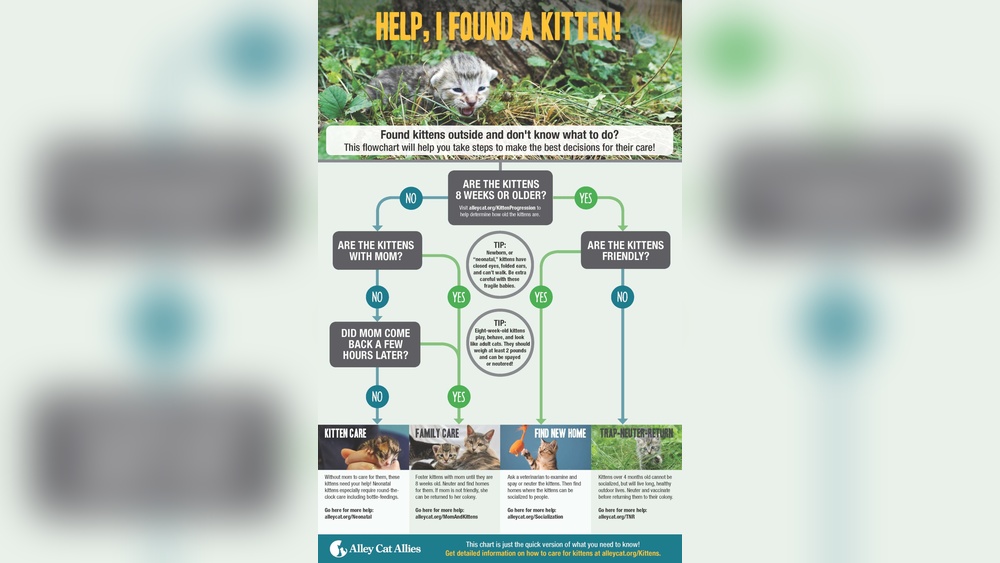
Are you wondering if your spayed cat will take care of a new kitten? You might be excited to add a little furry friend to your home but unsure how your cat will react.
Will she be a loving guardian or prefer to keep her distance? Understanding how spayed cats behave around kittens can help you prepare for this important moment. Keep reading to discover what to expect and how to make the introduction smooth for both your cat and the new kitten.
Spayed Cats And Maternal Instincts
Spaying changes a cat’s body and hormones. This can affect how she acts around kittens. Many wonder if a spayed cat will care for a new kitten in the home. The answer depends on more than just hormones. Maternal instincts can still be strong even after spaying.
Understanding these instincts helps explain why some spayed cats nurture kittens. It shows that care is not only about reproduction. A spayed cat may still enjoy the company of kittens and offer comfort.
Hormonal Changes After Spaying
Spaying removes the ovaries and uterus. This stops the production of key hormones like estrogen and progesterone. These hormones control heat cycles and pregnancy behaviors. Without them, a cat no longer goes into heat or can have kittens.
Hormone changes often reduce maternal behavior. The drive to care for babies linked to reproduction may lessen. Some cats show less interest in young kittens after spaying. This is a natural response to the hormonal shift.
Instincts Beyond Reproduction
Maternal care is not just about hormones. Some cats have nurturing instincts that remain strong. They may groom, cuddle, or protect kittens even without hormonal triggers. This care comes from their social nature and past experiences.
A spayed cat may treat a kitten like a companion. She can act as a mentor or friend. This bond helps kittens feel safe and loved. The spayed cat’s role may change, but care often continues in new ways.

Credit: www.wikihow.com
How Spayed Cats React To Kittens
Spayed cats can have varied reactions to kittens. Their behavior depends on personality and past experiences. Some spayed cats show gentle care, while others stay distant or cautious. Watching their responses helps understand how they might accept a new kitten. Patience is key during these early interactions.
Initial Curiosity And Interaction
At first, spayed cats often show curiosity toward kittens. They may sniff or watch the kitten closely. Some cats approach slowly and gently. Others prefer to keep their distance. This phase is about exploring and understanding the new presence. The kitten’s small size and energy can attract or confuse the adult cat.
Signs Of Acceptance Or Rejection
Acceptance shows through calm and relaxed behavior. The spayed cat might groom the kitten or lie near it. Playful and gentle touches are good signs. Rejection appears as hissing, growling, or swatting. The cat may avoid the kitten or hide. Careful observation helps decide when to separate or try again later.
Factors Influencing Cat-kitten Bonding
Understanding the factors that influence the bonding between a spayed cat and a kitten helps in creating a smooth introduction. These factors play a key role in how well they accept each other. Each cat has its own style of bonding, shaped by different elements.
Knowing these elements can prepare you for the process of bringing a kitten home. It also helps in setting realistic expectations about their relationship.
Age And Personality Of The Spayed Cat
The age of the spayed cat matters a lot. Older cats may prefer quiet and may not enjoy playful kittens. Young adult cats often have more energy to play and tolerate kittens.
Personality affects bonding deeply. Some cats are naturally nurturing and patient. Others may be shy or prefer to be alone. A calm and friendly cat adapts better to a new kitten.
Socialization History
How the spayed cat has been socialized shapes its response to kittens. Cats used to other cats accept new kittens easily. Cats with little social interaction may feel stressed or scared.
Positive early experiences with other cats often lead to better acceptance. Cats that have lived with kittens before usually know how to behave around them.
Environment And Timing
The home environment influences bonding. A quiet and safe space helps cats feel secure. Crowded or noisy homes may cause stress and slow down bonding.
Timing also matters. Introducing a kitten during a calm period in the cat’s life works best. Avoid times when the cat feels unwell or stressed. Gradual introductions give both cats time to adjust.
Ways Spayed Cats Care For Kittens
Spayed cats often show caring behavior toward kittens. They can play a key role in raising young cats. Their care helps kittens feel safe and loved. This section explores how spayed cats support kittens daily.
Grooming And Cleaning
Spayed cats often groom kittens gently. They lick the kittens’ fur to keep it clean. This grooming removes dirt and helps with bonding. It also calms kittens and reduces stress. Grooming teaches kittens how to stay clean.
Providing Warmth And Comfort
Spayed cats offer warmth by cuddling close to kittens. Their body heat keeps the kittens cozy. This comfort helps kittens feel secure in a new place. A warm body helps kittens sleep and grow well. Comfort from a spayed cat builds trust.
Teaching And Protecting
Spayed cats guide kittens in social skills. They show the right way to play and interact. They also protect kittens from danger or harsh behavior. This protection helps kittens learn about safety. Teaching helps kittens grow into confident cats.
Potential Challenges To Watch For
Introducing a kitten to your spayed cat may bring some challenges. It is important to watch for certain behaviors and health issues. These challenges can affect both cats’ well-being. Understanding them helps create a safer home for your pets.
Aggression And Territorial Behavior
Spayed cats can still show aggression toward new kittens. They may hiss, swipe, or chase the kitten away. This behavior often comes from feeling their space is threatened. Territorial disputes can cause stress for both cats. Giving each cat their own space can help reduce fights.
Stress And Anxiety Signs
Stress in cats shows in many ways. Your spayed cat may hide or stop eating. They might also groom themselves too much or become less active. Kittens can also feel anxious around older cats. Watch for changes in behavior or mood in both cats. Early attention helps prevent long-term stress problems.
Health Risks To Kittens
Older cats may carry germs harmful to kittens. Kittens have weaker immune systems and get sick easily. Fighting or rough play can cause injuries. Keep an eye on any scratches or bites. Regular vet visits and vaccinations protect kittens from illness.
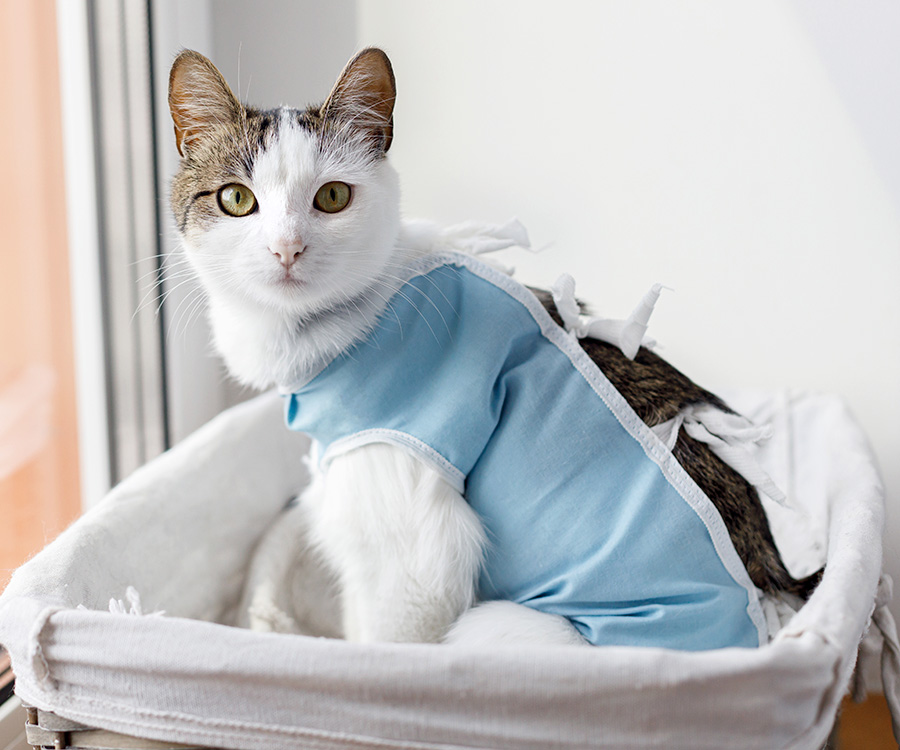
Credit: www.hartz.com
Tips For Introducing A Kitten To A Spayed Cat
Introducing a kitten to a spayed cat needs care and patience. A smooth introduction helps both cats feel safe. It reduces stress and builds a good relationship. Use simple steps to make the process easy for everyone.
Gradual Introduction Techniques
Start by keeping the kitten and cat in separate rooms. Let them smell each other through the door. Swap their bedding to share scents. After a few days, allow short face-to-face meetings. Watch their body language closely. Increase the time together slowly over several days.
Creating A Safe Space
Provide each cat with its own safe area. Include a bed, food, water, and litter box. This space helps reduce stress and fear. The kitten needs a quiet spot to retreat to. The spayed cat also needs a place to relax. These safe zones prevent fights and build comfort.
Monitoring Interactions
Watch every meeting between the kitten and cat. Look for signs of aggression or fear. Separate them if hissing or growling happens. Praise calm and gentle behavior. Keep sessions short and positive. Gradually increase their time together as trust grows.
When To Seek Help From A Veterinarian Or Behaviorist
Introducing a kitten to a spayed cat can be smooth or tricky. Sometimes, the older cat may not accept the kitten easily. Knowing when to get help is important. A veterinarian or animal behaviorist can guide you to keep both cats safe and happy.
Some problems need expert attention fast. Ignoring signs of trouble can make things worse. Watch your cats closely. Notice their behavior and health. This helps you decide if professional help is needed.
Persistent Aggression Issues
Spayed cats usually calm down, but aggression can still happen. If your cat attacks the kitten often, it is a big concern. Constant hissing, biting, or growling are signs to act. Aggression that lasts more than a week needs expert advice. A behaviorist can teach you ways to reduce fights.
Health Concerns For Either Cat
Stress from a new kitten can cause health problems. Watch for changes in eating, drinking, or litter box use. Sneezing, coughing, or hiding can also show illness. Visit a veterinarian if any health issues appear. Early treatment protects both cats and stops sickness from spreading.
Behavioral Changes
A spayed cat may change behavior after a kitten arrives. Sudden hiding, loss of appetite, or vocalizing can mean stress or illness. If your cat stops grooming or shows fear, consult a professional. Behavioral changes may need training or medical care. Experts help your cat feel safe and calm again.

Credit: acangasolucoes.com.br
Frequently Asked Questions
Will A Spayed Cat Accept A New Kitten Easily?
A spayed cat may accept a new kitten, but it depends on her temperament and socialization. Gradual introductions help build trust and reduce stress. Patience is key for a smooth transition.
Can A Spayed Cat Nurse Or Care For Kittens?
Spayed cats cannot nurse kittens due to lack of milk production. However, they may groom or cuddle kittens, showing nurturing behavior without feeding.
How To Introduce A Kitten To A Spayed Cat Safely?
Introduce the kitten slowly, using scent swapping and supervised visits. Keep initial meetings short and positive to avoid stress or aggression.
Why Might A Spayed Cat Reject A New Kitten?
A spayed cat may reject a kitten due to territorial instincts or fear. Some cats prefer solitude and may not tolerate newcomers well.
Conclusion
A spayed cat may or may not care for a kitten. Each cat has its own personality and feelings. Some cats accept kittens easily, while others stay distant. Patience and gentle introduction help them bond well. Watch their behavior to ensure safety for both.
Providing separate spaces can reduce stress. Remember, not all cats want to be caregivers. Respect their comfort and needs. Caring for a kitten takes time and attention. Your cat’s happiness matters most in this process.