
Bringing a new kitten into your home is exciting, but it also comes with a big responsibility. You want to make sure your little furry friend stays healthy, happy, and safe.
How you take care of a kitten in these early days can shape their entire life. In this guide, you’ll discover simple and practical tips that will help you give your kitten the best start possible. Ready to become the best kitten parent?
Let’s dive in and make sure your new companion feels loved and cared for every step of the way.
Choosing The Right Kitten
Choosing the right kitten is the first step to a happy pet experience. Picking a kitten takes thought and care. It means more than just choosing a cute one. The right choice helps create a strong bond that lasts.
Every kitten has its own needs and personality. Knowing what to look for saves time and worry later. It also helps keep your new pet healthy and happy.
Selecting A Healthy Kitten
Check for bright eyes and a clean nose. The kitten should be active and curious. Look for shiny fur without bald spots. Ask the seller about vaccinations and health checks. Avoid kittens that cough or sneeze a lot. Healthy kittens eat well and play often. Watch how the kitten moves and reacts. A strong body means fewer vet visits.
Considering Breed And Temperament
Each breed has unique traits and energy levels. Some cats love being around people. Others prefer quiet and calm homes. Think about your lifestyle and home space. Match the kitten’s personality to your daily routine. Ask about the kitten’s behavior with children or other pets. Understanding temperament helps prevent future problems. Choose a kitten that fits your family well.
Preparing Your Home
Clear a safe space for the new kitten. Remove small items that the kitten can swallow. Set up a cozy bed and litter box. Place food and water dishes in a quiet spot. Keep dangerous plants and chemicals out of reach. Have toys ready to keep the kitten busy. Prepare for scratching by providing posts or pads. A well-prepared home helps the kitten adjust quickly.
Feeding Your Kitten
Feeding your kitten is one of the most important parts of their care. Kittens need the right food to grow strong and healthy. Good nutrition helps their bones, muscles, and brain develop well. It also keeps their energy up for play and learning.
Choosing the right diet and feeding them at the right times supports their growth. Knowing what to avoid keeps them safe from harm. Below are key tips to feed your kitten properly.
Best Diet For Growth
Kittens need food rich in protein and fat for energy. Look for kitten-specific formulas in wet or dry food. These have essential vitamins and minerals for healthy development. Avoid adult cat food, as it lacks nutrients kittens require.
High-quality ingredients help your kitten build strong bones and muscles. Foods with taurine, an important amino acid, support heart and eye health. Fresh water should always be available along with their food.
Feeding Schedule
Kittens eat small meals often. Feed them about four times each day until they are six months old. After that, reduce to two or three meals daily. Regular feeding times help maintain steady energy and support healthy digestion.
Use clean bowls and fresh food each time. Monitor your kitten’s appetite and weight to adjust portions as needed. Avoid overfeeding to prevent obesity and related health problems.
Avoiding Harmful Foods
Some foods can be dangerous for kittens. Never give chocolate, onions, garlic, or caffeine. These can cause serious illness or even death. Avoid raw meat and eggs to prevent infections.
Milk is not good for most cats. It can cause stomach upset and diarrhea. Stick to kitten food and clean water to keep your kitten safe and healthy.
Setting Up A Safe Space
Setting up a safe space is important for a new kitten. It helps them feel calm and secure in their new home. A safe space offers comfort and protection as the kitten adjusts to its surroundings. This area should be quiet, cozy, and free from dangers. Creating such a space supports your kitten’s health and happiness.
Creating A Comfortable Bed
Choose a soft bed with warm blankets. Place it in a quiet corner away from noise. The bed should be big enough for the kitten to stretch. Use washable materials for easy cleaning. A cozy bed helps your kitten relax and sleep well.
Kitten-proofing Your Home
Remove small objects that a kitten can swallow. Hide electrical cords to prevent chewing accidents. Block off tight spaces where the kitten can get stuck. Keep plants out of reach if they are toxic. Make sure windows and doors are secure. A safe environment prevents injuries and stress.
Providing Toys And Stimulation
Offer a variety of toys like balls and feather wands. Toys encourage play and help the kitten exercise. Rotate toys to keep the kitten interested. Provide scratching posts to protect furniture. Playtime also strengthens your bond with the kitten. Mental and physical activity keeps your kitten happy.
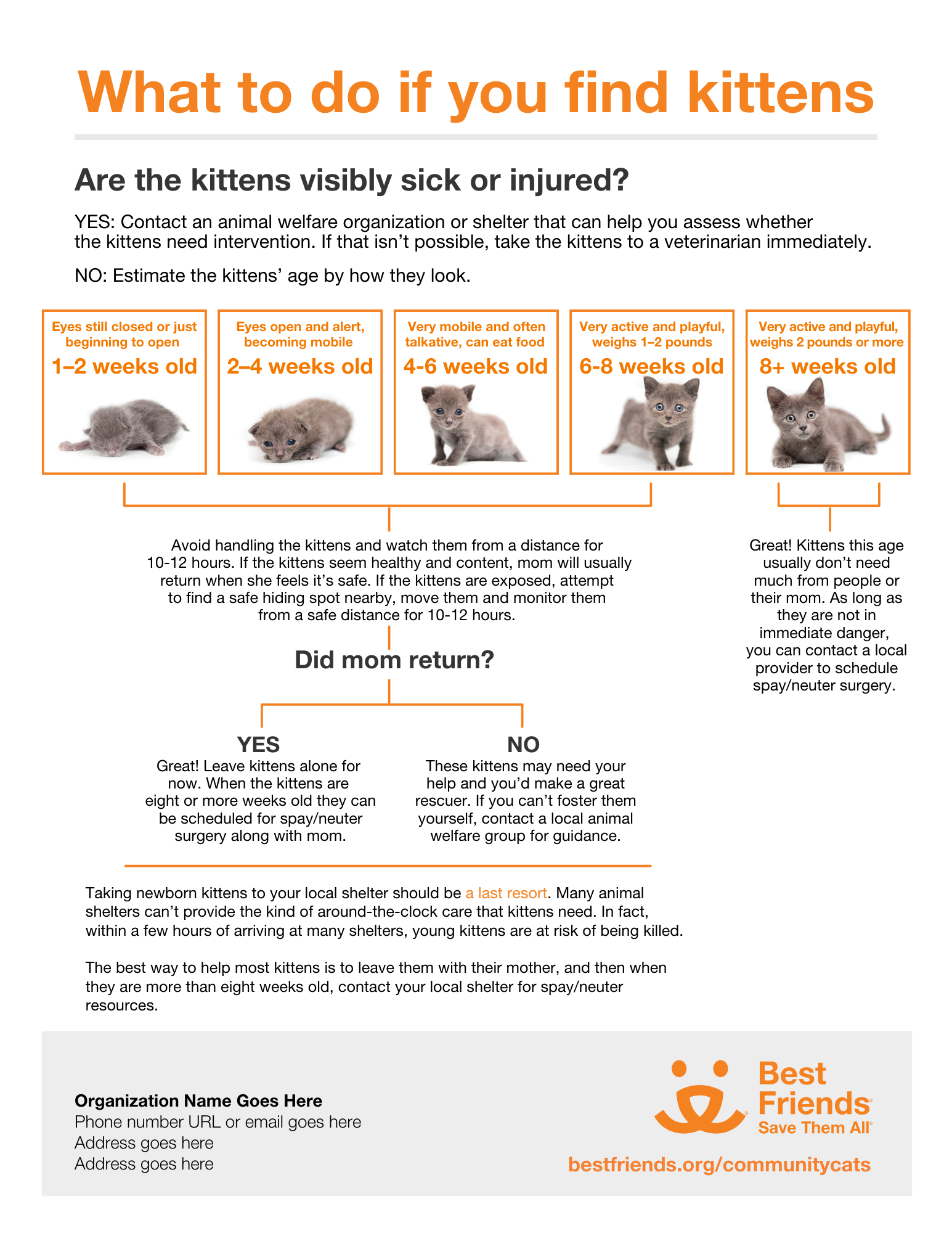
Credit: bestfriends.org
Health And Vet Care
Taking care of your kitten’s health is very important. Regular visits to the vet keep your kitten safe and strong. Early care helps prevent many illnesses and problems. You learn how to help your kitten live a happy life.
Vaccinations And Checkups
Kittens need vaccinations to fight common diseases. The vet starts shots at six to eight weeks old. Follow the vaccination schedule your vet gives. Regular checkups catch health problems early. Each visit helps track your kitten’s growth and health. Keep records of all vaccinations and vet visits.
Common Health Issues
Kittens can have fleas, worms, or eye infections. Watch for sneezing, coughing, or loss of appetite. Some kittens may get diarrhea or vomiting. Contact your vet if you see these signs. Early treatment stops problems from getting worse. Clean living space helps prevent many health issues.
Spaying And Neutering
Spaying or neutering your kitten prevents unwanted litters. It also reduces some health risks and behavior problems. Most vets recommend doing this around six months old. Ask your vet about the best time for your kitten. The surgery is safe and helps your kitten live longer. Recovery is usually quick with good care.
Litter Training Tips
Litter training is an important step in caring for a new kitten. It helps keep your home clean and your kitten happy. Teaching your kitten to use the litter box takes patience and the right tools. Follow these simple tips to make the process smooth and stress-free for both of you.
Choosing The Right Litter Box
Pick a litter box that suits your kitten’s size. Smaller boxes with low sides are easier for kittens to enter. Avoid covered boxes at first, as kittens may feel trapped inside. Use a shallow box to help your kitten learn quickly. Place the box in a quiet, easy-to-find spot. This encourages your kitten to use it often and without fear.
Encouraging Good Habits
Show your kitten where the litter box is right after meals and naps. Gently place your kitten in the box to help it understand its purpose. Praise your kitten softly when it uses the box. Avoid punishment if accidents happen. Clean accidents calmly and return your kitten to the box. Consistency builds good habits faster.
Cleaning And Maintenance
Keep the litter box clean by scooping daily. Change the litter completely every week. Wash the box with mild soap and warm water. Avoid strong-smelling cleaners that may scare your kitten. A clean box encourages your kitten to keep using it. Good hygiene prevents odors and health problems.
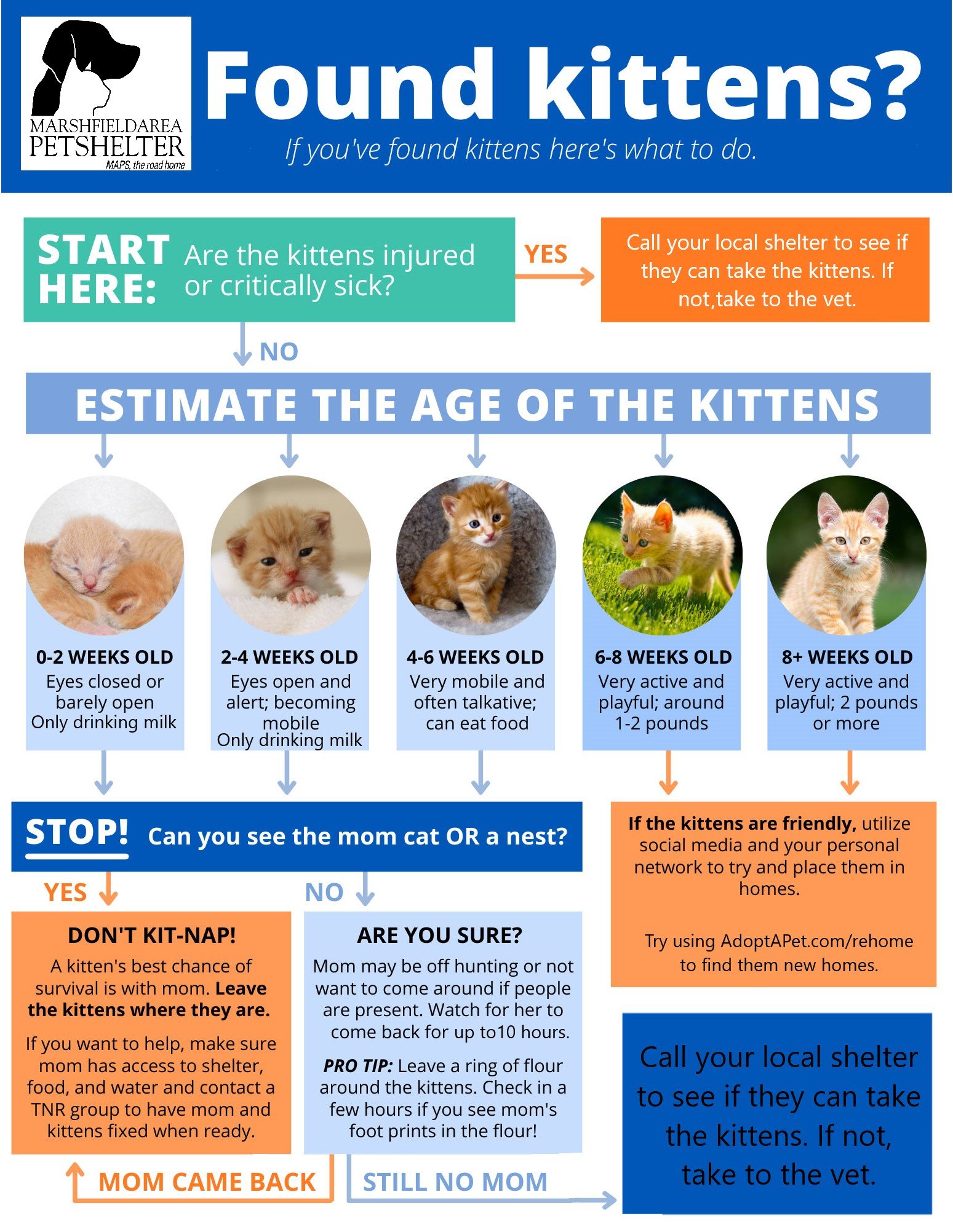
Credit: www.marshfieldpetshelter.org
Socializing And Playtime
Socializing and playtime are key parts of raising a happy kitten. Play helps your kitten learn new skills and stay healthy. Socializing helps your kitten feel safe and friendly around people and other animals.
Spending time playing and bonding builds trust between you and your kitten. It also helps your kitten use energy in a positive way. A well-socialized kitten grows into a confident cat.
Bonding With Your Kitten
Hold your kitten gently and speak in a soft voice. Pet your kitten softly on the head or back. Spend time near your kitten, letting it get used to your presence.
Play with your kitten using toys like feathers or strings. This creates fun memories and strengthens your connection. Touch your kitten often to build comfort and trust.
Safe Play Activities
Choose toys that are small and soft. Avoid toys with small parts your kitten could swallow. Use interactive toys like balls or wand toys to keep your kitten active.
Set aside playtime every day. This helps your kitten release energy and reduce stress. Rotate toys often to keep playtime exciting and new.
Introducing Other Pets
Introduce new pets slowly and carefully. Let your kitten see the other pet from a distance first. Use a barrier like a baby gate to keep them apart at first.
Watch their reactions closely. Reward calm behavior with treats. Gradually allow them to meet face-to-face under supervision. Never force interactions to avoid stress.
Grooming Basics
Taking care of your kitten’s grooming is important for their health and happiness. Grooming helps keep their coat clean and shiny. It also prevents skin problems and keeps your kitten comfortable. Start grooming early to help your kitten get used to the process.
Grooming is more than just brushing fur. It includes nail care and dental hygiene. These habits protect your kitten’s well-being and build a strong bond between you.
Brushing And Bathing
Brushing your kitten removes loose hair and dirt. It stops hairballs and matting. Use a soft brush made for kittens. Brush gently and often, especially for long-haired breeds.
Kittens usually clean themselves. Bathing is needed only if they get very dirty. Use a mild shampoo made for cats. Make water warm, not hot. Dry your kitten well after the bath.
Nail Care
Trim your kitten’s nails to stop scratches and damage. Use special pet nail clippers. Cut only the sharp tips. Avoid the pink part inside the nail. It hurts and may bleed.
Trim nails every one to two weeks. If your kitten resists, try wrapping them in a towel. Be calm and gentle to build trust.
Dental Hygiene
Cleaning your kitten’s teeth prevents bad breath and dental disease. Use a soft toothbrush and toothpaste made for cats. Start brushing slowly and gently.
Brush at least twice a week. Check your kitten’s mouth for redness or swelling. Healthy teeth help your kitten eat well and stay happy.
Credit: www.sanjoseca.gov
Recognizing Behavioral Changes
Taking care of a kitten means paying close attention to its behavior. Kittens cannot tell us when they feel bad or scared. We must watch their actions and moods carefully. Changes in behavior often show how a kitten feels inside. Noticing these changes early helps keep your kitten healthy and happy.
Signs Of Stress Or Illness
Kittens under stress or feeling ill act differently. They may hide more than usual or stop eating. You might see them grooming less or more. A tired kitten may sleep much more than normal. Watch for coughing, sneezing, or watery eyes. Sudden changes in bathroom habits also signal trouble. These signs need quick attention to prevent harm.
Addressing Aggression
Aggression in kittens can be a warning. It may come from fear or pain. Some kittens bite or scratch when upset. Avoid yelling or hitting your kitten. These actions can make aggression worse. Calmly give your kitten space to relax. Use toys to distract and play safely. Patience and gentle care help reduce aggressive acts.
Encouraging Positive Behavior
Reward good behavior with praise and treats. Play with your kitten using safe toys. This builds trust and reduces bad habits. Keep a regular feeding and play schedule. Offer a quiet, cozy place for rest. Positive attention teaches your kitten how to act. This creates a happy and well-behaved companion.
Frequently Asked Questions
How Often Should I Feed A Kitten Daily?
Kittens need feeding 3 to 4 times a day for proper growth. Use kitten-specific food rich in nutrients. Fresh water should always be available to keep them hydrated and healthy.
What Vaccinations Does A Kitten Need?
Kittens require core vaccines like FVRCP and rabies. Vaccinations start at six to eight weeks old. Consult a vet for a vaccination schedule and booster shots to protect your kitten.
How Do I Litter Train A Kitten?
Place the kitten in the litter box after meals and naps. Use a shallow box with unscented litter. Praise them when they use it correctly to encourage consistent behavior.
What Is The Best Way To Socialize A Kitten?
Expose kittens to people and pets gently and frequently. Use toys and treats to create positive experiences. Early socialization helps reduce fear and builds confidence in kittens.
Conclusion
Caring for a kitten takes patience and love. Feed them healthy food and keep fresh water nearby. Give them a warm, safe place to sleep. Play with your kitten every day to build trust. Visit the vet for check-ups and vaccines.
Keep their litter box clean to avoid problems. Watch for signs of illness and act quickly. Small steps make a big difference in your kitten’s life. Enjoy the fun and joy that your new friend brings. Taking care of a kitten is a rewarding experience.