
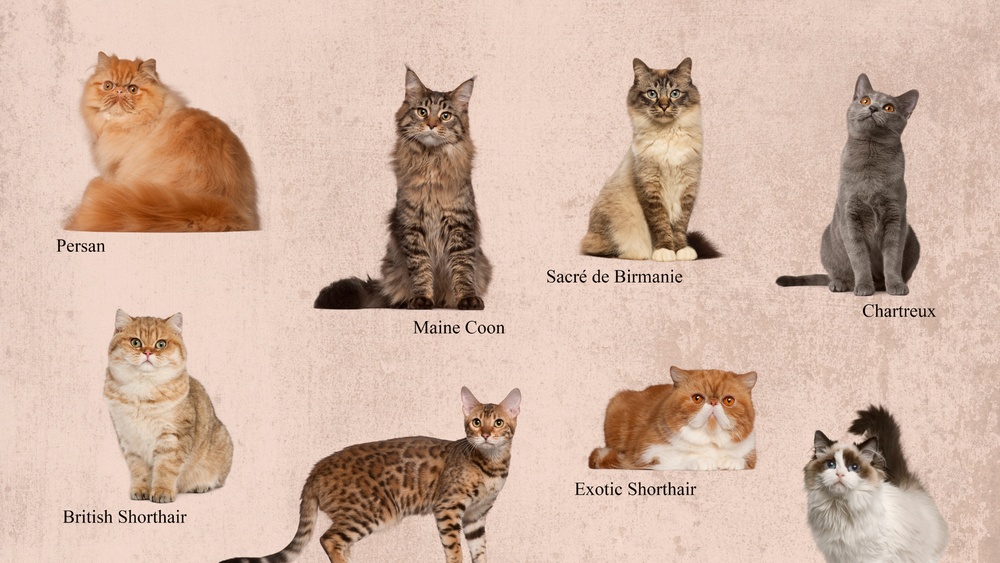
Have you ever wondered how many different breeds of cats exist? If you’re curious about the variety of feline friends out there, you’re in the right place.
Knowing the number of cat breeds can help you understand their unique personalities, looks, and care needs. Whether you’re thinking about adopting a new cat or just love learning about these amazing animals, this article will give you clear and simple answers.
Keep reading to discover the fascinating world of cat breeds and find out which one might be the perfect match for you.
Credit: www.mainecooncentral.com
Cat Breed Categories
Cats come in many breeds, each with unique traits and history. These breeds fall into main categories based on their origins and breeding methods. Understanding these categories helps you appreciate the variety in the cat world. Let’s explore the main types of cat breeds.
Pedigree Breeds
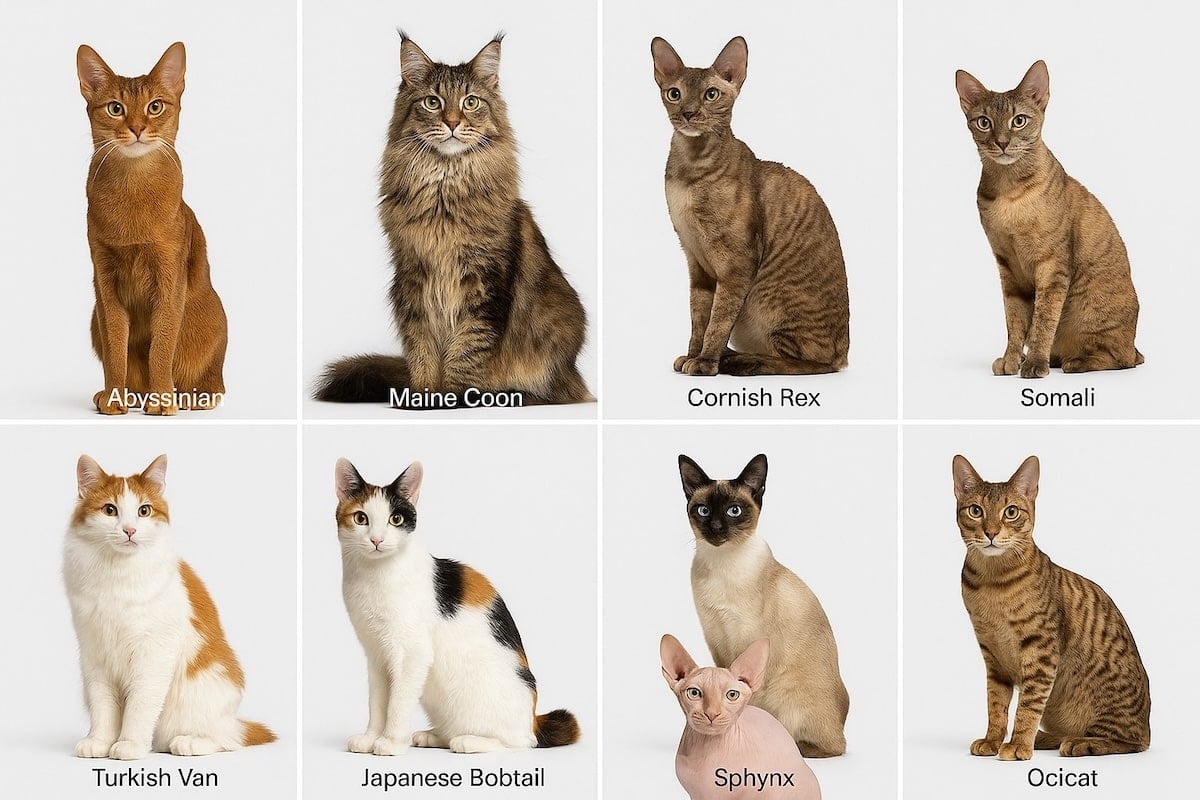
Pedigree breeds are cats with a documented family tree. Breeders carefully select parents to keep breed traits pure. Examples include Siamese, Persian, and Maine Coon cats. These cats often have specific looks and personalities. They are popular in cat shows and as pets.
Hybrid Breeds
Hybrid breeds result from crossing domestic cats with wild species. This mix creates unique appearances and behaviors. The Bengal cat is a famous hybrid, blending domestic cats with Asian leopard cats. These breeds may need special care and space. They are lively and can be quite active.
Natural Breeds
Natural breeds develop over time in certain regions without human interference. Their traits come from adapting to local environments. Examples are the Norwegian Forest cat and the Turkish Van. These cats have strong survival skills and distinct features. They often have a loyal and friendly nature.
Popular Cat Breeds Worldwide
Cats are loved by many people around the world. Some breeds are known everywhere. These popular breeds have unique looks and traits. They fit many homes and lifestyles. Here is a look at some popular cat breeds worldwide.
Siamese And Related Breeds
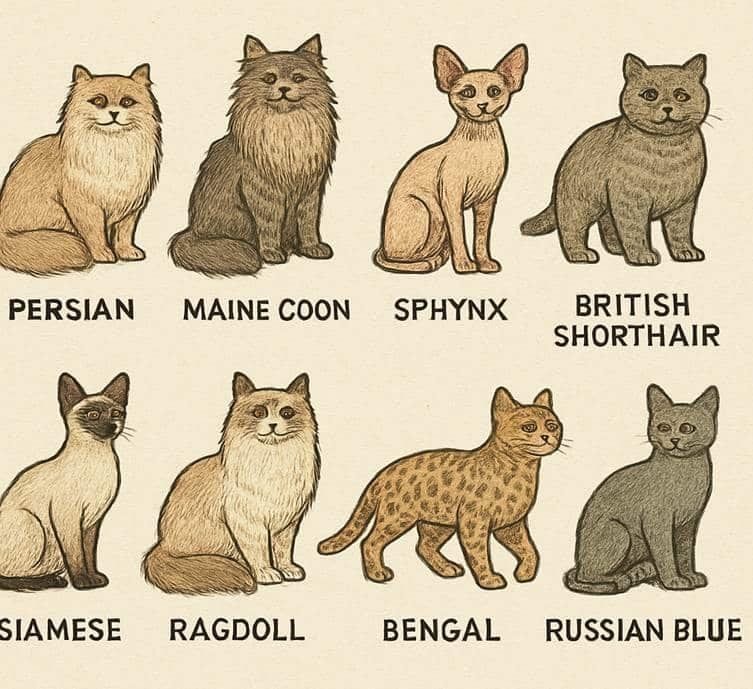
The Siamese cat is famous for its striking blue eyes. It has a slim body and short coat. Siamese cats are very vocal and social. Related breeds share similar traits and colors. They include the Balinese and Oriental Shorthair. These cats enjoy being around people and are very playful.
Persian Variants
Persian cats have long, thick fur. They have a round face and short nose. These cats are calm and gentle. Many people love their soft coats. Variants include the Himalayan, with color points like Siamese. Persians need regular grooming to keep their fur clean and tangle-free.
Maine Coon And Large Breeds
The Maine Coon is one of the largest domestic cats. It has a thick, water-resistant coat and bushy tail. These cats are friendly and good with children. Other large breeds include the Norwegian Forest Cat and Ragdoll. They enjoy playing but also like to relax quietly.
Rare And Exotic Cat Breeds
Rare and exotic cat breeds fascinate many cat lovers worldwide. These cats stand out for their unusual looks and fascinating histories. They are not common in every home or shelter. Their rarity often makes them a prized choice for enthusiasts.
These breeds show how diverse the cat family can be. Each has traits that make it unique and special. Some have ancient roots, while others come from modern breeding efforts. Their rarity adds to their charm and appeal.
Breed Origins
Many rare cats come from distant or unusual places. Some have roots in remote islands or mountain regions. Others were created by breeders to highlight special traits. Each breed tells a story of nature or human creativity.
For example, the Sokoke originates from Kenya’s forests. The Serengeti breed was developed to look like wild cats. These origins make rare cats more than just pets; they are living history.
Unique Characteristics
Rare cats often show features not seen in common breeds. Some have curly fur, like the LaPerm. Others have large ears or unusual eye colors. Their behavior can also be different, with unique personalities.
These traits attract people who want a cat that stands out. Some breeds are very active and playful. Others are calm and quiet. These differences make each rare breed special.
Availability And Adoption
Rare and exotic cats are not easy to find. They are usually bred by specialists or found in specific areas. Adoption options may be limited compared to common breeds.
Potential owners should research breeders and adoption centers carefully. Some rare breeds may need special care or environments. Patience and dedication are key to welcoming these cats into a home.
Breed Recognition Organizations
Breed recognition organizations play a key role in defining and recognizing cat breeds. They set standards for each breed and keep official records. These groups also host cat shows and support breeders worldwide.
The number of recognized breeds can vary depending on the organization. Each group has its own rules and criteria for accepting new breeds.
Cat Fanciers’ Association (cfa)
The Cat Fanciers’ Association is one of the largest cat breed organizations. It recognizes around 45 breeds of cats. CFA focuses on breed standards and cat shows mainly in North America. They promote responsible breeding and care for cats.
The International Cat Association (tica)
TICA is a global organization with members in many countries. It recognizes over 70 cat breeds. TICA allows new breeds to be registered during a trial period. This helps the breed gain full recognition over time.
Governing Council Of The Cat Fancy (gccf)
The GCCF is the main cat registry in the United Kingdom. It recognizes about 45 cat breeds. GCCF organizes cat shows and supports breed preservation. They maintain strict guidelines for breed classification.
Counting Cat Breeds In 2025
Counting cat breeds in 2025 reveals a diverse and growing feline world. Cat enthusiasts and experts continue to identify new types and variations. The number of recognized breeds changes as breeding standards evolve. Understanding these changes helps appreciate the variety of cats today.
Factors Affecting Breed Numbers
The number of cat breeds depends on several key factors. Breed recognition varies by cat associations worldwide. Some groups accept more breeds than others. Breeding programs also influence breed numbers. They introduce new traits and combine existing ones. Genetic research helps define and separate breeds. This science leads to reclassification or merging of breeds.
Newly Recognized Breeds
New cat breeds appear regularly as breeders develop unique traits. Some breeds gain official recognition quickly. Others take years of showing and documentation. These new breeds add to the global count. They often come from crossbreeding or natural mutations. Each new breed reflects human interest in cat diversity.
Global Breed Variations
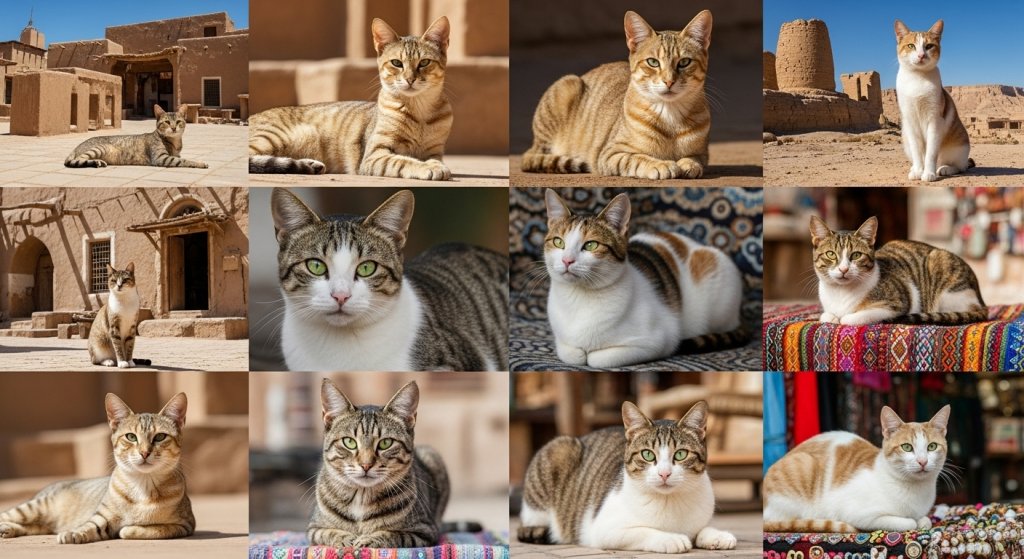
Different countries recognize different sets of cat breeds. Regional preferences affect which breeds gain popularity. Some breeds exist only in certain areas. Climate and culture influence breed development. This causes a wide variety of cats worldwide. Knowing these variations helps understand breed counts better.
Credit: catopedea.com
Choosing The Right Breed
Choosing the right cat breed matters a lot. Different breeds have unique traits. These traits affect your life and the cat’s happiness. Knowing what to expect helps you make a good choice. Think about your home and daily routine. Some cats need more care or attention. Others fit well with quiet homes or busy families.
Temperament And Personality
Each cat breed has its own personality. Some breeds are calm and gentle. Others are playful and active. Some cats love being alone. Others want constant attention. Choose a breed that matches your lifestyle. This helps both you and your cat feel happy. A calm breed suits quiet homes. Active cats need space to play and explore.
Grooming Needs
Cat breeds differ in grooming needs. Long-haired cats need regular brushing. Short-haired cats need less care. Some breeds shed a lot. Others shed very little. Grooming affects your daily routine. Be honest about the time you can spend. Grooming keeps cats healthy and clean. It also reduces hair around your home.
Health Considerations
Some breeds are prone to health problems. These issues can be genetic or breed-specific. Know common health risks before choosing a breed. Regular vet visits can help prevent problems. Choose a breed with fewer health issues if you want less worry. Healthy cats live longer and feel better. Your choice affects both care and expenses.
Credit: kaleela.com
Frequently Asked Questions
How Many Recognized Cat Breeds Exist Worldwide?
There are around 70 to 75 recognized cat breeds globally. Different cat associations may list slightly varying numbers. These breeds vary in appearance, personality, and care needs. New breeds are occasionally developed and recognized by cat registries.
What Defines A Cat Breed?
A cat breed is defined by distinct physical and genetic traits. These traits include coat color, pattern, body shape, and temperament. Breeding standards ensure consistency and uniqueness within each breed. This helps maintain breed purity and predictability.
Which Cat Breed Is The Most Popular?
The Persian cat is one of the most popular breeds worldwide. Its long fur, calm nature, and distinctive face appeal to many. Other popular breeds include Siamese, Maine Coon, and Ragdoll. Popularity often varies by region and trends.
Are There Rare Cat Breeds To Know About?
Yes, some breeds are considered rare due to limited numbers or geographic origin. Examples include the Sokoke, Serengeti, and Turkish Van. Rare breeds often have unique traits and may require special care or attention.
Conclusion
Cats come in many breeds, each with unique traits and charm. Knowing the number of cat breeds helps you appreciate their diversity. Every breed has its own story and special features. Whether you like fluffy, short-haired, or playful cats, there is a breed for you.
Exploring cat breeds can be fun and rewarding. Choose the one that fits your lifestyle and love for pets. Cats bring joy and comfort in many forms. Their variety makes them even more fascinating to learn about.