
Are you thinking about starting to breed cats but don’t know where to begin? Breeding cats can be a rewarding experience, but it takes careful planning and knowledge to do it right.
If you want healthy kittens and happy cats, there are important steps you need to follow. In this guide, you’ll discover everything you need to know to get started confidently. Keep reading, and you’ll learn how to make your cat breeding journey successful from day one.
Choosing The Right Breed
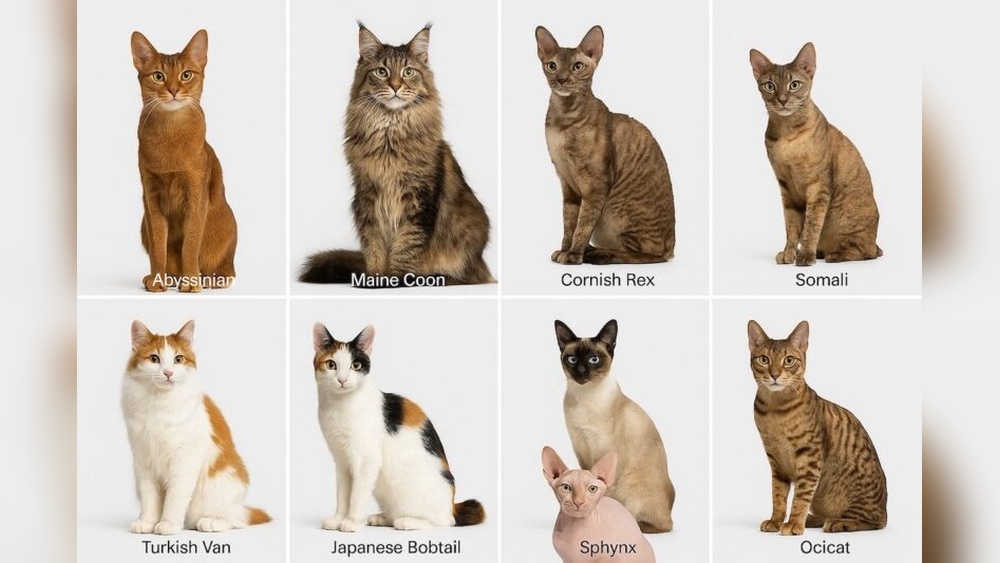
Choosing the right breed is the first step in starting cat breeding. The breed affects your cat’s looks, health, and personality. Picking a breed that fits your lifestyle and goals helps ensure success. Focus on breeds that are healthy, popular, and have good temperaments. This section guides you through selecting the best breed for breeding.
Popular Cat Breeds For Breeding
Some breeds are easier to breed and sell. Persian cats are famous for their long fur and calm nature. Siamese cats are known for their striking looks and vocal personality. Maine Coons are large, friendly, and good with families. Ragdolls have gentle temperaments and beautiful coats. These breeds have steady demand and reliable traits for breeders.
Traits To Consider
Choose breeds with traits that suit your goals. Look for size, coat type, and color patterns. Consider how active or calm the cats are. Some breeds need more grooming than others. Think about how much time you can spend on care. Breeds with easy grooming and friendly behavior often work best.
Health And Temperament
Good health is vital for breeding success. Select breeds with fewer genetic health problems. Avoid breeds prone to serious illnesses. Temperament matters too. Friendly, social cats make better pets. Aggressive or shy cats can be harder to breed. Check health records and meet the cats before deciding.

Credit: vetslovepets.com.au
Preparing Your Home
Preparing your home is an important first step in breeding cats. A clean, safe, and organized space helps your cats stay healthy. It also makes caring for them easier. You need to plan your home setup before bringing cats for breeding.
Creating A Safe Environment
Remove items that can harm cats, like small objects or toxic plants. Secure loose wires and cover sharp edges. Keep the area quiet to reduce stress. Make sure the space has good ventilation and enough light. Safety helps cats feel calm and protected.
Necessary Supplies And Equipment
Gather basic supplies such as food and water bowls. Use soft bedding for comfort. Have a litter box in a private spot. Prepare grooming tools like brushes and nail clippers. Stock up on cleaning supplies to keep the area tidy. These items support daily care and hygiene.
Setting Up A Breeding Area
Choose a quiet room or corner for breeding activities. Provide separate spaces for each cat to avoid fights. Use cozy nesting boxes for pregnant cats. Keep the area warm and free from drafts. Arrange feeding and resting spots close together. A well-prepared breeding area helps cats feel secure and comfortable.
Selecting Breeding Cats
Selecting the right cats for breeding is the key to success. Healthy, strong cats produce better kittens. Careful choice also helps avoid health problems in future litters.
Good breeders spend time checking health, age, and how well cats match. These factors affect the quality and temperament of kittens. Understanding each point helps you start well.
Health Screening And Genetic Testing
Health checks keep diseases from passing to kittens. Tests show if cats carry hidden genetic problems. Only breed cats free from serious health issues.
Visit a vet for full health screening. Blood tests, eye exams, and heart checks are important. Genetic tests detect inherited diseases common in specific breeds.
Age And Maturity Factors
Cats must be mature enough before breeding. Too young cats face health risks and weak kittens. Females usually start at one year old. Males can begin breeding a bit later.
Breeding too late lowers chances for good litters. Timing matters for safe and healthy births. Know each cat’s ideal breeding age for best results.
Matching Pairs For Best Results
Good pairs complement each other’s traits. Look for cats with strong health and good temperament. Avoid mating cats with similar genetic problems.
Consider size, color, and breed standards. Balanced pairs produce well-rounded kittens. Careful matching improves the quality of future litters.
Breeding Process Basics
Starting to breed cats requires knowing some basic steps. These steps help ensure a smooth and healthy process. Understanding the female cat’s heat cycle, the right timing to mate, and how to care for the pregnancy is key. This section explains these important points clearly.
Signs Of Heat In Female Cats
Female cats show clear signs when they are in heat. They may become more vocal and restless. You might see them rubbing against furniture or people more often. Their tail position changes, often lifted to one side. Some cats roll on the floor or show more affection. Recognizing these signs helps you know the best time for breeding.
Mating Tips And Timing
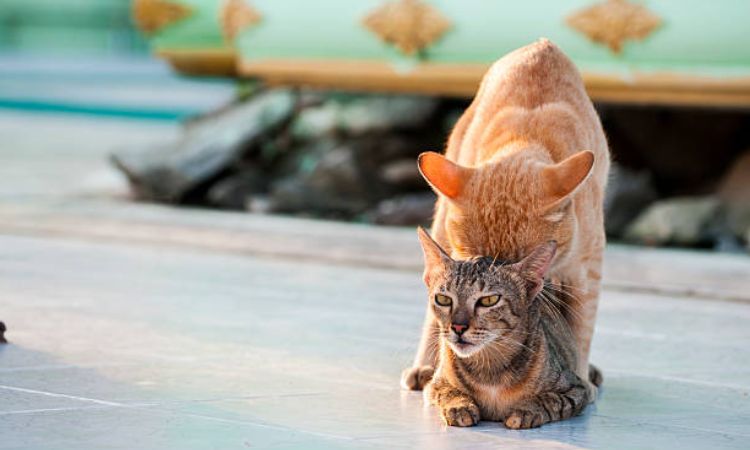
Timing is very important for successful mating. Female cats are usually ready to mate during their heat cycle. This cycle happens every two to three weeks. Introduce the male cat gently and watch for friendly behavior. Do not force the cats to mate. Let them take their time. Usually, mating lasts a few minutes but may happen several times during heat.
Handling The Pregnancy
After mating, care for the pregnant cat carefully. Provide a quiet and comfortable space. Feed her good quality food made for pregnant cats. Avoid stressful situations and loud noises. Regular vet checkups help track the pregnancy health. Most cat pregnancies last about 63 to 65 days. Prepare a clean nesting area before the birth. This helps the mother feel safe and calm.
Caring For Pregnant Cats
Caring for pregnant cats is very important for a healthy pregnancy and safe birth. Pregnant cats need extra care and attention. Their body changes, and they require special support. Knowing how to care for them helps avoid problems. It also helps kittens grow strong and healthy.
Nutrition And Diet
Pregnant cats need more calories and nutrients than usual. Feed them high-quality kitten food. It has the right balance of protein and fat. Give small, frequent meals to keep their energy steady. Fresh water must be available all the time. Avoid giving raw food or anything harmful. Good nutrition supports the growth of kittens and the mother’s health.
Veterinary Care And Monitoring
Regular vet visits are key for pregnant cats. The vet can check the cat’s health and the kittens’ growth. Vaccinations and parasite control should be updated before pregnancy. Watch for signs of illness or distress, like vomiting or lack of appetite. Early detection of problems helps prevent complications. Always follow the vet’s advice for a safe pregnancy.
Preparing For Delivery
Create a quiet, warm, and safe space for birth. Use a box with soft blankets in a calm area. Keep the area clean and free from noise or pets. Monitor the cat closely as the due date nears. Know the signs of labor, such as restlessness and nesting. Have emergency vet contact ready in case help is needed.

Credit: www.amazon.com
Kitten Care And Development
Taking care of kittens is a key part of breeding cats. Their first weeks need special attention. Proper care helps kittens grow strong and healthy. It also shapes their behavior and social skills. Understanding kitten needs guides breeders in giving the best start.
Newborn Kitten Needs
Newborn kittens cannot eat or keep warm on their own. They rely on their mother’s milk for nutrition. Keep them in a warm and quiet place. Use a heating pad to maintain temperature. Check kittens often to make sure they are nursing well. Clean their bedding daily to prevent infections.
Weaning And Socialization
Weaning starts around four weeks old. Offer soft, wet food alongside mother’s milk. Gradually reduce milk feeding over two weeks. Socialize kittens by gently handling them every day. Introduce new sounds and sights carefully. Early socialization helps kittens become confident pets.
Health Checks And Vaccinations
Regular health checks catch problems early. Look for signs of illness like sneezing or lack of appetite. Schedule a vet visit at six to eight weeks old. Follow the vaccination plan to protect against diseases. Keep records of all health treatments for each kitten.
Managing Breeding Records
Managing breeding records is a key part of starting to breed cats. Good records help track important details about each cat and their kittens. They ensure healthy breeding practices and support future planning. Clear and organized records save time and avoid mistakes.
Tracking Lineage And Pedigree
Keep detailed records of each cat’s family tree. Record parents, grandparents, and siblings to avoid inbreeding. This helps maintain strong and healthy bloodlines. Pedigree charts show the cat’s heritage and breed purity. Accurate lineage tracking improves breeding quality over time.
Health And Vaccination Logs
Document every health check and vaccination for each cat. Note dates, vaccines given, and any treatments. These logs protect cats from diseases and track their medical history. Regular updates keep your breeding program safe. Health records show buyers the cat’s well-being.
Legal And Registration Requirements
Understand the laws about cat breeding in your area. Register your cats with the right breeding clubs or associations. Keep copies of all permits and registration papers. Following legal rules avoids penalties and builds trust. Proper registration helps sell kittens with official papers.
Credit: nexus-pets.com
Common Challenges And Solutions
Starting cat breeding brings many challenges. Knowing common problems helps you prepare. Each challenge has a solution that eases the process. Understanding these issues can save time and stress. You can create a safe, healthy environment for your cats.
Dealing With Infertility
Infertility is a common concern in cat breeding. It can happen due to age, health, or stress. Regular vet check-ups help identify fertility problems early. Keep cats healthy with proper food and exercise. Avoid breeding cats that are too young or old. Sometimes, changing the mating pair improves results.
Handling Complications During Birth
Birth complications may occur and need quick action. Watch your cat closely as labor begins. Know signs of difficulty, like long labor or weak contractions. Keep vet contact ready for emergencies. Provide a quiet, warm space for the mother. Sometimes, a vet may need to assist delivery.
Managing Behavioral Issues
Breeding cats can show stress or aggression. Changes in routine can upset them. Keep a calm environment and handle cats gently. Separate aggressive cats to avoid fights. Socialize kittens early to improve behavior. Training and patience help reduce stress and problems.
Ethical Breeding Practices
Ethical breeding is the foundation of responsible cat breeding. It protects the health and happiness of cats and kittens. Ethical breeders focus on quality, not quantity. They aim to improve the breed and ensure animals have good lives. This section covers key ethical practices to follow.
Avoiding Overbreeding
Overbreeding harms cats physically and mentally. It can cause health problems and stress. Limit the number of litters per cat. Allow time for recovery between pregnancies. Use careful planning to avoid too many kittens. This keeps cats strong and happy.
Ensuring Animal Welfare
Animal welfare means caring for cats’ health and comfort. Provide clean, safe spaces for cats to live. Feed balanced food and offer fresh water daily. Regular vet visits keep cats healthy. Watch for signs of illness or distress. Treat cats with kindness and patience.
Finding Responsible Homes For Kittens
Responsible homes provide good care for kittens. Screen potential owners carefully. Ask about their experience with cats and lifestyle. Share important care information with new owners. Follow up to ensure kittens settle well. This ensures kittens grow up loved and safe.
Frequently Asked Questions
What Are The Basics To Start Breeding Cats?
To start breeding cats, research breeds, health, and genetics. Prepare a safe space, find healthy breeding cats, and understand care requirements. Always prioritize ethical breeding and consult a veterinarian for guidance.
How Do I Select Healthy Cats For Breeding?
Choose cats with strong health, good temperament, and no genetic diseases. Verify vaccinations and health clearances. Select cats that meet breed standards for better offspring quality.
What Legal Requirements Apply To Cat Breeding?
Check local laws on pet breeding licenses and permits. Follow animal welfare regulations and registration rules. Ensure compliance to avoid legal issues and promote responsible breeding.
How To Care For Pregnant And Newborn Cats?
Provide a quiet, warm space with proper nutrition for pregnant cats. Monitor health closely. After birth, keep kittens clean, fed, and safe. Regular vet visits ensure their well-being.
Conclusion
Starting to breed cats takes patience and care. Know your cat’s health and breed traits well. Prepare a safe and clean space for them. Keep learning about cat care and breeding rules. Talk to experts and join cat groups for help.
Breeding cats can bring joy but needs hard work. Stay calm, watch your cats closely, and enjoy the process. Success comes with time and attention to details. Take one step at a time and be kind to your pets.