
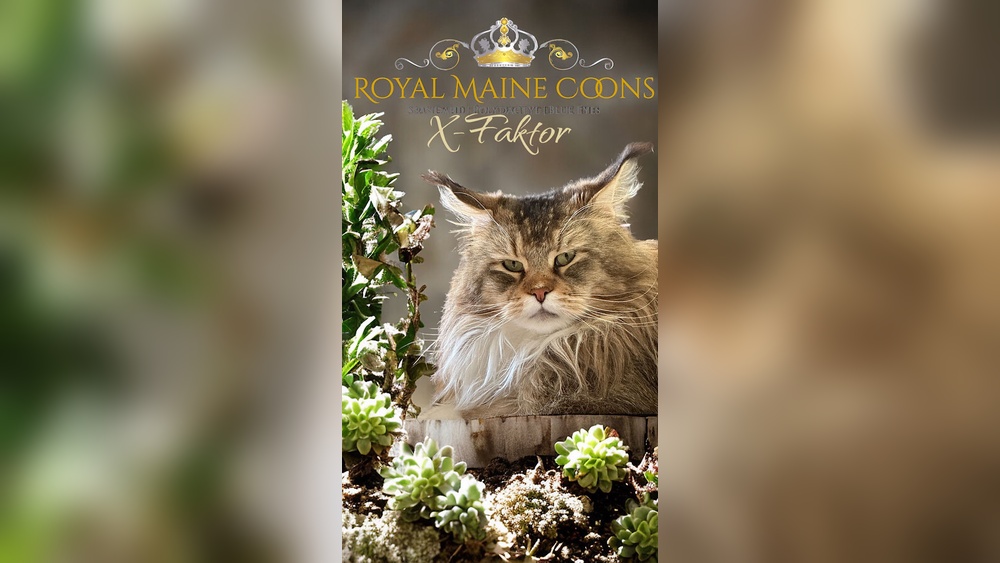
You love your breeding female cat and want the best for her. But how do you know when it’s time to retire her from breeding?
Making this decision isn’t always easy. It affects her health, your breeding program, and the kittens you bring into the world. You’ll discover clear signs and key factors to help you choose the perfect moment to retire your cat. Keep reading to ensure you make the right choice for her well-being and your future plans.
Signs To Stop Breeding
Knowing when to retire a breeding female cat is very important. It helps protect her health and well-being. Watch for signs that show she needs a break. These signs can come from her age, health, or behavior.
Age Factors
Age plays a big role in deciding when to stop breeding. Most cats should retire by five to seven years old. Older cats may have harder pregnancies. Their kittens might also have more health problems. Breeding too long can shorten a cat’s life.
Health Concerns
Health issues are a clear sign to stop breeding. Watch for weight loss or poor coat condition. Illnesses like infections or breathing problems matter. If your cat struggles to recover after births, she needs to rest. Regular vet checks help spot these problems early.
Behavioral Changes
Changes in behavior can show stress or discomfort. A breeding cat may become aggressive or withdrawn. She might stop eating or grooming herself. These signs mean she is unhappy or in pain. Respect her feelings and consider retiring her from breeding.

Credit: www.mainecooncentral.com
Health Risks Of Prolonged Breeding
Breeding a female cat for too long can harm her health. It puts a lot of pressure on her body. Knowing the risks helps you decide when to retire her from breeding. This protects her well-being and quality of life.
Reproductive System Strain
Continuous breeding stresses the cat’s reproductive organs. Her uterus and ovaries may weaken or get damaged. This strain can cause infections and other serious problems. Resting her reproductive system is vital for her health.
Increased Disease Risk
Breeding cats face higher chances of illnesses. Frequent pregnancies lower their immune defenses. They become more vulnerable to infections and diseases. Retiring her reduces these health risks significantly.
Impact On Longevity
Long breeding careers can shorten a cat’s life span. The constant physical toll wears out her body faster. Retiring allows her to live a longer, healthier life. It gives her time to heal and regain strength.
Optimal Retirement Age
Knowing the best age to retire a breeding female cat helps keep her healthy. It also supports the quality of her kittens. Choosing the right time ensures a good life for the cat after breeding.
Breed-specific Guidelines
Different cat breeds age at different rates. Some breeds stay healthy and fertile longer. Others may show signs of aging earlier. For example, Siamese cats often breed well until about 6 years old. Persian cats might need retirement closer to 5 years. Knowing your cat’s breed helps set a proper retirement age. This approach prevents health problems linked to late breeding.
Veterinarian Recommendations
Your vet can give advice based on your cat’s health. Regular check-ups reveal if the cat is fit to continue breeding. Vets watch for signs like weight loss and low energy. They also check for reproductive health issues. Most vets suggest retiring female cats around 5 to 7 years old. This range keeps the cat safe from risks linked to older age breeding. Follow your vet’s advice to protect your cat’s well-being.
Preparing For Retirement
Preparing a breeding female cat for retirement is an important step. This phase focuses on her health and comfort after years of breeding. Changes in diet, exercise, mental care, and medical attention help ensure a smooth transition. Proper preparation supports her well-being and happiness in retirement.
Adjusting Diet And Exercise
Retired female cats need fewer calories than active breeders. Adjust her diet to avoid weight gain and related health problems. Choose high-quality food tailored for senior cats. Monitor her weight regularly to keep it healthy. Exercise should be gentle and regular to maintain muscle tone. Short play sessions and light activity work well. Avoid intense exercise that could cause stress or injury.
Mental Stimulation
Mental health is as important as physical health. Provide toys and puzzles to keep her mind active. Interactive playtime strengthens her bond with you. Introduce new scents or safe objects to spark curiosity. Quiet time with gentle petting also offers comfort. Keeping her mentally engaged prevents boredom and anxiety.
Medical Care Changes
Retirement means more frequent veterinary check-ups. Senior cats require regular screenings for common age-related issues. Vaccinations and parasite control should stay up to date. Dental care gains importance as teeth weaken. Discuss pain management and supplements with your vet. Early detection of health problems helps extend quality of life.
Post-retirement Care
After retiring a female cat from breeding, care remains very important. Her body needs time to adjust to new routines. Proper care helps her stay healthy and happy in this new phase of life.
Retirement does not mean less attention. It means a change in how you care for her daily needs. Focus on health checks, weight, activity, and emotional well-being.
Regular Health Checks
Schedule visits to the vet every six months. The vet checks for common health issues in older cats. Early detection helps in treating problems quickly. Blood tests, dental exams, and vaccinations keep her strong. Watch for signs of pain or discomfort at home.
Managing Weight And Activity
Retired cats often gain weight without enough exercise. Control her diet with balanced, portioned meals. Avoid giving too many treats. Encourage gentle play to keep muscles active. Short play sessions several times a day work best. A healthy weight supports her joints and heart.
Emotional Well-being
Retirement may cause stress or boredom. Provide quiet, cozy spots for rest and comfort. Spend time petting and talking softly to her. Toys and safe climbing spaces keep her entertained. Social interaction with humans or other pets helps her feel loved. A calm and loving environment supports her emotional health.

Credit: www.reddit.com
Alternatives To Breeding
Choosing not to breed a female cat anymore opens many new paths. These paths help keep her healthy and happy. They also help control the cat population. Exploring other options can improve her life greatly. It supports your role as a responsible pet owner.
Spaying Benefits
Spaying stops a female cat from having kittens. It lowers the risk of certain cancers and infections. She will have fewer mood swings from heat cycles. Spaying can also reduce roaming and aggressive behaviors. This surgery often leads to a longer, healthier life. It is a safe procedure done by a vet. Many pet owners find their cats calmer after spaying.
Adoption And Sanctuary Options
Finding a good home or sanctuary is a caring choice. Many shelters welcome older female cats, including retired breeders. These places offer love, care, and a safe space. Sanctuaries often have staff who understand special needs. Adoption gives cats a chance for a peaceful life. It reduces the number of homeless animals. This option supports animal welfare and community health.
Credit: catbreedersensei.com
Frequently Asked Questions
When Is The Ideal Age To Retire A Breeding Female Cat?
Most breeders retire female cats around 5 to 7 years old. This age balances health and breeding effectiveness. Early retirement helps prevent health issues and maintains the cat’s quality of life.
What Health Signs Indicate Retiring A Breeding Female Cat?
Signs include decreased fertility, weight loss, or chronic illness. Aging cats may show reduced energy and difficulty nursing. Regular vet check-ups help identify when retirement is necessary.
How Many Litters Should A Breeding Female Cat Have?
Typically, 3 to 5 litters are recommended for healthy breeding. More litters can strain the cat’s health. Responsible breeders monitor the cat’s condition to decide when to stop.
Can A Retired Breeding Female Cat Have A Normal Life?
Yes, retired females often enjoy a calm, happy life. They need proper care, nutrition, and affection. Retirement allows them to recover and live comfortably without breeding stress.
Conclusion
Choosing the right time to retire a breeding female cat protects her health and well-being. Watch for signs like age, health, and behavior changes. Retiring her at the right moment helps avoid risks and stress. It gives her a calm, happy life after breeding.
Always put her comfort and safety first. A good plan ensures she stays loved and cared for. Taking care of your cat means knowing when to stop breeding. This decision benefits both you and your cat in the long run.